
 Worksheets
CPCT Practice Exam #4
Total questions: 100
Worksheet time: 1hrs 14mins
What type of tissue is blood classified as?
Epithelial tissue
Connective tissue
Nervous tissue
Muscular tissue
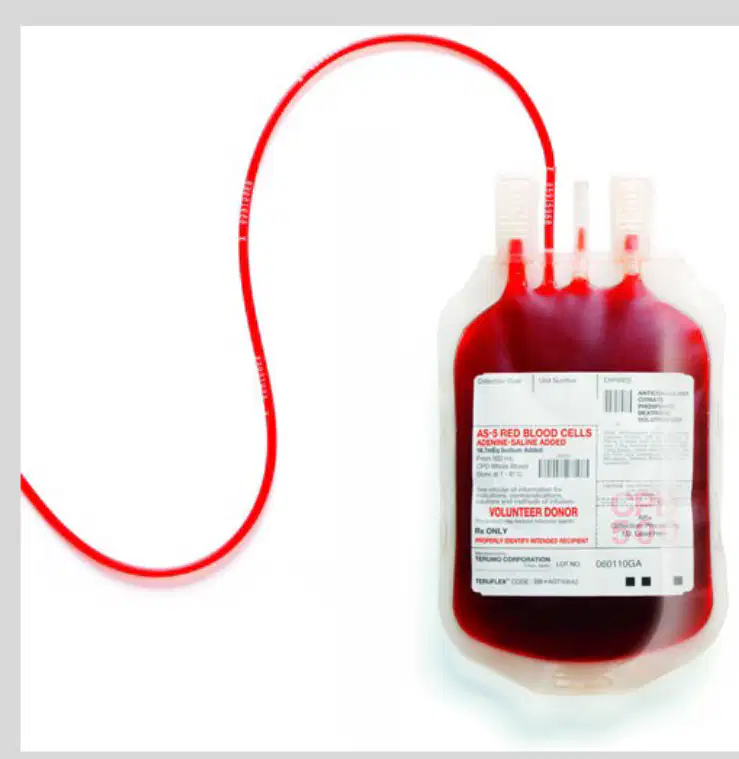
Which of the following is a formed element of blood responsible for oxygen transport?
Leukocytes
Thrombocytes
Erythrocytes
Plasma
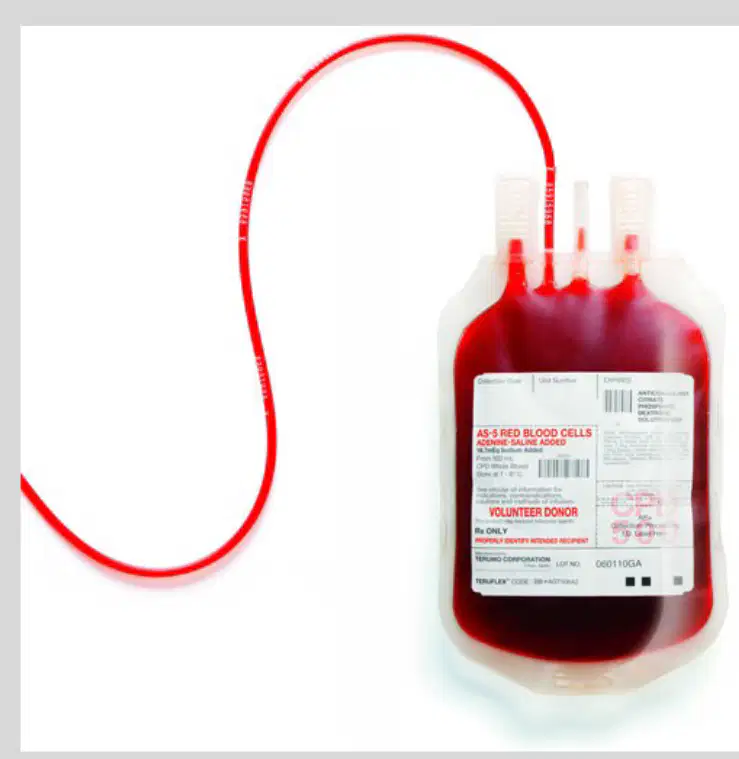
Which formed element in blood is also known as platelets?
Erythrocytes
Leukocytes
Thrombocytes
Plasma
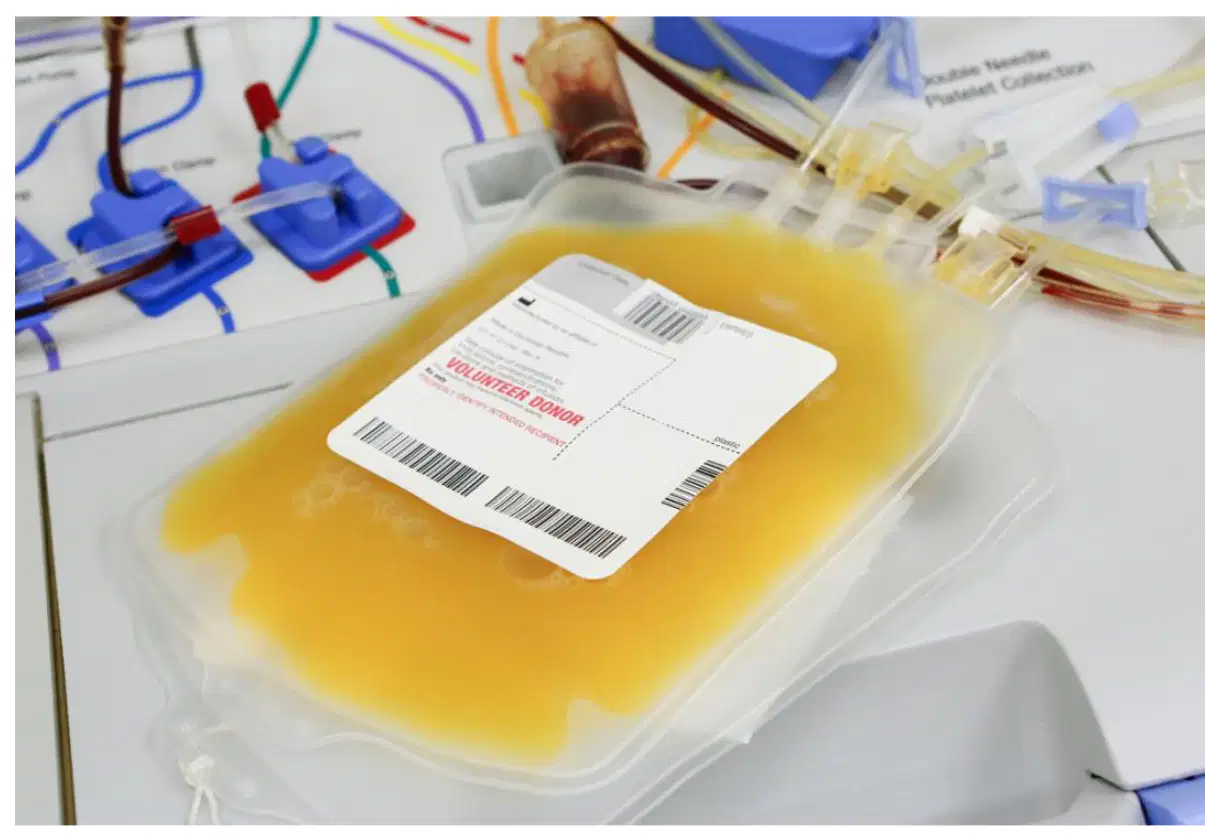
Which component of blood is primarily responsible for transporting nutrients, hormones, and waste products?
Plasma
Platelets
Red blood cells
White blood cells

What is the primary function of plasma in the blood?
To carry oxygen
To transport nutrients and waste
To fight infections
To clot blood
What is the color of freshly oxygenated blood?
Bright red
Dark red
Blue
Yellow
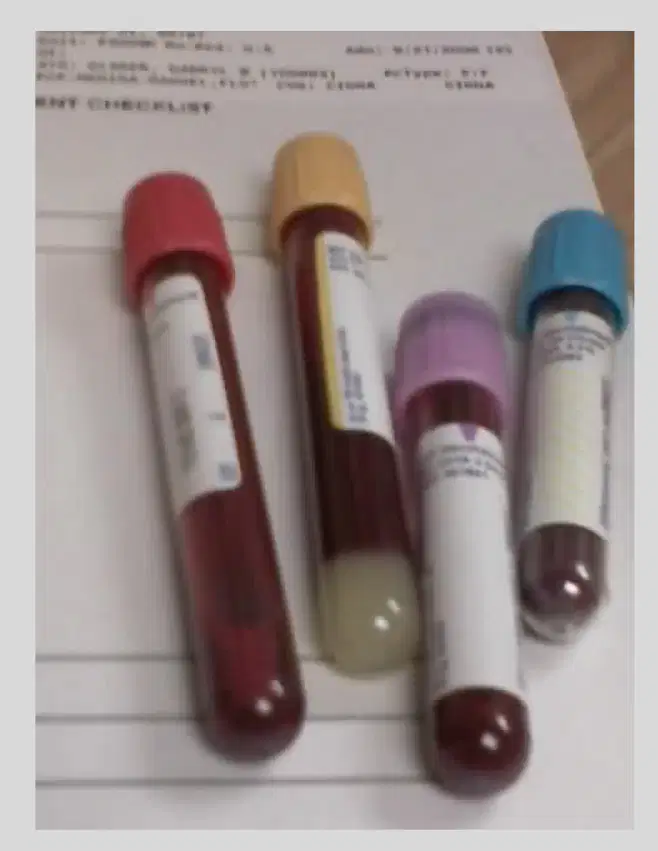
What is the color of deoxygenated blood?
Bright red
Dark red
Blue
Yellow
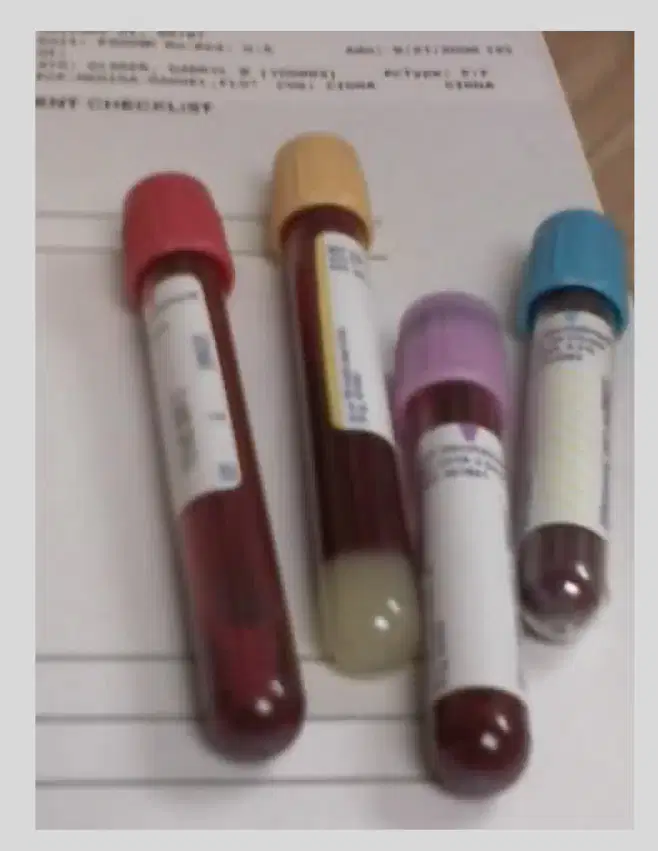
What determines the color of blood?
Hemoglobin
Oxygen levels in the air
Blood pressure
Blood sugar levels

What is the viscosity of blood compared to water?
2 times more viscous
3 times more viscous
5 times more viscous
10 times more viscous

What is the normal pH level of blood?
6.8
7.4
8.0
7.0

What is the normal temperature of blood in Fahrenheit?
98.6°F
99.5°F
100.4°F
101.3°F

How does blood feel to the touch?
Smooth
Sticky
Dry
Slippery

What is the average volume of blood in males?
3-4 liters
5-6 liters
4-5 liters
6-7 liters

What is the average volume of blood in females?
3-4 liters
5-6 liters
4-5 liters
6-7 liters

Which of the following statements is true about the average blood volume in males and females?
Males have an average of 4-5 liters of blood, while females have 5-6 liters.
Both males and females have the same average blood volume.
Males have an average of 5-6 liters of blood, while females have 4-5 liters.
Females have an average of 6-7 liters of blood, while males have 3-4 liters.

What is the primary component of blood plasma?
Plasma proteins
Water (92%)
Red blood cells
Platelets

What is the color of blood plasma?
Red
White
Straw-colored
Blue

What is the most abundant protein in blood plasma?
Hemoglobin
Albumin
Fibrinogen
Globulin

Where is albumin manufactured in the body?
Kidneys
Heart
Liver
Lungs

What role does albumin play in the body?
Transporting oxygen to tissues
Maintaining osmotic pressure and water balance between blood and tissues
Clotting blood
Fighting infections

Which of the following is NOT a function of albumin?
Maintaining osmotic pressure
Water balance regulation
Oxygen transport
Manufactured by the liver
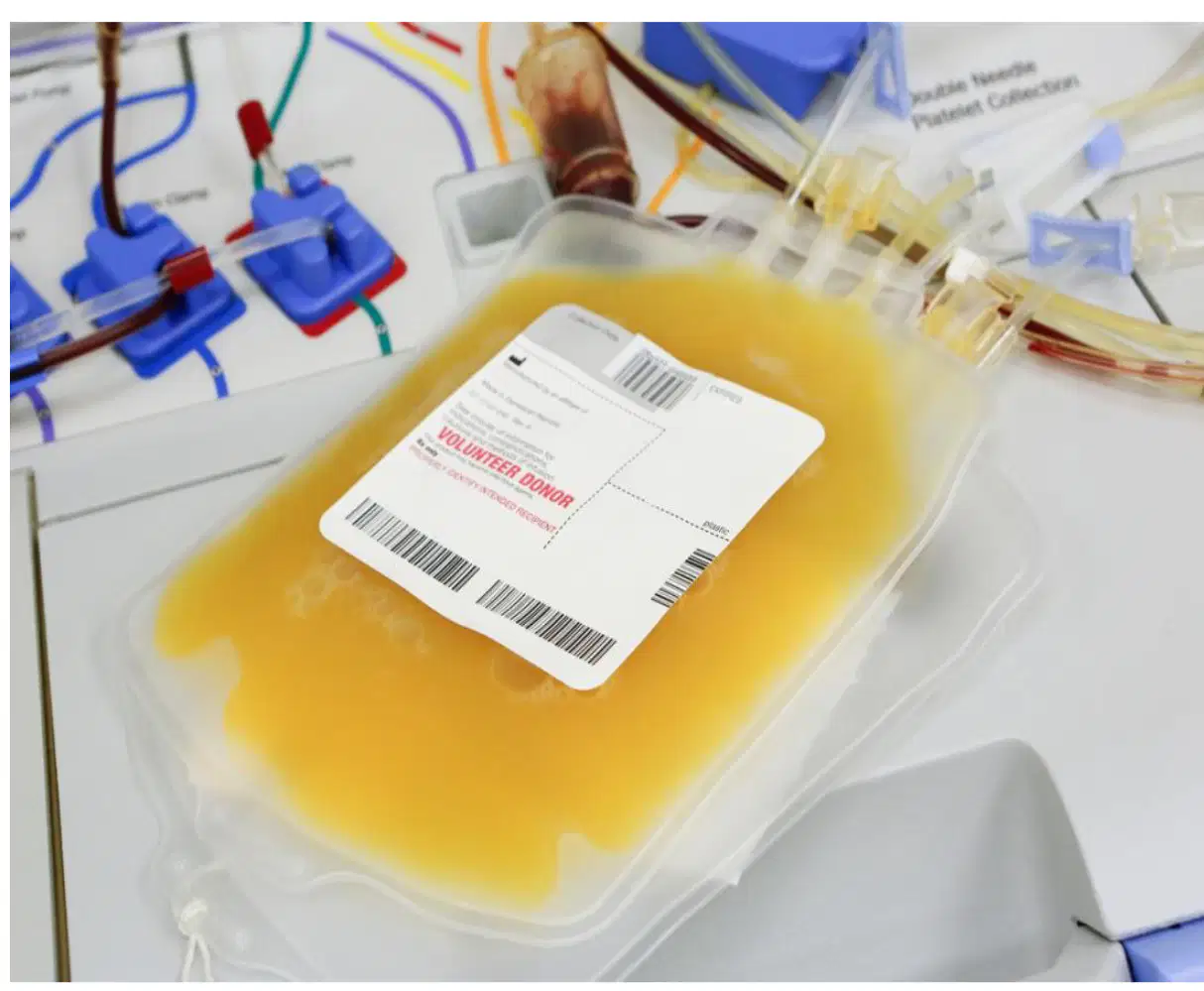
What is the primary role of globulins in blood plasma?
Involved in blood clotting
Involved with the immune system
Transporting oxygen
Regulating blood pressure

Which of the following is NOT an electrolyte found in blood plasma?
Sodium
Potassium
Calcium
Glucose
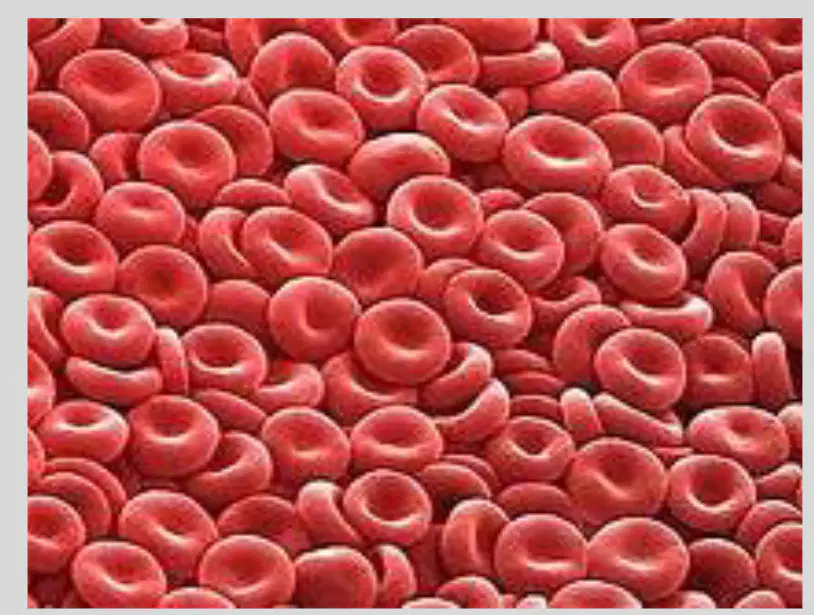
What is the most common formed element in blood?
Platelets
Erythrocytes
Leukocytes
Plasma
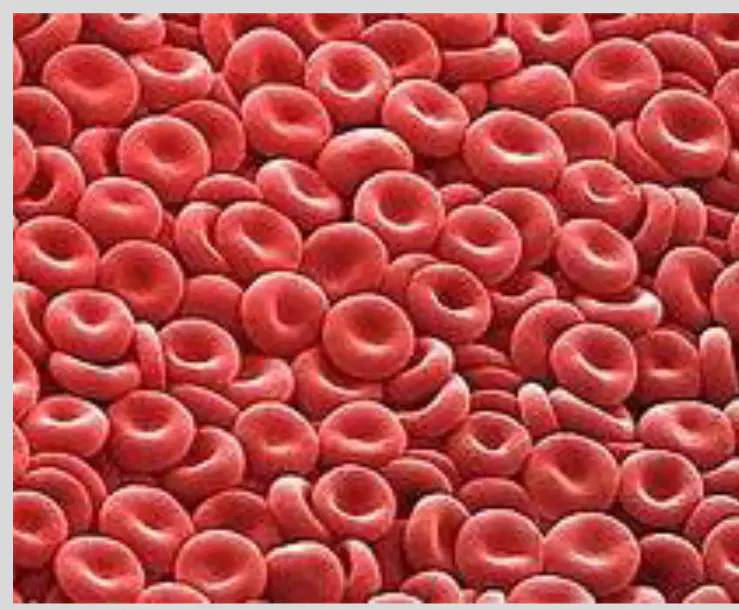
What is the primary function of erythrocytes?
To pick up inhaled oxygen from the lungs and transport it to the body’s tissues.
To produce antibodies to fight infections.
To break down food into nutrients.
To regulate body temperature.
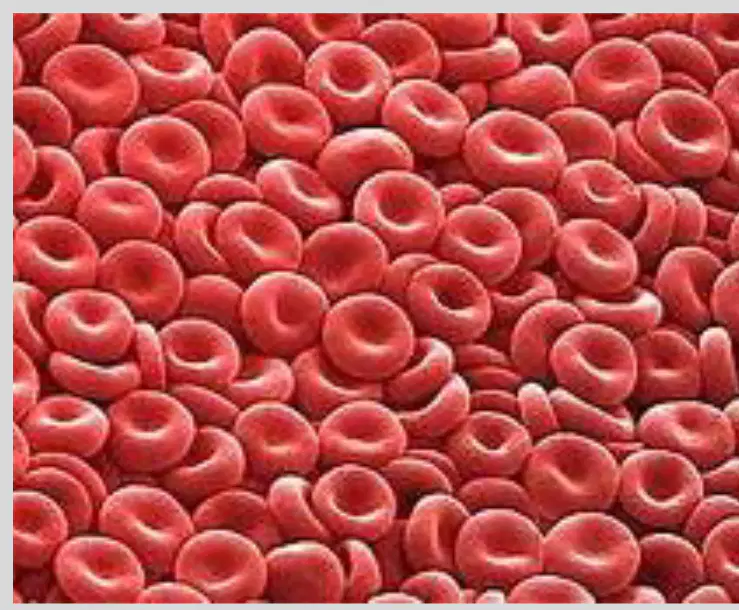
What additional function do erythrocytes perform besides transporting oxygen?
They pick up carbon dioxide waste at the tissues and transport it to the lungs for exhalation.
They produce white blood cells to fight infections.
They regulate the pH level of the blood.
They transport nutrients to the body’s tissues.
What does hematocrit measure in a blood sample?
The percentage of erythrocytes in a blood sample
The percentage of leukocytes in a blood sample
The percentage of platelets in a blood sample
The percentage of plasma in a blood sample
What is the normal hematocrit range for males?
42-52%
37-47%
50-60%
30-40%
What is the normal hematocrit range for females?
37-47%
42-52%
50-60%
30-40%
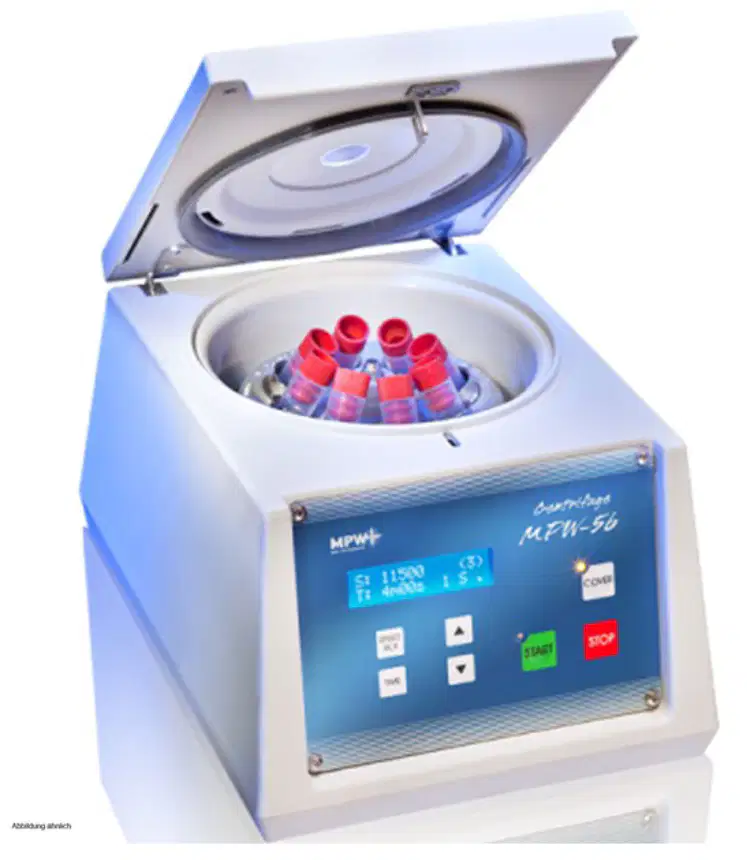
Which device is used to perform the hematocrit process?
Centrifuge
Microscope
Spectrometer
Incubator
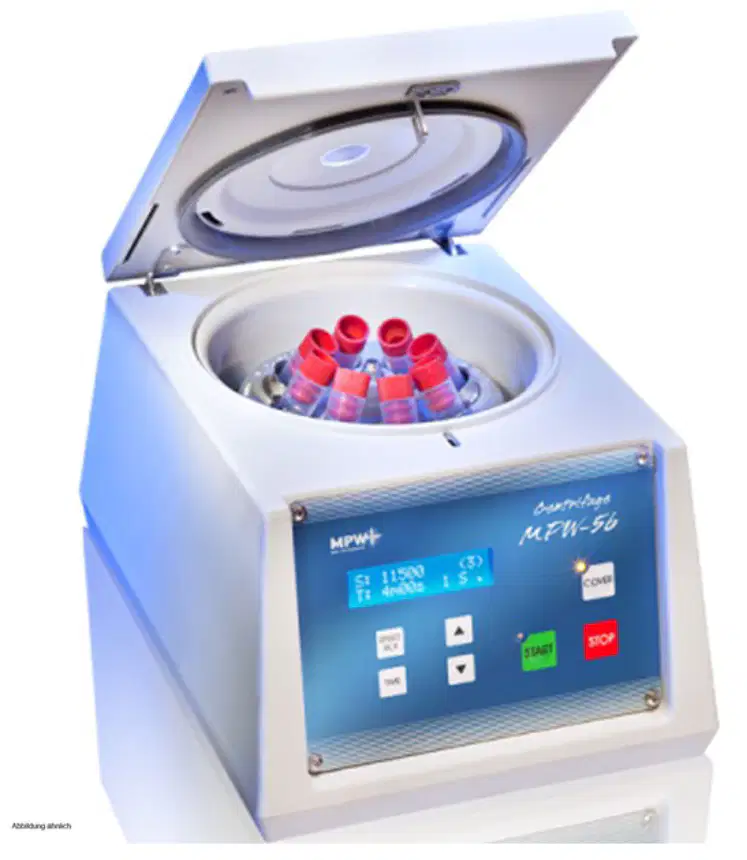
During the hematocrit process, where do erythrocytes settle?
At the bottom
At the top
In the middle
They remain suspended
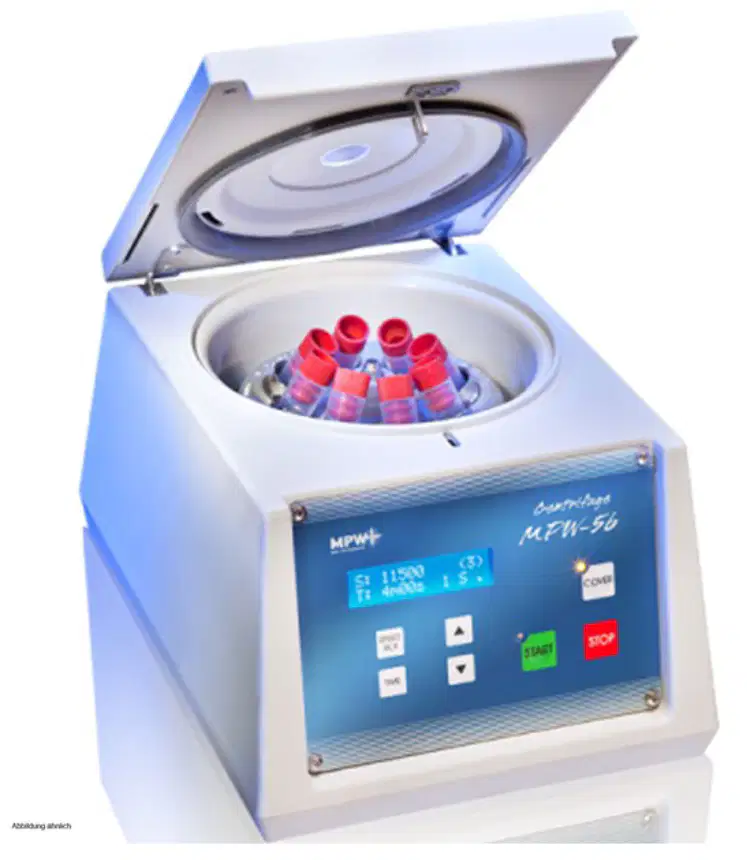
What happens to the lighter, liquid plasma during the hematocrit process?
It remains at the top
It settles at the bottom
It mixes with erythrocytes
It evaporates
How do leukocytes protect the body?
By transporting oxygen to cells
By protecting against invading microorganisms and cleaning up debris
By producing energy for the body
By regulating blood pressure

What is the normal value range of leukocytes per microliter of blood?
1,000-5,000
4,000-11,000
10,000-20,000
500-3,000
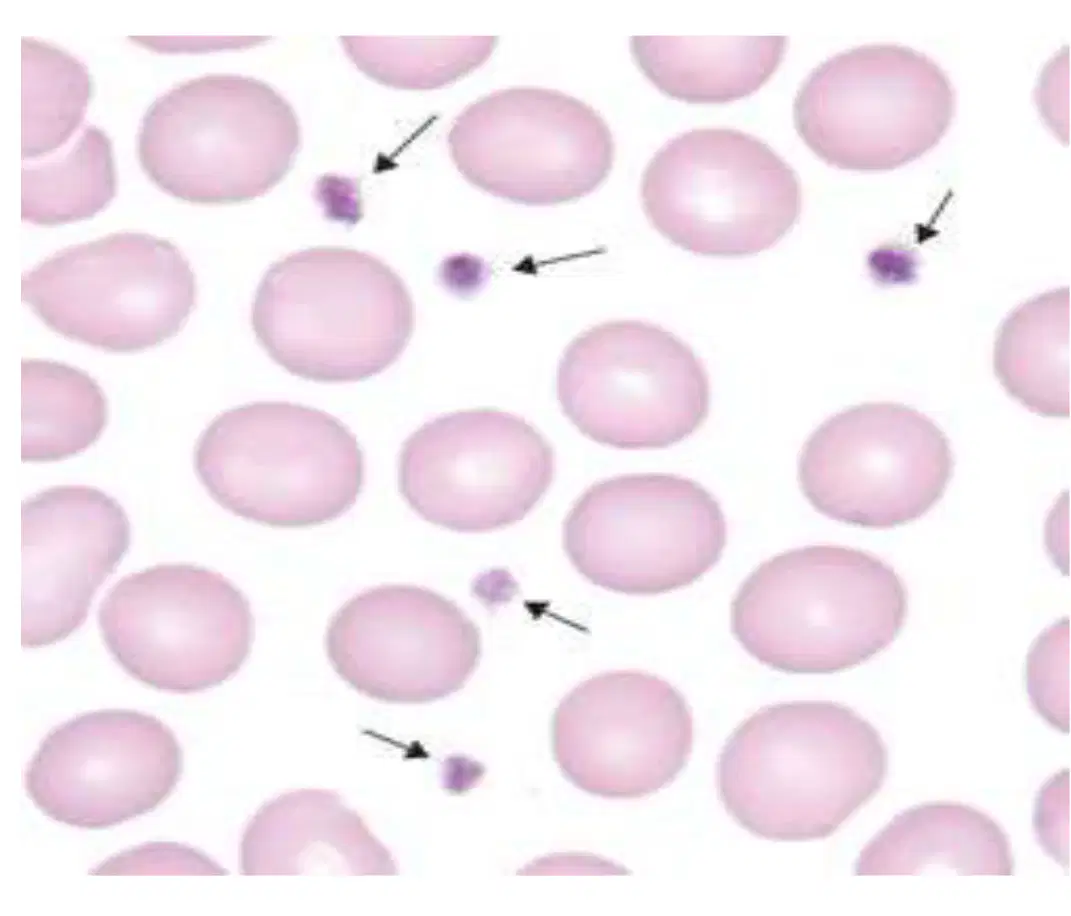
What is the primary function of platelets in the body?
Transporting oxygen
Fighting infections
Critical to hemostasis
Producing antibodies
Which of the following is true of the Residents' Bill of Rights?
Requires a patient to see a facility's on-staff physician
Permits a patient to not pay their out-of-pocket health care expenses
Promotes independence and self-determination
Overrides a patient's civil rights
What is a list of written statements describing proper conduct for a group of people?
Code of ethics
Personal ethics
Bill of rights
Universal morals
Which of the following is a purpose of HIPAA?
Ensure that a patient's medical information is private
Ensure quick access to information for health care providers
Ensure that paperwork is correct when it is submitted for reimbursement
Ensure that all people have insurance coverage
Which patients should be considered infectious?
Pediatric and elderly patients
Patients with a cough and fever
All patients should be considered infectious
Homeless and addicted patients
Which of the following is a subjective observation?
The patient is slurring their words.
The patient says he is in a lot of pain.
The patient has a blood pressure of 130/80.
The patient's urine smells especially pungent.
What should you do if a patient begins to breathe very heavily and complains of dizziness during a transfer procedure?
Help the patient stand for a few moments
Get a co-worker to help you complete the transfer
Return the patient to a sitting position and notify your supervisor
Quickly complete the transfer
A PCT is caring for a patient w COPD and is receiving oxygen therapy. The technician notes that the patient appears restless and is short of breath. Which of the following actions should the technician take?
increase flow of oxygen to patient
notify nurse immediately
Assist patient to ambulate
Lower head of bed
The patient care technician attended an in-service about performing CPR on a patient. When performing CPR, which of the following actions should the technician take?
apply 60-80 compressions per minute, followed by two slow breaths
Apply 100 to 120 compressions per minute, followed by four short breaths
Apply 100 to 120 compressions per minute, followed by two slow breaths
Apply 60 to 80 compressions per minute, followed by four short breaths
When collecting a venous sample, which of the following sites should the PCT attempt to draw from first?
Median cubital
Basilic
Cephalic
Radial
A PCT is transporting a patient using a wheelchair. Which of the following actions should the technician take?
ensure the patients feet are placed on the footrests
place a loose blanket over the patient's legs
fasten the seatbelt loosely around the patient's waist
pull the back wheels onto the curb first when going up a curb
A PCT should identify that adjusting a patient's bed to be between 60 and 90 degrees will place the patient in which of the following positions?
Fowler's
Orthopedic
Semi-Fowler's
High Fowler's
A PCT is to perform a venous blood draw for a 91 year old patient. The technician should use which of the following methods?
butterfly needle and syringe
hand draw
capillary collection
vacutainer collection
A PCT enters a patient's room and is approached by visitors requesting test results. Which of the following responses by the technician is appropriate?
the doctor needs to give you that information
the lab values were all within the expected reference range
I am sorry, I can't give you that information
I'll ask the nurse to give you that information
A PCT is caring for a patient who is 24-hr postoperative following a total hip arthroplasty and has a surgical wound. Which of the following should the technician identify as an indication of potential wound infection?
serosanguineous drainage
general discomfort at the incision site
oral temp of 98.2 F
increased warmth around incision site
Which of the following organizations provides guidelines for identifying and preventing spread of infectious diseases?
CDC
OSHA
FDA
NIOSH
A PCT is preparing to obtain and process a urine drug test for a patient. Which of the following actions should the technician plan to take?
seal the specimen lid with the label with the chain of custody form
check the specimen's temperature within 10 minutes of receiving the specimen
ship the specimen to a testing laboratory the next day
instruct patient to flush toilet following voiding
A PCT should recognize that health care facilities are required by which of the following entities to keep safety data sheets available?
OSHA
TJC
CLIA
CLSI
After drawing six vials of blood for a patient, a PCT finds that two of the six vials are expired. Which of the following actions should the technician take?
notify the manufacturer
discard the expired vials
submit vials for testing with superviser approval
place new expiration date labels on the expired vials
A PCT is caring for a patient who has a two piece colostomy system in place. Which of the following actions should hte technician take when providing ostomy care?
Apply pressure for 30 seconds when applying the skin barrier wafer
cut the skin barrier wafer to be .25 in larger than the stoma
verify that the stoma is moist and reddish pink color
cleanse the skin around the stoma with hot soapy water
A PCT is obtaining a patient's apical pulse. The techician should measure the pulse at which of hte following locations?
first intercostal space
5th intercostal space
7th intercostal space
10th intercostal space
A PCT is instructed to measure a patient's pulse manually. Which of the following actions should hte technician take?
locate radial artery, feel pulse with index and middle finger
locate radial artery, use thumb
locate brachial pulse, use thumb
place center of palm over patient's chest
A PCT is getting ready to dispose of a dressing that is heavily soiled and leaking fluid. Which location should this dressing be disposed of?
Toilet
Biohazard bag
Moisture-resistant bag
Trash can
All trash from a patient with Contact Precautions should be
disposed of in a ____________ ________.
Biohazardous Bag
Sharps Container
Water proof trash bag
According to the CNA guidelines for the state of Texas, the
minimum amount of time required to adequately wash hands is
______ _________.
15 sec
20 sec
30 sec
10 sec
You are going to give a resident a bath. Which will protect the person’s rights?
Opening the window shades so that the person can see outside
Closing the privacy curtain
Avoid draping the person to prevent chilling
Opening the door to the person’s room
Before entering a person’s room for am care, you should:
Check to see if the person has visitors
Get the person’s attention
Check to see if the person is in the bathroom
Knock on the door and wait to be asked in
When providing care,
Do whatever is instructed by your supervisor without question
Never allow a person to refuse a procedure
Always respect the person and his belongings
Scope of practice is not a concern
Mrs. Williams has dementia and has refused her bath. Her daughter is named as Mrs. William’s power of attorney for health care and the daughter has signed consents for hospital treatment. You should:
Return later and try to bathe the resident at that time
Call the daughter and ask her what to do
Force the resident to get her bath
Honor the refusal and not bathe her
Routine oral hygiene should be performed:
Once a day
Every two hours
Three times a day
In the morning and before bed
After shaving a resident, put the disposable razor
In the sharps container
In the bathroom
In the trash can
In the top drawer of the patient’s bedside table
When bathing a resident, you should
Wear gloves only when washing the perineal area
Wear gloves only if the resident has a contagious disease
Wear gloves before beginning the bath and remove them when the bath is completed
Apply gloves before contact with mucous membranes and nonintact skin
When observing the skin of an elderly, frail female resident, where should you look first?
Under the breasts
Between the legs
At the elbows and tailbone
Around the neck and ears
Mr. Connors had a stroke, and his left side is paralyzed. When helping him dress, which arm should you put into the sleeve of his pajama top first?
Right arm
Strongest arm
Weaker arm
It doesn’t matter
When washing the female genitalia, always wash:
From front to back
From side to side
From back to front
It doesn’t matter
When washing a resident’s eyes,
Use liquid soap and wash from inner corner to outer corner
Use bar soap and wash from outer corner to inner corner
Never use soap and rub back and forth
Never use soap and wash from inner corner to outer corner
When drying a resident,
Allow the skin to air dry
Rub the skin dry
Avoid drying between the toes
Pat dry and dry well between skin folds
Which of the following is a reason why oral hygiene is performed?
To treat dental problems
To prevent mouth odors and infection
To prevent aspiration
Shave the resident’s neck using:
Upward strokes
Downward strokes
Lateral movement
Back and forth strokes
When giving a bed bath, wash in this order:
Hands, arms, face, trunk, legs, back, perineal area
Face, trunk, arms, back, perineal area, legs
Face, arms, trunk, legs, back, perineal area
Face, trunk, perineal area, arms, legs, back
When providing perineal care, you should:
Protect the resident’s privacy
Remove the top linens to keep them dry
Place the resident on the bedpan at the completion of perineal care
Change the soiled incontinence pad after perineal care
Soaking dentures in solution eliminates the need for brushing
True
False
The resident chooses what they wish to wear
True
False
Daily brushing and combing prevent tangled and matted hair
True
False
Perineal care refers to washing the genitals and the anus
True
False
A partial bath consists of bathing the axilla, hands, perineal, and face.
True
False
Some agencies prohibit nursing assistants from cutting or trimming toenails. It is important to follow the agency’s policy
True
False
When providing hand and fingernail care, the hands should be soaked in hot water for 15 minutes
True
False
What is the optimal temperature of patients' bathing water?
About 30 to 32 degrees Celsius (86 to 89.6 degrees Fahrenheit)
About 37 to 38 degrees Celsius (98.6 to 100.4 degrees Fahrenheit)
About 25 to 27 degrees Celsius (77 to 80.6 degrees Fahrenheit)
About 41 to 45 degrees Celsius (105 to 110 degrees Fahrenheit)
2. which of the following is part of a person's activities of daily living ?
(A)Mending torn clothing items as needed
(B)Removing soiled bed linens and replacing them with clean linens
(C)eating and drinking
(D)emptying the trash
3. Adaptive devices are used to.......
(A)Help residents with handwashing
(B)Help residents to perform activities of daily living
(C)Help residents learn to adapt to new roommates
(D)Help residends to use wheelchairs
5. Which of the following statements best describes the care team?
(A)THe care team is a group of people who specialize in psychiatric care
(B)The care team is a team of caregivers who are not licensed
(C)The care team is a group of medical professionals who provide care for each other
(D) The care team is a group of people with different kinds of educational backgrounds who give resident care
7. The concept of continuity of care is based on...
(A) Giving caregivers regular breaks during daily care of residents
(B) Assigning resident care to a wide variety of people who are not able to communicate with each other regularly
(C) Coordinating resident care on an ongoing basis
(D) Including family members in daily resident care
8. To delegate in a nursing facility means to.......
(A) Transfer the care of a resident to a physician
(B) Transfer the responsibility for a task to another team member
(C) Inform a nurse that a caregiver is unable to complete a task
(D) Communicate to a nurse that a complaint has been filed against a staff member
10. ________ care involves the whole person, including his or her physical, social, emotional, and spiritual need
(A) Hieroglyphic
(B) Holistic
(C) Holographic
(D) Histrionic
9. The identification of a disease by its signs and symptoms, as well as testing, is called.....
(A) Differential
(B) Didactic
(C) Disability
(D) Diagnosis
15. __________ is a program of care given by a specialist or team to help restore or improve function following an illness or injury.
(A) Adaptation
(B) Renovation
(C) Rehabilitation
(D) Conversion
19. Under what condition is wearing artificial nails in a long-term care facility acceptable?
(A) They may be worn as long as the nails are clean, short, and filed
(B) They should not be worn in care facilities.
(C) They should be worn only at special events at facilities.
(D) They may be worn as long as hands are washed frequently
What must be done if a healthcare worker comes into contact with a patient’s blood or bodily fluid?
They must wash their hands immediately.
They must be tested for HBV and HIV.
They must report the incident to their supervisor.
They must wear gloves for the rest of the day.
Why is patient education important?
It helps patients understand their medical bills.
It ensures patients can collect specimens themselves if needed.
It allows patients to diagnose their own illnesses.
It reduces the need for healthcare workers.
What regulates laboratory testing?
The Clinical Laboratories Improvement Amendments
The Laboratory Testing Standards Act
The Medical Testing Regulations Act
The Patient Safety and Testing Act
What is the purpose of quality control testing?
To ensure patient comfort during testing
To make sure that equipment is working properly and that patient test results are reliable
To reduce the cost of laboratory tests
To increase the speed of testing procedures
A ____________________ is a sample that represents a whole.
Specimen
Culture
Blood sample
Urine sample
Why are routine urine specimens often collected from the first void of the day?
The first void of the day is the most concentrated
Patients are most cooperative in the morning
The sample must be received by the lab before the end of the day
It is the most diluted void of the day
Which of the following best describes a clean-catch urine specimen?
A specimen collected from an ambulatory patient.
A specimen collected from a catheter.
A specimen using a sterile collection cup.
A specimen free from contamination from the genital area.
When should a 24-hour urine specimen begin?
First void of the day
Second void of the day
Last void of the day
It does not matter

