
 Worksheets
World History Units 1-4 Midterm (Pre-History - Bronze Age)
Total questions: 112
Worksheet time: 56mins

The _______ Age was the time between about 3000 BCE & 1150 BCE, where people began to make tools with stronger metal and the first empires began.
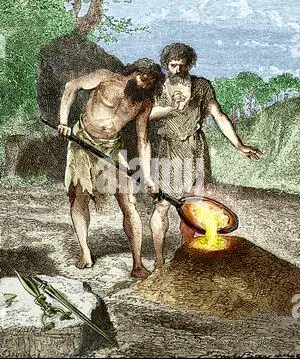
Bronze is made by combining and smelting what two metals?
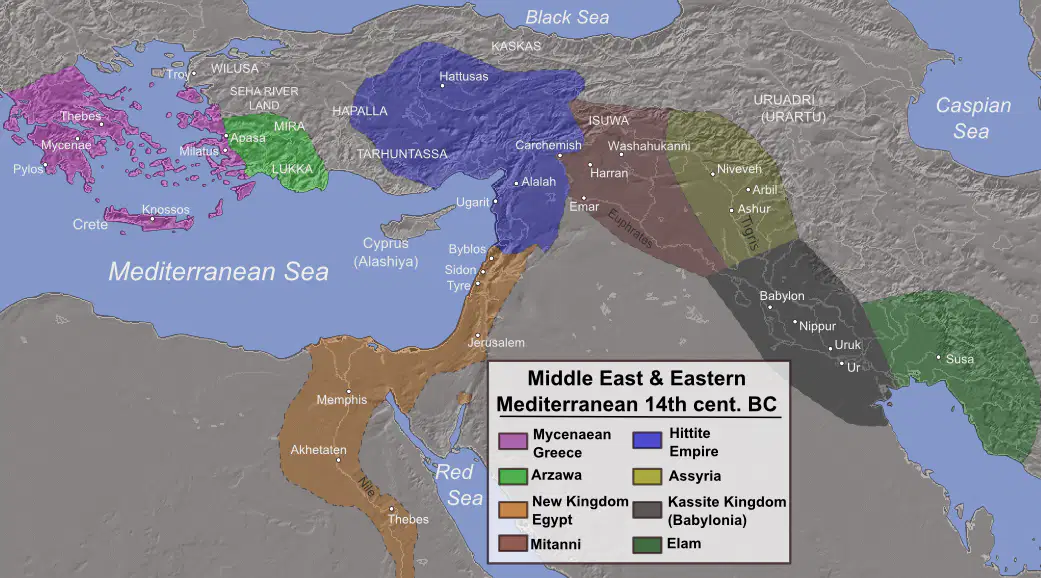
An ________ is when one leader or group rules over many lands and different groups of people.
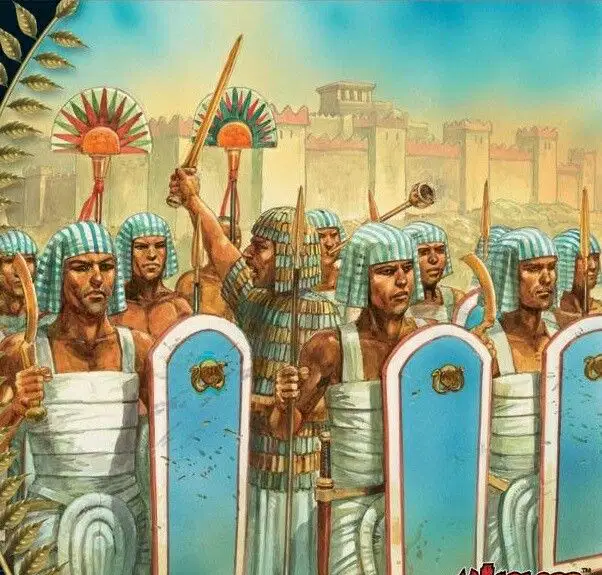
Empires gained territory by conquering other places. What does it mean to conquer?
To take control of a territory or people by force.
To trade goods and services with other nations.
To build alliances with neighboring territories.
To negotiate peace with others.

What is a bureaucracy? (Pronounced "Bure-Ock-Ruh-See")
A group of officials and workers who help run a government.
A type of social club focused on fun activities.
A trade route where people sell tin & copper
A casual group of people working together without rules.

In order to keep control of their new territory, empires created the first _________ so people had rules they must follow.
Advisements
Commandments
Code of Laws
Policies

What is a trade network?
A group of people who only barter items.
A system of routes where people can buy, sell, or exchange goods across long distances.
A collection of local markets without connections.
A system that restricts the flow of goods and services.
New trade routes meant that people began interacting with groups from faraway places, leading to a process called _________ __________.
political exchange

The first empire ever was called the ________ ______, created in Mesopotamia by a strong leader named Sargon

The ______________ is a region of the world where Europe, Africa, and Asia meet - making it a very important region for trade.
Mediterranean
Bermuda Triangle
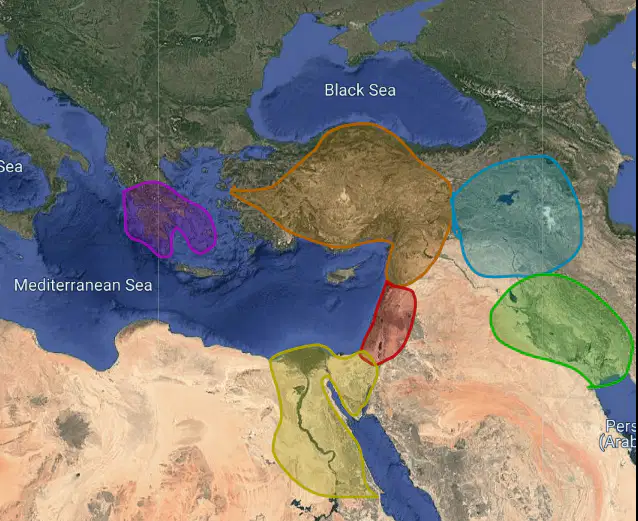
In which part of the Mediterranean region did most empires in the Bronze Age appear?
Northern Mediterranean
Eastern Mediterranean
Western Mediterranean
Southern Mediterranean
Which of these is NOT a reason that most empires in the Bronze Age began in the same place?
This area was close to important resources like copper and tin
This area had good conditions for farming
This area had easy access to the Mediterranean Sea for trading
This area used to be ruled by one giant empire, so they all came from the same civilization
The Odyssey & The Iliad are both stories written in what Bronze Age civilization?
Assyrian Empire
Mycenaean Greece
Hittite Empire
Phoenician City-States

The stories of The Iliad and The Odyssey are both based on the story of what mythical war?

What is one way that the geography of the Empires in the Bronze Age were different from the River Valley Civilizations in the Copper Age?
Bronze Age Empires still relied on irrigation and farming
Bronze Age Empires were larger and covered different areas of land
Bronze Age Empires were usually in cold, snowy areas
Bronze Age Empires were smaller and stayed near rivers
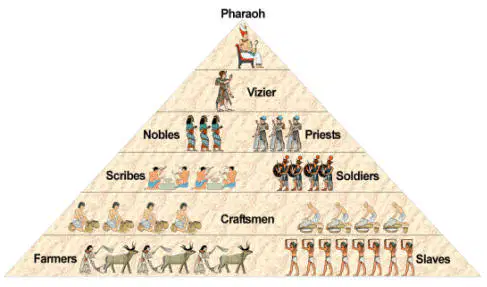
What is one way that the society of the Empires in the Bronze Age were different from the River Valley Civilizations in the Copper Age?
Bronze Age social structures were smaller and more simple
Bronze Age social structure had less roles for people in society
Bronze Age social structure was larger and more complex
Bronze Age social structure did not play a big role in daily life
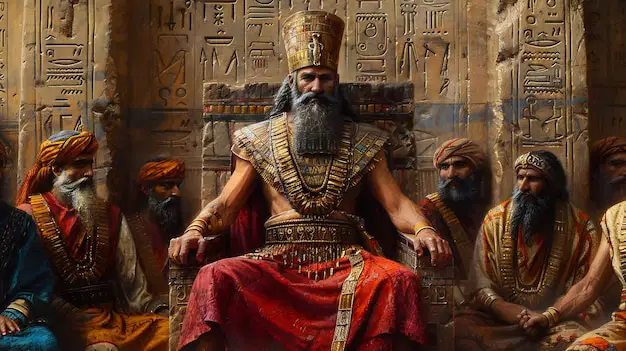
What is one way that the politics of the Empires in the Bronze Age were different from the River Valley Civilizations in the Copper Age?
Bronze Age governments were smaller
Bronze Age governments did not make laws
Bronze Age governments ruled over less people
Bronze Age governments were larger and ruled over more people
What is one way that the innovations of the Empires in the Bronze Age were different from the River Valley Civilizations in the Copper Age?
Bronze Age innovations were focused on farming
Bronze Age workers used copper tools
Bronze Age innovations focused on irrigation
Bronze Age innovations focused on making empires stronger and more advanced
What is one way that the culture of the Empires in the Bronze Age were different from the River Valley Civilizations in the Copper Age?
Bronze Age culture was connected to religion
Bronze Age people believed in many gods and goddesses
Bronze Age culture was usually smaller and local
Bronze Age culture spread further and different cultures shared ideas

What is one way that the economics of the Empires in the Bronze Age were different from the River Valley Civilizations in the Copper Age?
Bronze Age economies were mostly based on farming
Bronze Age civilizations did not trade as much
Bronze Age trade became smaller
Bronze Age civilizations traded over longer distances
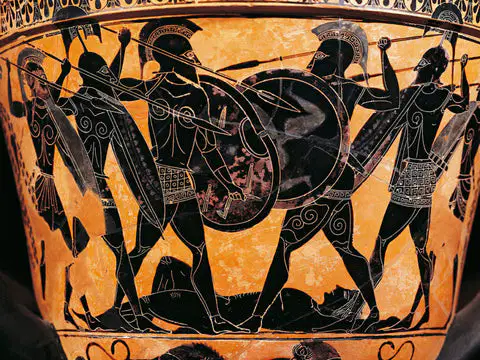
What is Mycenaean Greece most well known for?
Creating the first democratic government
For inspiring many Greek legends, myths, and stories
Having the strongest military
Making the first bronze weapons and armor
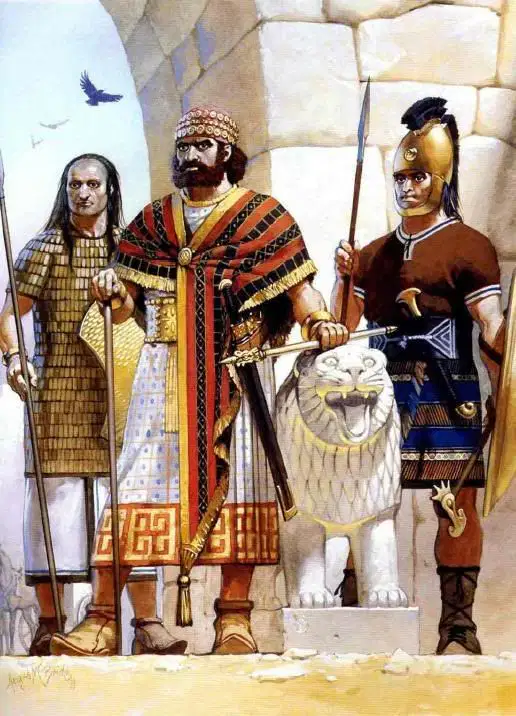
What is the Hittite Empire most well known for?
Creating the first democratic government
Creating the first ever written code of laws
Having the strongest military
Being the first to make iron weapons and armor

What is the Babylonian Empire most well known for?
Creating the first democratic government
Creating the first ever written code of laws
Having the strongest military
Getting more powerful from trade instead of conquest
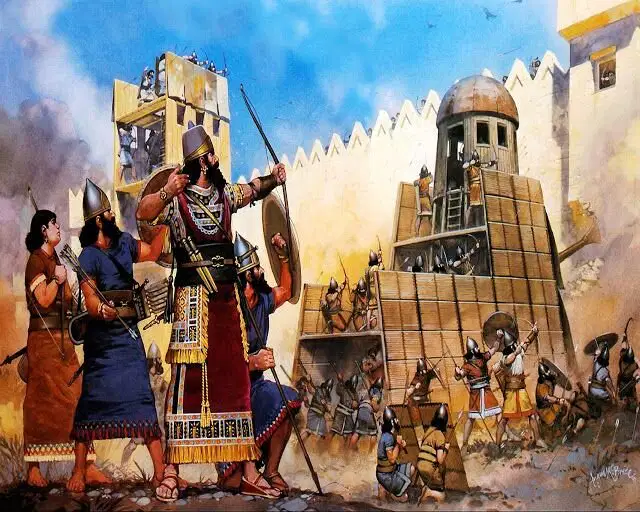
What is the Assyrian Empire most well known for?
Creating the first democratic government
Large monuments and lasting culture
Having the strongest military
Getting more powerful from trade instead of conquest
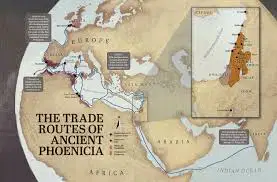
What is Phoenicia most well known for?
Creating the first democratic government
Large monuments and lasting culture
Creating the first copper weapons and tools
Getting more powerful from trade instead of conquest
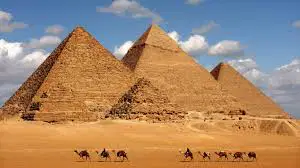
What is Egypt most well known for?
Creating the first democratic government
Large monuments like the pyramids and lasting culture
Creating the first copper weapons and tools
Creating the first ever bronze weapons and armor

_________ are areas near large rivers where the soil was rich and good for farming.
River Valleys
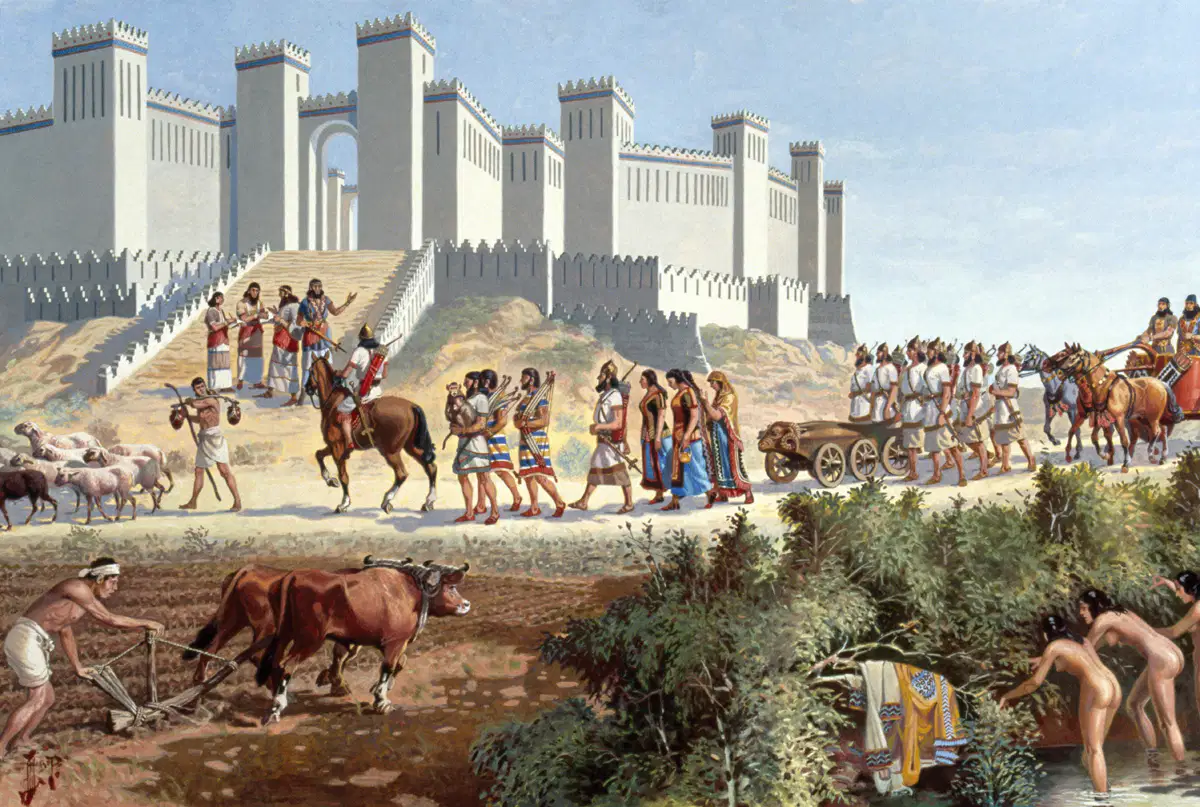
A __________ is a community of people with a shared identity and government
sovereign
civilization

Independent cities that ruled the land around them and had their own laws are called ___________.

The _____________ was an area of land in the Middle East & Africa, known for having good conditions for farming.
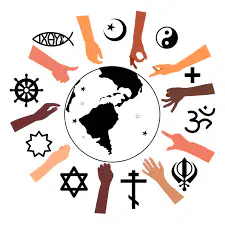
________ is a system of faith and beliefs about the world, usually involving a god or multiple gods.
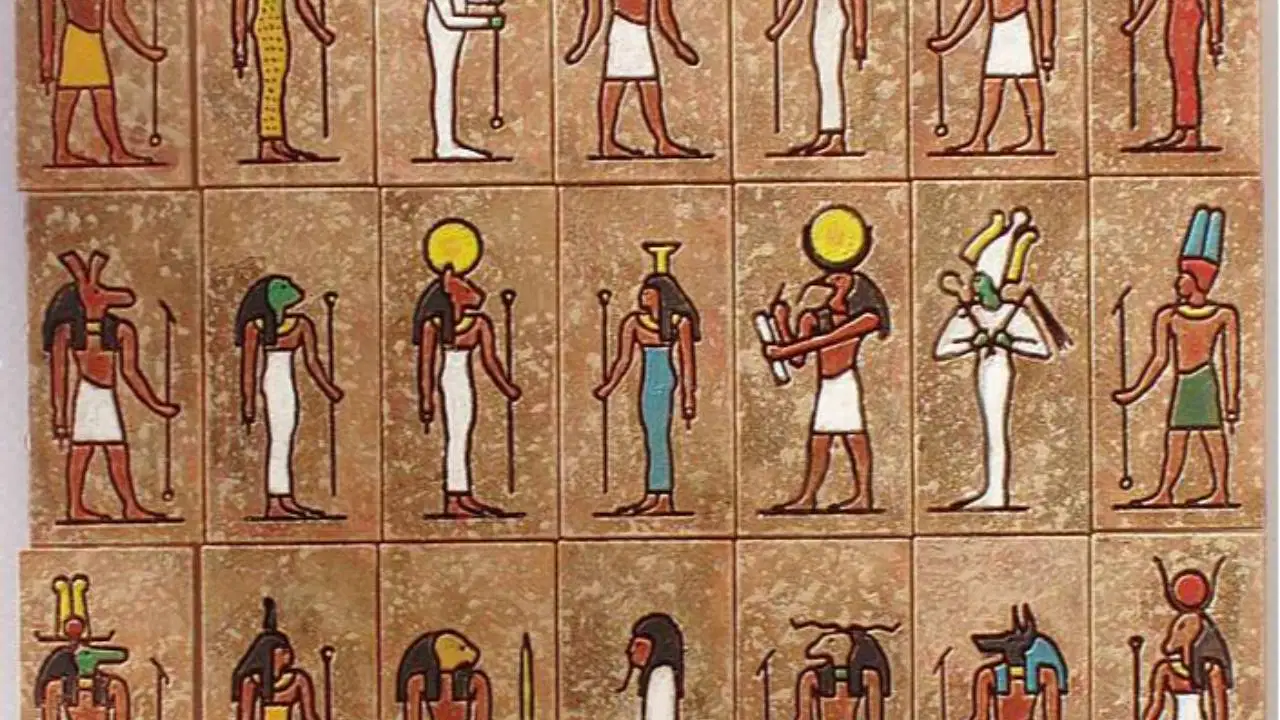
__________ is the belief in many different gods.
democracy
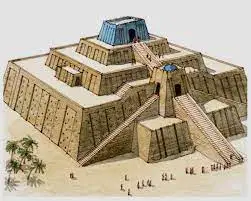
Found in Mesopotamia, a _________ was a big pyramid-like tower, built to honor the gods
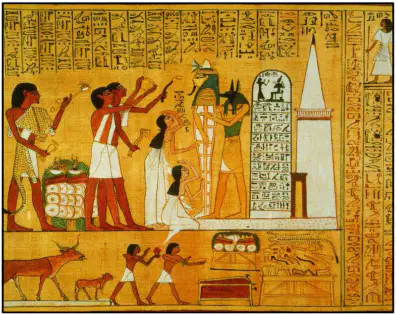
__________ is a government based on religion in which decisions are made by religious leaders

A ________ is a government in which decisions are made by a single leader, usually called a king or a queen.
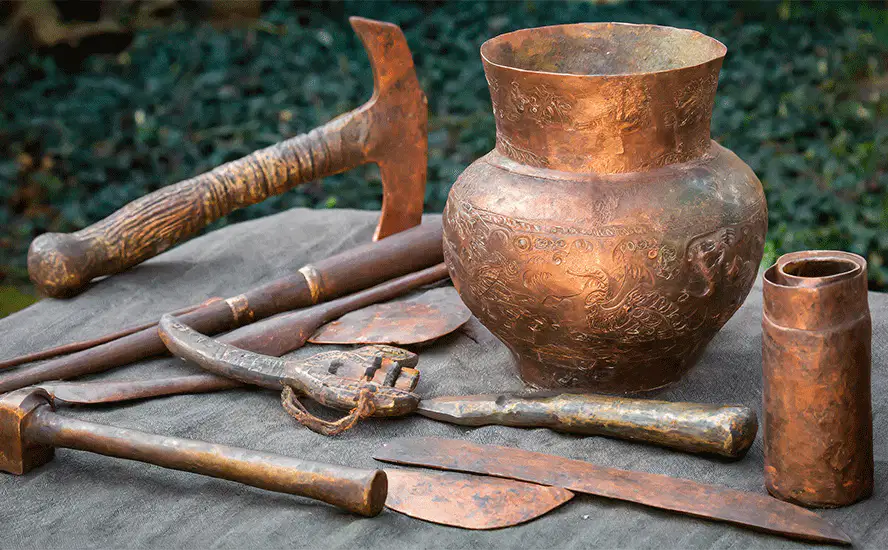
The ________ Age came after the Neolithic Age, and was defined by the use of the first metal tools.
The Copper Age began at the end of the Neolithic Age, around the year _______.
1000 CE
1000 BCE
500 BCE
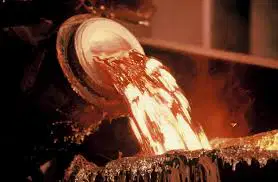
In order for copper to be made into tools, it had to be melted down and then cooled through a process called ______.
basing

The first civilizations in human history are called ____________________, due to how close they are to major river systems.

The first river valley civilization began in the region of ______, in southern Mesopotamia.
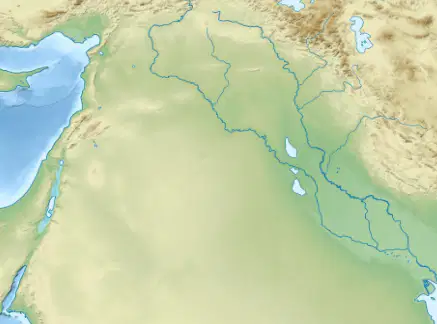
What two rivers surrounded Mesopotamia?

Which of these is NOT a major development from the Neolithic Age to the Copper Age?
People begin making metal tools
The first civilizations begin near major rivers
People start using iron weapons
People develop written languages

The first system of writing, created in the Sumer region of Mesopotamia, was called _________.

Sumerians wrote on tablets made of ____.

Which letter on the map shows the location of Mesopotamia?
A
B
C
D
Which letter on the map shows the location of Egypt?
A
B
C
D
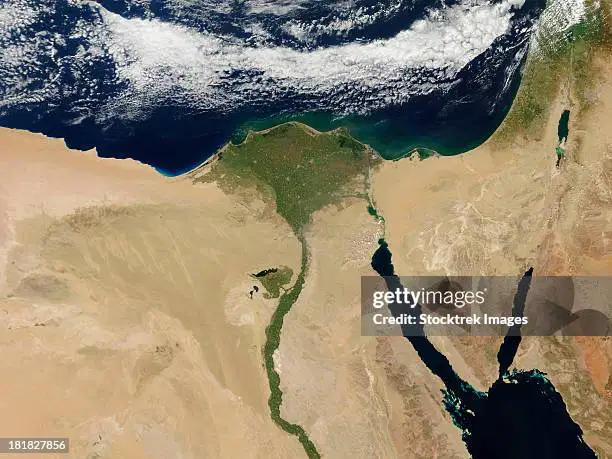
What river did Ancient Egyptians depend on?

In what continent are Egypt & the Nile river located in?

_________ were the rulers of Ancient Egypt
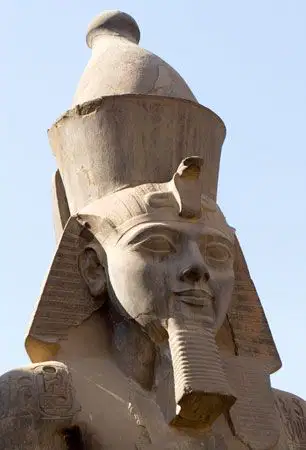
What was the role of the Pharaoh in Ancient Egypt? (Select all that apply)
King
God
Religious Leader

The writing system invented by the Ancient Egyptians is called _____________.
hieroglyphics
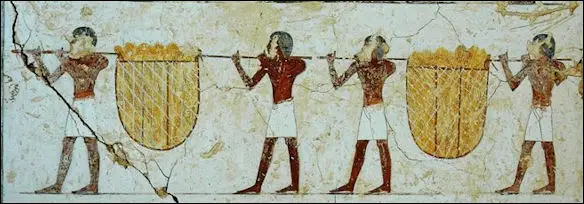
Which of the following groups was at the BOTTOM of the Egyptian social structure?
Craftsmen/Artisans
Farmers
Nobles/Priests
Slaves/Laborers
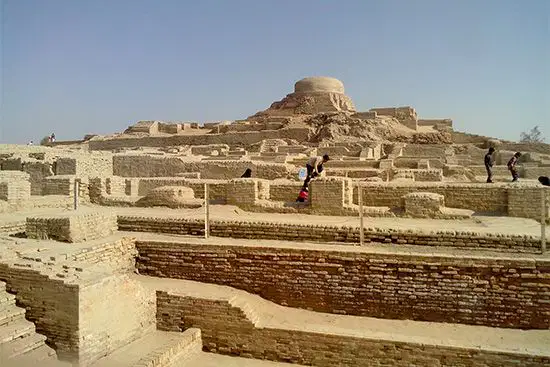
The ___________________ Civilization was one of the 4 major river valley civilizations that appeared in South Asia.

The Indus Valley Civilization depended on the _______ River.

What is the name of the advanced, large city in the Indus Valley Civilization that was one day mysteriously abandoned?
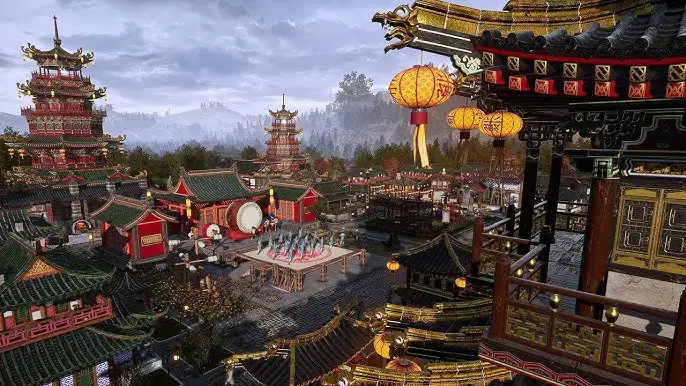
_____________ was one of the 4 major river valley civilizations that appeared in East Asia
Sumer
Ancient China
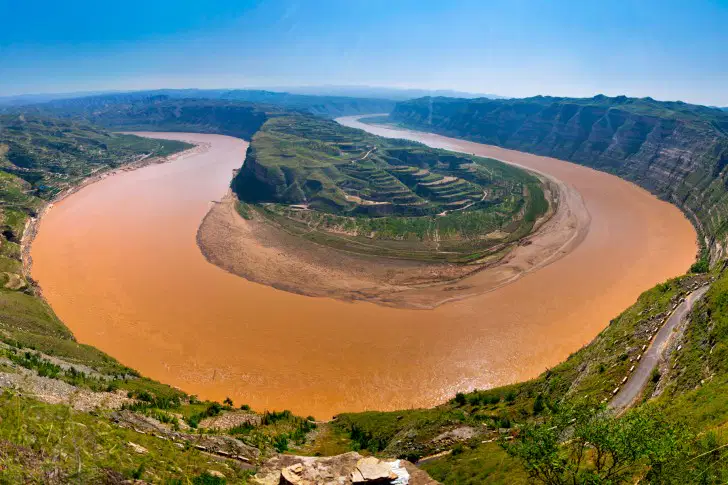
Ancient China depended on the _______ River
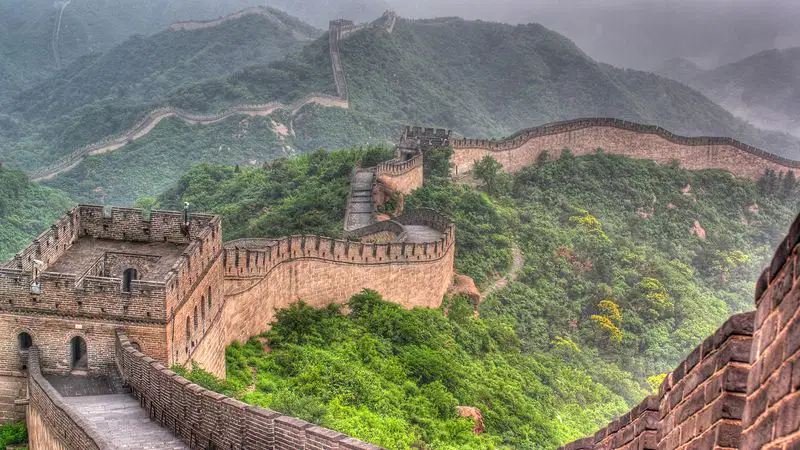
The ________________________ was built by Chinese Emperor Qin Shi Huang to protect China from attacks

China kept how ____ was made a secret for over 2,000 years!
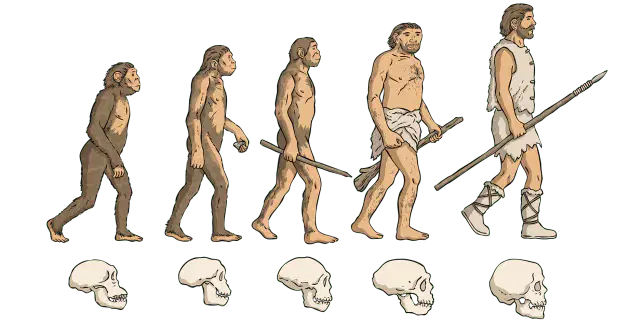
The process in which life changes over millions of years to survive better in its environment.
Moleculization
Evolution
Naturalization
Mutation

Someone who survives by hunting animals for meat and gathering food and materials is called a ______________.
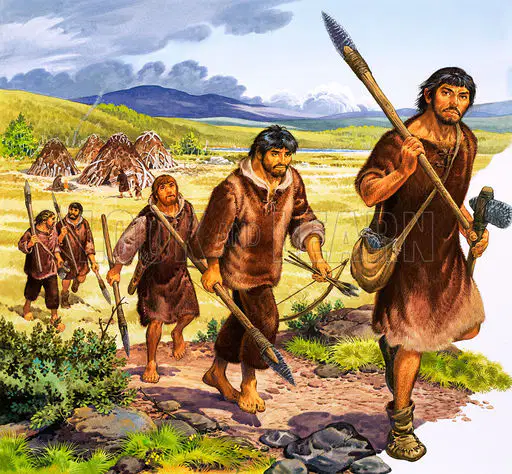
A person who never settles or stays in one place is considered __________.
Nomadic
Sedentary
Grefandic
Settlest

The first age of human history is called the ___________ Age, and was a time when people worked together to survive, and used simple stone tools to hunt and prepare food.
Bronze
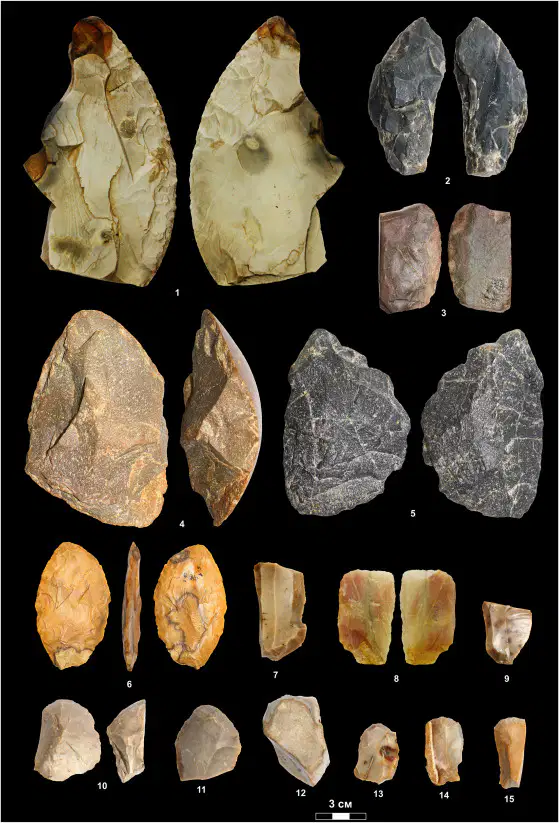
Paleolithic literally means ___ ______, because people during this time used stone tools that were not very advanced.
True or False: The Paleolithic Age is by far the longest age of human history.
True
False
When did the Paleolithic Age happen, based on the calendar we use?
From the beginning of humans to about 10,000 BCE
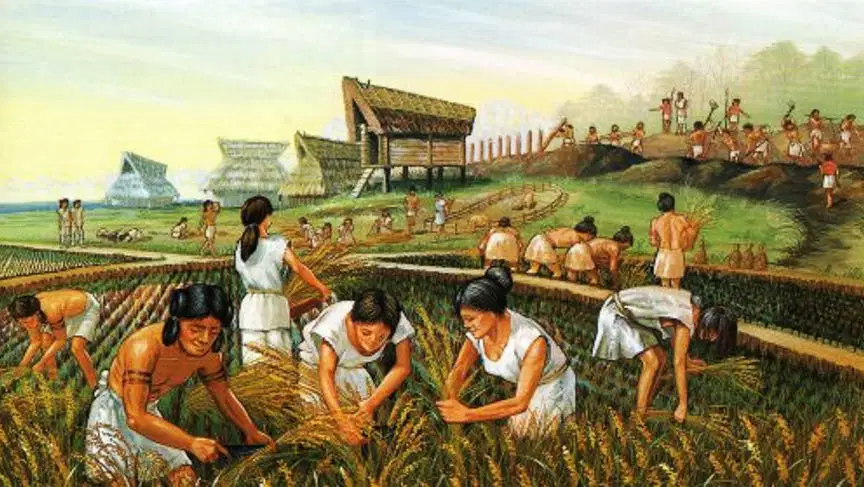
The practice of farming with plants and animals is called _________.

A ___________ is a major change in the way people live.
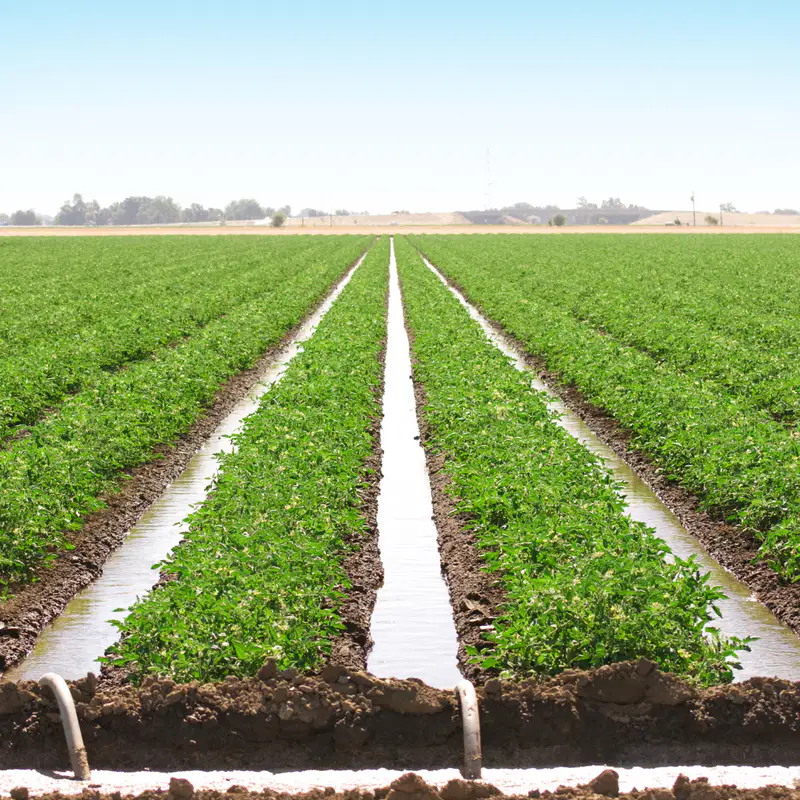
The process of getting water to crops is called __________.

_____________ is when animals are trained to live with and help humans survive.
Animal Management
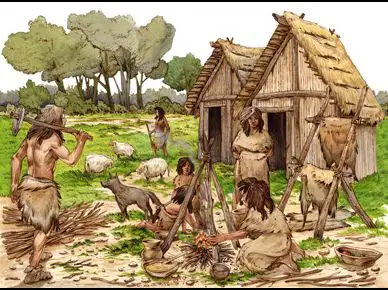
Someone who never settles in one place is called Nomadic.
Someone who settles in one place and stays there is considered __________.
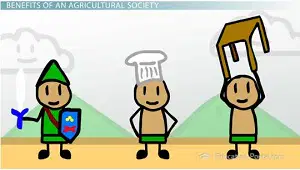
_____________ is when people in society are able to focus on one type of job, like making tools, weaving cloth, or trading goods.
Jobization
Segmentation
Diversification
Specialization
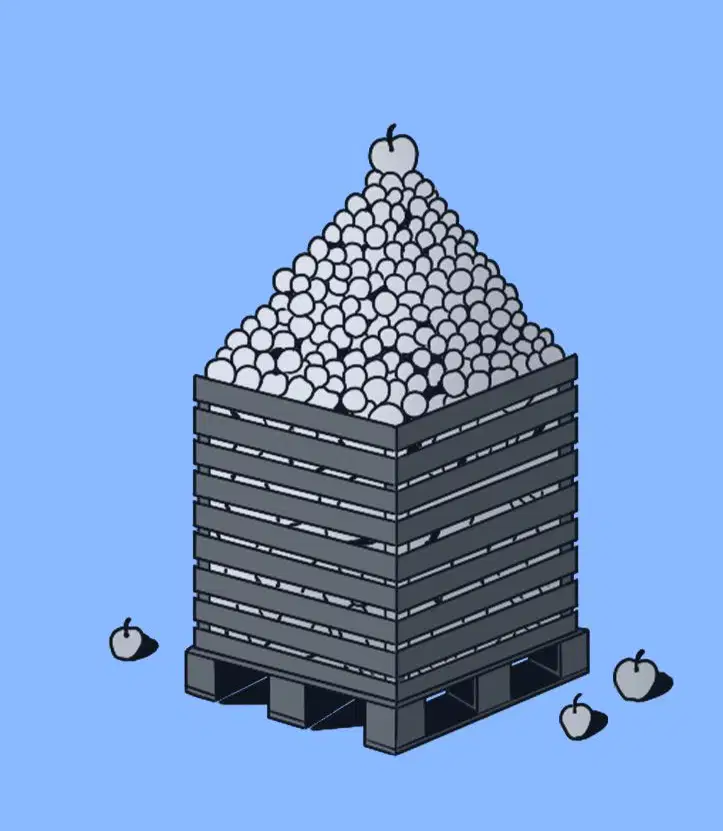
A _______ is when you have more of a resource than you need.

The number of people in an area is called the ___________.
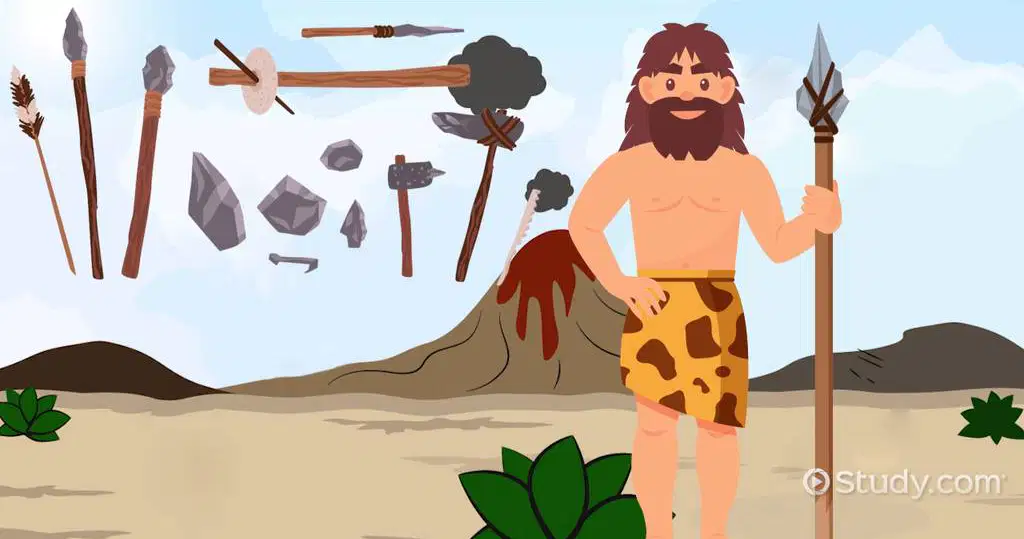
The second age of human history, coming after the Paleolithic age, was called the _________ Age - a time when farming, villages, and new ways of life began to shape human history.
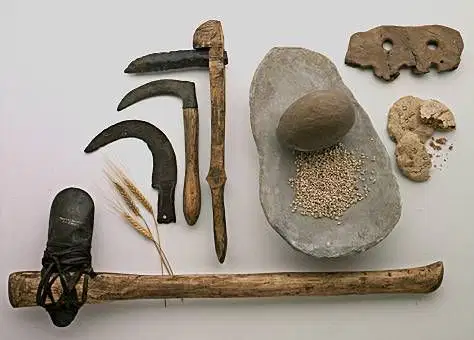
Neolithic means ___ _____ because during this age, people started developing more advanced stone tools.
When did the Neolithic Age happen, based on the calendar we use?
8000 BCE to 1 BCE
10,000 BCE to 5,000 BCE
1000 CE to 2000 CE
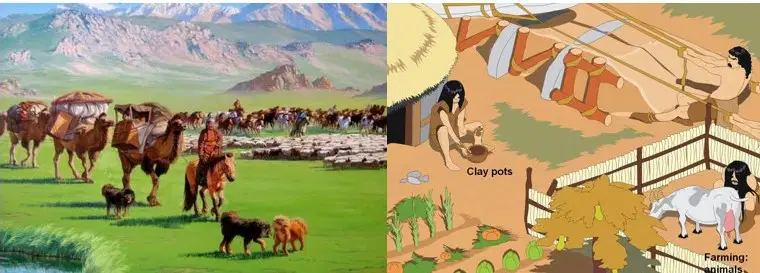
If nomadic means you never settle in one place, then the opposite of nomadic would be ____________.
temporary
dynamic
migratory
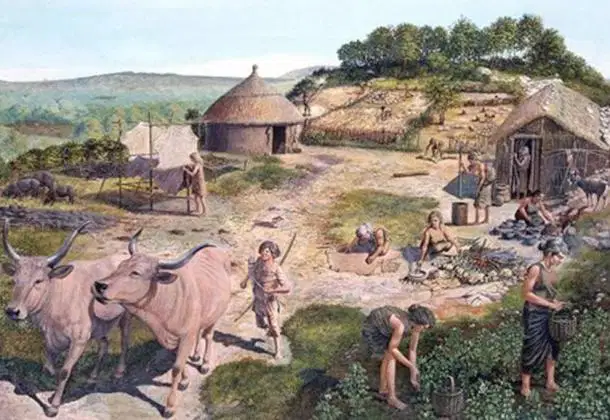
Agriculture is farming with...
Just plants
Just animals
Plants and animals
None of these

About how old is the Earth?
About 2 billion years old
About 1 trillion years old
About 4.5 billion years old

About how old is life on Earth?
About 10 billion years old.
About 3.8 billion years old.
About 2 million years old.

About 1 billion years ago, life evolved from being ______ celled to _______ celled.
single celled to multi celled
multi celled to poly celled
multi celled to single celled
single celled to double celled
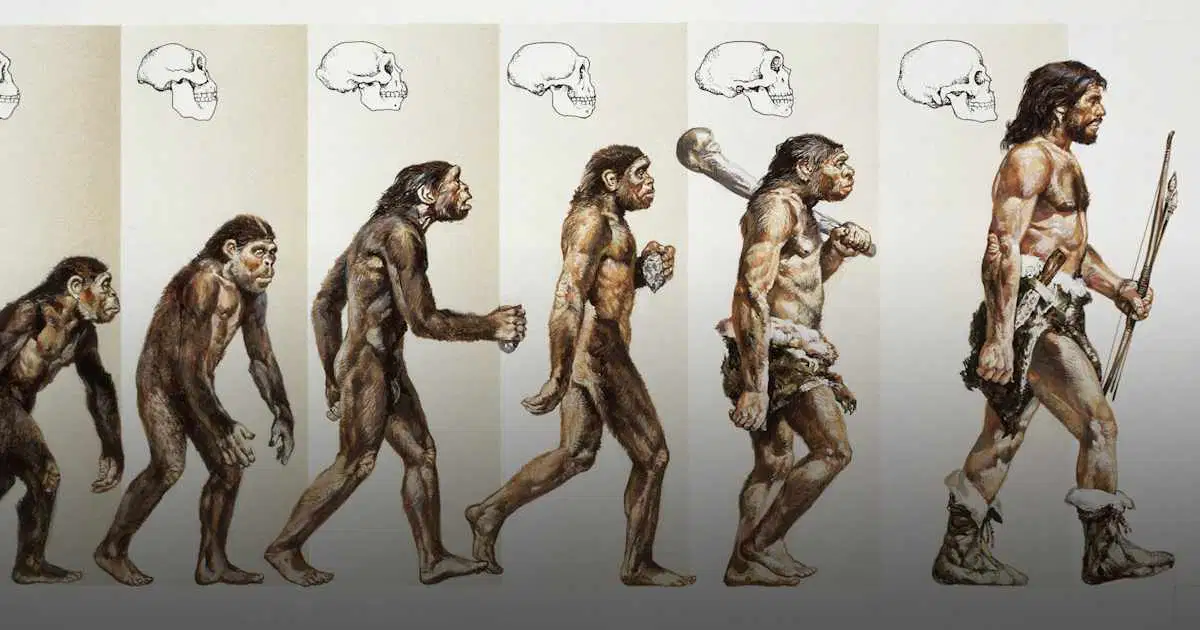
The first humans appeared about ________ years ago.
30,000
3 million
300,000
3,000
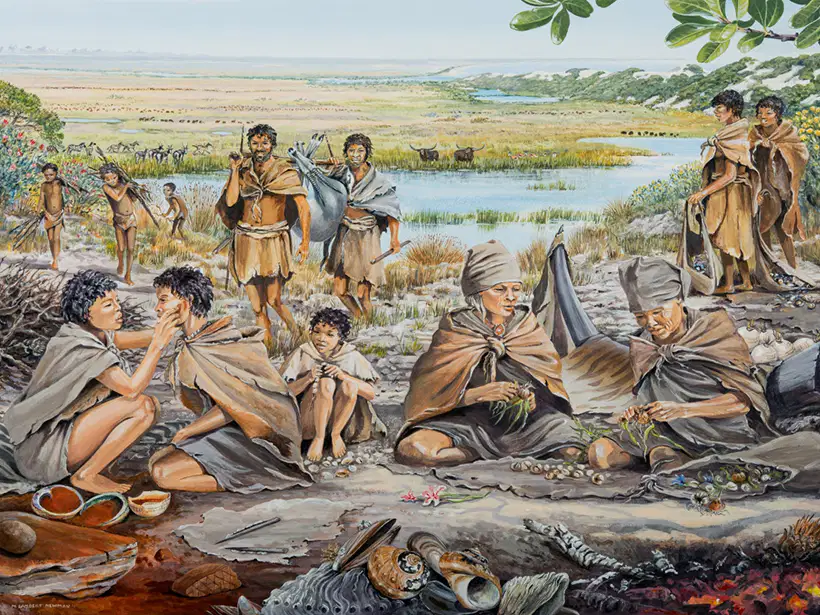
What continent did the first humans live in?
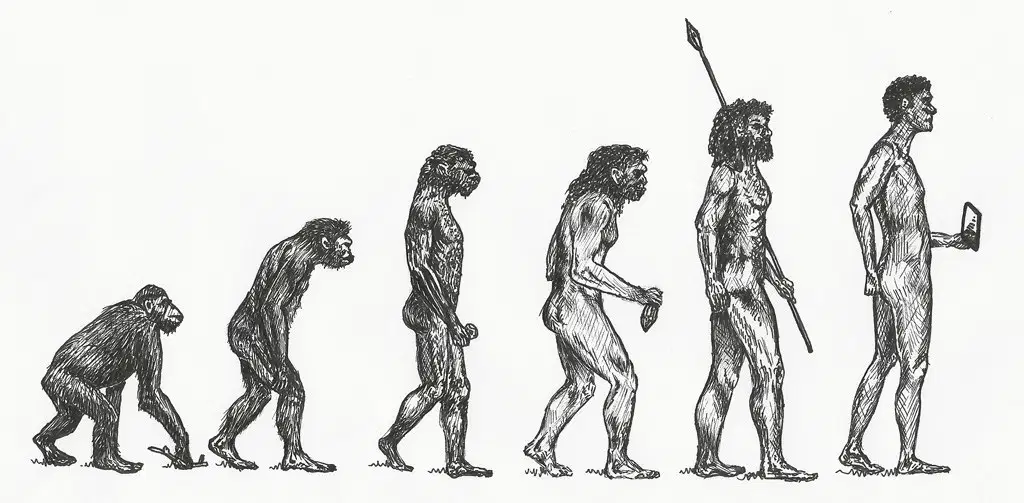
The scientific name for our species, modern humans, is ____ _______. This name means "Wise Man"
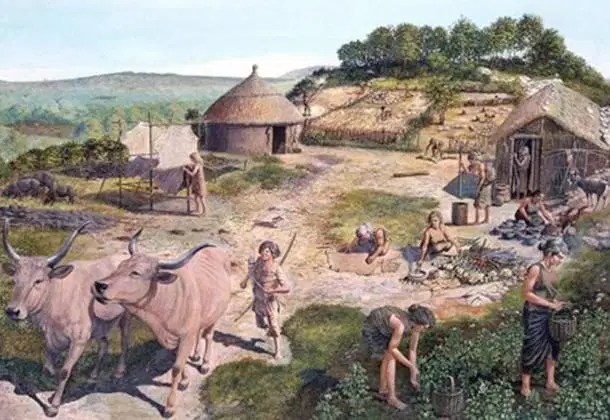
The time in human history where people's lives changed because of farming was called the ________________________________.
Agricultural Revolution
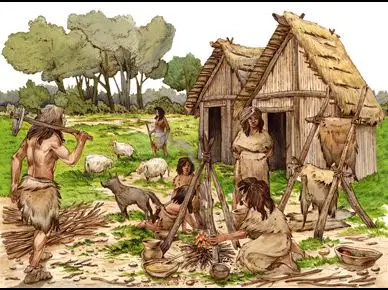
Which of these is NOT a major change that took place between the Paleolithic Age & the Neolithic Age?
People started farming
People started living in villages
People started making more advanced stone tools
People started hunting and gathering
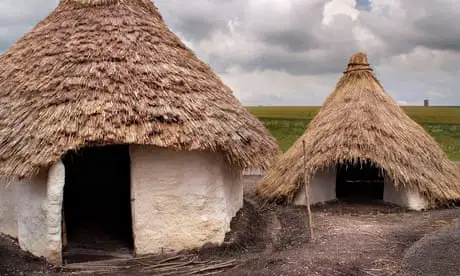
Which of these is NOT a material used to make homes in the Neolithic Age?
Mud-bricks
Clay
Straw
Steel

During the Neolithic Age, the population (number of people) started to grow because...
People became nomadic
People started hunting & gathering
There was less food available
There was more food available from farming
What is history?
History is the study of people, places, or events in the past.
What is the job of a historian?
In order to understand history, historians divide history into different time periods, called ____.
centurions
millimeters
ages
apocraphies
While history is the study of all records of the past, archaeology is...
the study of old books
the study of human history using things people in the past made, used, or left behind
the study of old human religions
A primary source is...
An account or record from someone who was actually there to witness an event
An account or record from someone who was NOT there to witness an event, but has learned about it
Physical objects left behind by people from the past
A secondary source is...
An account or record from someone who was actually there to witness an event
An account or record from someone who was NOT there to witness an event, but has learned about it
Physical objects left behind by people from the past
Physical evidence is...
An account or record from someone who was actually there to witness an event
An account or record from someone who was NOT there to witness an event, but has learned about it
Physical objects left behind by people from the past
What type of source is this?
A diary entry from a soldier who fought in World War 2 about a battle he fought in
Primary Source
Secondary Source
Physical Evidence
None of these
What type of source is this?
A book written by a historian in 2025 about the Ancient Romans.
Primary Source
Secondary Source
Physical Evidence
None of these
What type of source is this?
A stone spear left behind by an ancient human.
Primary Source
Secondary Source
Physical Evidence
None of these
What is geography?
Geography is the study of people and places on Earth
To help us understand the themes of history, we use the acronym "G-SPICE"
The "G" in "G-SPICE" stands for...
Gravel
Grain
To help us understand the themes of history, we use the acronym "G-SPICE"
The "S" in "G-SPICE" stands for...
Security
Sunlight
Society
Super
To help us understand the themes of history, we use the acronym "G-SPICE"
The "P" in "G-SPICE" stands for...
Protection
Privacy
Politics
Production
To help us understand the themes of history, we use the acronym "G-SPICE"
The "I" in "G-SPICE" stands for...
International
Ingenuity
Innovations
Internal
To help us understand the themes of history, we use the acronym "G-SPICE"
The "C" in "G-SPICE" stands for...
Chaos
Crime
Culture
Crisis
To help us understand the themes of history, we use the acronym "G-SPICE"
The "E" in "G-SPICE" stands for...
Enterprise
Engineering
Economics
Entertainment
Calendars are almost always based on...
The seasons
The sun and/or moon
The wind
Volcanoes
A solar calendar is based on...
the Moon
the moon and sun
the sun
A lunar calendar is based on...
the Moon
the moon and sun
the sun
A lunasolar calendar is based on...
the Moon
both the moon and sun
the sun

What is the name of the calendar we use here in the United States, and in most of the world?
American Calendar
Islamic Calendar
Julian Calendar
Gregorian Calendar
The current year according to the Gregorian Calendar is 2025 C.E.
What does C.E. stand for?
Classic Era
Common Era
Core Eons
It doesn't stand for anything

