
NEW
Font size
 Worksheets
Health 9: Brain and Addiction Review
Total questions: 52
Worksheet time: 26mins
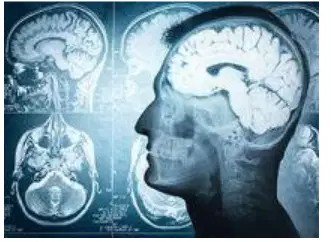
What is the main function of the brain stem?
It controls memory and learning.
It controls functions needed to stay alive, like breathing and moving blood.
It helps us see and hear.
It is responsible for emotions only.
What happens to the brain when drugs enter it?
Drugs help the brain process information.
Drugs disrupt the brain's normal functions and can change how it works.
Drugs make the brain bigger and stronger.
Drugs do not affect the brain.
Why is addiction a serious brain disease?
Because it only affects the body.
Because people can’t stop using drugs even if they want to, and it harms their health and lives.
Because it makes people smarter.
Because it helps people sleep better.
What does the brain mainly do?
Helps us digest food.
Lets us think, breathe, move, speak, and feel.
Makes us run faster.
Helps us sleep.
Which part of the brain connects structures that control our emotional responses, like feeling pleasure?
The limbic system
The cerebral cortex
The spinal cord
The frontal lobe
What makes us repeat actions like eating chocolate or kissing someone we love, according to the limbic system?
Good feelings
Hunger
Habit
Peer pressure
What is the outer mushroom-shaped part of the brain called?
The cerebral cortex
The limbic system
The spinal cord
The medulla oblongata
How much of the human brain does the cerebral cortex make up?
About three-fourths
About one-half
About one-fourth
About one-third
Which part of the cerebral cortex is responsible for thinking, planning, and decision-making?
The frontal cortex (forebrain)
The occipital lobe
The temporal lobe
The parietal lobe
What do the lobes of the cerebral cortex control?
Specific functions
Blood flow
Muscle movement only
Digestion
Which part of the brain helps us process information from our senses?
The cerebral cortex
The limbic system
The spinal cord
The medulla oblongata
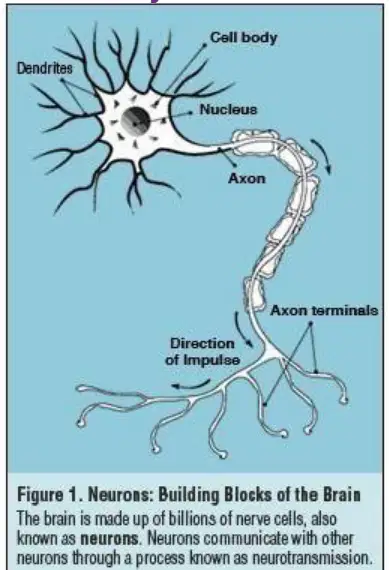
Which part of the neuron carries messages away from the cell body?
Axon
Dendrite
Nucleus
Cell membrane
How many neurons are in the human brain?
100 billion
1 million
10 thousand
500 million
What do neurons in the brain do?
Send and receive messages
Store fat
Produce hormones
Digest food
Messages travel from the cell body of a neuron down which structure?
Axon
Dendrite
Nucleus
Synapse
What do nerve networks in the brain control?
Everything we feel, think, and do
Only our sense of smell
Only our ability to see
Only our ability to move
What do neurotransmitters do in the brain?
Create electrical impulses in the heart
Carry chemical messages between neurons
Store memories in the brain
Produce hormones in the body
What is the space between two nerve cells?
Axon terminal
Synapse
Receptor
Transporter
Which part of a neuron releases neurotransmitters?
Dendrite
Axon terminal
Cell body
Receptor
How do neurotransmitters send messages to the next neuron?
By attaching to receptors on the receiving nerve cell
By creating sparks in the synapse
By dissolving in the bloodstream
By changing the shape of the neuron
What do transporters do in the brain?
They create new neurons
They recycle neurotransmitters
They destroy old neurons
They send signals to muscles
Which analogy best describes how a neurotransmitter and its receptor work?
Like a bus and a train
Like a key and a lock
Like a book and a shelf
Like a pen and paper
How can drugs affect the brain?
Imitating the brain’s natural chemical messengers
Increasing blood pressure
Improving memory instantly
Decreasing heart rate
How do drugs like marijuana and heroin affect the brain?
They mimic neurotransmitters and activate nerve cells
They increase muscle strength
They decrease the amount of oxygen in the blood
They improve vision
What is the main effect of drugs like cocaine and methamphetamine on dopamine in the brain?
They cause nerve cells to release too much dopamine or prevent its normal recycling
They decrease dopamine production
They increase the size of nerve cells
They stop the brain from making neurotransmitters
What does the brain's “reward circuit” do?
Teaches the brain to repeat pleasurable activities
Controls muscle movement
Regulates body temperature
Makes digestive enzymes
Why can drugs that act like neurotransmitters be harmful?
They send abnormal messages in the brain
They increase vitamins in the body
They improve the immune system
They help the brain heal faster
Why does our brain make us repeat survival activities like eating?
They are necessary for survival
They make us feel good
They are easy to remember
They need little effort
How do drugs affect the brain's reward system?
By making the brain forget important activities
By linking drug use to feeling good, like survival activities
By increasing the number of neurons
By reducing the ability to learn
What happens to dopamine signaling after repeated drug use?
It increases a lot
It stays the same
It is reduced, like turning down the volume
Neurons multiply
What is it called when someone needs drugs just to feel normal?
Addiction
Withdrawal
Tolerance
Dependence
Which of the following is a long-term effect of drug use on the brain?
Temporary energy boost
Major changes in brain cells and circuits
Better memory
Better learning
What are the 3 C’s of addiction?
Compulsion, Control, Consequences
Curiosity, Control, Consequences
Compassion, Compulsion, Curiosity
Control, Consequences, Courage
True or False: Addiction is not a lack of willpower or weakness.
True
False
In addiction, neuron communication is ________________.
Disrupted
Improved
Unchanged
Accelerated
What are two symptoms of withdrawal?
Anxiety and sweating
Happiness and excitement
Increased appetite and energy
Improved concentration and memory
Why are teens more likely to get addicted?
Their brains are still developing
They have more free time
They are less intelligent
They have stronger willpower
Can addiction be treated?
Yes
No
Only in adults
Only with medication
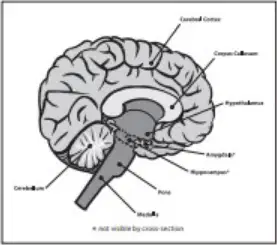
Which part of the brain controls thinking and understanding language?
Cerebral Cortex
Cerebellum
Brain Stem
Limbic System
What does the left hemisphere of the cerebral cortex mainly do?
Controls the left side of the body and artistic skills
Controls the right side of the body and math skills
Processes visual information
Combines information from senses
Which lobe of the brain processes sensory information like pain, touch, and pressure?
Frontal Lobe
Parietal Lobe
Occipital Lobe
Temporal Lobe
What does the cerebellum do?
Controls body temperature, hunger, and thirst
Controls posture, movement, and balance
Controls heart rate and breathing
Responsible for artistic expression
Which part of the brain processes visual information?
Temporal Lobe
Parietal Lobe
Occipital Lobe
Frontal Lobe
What does the hippocampus do?
Learning and memory
Emotional behavior
Posture and movement
Artistic expression
Which part of the brain controls reflexes like coughing and sneezing?
Cerebral Cortex
Brain Stem
Limbic System
Cerebellum
What is the main role of the amygdala?
Controls learning and memory
Important for emotional behavior
Controls posture and movement
Processes visual information
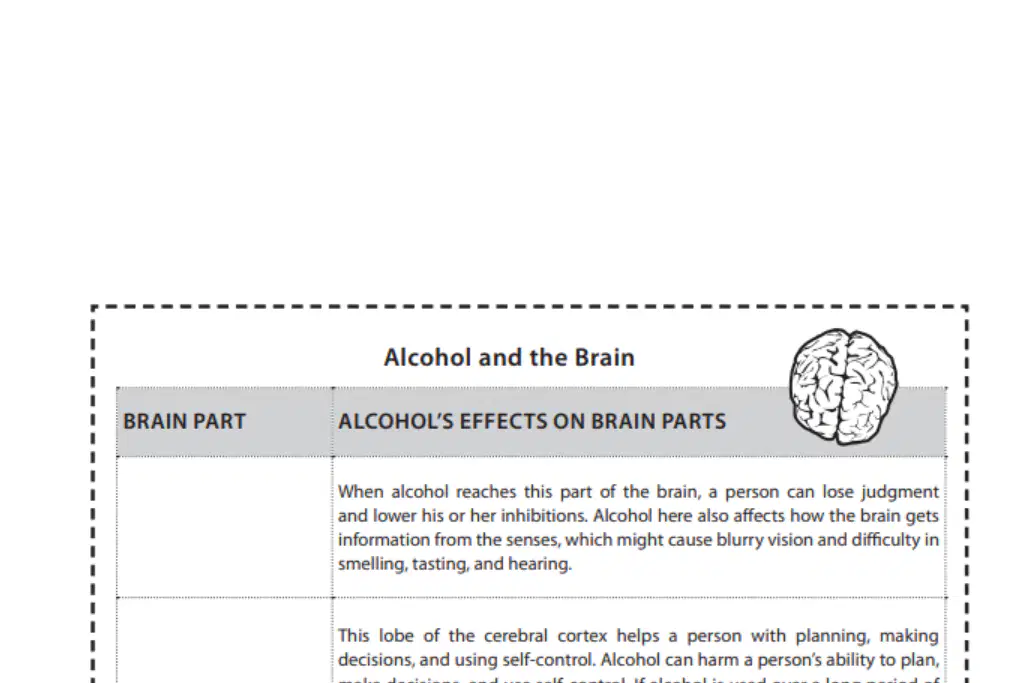
What effect does alcohol have on the part of the brain responsible for judgment and inhibitions?
Loss of judgment and lower inhibitions
Improved memory retention
Increased coordination
Enhanced decision-making skills
Alcohol can affect planning, decision-making, and self-control. What can happen to the brain if alcohol is used for a long time?
Permanent damage to the brain
Temporary increase in intelligence
Improved self-control
Enhanced sensory perception
What can happen when alcohol affects the brain's memory area?
Loss of ability to remember recent information
Increased ability to learn new things
Enhanced long-term memory
Improved recall of names and phone numbers
Which brain function is affected by alcohol, causing loss of balance and coordination?
Thinking, coordination, and balance
Judgment and inhibitions
Memory and learning
Temperature regulation
When alcohol reaches the brain area that controls blood pressure and heart rate, what effect can it have?
Increased blood pressure and decreased heart rate
Improved digestion
Enhanced muscle strength
Increased body temperature
Drinking a lot of alcohol in a short period of time can cause a person to go into a coma. Which brain function is interfered with in this situation?
The brain's ability to maintain normal temperature and heart rate
The brain's ability to make decisions
The brain's ability to remember information
The brain's ability to coordinate movement

