
 Worksheets
Semester Test Study Guide
Total questions: 48
Worksheet time: 38mins
Which of the following is an inherited trait?
dimples
long hair
favorite color
driving ability
What are you most likely to inherit from your parents?
Sense of fashion
Hair Color
Hair Style
Beautiful jewelry
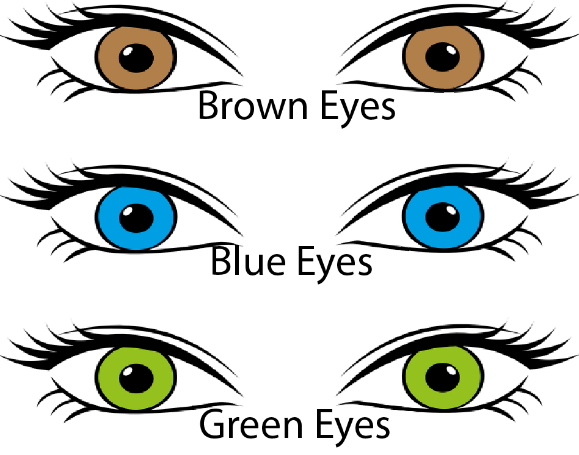
A feature regulated by a set of genes (allele) passed on
from parents to offspring. Also called inherited traits.
Heterozygous
Mendel
Chromosome
Traits
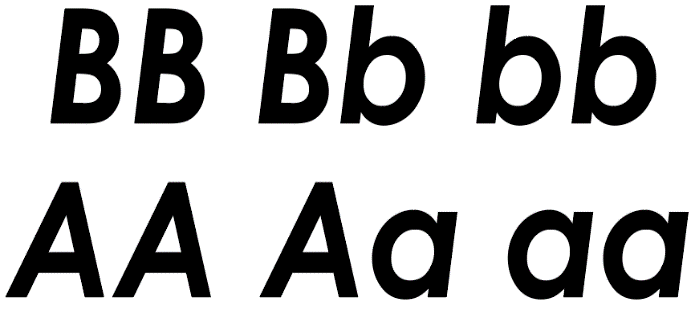
The letter symbols for both homologous alleles.
BB Bb bb AA Aa aa
Genotype
Phenotype
Recessive
Dominant
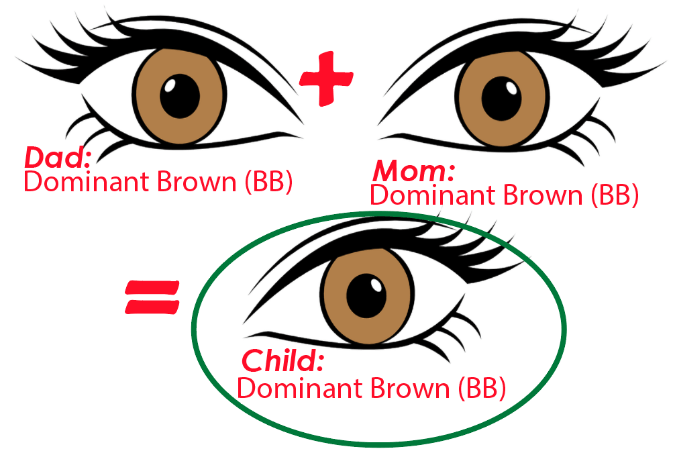
A genotype where only dominant alleles were passed on
from both parents for one trait
BB AA TT LL
Homozygous Recessive
Homozygous Dominant
Dihybrid
Heredity
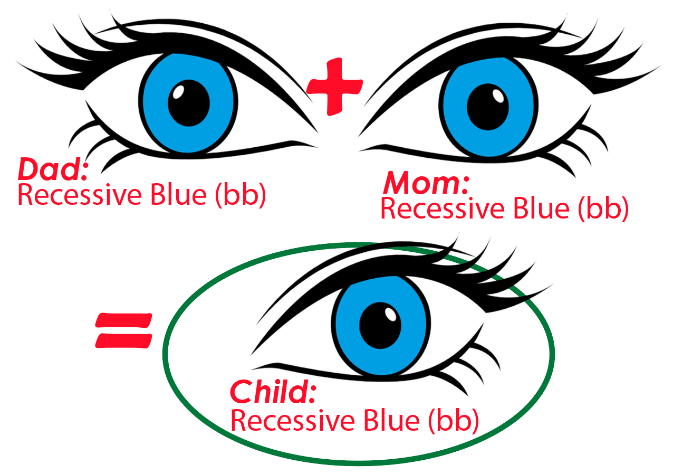
A genotype where only recessive alleles
were passed on from both parents for one trait
bb aa tt ll
Heredity
Homozygous Dominant
Homozygous Recessive
Phenotype
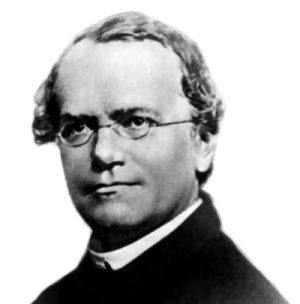
The Italian monk/scientist who first showed
the principles of genetics
Watson and Crick
Linnaeus
Darwin
Mendel
This type of reproduction requires 2 parent cells.
Sexual
Asexual
What is a form of asexual reproduction in which offspring grow from a part of the parent plant?
Spores
Budding
Vegetative Reproduction
Regeneration
a slight difference in the appearance of individual members of a species
comparative anatomy
variation
homologous structures
analogous structures
the process by which populations of organisms with variations that help them survive in their environments live longer, compete better, and reproduce more than those that do not have the variations
selective breeding
genetic engineering
natural selection
a characteristic of a species that enables the species to survive in its environment
adaptations
comparative anatomy
analogous structures
homologous structures
a characteristic of a species that enables the species to survive in its environment
adaptations
comparative anatomy
analogous structures
homologous structures
the science of the development of embryos from fertilization to birth
geneology
comparative anatomy
embryology
the preserved remains or traces of an organism that lived in the past
jelly
fossil
landmark
portrait
a well tested concept that explains a wide range of observations
research
scientific theory
natural selection
selective breeding
most species produce more offspring than can possibly survive
competition
overproduction
natural selection
variation
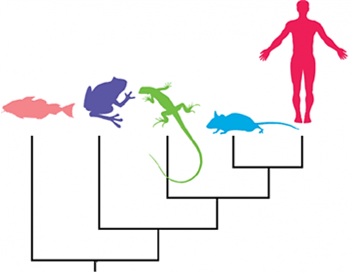
What is the human most closely related to?
Fish
mouse
Salamander
Human


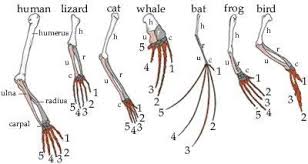

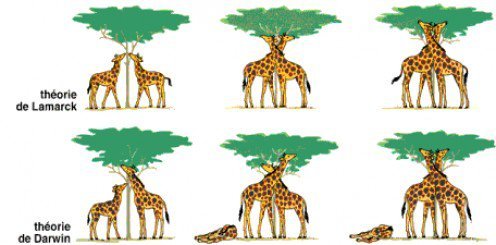

The fossil record help scientists
better understand the kinds of organisms that lived in the past
better understand how the environment has changed over time
better understand how organisms have evolved over time
all of the above
Scientists are studying a particular protein found in blood cells. Based on this, which animals are most closely related?
Dog: ARG - LYS - HIS - TYR
Rabbit: ARG - LYS - TYR - TYR
Elk: ARG - PRO - TYR - ARG
Dog & Rabbit
Rabbit & Elk
Dog & Elk


Jonah’s science class is examining different rocks. Jonah finds the rock shown. What can Jonah see on this rock?
DNA
fossil
organism that died recently
genetic evidence for evolution
These are structures that are no longer used but show that an ancestor did.
Fossils
Homologous Structures
Embryology
Vestigial Structures
DNA/Amino acid comparisons
Most rock pocket mice are typically light brown, living on desert sands. Occasionally, a darker colored mouse appears in the population.After a large volcanic eruption, some rock pocket mice found themselves living on the hardened lava flow.
b. What caused the variation in fur color in the mice?
mutations
fur color to blend in
natural selection
radiation
If an offspring is produced through sexual reproduction, the offspring's genetic material is always _____
a copy of the genetic material of one parent.
identical to the genetic material of its siblings.
completely unrelated to that of its parents.
a blend of the genetic material of its parents.

Plants can reproduce asexually. Based on the images of the plants below, traits of each new plant include _____
a mixture of traits from its parent
the exact traits to the parent
varied traits of all plants
different traits from its parents
A scientist observes a parent organism with its offspring. The color of the offspring is different than the parent. The most likely inference the scientist makes is that the organism reproduces by ____
budding.
sexual reproduction.
asexual reproduction.
vegetative propagation.
Seeds that are dispersed by _____________ are small and light.
water
wind
animals
humans
Which is not part of the chromosome?
proteins
cell
adesine
DNA
Which of the following is not an example of a trait?
species
body height
ear shape
ear size

