
 Worksheets
QUARTER QUIZ World History
Total questions: 62
Worksheet time: 1hrs 6mins
Organize these options into the right categories
(gladiators, amphitheaters, baths
Transition from republic to empire under Augustus
Concrete engineering, allowing domes, aqueducts, and large buildings
Gaul, Italy, Spain, Greece, Judaea, Egypt...
Caesar, Augustus, Diocletian...
poleis - Athens, Sparta...
Birthplace of democracy
Olympic Games as a religious and cultural event
Hellenistic culture spreading after Alexander the Great
Socrates, Plato, Aristotle
Mandate of Heaven
Great Wall
Silk Road trade connections linking East and West
paper, compass, gunpowder, silk
Relative cultural continuity across thousands of years
Limited evidence of warfare or armies
Harappa and Mohenjo-daro
Standardized brick sizes across cities
Seals (but unknown usage)
Limited knowledge of what happened to them
Categorize
Nomadic hunter-gatherer lifestyle
Dependence on wild animals and plants only
Mastery of fire for warmth, cooking, and protection
Cave art and symbolic expression
Adaptation to Ice Age environments
Very low population density
Transitional period between hunting-gathering and farming
Seasonal or semi-permanent settlements
Early experiments with plant cultivation
Early domestication of animals (especially dogs)
Permanent villages and settlements
Full domestication of plants and animals
Clear social hierarchies emerge
Large communal or ritual structures (e.g. Stonehenge)
Foundations for civilizations and cities
Match the following
survival through movement
Paleolithic
adaptation and transition
Mesolithic
settlement and civilization
Neolithic
Copper Age
Chalcolithic
Copper + tin
Bronze Age
Organize these options into the right categories
Fertile Crescent
Sumerians
Ziggurat
Code of Hammurabi
Epic of Gilgamesh
Wheel, Irrigation, Plow, etc. invented
Cuneiform
Pharaoh
Hieroglyphics
Pyramid
Anubis, Osiris, Ra...
Polis
Phalanx
Agora
Delos, Corinth, Thebes...
Republic falls
Pax Romana
Legion
Twelve Tables
Latin
Locate the Ancient Civilization
Reorder the following
Ancient Mesopotamia
Ancient Egypt
Ancient Greece
Roman Republic
Roman Empire
Match the following
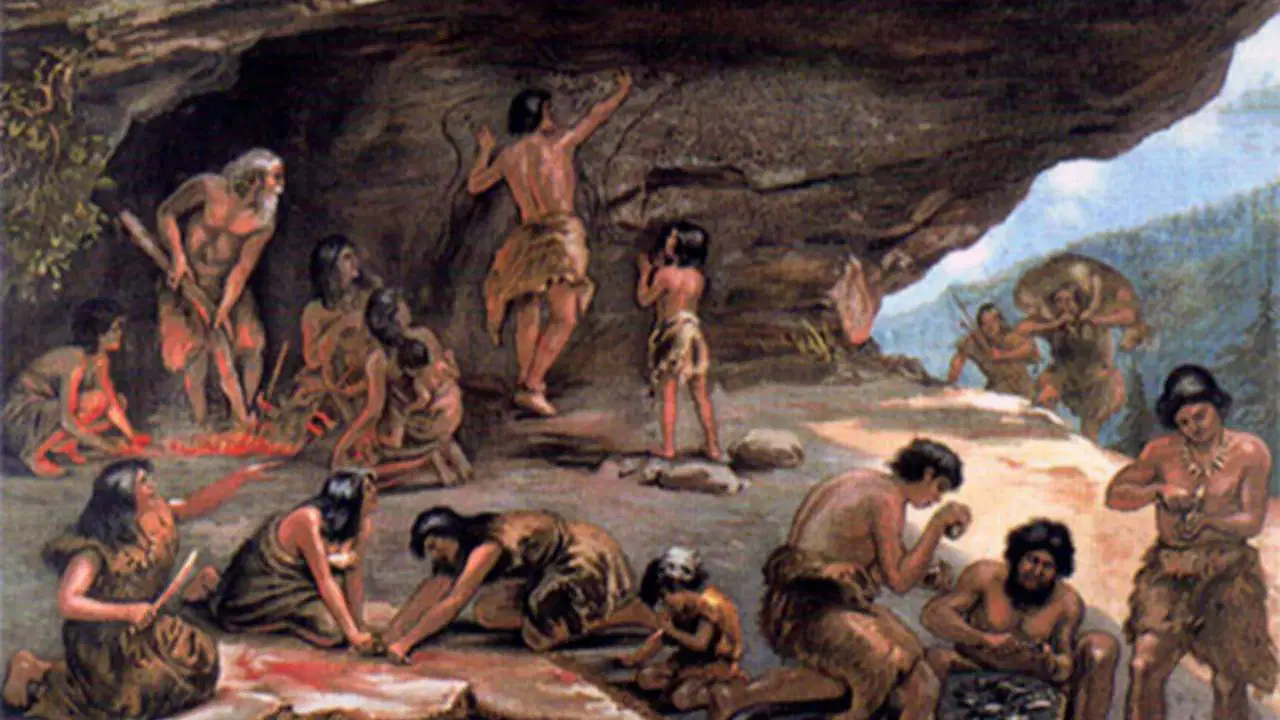
Paleolithic
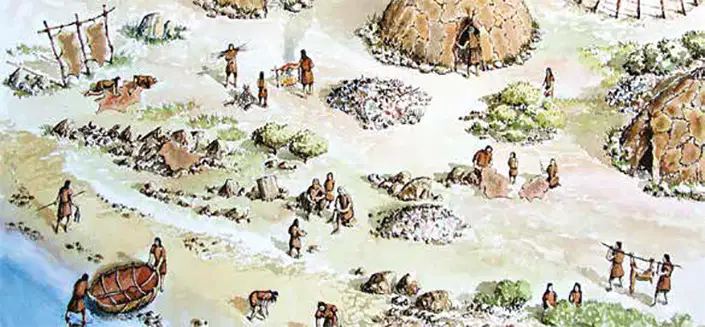
Mesolithic
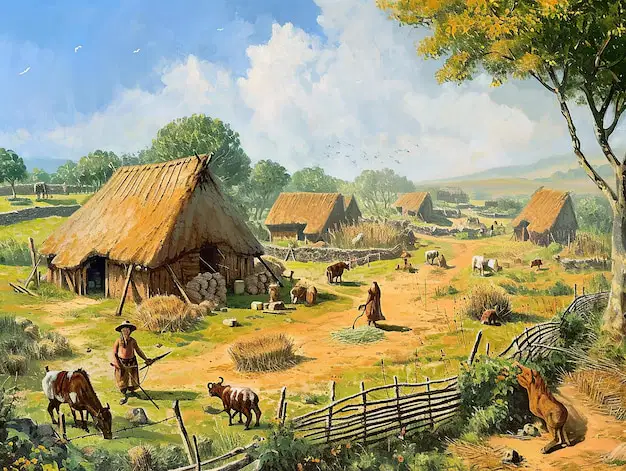
Neolithic
Matching (where would someone have said it if they spoke English)
"Bro, I just saw a woolly mammoth!"
Paleolithic
"Bro, they stabbed Caesar!"
Ancient Rome
"Bro, how many of these clay people are we really going to have to make?"
Ancient China
"Bro, what even is war?"
Ancient Indus Valley
"So then they pull your brains out through your nose..."
Ancient Egypt
Match the following

Ziggurat
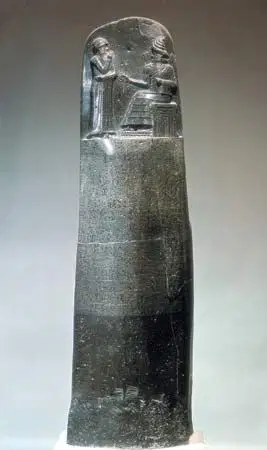
Code of Hammurabi
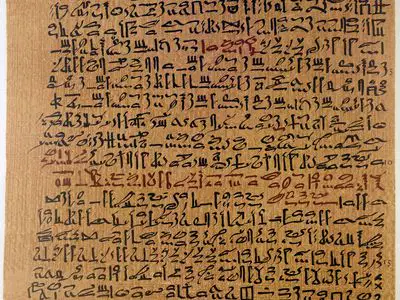
Papyrus

Sarcophagus
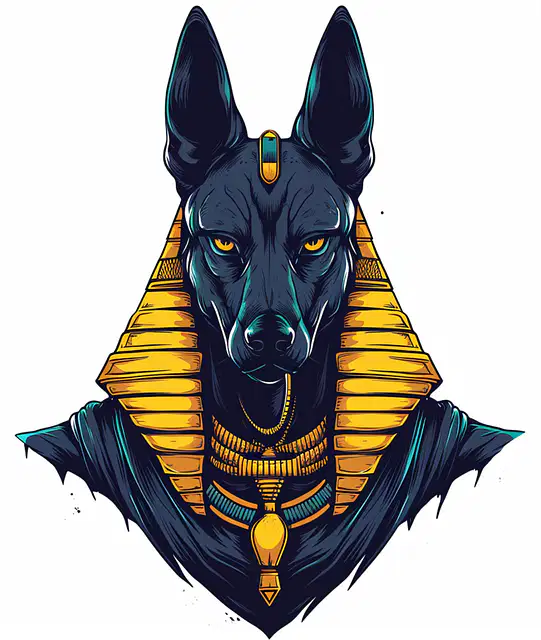
Anubis
Organize these options into the right categories
Epic poet blending myth, heroism, and oral tradition
Homer
Storytelling historian mixing inquiry, travel, and legend
Herodotus
Analytical historian emphasizing evidence, power, and realism
Thucydides
National epic glorifying Rome’s origins and destiny
Virgil
First-person military commentaries on campaigns and politics
Caesar
Kknow your ancient aesthetic
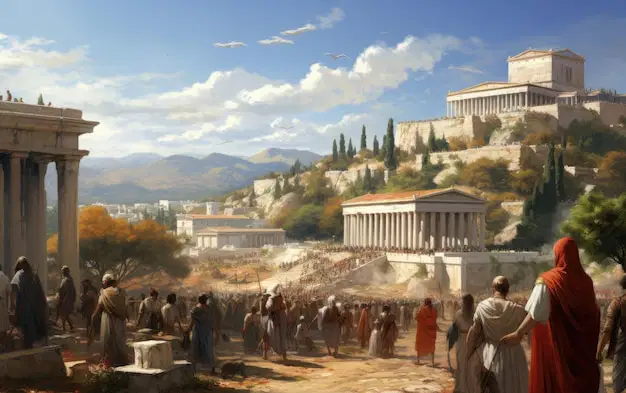
Ancient Greece
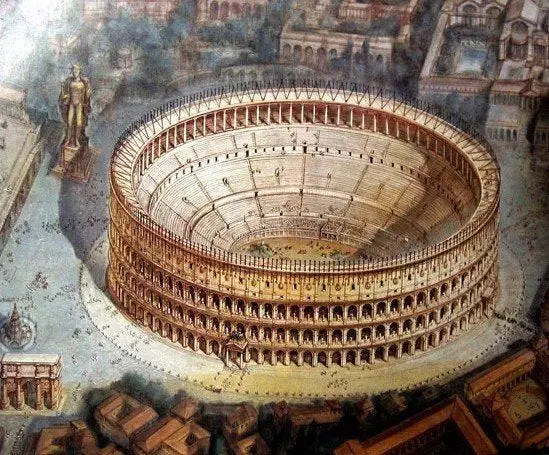
Ancient Rome

Ancient China
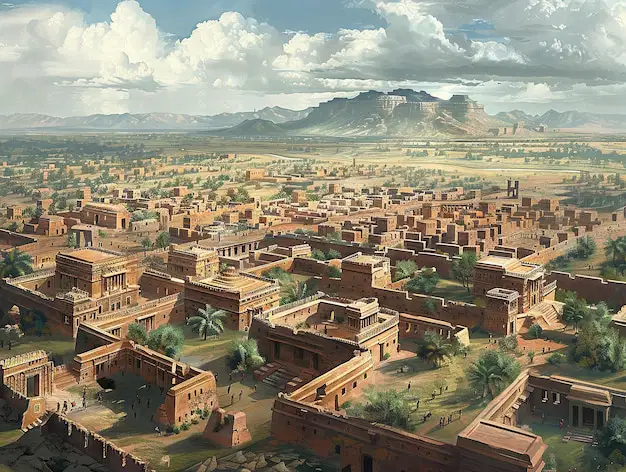
Indus Valley Civilization

Ancient Egypt
Organize these options into the right categories (Ancient Rome)
Start of Twelve Tables
Start of Patricians and Plebeians
Expansion in Italy
Punic Wars
Pax Romana
Latin as imperial language
Colosseum
Highest point of expansion
Debasement of coinage
Huns, Visigoths, Vandals..
External invasions
Diocletian temporarily resolves
Julius Caesar crosses the Rubicon
Battle of Actium
First Triumvirate
Mark Antony, Lepidus
Second Triumvirate
Cleopatra

Oh that is a picture of..
David and Zeus
The wolf and the slaves
Aeneas and Dido
Romulus and Remus
Venus de Milo and Cupid
Match the following

Aeneas

Qin Shi Huang

Indus Valley Civilization
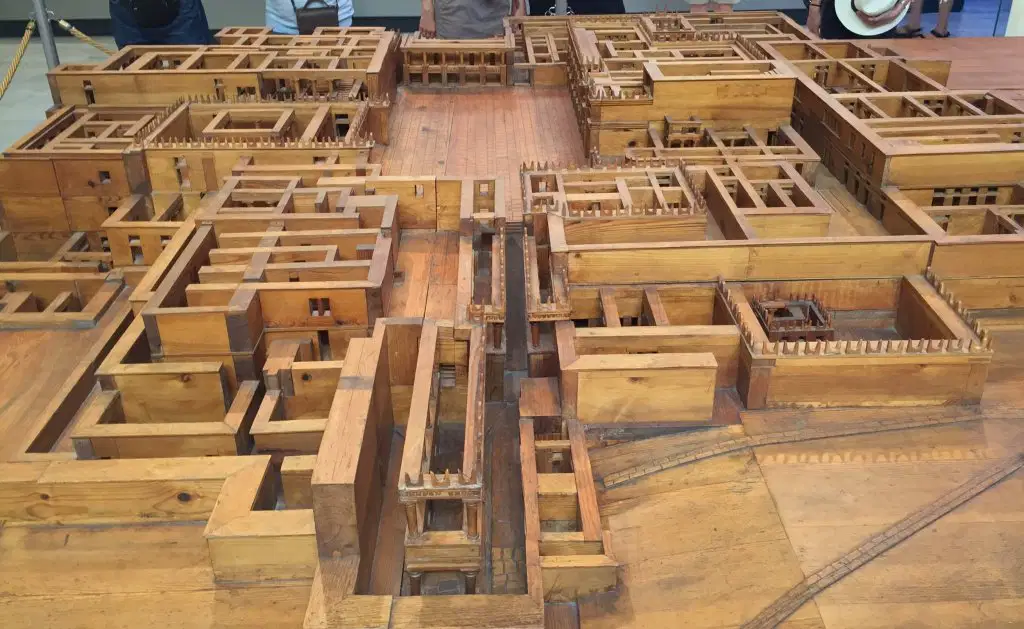
Knossos
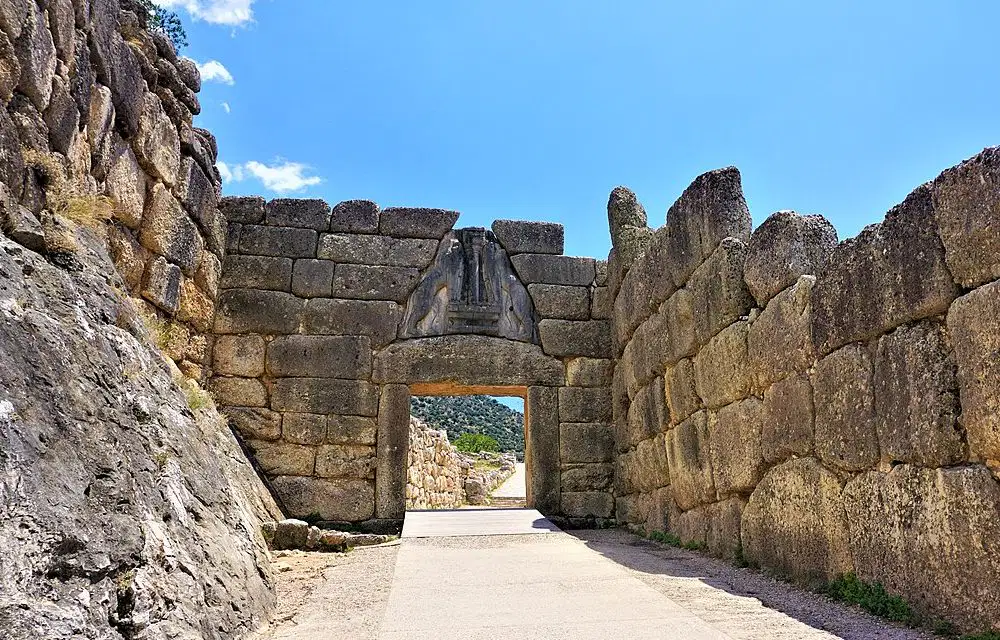
Mycenae
Organize these options into the right categories
Oracle of Delphi
Athena
Apollo
Socrates, Plato, Aristotle
Confucianism
Mandate of Heaven
Ancestor worship and harmony
Osiris
Isis
Ra
Anubis
Ma’at (cosmic order)
Book of the Dead
Epic of Gilgamesh
Ziggurat
Enkidu
Unpredictable flooding
Herodotus
Which group is responsible for the Bronze Age Collapse?
Which technology became prominent after the Bronze Age Collapse?
Match the following
Systematic thinker studying logic, science, ethics, and real-world observation, taught Alexander
Aristotle
Philosopher of ideal forms, justice, and imagined perfect societies, taught Aristotle
Plato
Cynic philosopher rejecting wealth, norms, and social pretensions
Diogenes
Questioning philosopher using dialogue to expose ignorance and seek truth
Socrates
Where did Alexander's army ultimately turn back?
Persian River
The Indus writing system is:
Match the following
Athens defeated the Persian Empire and origin of a race
Battle of Marathon
Defeated Persians a second time
Thermopylae, Salamis, and Plataea
Athens vs Sparta
Peloponnesian War
Rome defeated Hannibal.
Battle of Zama
Octavian defeated Mark Antony and Cleopatra
Battle of Actium
Matching
Crossed the Rubicon, making civil war unavoidable
Julius Caesar
Rumored to have died by snake bite rather than be paraded by Rome
Cleopatra VII
“I come to bury Caesar, not to praise him” (Shakespearean legacy)
Mark Antony
The forgotten member of the Second Triumvirate
Lepidus
“Stop quoting laws to us”—relied on tradition over force
Pompey
Match the following
Died seeking glory; molten gold poured into his mouth (legend)
Crassus
“Et tu, Brute?”
Brutus
Defeated Hannibal at Zama, ending Carthage’s power
Scipio Africanus
“Carthage must be destroyed”
Cato
Split the empire to save it (Tetrarchy)
Diocletian
Match the following
Saw a cross before battle and legalized Christianity
Constantine
Made Christianity the official religion of Rome
Theodosius I
“Scourge of God” who terrified the Roman world
Attila the Hun
First Emperor of China; built the Great Wall, buried with an army
Qin Shi Huang
founded the Han Dynasty
Liu Bang
Match the following
Famous for dying young, not ruling long
King Tutankhamun
Rejected many gods for one (early monotheism)
Akhenaten
History without gods; focused on cause and effect
Thucydides
“Our system of government is called a democracy”
Pericles
Tried to conquer Greece
Xerxes I
Match the following
Unified Upper and Lower Egypt; shown wearing both crowns on the Narmer Palette
Narmer (Menes)
Won Rome’s battles so Augustus could rule; mastermind behind Actium
Marcus Agrippa
Told Alexander: “Stand out of my sunlight”
Diogenes
Crossed the Alps with elephants to invade Rome
Hannibal
“There are no more worlds to conquer”
Alexander the Great
Can you recognize these Roman/Greek Gods?

Jupiter
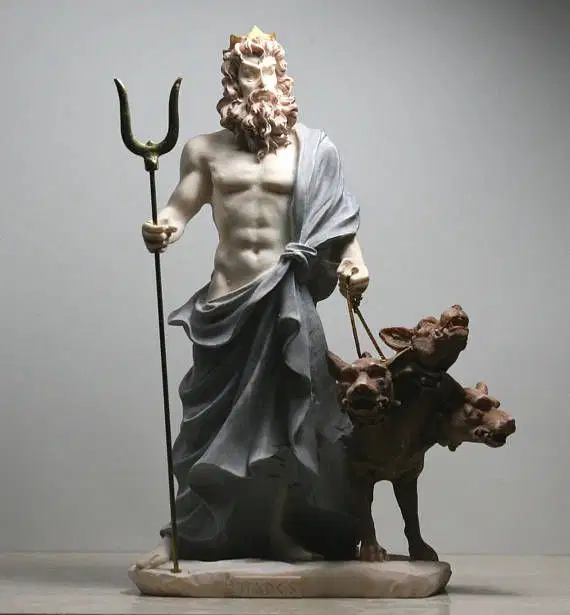
Pluto

Venus

Mars
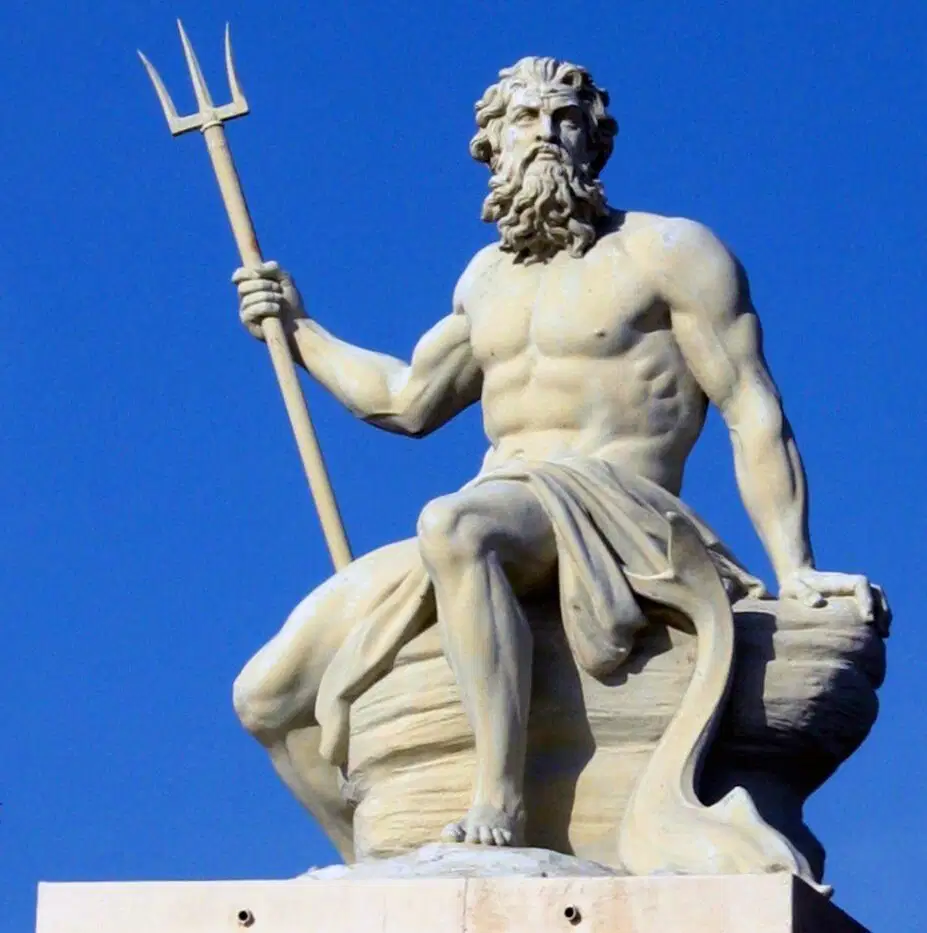
Neptune
Mesopotamia means:
Land of kings
Between two rivers
City of gods
Fertile empire
River Empire
Which rivers supported Mesopotamian civilization?
Nile and Congo
Tigris and Euphrates
Indus and Ganges
Yellow and Yangtze
Mississippi and Amazon
The earliest Mesopotamian civilization was:
Akkadian
Babylonian
Sumerian
Assyrian
Egyptian
Cuneiform was primarily used for:
Art decoration
Religious chanting
Record keeping
Storytelling only
By Herodotus
The Code of Hammurabi is known for:
Promoting democracy
Recording trade routes
Female-led court hearings
Religious rituals
Written laws and punishments
Mesopotamian city-states were usually:
Unified under one ruler
Independent and competitive
Entirely peaceful
Nomadic groups
Unified under Cleopatra
Mesopotamian religion was:
Monotheistic
Polytheistic
Non-religious
Philosophical
Anti-theological
Writing first developed mainly to:
Create literature
Track beers drunk at the pub
Teach children with full education
Spread myths around the world
Track economic activity
Mesopotamian geography caused frequent:
Unpredictable floods
Droughts only
Mountain landslides
Ice ages
The Nile was important because it:
Was easy to cross
Flooded predictably
Contained gold
Had many waterfalls
Pharaohs were considered:
Military generals
Living gods
Elected leaders
Religious priests only
Kings of their local region
Hieroglyphics were:
Alphabetic letters
Symbol-based writing
Numerical codes
Oral traditions
Clay-based writing
Pyramids were built mainly as:
Fortresses
Tombs for rulers
Grain storage
Trade centers
Epic monuments to the gods
The Bronze Age Collapse occurred around:
3000 BCE
1200 BCE
500 BCE
200 CE
Who fared best during the Bronze Age Collapse:
Ancient Mesopotamia
Ancient Greece
Ancient Egypt
Ancient Minoan
Greek city-states were called:
Provinces
Poleis
Empires
Kingdoms
Satraps
Alexander was king of:
Athens
Macedonia
Persia
Egypt
All of the above
Alexander promoted unity by:
Destroying cultures
Encouraging cultural blending
Enforcing Greek-only laws
Ending local religions
Enslaving the population
Alexander’s empire fell apart mainly because:
Foreign invasion
No clear successor
Economic collapse
Religious conflict
It was too focused on Greece
The Peloponnesian War was fought between:
Athens and Persia
Athens and Sparta
Greece and Rome
Macedonia and Egypt
Indus Valley and Chinna
Augustus became Rome’s first:
Consul
Emperor
General
Dictator for Life
Imperial war master
The Pax Romana refers to:
Religious unity
Period of peace
Military expansion
Legal reform
A time of the Pax infection
The Western Roman Empire fell in:
27 BCE
476 CE
800 CE
1453 CE
526 CE
Confucianism emphasized:
Warfare and victory at all cost
Moral behavior and order
Magic and mysticism
Individual freedom
Emphasis and enslavement
The Qin Dynasty is known for:
Poetry
Unifying China
Trade expansion
Naval dominance
Conquering Egypt
The Han Dynasty expanded:
Democracy
Trade along Silk Road
Feudalism
Isolation
The Great Wall
Indus cities were notable for:
Pyramids
Grid planning
Stone temples
Military walls
Great military fortifications
Harappa and Mohenjo-daro were:
Egyptian cities
Indus Valley cities
Greek colonies
Roman forts
Which year comes immediately after 1 BCE?
Which two labels represent the same years?
BC and BP
BCE and CE
BP and AD
AD and CE
Match the following
Before Christ
BC
“in the year of our Lord"
AD
Before Common Era
BCE
Common Era
CE
Before Present
BP
Match the following
Years before the traditional birth of Jesus
BC
Latin
AD
A non-religious version of BC
BCE
A non-religious version of AD
CE
Counts years back from 1950
BP
Match the following
The study of past human life through objects and ruins people left behind, like tools, buildings, and pottery.
Archaeology
The study of ancient life before humans, especially fossils like dinosaurs, plants, and early animals.
Paleontology
The study of the human past using written records, such as documents, letters, and books.
History
The study of humans and human cultures, past and present, including customs, beliefs, and ways of living.
Anthropology
Match the potential cause of collapse to the Empire/Civilization that it ruined.
Alexander the Great
Persian Empire
Sea People
Bronze Age Greece
Caesar
Roman Republic
Atilla the Hun
Roman Empire
Unknown
Indus Valley
Chinese Dynasties Matching
Legendary culture heroes, not proven historical figures, rule by virtue
Five Emperors
semi-legendary with limited archaeological evidence
Xia Dynasty
First dynasty with clear archaeological proof, Oracle Bones, Bronze Weapons
Shang Dynasty
Longest-lasting dynasty, Mandate of Heaven
Zhou Dynasty
unified China for the first time, Great Wall, Terracotta Army
Qin Dynasty

