
 Worksheets
Bio - Practice Fall Final
Total questions: 76
Worksheet time: 2hrs 32mins
The ___ variable is what changes in an experiment.
Controlled
Independent
Dependent
A ____ variable remains constant, or does not change.
Controlled
Independent
Dependent
The ____ variable is what is observed during the experiment.
Independent
Dependent
Controlled
The structures which perform specific functions inside cells are called...
organs
organisms
organelles
atoms

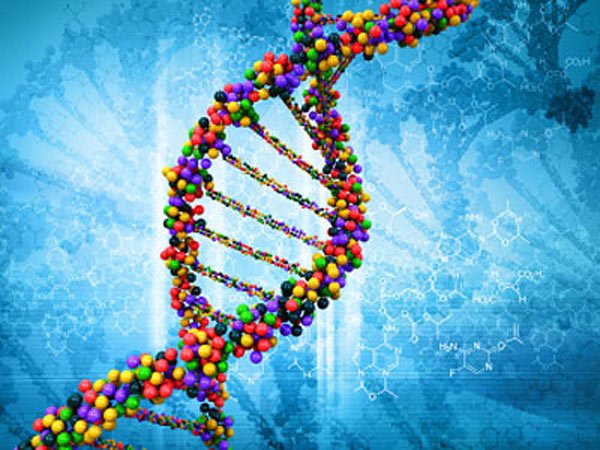
A change in the DNA sequence of a gene or chromosome
Mutation
Cancer
Mitosis
cytokinesis
A flexible structure that protects and controls what goes in and out of the cell
Chromosome
Cell wall
Cytoplasm
Cell Membrane
The jelly-like substance found inside the cell that contains organelles
Cytoplasm
Mitosis
Cell membrane
DNA
The final stage of the cell cycle in which the cytoplasm divides
Mitosis
Cytokinesis
Interphase
Cell cycle
The stage of the cell growth occurring at the beginning of the cell cycle
Cancer
Mitosis
Cytokinesis
Interphase
Our body regulates INTERNAL things like temperature, pH levels, and heart rate.
What's another word for this?
homeostasis
metabolism

How do the particles move in diffusion?
From a region of low concentration to a region of high concentration
From a region of high concentration to a region of low concentration
From a region of low concentration to a region of low concentration
From a region of high concentration to a region of high concentration
cells with a nucleus and membrane bound organelles
eukaryotic
prokaryotic
cells without a nucleus and no membrane bound organelles
prokaryotic
eukaryotic
the chemical that contains the code for the cell's structure and activities; it is found in the nucleus
DNA
chloroplast
nucleus
ER
powerhouse of the cell; respiration occurs here
chlorophyll
golgi body
endoplasmic reticulum
mitochondria
makes proteins
ribosomes
mitochondria
endoplasmic reticulum
the passageway for proteins; they transport the proteins
ribosomes
endoplasmic reticulum
gogli complex
mitochondria
these package proteins to be shipped out of the cell
proteins
ribosomes
golgi bodies
endoplasmic reticulum
these store water, waste and food; they are very large in plant cells
lysosomes
ribosomes
cytoplasm
vacuoles
recycling organelles; they contain enzymes to break down wastes and old cell parts
cell wall
lysosomes
golgi bodies
cytoplasm
plants have these 2 parts that animal cell do not have
cell wall
cytoplasm
mitochondria
chloroplast


What organelle is labeled L?
Cell Membrane
Cell Wall
Cytoplasm
Nucleus
What organelle is labeled B?
Rough Endoplasmic Reticulum
Smooth Endoplasmic Reticulum
Golgi Body
Nucleus
What organelle is labeled E?
Rough Endoplasmic Reticulum
Smooth Endoplasmic Reticulum
Golgi Body
Nucleus
What organelle is labeled J ?
Rough Endoplasmic Reticulum
Smooth Endoplasmic Reticulum
Golgi Body
Nucleus
What organelle is labeled F?
Vacuole
Mitochondria
Nucleolus
Cell Membrane
What organelle is labeled I ?
Vacuole
Mitochondria
Nucleolus
Cell Membrane
What organelle is labeled K ?
Lysosome
Nucleus
Cell Membrane
Mitochondria
What organelle is labeled D ?
Cell membrane
Nuclear Membrane
Ribosomes
Mitochondria

What type of macromolecule is this?
carb
lipid
nucleic acid
protein

What type of macromolecule is this?
carb
lipid
nucleic acid
protein

What type of macromolecule is this?
carb
lipid
nucleic acid
protein
Carbohydrates, Lipids, Protein, and Nucleic Acids are examples of _____________.
Elements
Compounds
Macromolecules
Monomers
What are the monomers that make up carbohydrates?
monosaccharides
glycerols and fatty acids
amino acids
nucleotides
What are the monomers that make up protein?
monosaccharides
glycerols and fatty acids
amino acids
nucleotides
What are the monomers that make up nucleic acids?
monosaccharides
glycerols and fatty acids
amino acids
nucleotides
Carbohydrates are made of which elements?
Carbon (C)
Hydrogen (H)
Oxygen (O)
Nitrogen (N)
Phosphorus (P)
Lipids are made of which elements?
Carbon (C)
Hydrogen (H)
Oxygen (O)
Nitrogen (N)
Phosphorus (P)
Proteins are made of which elements?
Carbon (C)
Hydrogen (H)
Oxygen (O)
Nitrogen (N)
Phosphorus (P)
Nucleic Acids are made of which elements?
Carbon (C)
Hydrogen (H)
Oxygen (O)
Nitrogen (N)
Phosphorus (P)

What macromolecule is shown above?
Carbohydrate
Lipid
Protein
Nucleic Acid
What two elements make up water?
Helium and oxygen
Hydrogen and oxygen
Helium and carbon
Oxygen and carbon

What is the function of a carbohydrate?
speeding up the rate of chemical reaction, cellular transport, immune function, and muscle repair
transmission of genetic information
short-term energy, structural support
long-term source of energy, phospholipids, oils and insulative properties
What is the function of a nucleic acid?
speeding up the rate of chemical reaction, cellular transport, immune function, and muscle repair
transmission of genetic information
short-term energy, structural support
long-term source of energy, phospholipids, oils and insulative properties
What type of protein acts as a catalyst to speed up chemical reactions in the body?
Carbohydrates
Lipids
Enzyme
Nucleic Acid
What are the three parts of a nucleotide?
a nitrogen base
a complex protein
5-carbon ribose sugar
a phosphate group

The process by which living things try to keep their internal conditions relatively stable (or balanced) is called -
homeostasis.
cellular respiration.
osmosis.
diffusion.

Cell division produces _____ genetically _____ cells.
4 - similar
2 - similar
4 - identical
2 - identical
Watson and Crick won the Nobel prize for:
Inventing the microscope
Identifying the double helix
Developing a Punnett square
Taking the first image of a cell
The correct order of the Cell Cycle is...
Interphase, Prophase, Metaphase, Anaphase, Telophase, Cytokinesis
Prophase, Metaphase, Telophase, Anaphase, Cytokinesis, Interphase
Interphase, Prophase, Metaphase, Telophase, Anaphase, Cytokinesis
Metaphase, Prophase, Telophase, Anaphase, Interphase, Cytokinesis
Cancer directly affects ____________.
Meiosis
cell division
organs
Interphase
CRISPR is used to ______ specific genes.
duplicate
edit
support
only copy
DNA undergoes transcription in the nucleus to produce ______
proteins
mRNA
new cells
Ribosomes
RNA undergoes translation out in the cytoplasm to produce _______.
Ribosomes
proteins
cell membrane
lysosomes
Mitosis produces 2 identical body cells that are ______
while Meiosis produces 4 unique sex cells that are ______
haploid - diploid
diploid - haploid
non functional - mutation
mutated - functional
Phenotype is when you ___________
Genotype is ________.
see the physical traits - the alleles the organism possesses.
possess dominate alleles - physical appearance
see the physical traits - only homozygous alleles
have heterozygous alleles - homozygous alleles

