
 Worksheets
3G4 SS L3 Foundation of Filipino Identity
Total questions: 99
Worksheet time: 50mins
What are the two main categories of culture?
Material and Nonmaterial
Physical and Emotional
Tangible and Intangible
Visible and Invisible
Which of the following is an example of material culture?
Shelter
Religion
Language
Education
What does nonmaterial culture include?
Furniture and clothing
Food and drinks
Government and religion
Shelter and tools
Which of the following best describes material culture?
Intangible things like faith and language
Tangible things like clothing and furniture
Nonphysical things like education and literature
Invisible things like emotions and beliefs
Why is language considered a part of nonmaterial culture?
Because it is a tangible object
Because it is a nonphysical aspect of culture
Because it is related to food and drinks
Because it is a type of shelter
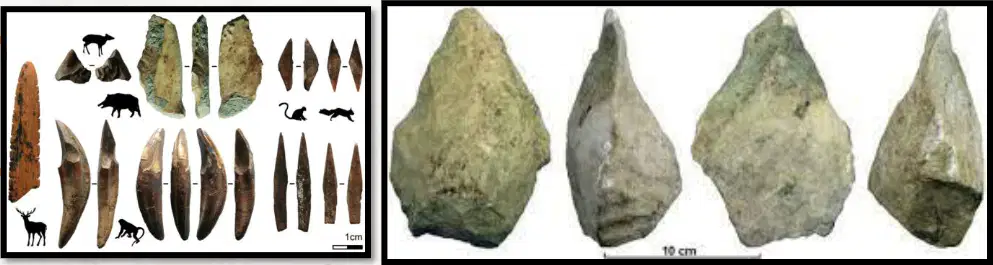
What were the early tools made of?
Wood and stone
Plastic and glass
Metal and plastic
Stone and glass
What did people learn to do with early tools made of wood and stone?
Shape and polish them
Melt and mold them
Paint and decorate them
Break and discard them
What material did people later learn to use for making tools?
Metals
Plastic
Glass
Rubber
What materials were early clothing made of?
Cotton and silk
Dried animal skin and tree barks
Wool and leather
Plastic and synthetic fibers
What was the name of the upper garment worn by males in early clothing?
Baro't saya
Bahag
Kangan
Putong
What was the purpose of the 'Putong' in early clothing?
It was used as a belt.
It served as a head protector.
It was worn as footwear.
It was used as a bag.
What was the traditional clothing worn by women called?
Kangan
Bahag
Baro't saya
Putong
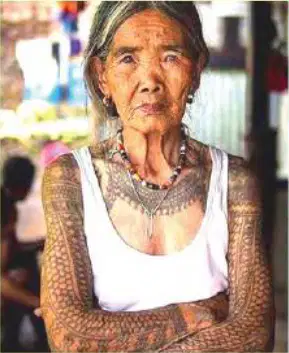
What type of jewelry did early Filipinos wear as part of their adornments?
Necklaces, bracelets, rings, and earrings
Crowns and anklets
Watches and belts
Glasses and hats
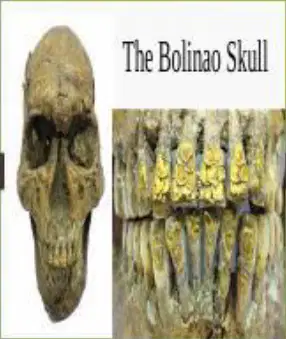
What did early Filipinos put in their teeth as part of their adornments?
Silver
Gold
Diamonds
Pearls
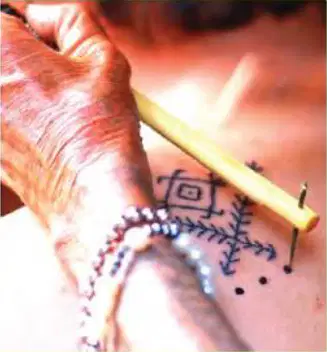
What did tattoos symbolize for early Filipinos?
Wealth and prosperity
Greatness and bravery in war
Wisdom and intelligence
Friendship and unity
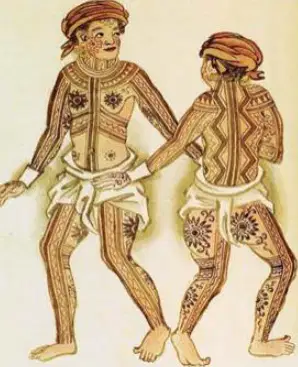
Who was considered the greatest among early Filipinos based on their tattoos?
The person with the most tattoos
The person with the largest tattoo
The person with the most colorful tattoos
The person with the smallest tattoo

What is the staple food of the early Filipinos?
Bread
Rice
Corn
Potatoes
How did early Filipinos cook their food?
In ovens
In pots or bamboos
On stoves
In microwaves
What did early Filipinos use to save water?
Plastic bottles
Big jars or large bamboo pipes
Metal containers
Buckets
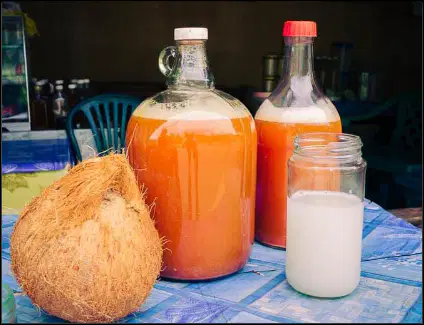
What is the name of the wine made from coconut water by early Filipinos?
Sake
Tuba
Vodka
Rum
What materials were used by ancient people to build their first houses?
Bamboo, grass, or cogon
Bricks and cement
Steel and glass
Plastic and metal
Why were houses near the shore built on high stilts?
To make them look taller
To prevent water from reaching them
To store food underneath
To catch fish easily
Why were some houses built on top of trees in ancient times?
To enjoy the view
To protect residents from wild animals
To grow fruits on the roof
To avoid floods
What are the three main components of non-material culture as shown in the diagram?
Faith & Religion, Government, Language & Literature
Food, Clothing, Shelter
Art, Music, Dance
Technology, Science, Economy
Which of the following is NOT a component of non-material culture as shown in the diagram?
Faith & Religion
Government
Language & Literature
Food
Which component of non-material culture is associated with beliefs and spiritual practices?
Faith & Religion
Government
Language & Literature
Art

What does the "Government" component of non-material culture represent?
Rules and laws that govern a society
The food and clothing of a society
The tools and technology used by a society
The music and dance of a society
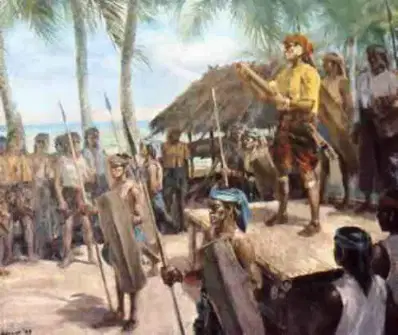
Who were the teachers in the tribe?
Tribe leaders
Fathers
Mothers
Elders from other tribes
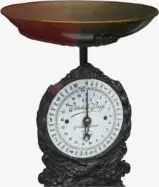
What was the purpose of the talaro in the tribe?
For hunting
For weighing objects
For cooking
For planting
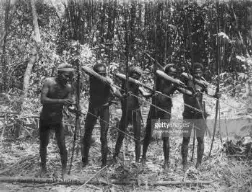
What activities did fathers teach their sons?
Cooking and weaving
Farming, fishing, hunting, and warfare
Planting and animal raising
Household chores
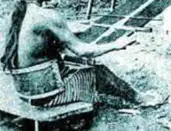
What skills did mothers teach their daughters?
Hunting and warfare
Cooking, weaving, planting, and animal raising
Fishing and farming
Leadership and teaching
What is the term for people who worshipped nature and natural forces such as the sun, stars, trees, and animals?
Animists
Babaylan
Solad
Kaluwalhatian
Who was considered the Supreme Being in the faith described?
Babaylan
Bathala
Solad
Kaluwalhatian
What were the religious leaders called in this faith?
Animists
Bathala
Katolanan/Babaylan
Solad
Where did good souls go according to this belief system?
Solad
Kaluwalhatian or Ologan
Babaylan
Bathala
What was believed to happen to bad souls in this faith?
They went to Kaluwalhatian
They went to Solad
They became Babaylan
They worshipped Bathala
What was the basic unit of government of our ancestors?
Barangay
Province
City
Nation
Who was the head of the barangay?
Raja
Datu
Umalohokan
Lakan
What role did the Raja or Lakan serve in the barangay?
Announcer of laws
Head of the barangay
Lawmaker, implementer, and judge
Warrior
Who was responsible for announcing the datu's new laws to the people?
Raja
Umalohokan
Datu
Lakan
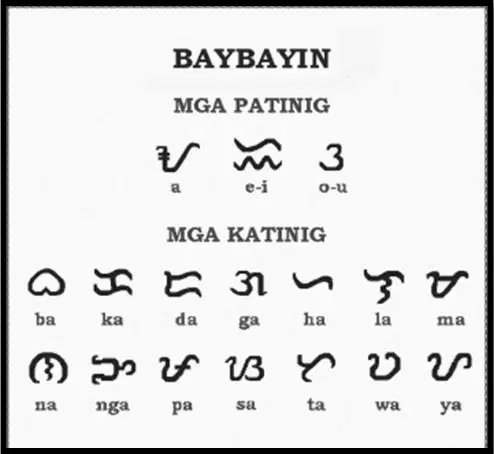
What is Baybayin?
A type of food
An ancient alphabet where each syllable is represented by a character
A traditional dance
A musical instrument
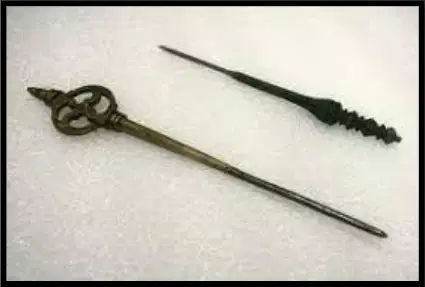
What tool did our ancestors use for writing?
Sipol
Baybayin
Oral Traditions
Bamboo
How were oral traditions passed down through generations?
By writing them in books
By passing them from one generation to another through spoken word
By carving them on stones
By recording them on tapes
What are examples of oral traditions mentioned in the text?
Folk hymns, legends, myths, riddles, epics, and sayings
Poems, novels, and essays
Songs, dances, and paintings
Stories, sculptures, and carvings
What is the main theme of the learning material shown in the image?
Heritage Sites as Part of the Filipinos Cultural Identity
Modern Architecture in the Philippines
Natural Wonders of the Philippines
Famous Filipino Festivals
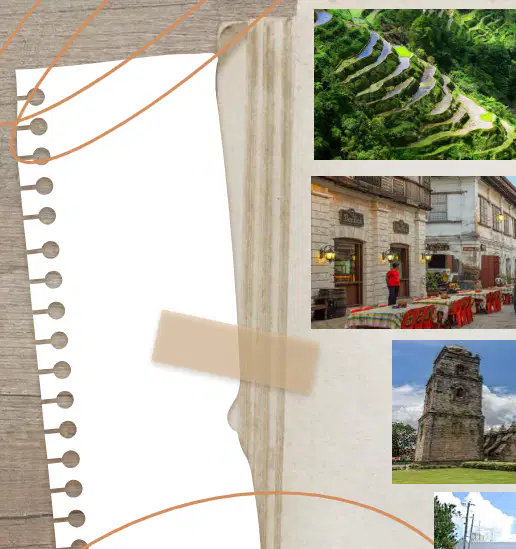
Which of the following is an example of a heritage site in the Philippines, as shown in the image?
Banaue Rice Terraces
A modern shopping mall
A newly built skyscraper
A theme park

What is the name of the heritage site that reflects the industriousness, patience, and artistic traits of the Filipinos?
Chocolate Hills
Taal Volcano
Ifugao or Banaue Rice Terraces
Mayon Volcano
Which traits of the Filipinos are mirrored by the Ifugao or Banaue Rice Terraces?
Industriousness, patience, and artistic traits
Courage, strength, and resilience
Hospitality, kindness, and generosity
Intelligence, creativity, and leadership
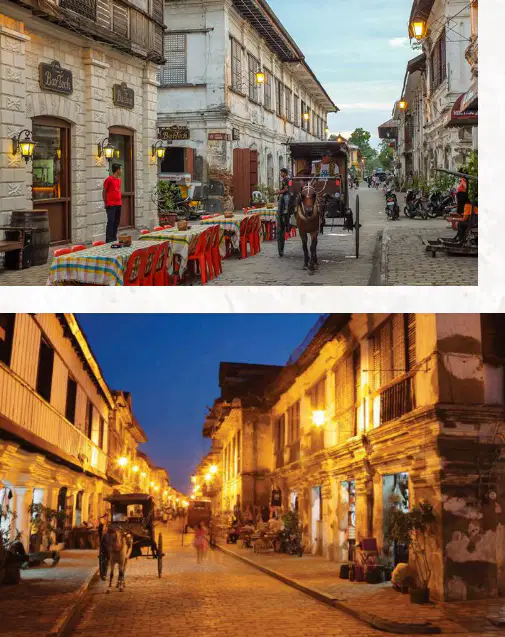
What does Vigan City in Ilocos Sur reflect about Filipino culture?
The modern lifestyle of Filipinos
The colorful history of Filipinos with Western influences
The agricultural practices of Filipinos
The technological advancements in the Philippines
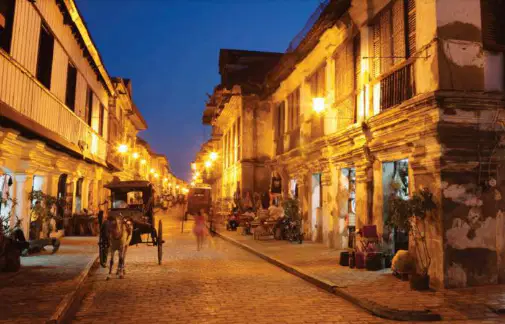
When was Vigan City declared a UNESCO World Heritage Site?
1989
1999
2009
2019
What organization declared Vigan City as a World Heritage Site?
WHO
UNESCO
UNICEF
ASEAN
What material is the bell tower of the San Agustin Church in Paoay made of?
Coral stone
Marble
Granite
Sandstone
Why was the bell tower of the San Agustin Church in Paoay purposely built?
To serve as a watchtower
To protect against earthquakes
To store church bells
To symbolize wealth
What type of architecture is the San Agustin Church in Paoay an example of?
Gothic architecture
Baroque architecture
Romanesque architecture
Modern architecture
In what year was the San Agustin Church in Paoay declared a UNESCO Heritage site?
1985
1993
2000
2010
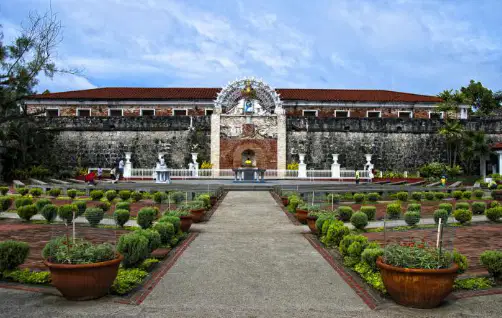
What is the Royal Fort of our Lady of the Pillar Zaragoza also known as?
Fort Pilar
Sheik Karimul Makhdum Mosque
Fort Santiago
Fort Bonifacio
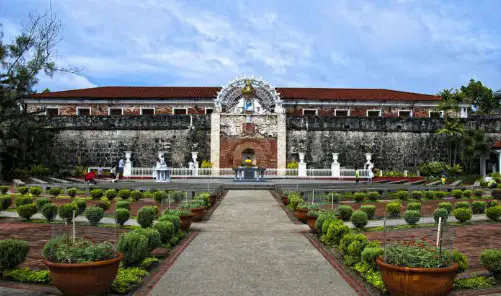
What was the primary purpose of Fort Pilar?
A place of worship
A military defense fortress against pirates and raiders
A royal palace
A trading post
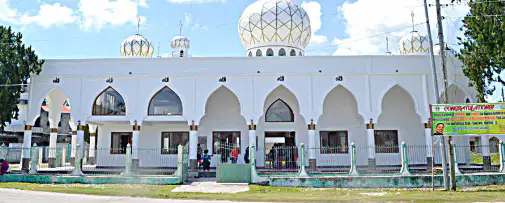
What is considered the oldest mosque in the Philippines?
Sheik Karimul Makhdum Mosque
Golden Mosque
Blue Mosque
Masjid Al-Nur
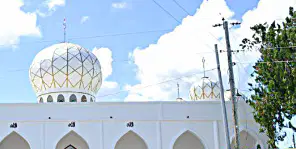
Who introduced Islam in the Philippines?
Sheik Karimul Makhdum
Sultan Kudarat
Rajah Sulayman
Lapu-Lapu
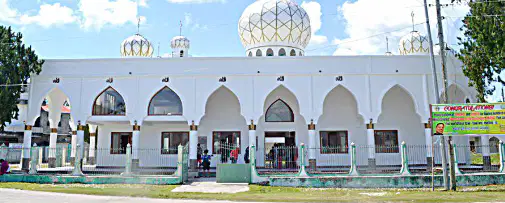
What does the Sheik Karimul Makhdum Mosque symbolize?
The military strength of the Philippines
The faith and values of Muslims in the country
The trade and commerce of Mindanao
The architectural heritage of the Philippines
What does the phrase "Bahala na" mean?
To leave everything in God's hands
A system of trade or exchange
A type of ancient writing
A traditional Filipino dance
What is the origin of the word "bathala"?
It refers to the Creator
It refers to a type of trade
It refers to a foreigner
It refers to a traditional song
What does the term "Barter" refer to?
A system of trade or exchange of goods
A type of religious practice
A form of ancient writing
A traditional Filipino festival
Who were involved in the barter system mentioned in the text?
The ancestors of Filipinos and the first group of foreigners
The ancestors of Filipinos and their neighbors
Foreigners and local merchants
Farmers and traders
What does the term "Bayanihan" refer to in Filipino culture?
A traditional dance
A way of helping each other in completing a specific task
A type of food
A form of celebration
In Indian culture, what is the term "Dowry" associated with?
A festival celebration
A gift exchange during a wedding
Money or gifts of high value given to the family of the woman whom a man will marry
A traditional dance
Which of the following is an Indian influence on weddings in the Philippines?
The use of veil and cords during weddings
The use of fireworks during celebrations
The wearing of traditional Chinese robes
The use of bamboo poles in ceremonies
What is a common Indian influence on clothing in the Philippines?
The wearing of turbans and sarongs
The use of leather jackets
The wearing of cowboy hats
The use of silk scarves
What is a traditional Indian practice adopted in Philippine weddings?
Showering rice grains to the newly-weds
Lighting candles in a circle
Breaking a clay pot for good luck
Dancing around a bonfire
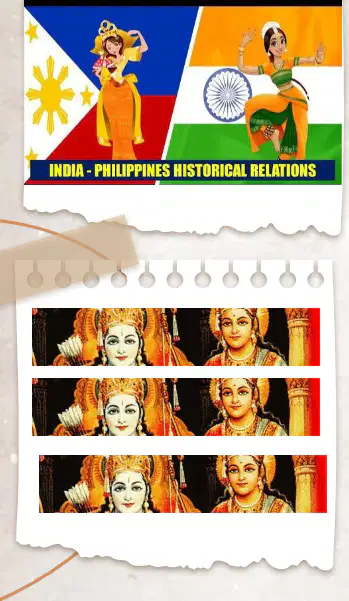
Which of the following is an example of an Indian cultural influence in gift-giving during weddings?
Giving dowry
Exchanging rings
Offering fruits to the guests
Giving a bouquet of flowers
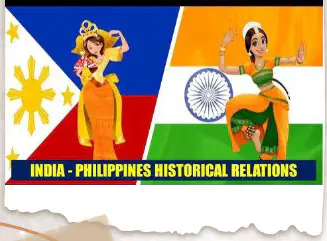
What is the ritual dance mentioned in the Indian influences for those who wish to have a child?
A dance for rain
A dance for harvest
A ritual dance for those who wish to have a child
A dance for weddings
What is the term used to describe the belief in leaving things to fate, as mentioned in the Indian influences?
Karma syndrome
Bahala na syndrome
Destiny syndrome
Faith syndrome
According to the superstitions mentioned, what happens to a woman who sings in front of the oven?
She will become a singer
She will become a spinster
She will become a dancer
She will become a chef
Which of the following is NOT one of the Indian words mentioned in the Indian influences?
Diwata
Maharlika
Lakan
Sari
Which of the following is an example of Chinese influence in clothing?
The use of porcelain
The wearing of loose shorts and camisa de chino
The use of fireworks during the New Year Celebration
Eating siopao and mami
What Chinese influence is evident during the New Year celebration?
The use of fireworks
Eating lugaw and pansit
The practice of pre-arranged marriages
The use of porcelain
Which of the following foods is NOT influenced by Chinese culture?
Siopao
Mami
Chop suey
Pizza
What practice influenced by Chinese culture shows respect for elders?
Gambling
Close family ties
The use of gunpowder
Pre-arranged marriages
Which of the following is an example of Chinese influence in gambling?
Jueteng, kuwaho, and panguingue
Siopao and mami
Fireworks
Porcelain and silver
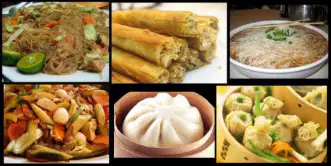
Image of a Chinese New Year celebration with a dragon dance and a variety of Chinese-influenced foods such as siopao, pansit, and mami.
Chinese New Year celebration with dragon dance and Chinese-influenced foods
Christmas celebration with Western foods
Japanese festival with sushi and ramen
Indian festival with curry and naan
What is considered the most important contribution of the Arabs to the country?
Sultanate government
Islam
Singkil dance
Kulintang and kudyapi
What type of government was headed by a sultan?
Democracy
Monarchy
Sultanate government
Republic
Which of the following is a traditional dance influenced by the Arabs and Muslims?
Tinikling
Singkil dance
Pandanggo sa Ilaw
Carinosa
Which musical instruments were introduced by the Arabs and Muslims?
Guitar and piano
Kulintang and kudyapi
Violin and flute
Drums and tambourine
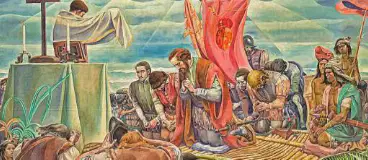
What is one of the practices introduced by the Spanish during their 333 years of influence?
Participating in religious activities
Wearing traditional Filipino clothing
Using chopsticks at the dinner table
Establishing trade routes
Which of the following dishes was introduced by the Spanish during their influence?
Menudo
Sinigang
Sushi
Kimchi
What utensils did the Spanish introduce for use at the dinner table?
Fork and spoon
Chopsticks
Hands
Wooden ladle
What type of school was established by the Spanish and governed by priests?
Parochial school
Public school
Trade school
Military school
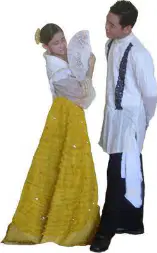
What clothing items were introduced by the Spanish for women?
Bandana and comb
Sarong and slippers
Kimono and obi
Turban and scarf
What was one of the establishments introduced in every town due to Spanish influence?
A library
A plaza
A school
A market
Which of the following is an example of a Christian name introduced by the Spanish?
Pedro
Juan
Miguel
Andres
Which of these is a Spanish last name mentioned in the text?
Cruz
Lopez
Reyes
Santos
Which of the following words is a Spanish-influenced term for "chair"?
Mesa
Silya
Bintana
Tasa
Which of these dances was introduced due to Spanish influence?
Tinikling
Fandango
Pandanggo sa Ilaw
Itik-Itik
What does the "Mañana Habit" refer to in the context of negative Spanish influences?
Putting off an activity that can be done at the moment
Showing interest in manual jobs
Celebrating simple festivities
Taking a short nap during the day
What is the "Ningas Kugon attitude" as described in the learning material?
Showing consistent effort in completing tasks
Showing enthusiasm at first but losing interest later
Taking pride in manual jobs
Avoiding reliance on helpers
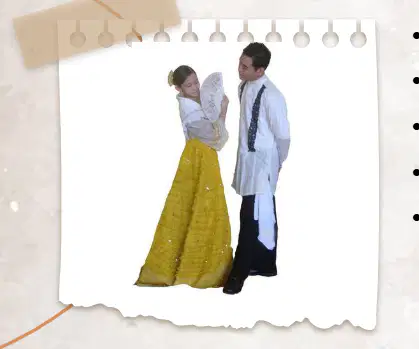
Which of the following is an example of a negative Spanish influence mentioned in the material?
Celebrating lavish festivities
Promoting manual labor
Avoiding card games
Encouraging simplicity in lifestyle
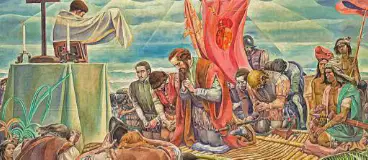
What activity is associated with indulging in horse racing and card games in the context of negative Spanish influences?
Promoting teamwork
Encouraging gambling and leisure activities
Supporting manual labor
Advocating for education
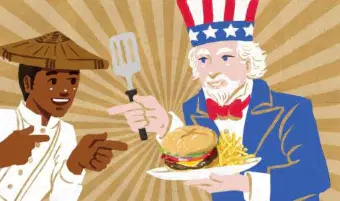
What language did Filipinos become proficient in due to American influence?
Spanish
English
French
Filipino

