
Font size
 Worksheets
World War II Review 2025
Total questions: 27
Worksheet time: 14mins

Which event directly led to the United States entering World War II?
The signing of the Treaty of Versailles
The attack on Pearl Harbor
The dropping of the atomic bomb on Hiroshima
The invasion of Normandy

What was the main purpose of propaganda posters in the United States during World War II?
To encourage citizens to travel abroad
To promote support for the war effort
To advertise new consumer products
To discourage military enlistment
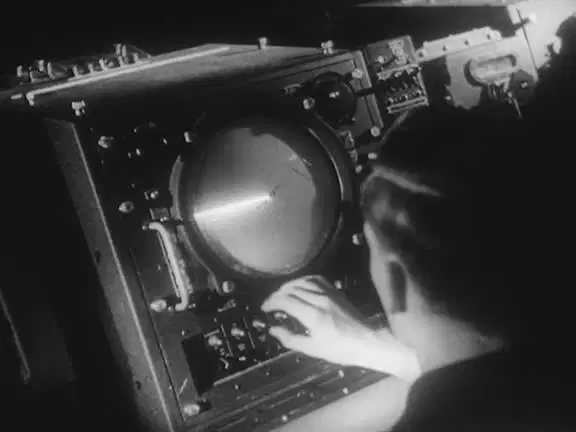
Which military technology was first widely used during World War II to detect enemy aircraft?
Tanks
Radar
Submarines
Poison gas
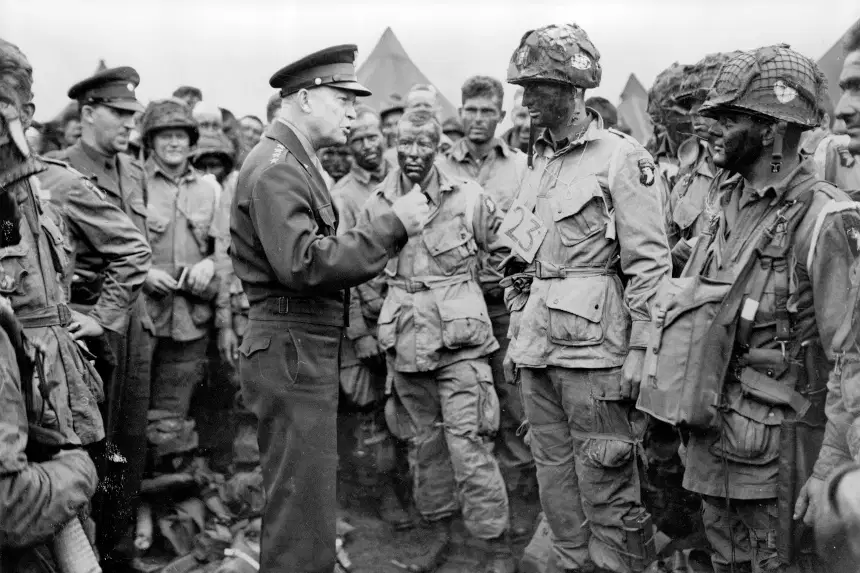
Who was the Supreme Commander of Allied Forces in Europe during World War II?
Douglas MacArthur
Chester W. Nimitz
Dwight Eisenhower
George Patton
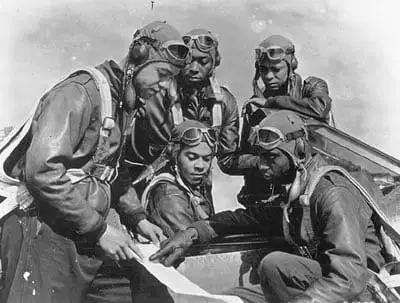
Which group was known for their bravery and contributions as African American pilots during World War II?
Flying Tigers
Navajo Code Talkers
Tuskegee Airmen
Red Tails
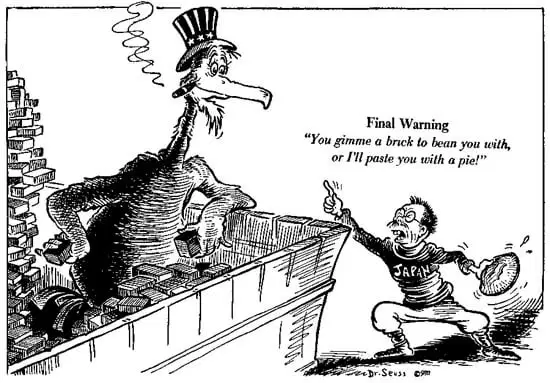
Explain how the U.S. trade embargo on Japan contributed to the outbreak of war between the two countries.
It led to increased diplomatic relations
It restricted Japan’s access to resources and prompted military aggression
It encouraged Japan to join the Allies
It resulted in Japan withdrawing from China

Describe the effect of Executive Order 9066 on Japanese Americans during World War II.
It granted citizenship to Japanese immigrants
It led to the internment of Japanese Americans in camps
It allowed Japanese Americans to serve in Congress
It ended discrimination against Japanese Americans
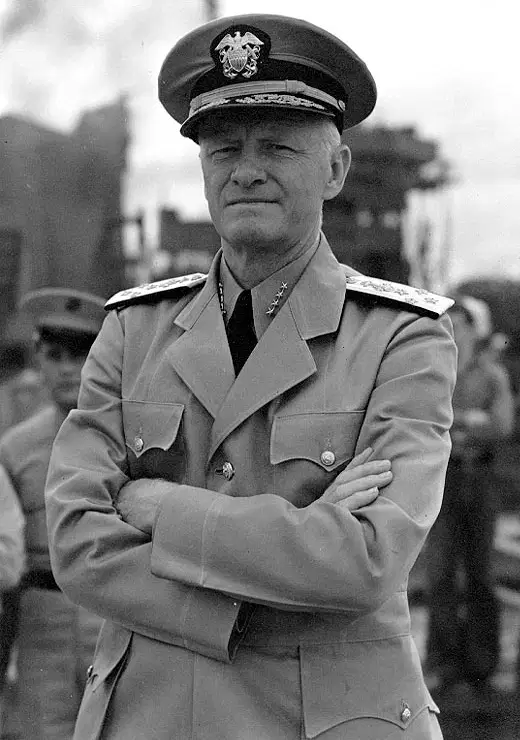
What was Chester W. Nimitz’s primary contribution to the U.S. military during World War II?
Leading the Normandy invasion
Commanding the Pacific Fleet and winning key naval battles
Developing the atomic bomb
Organizing the Manhattan Project
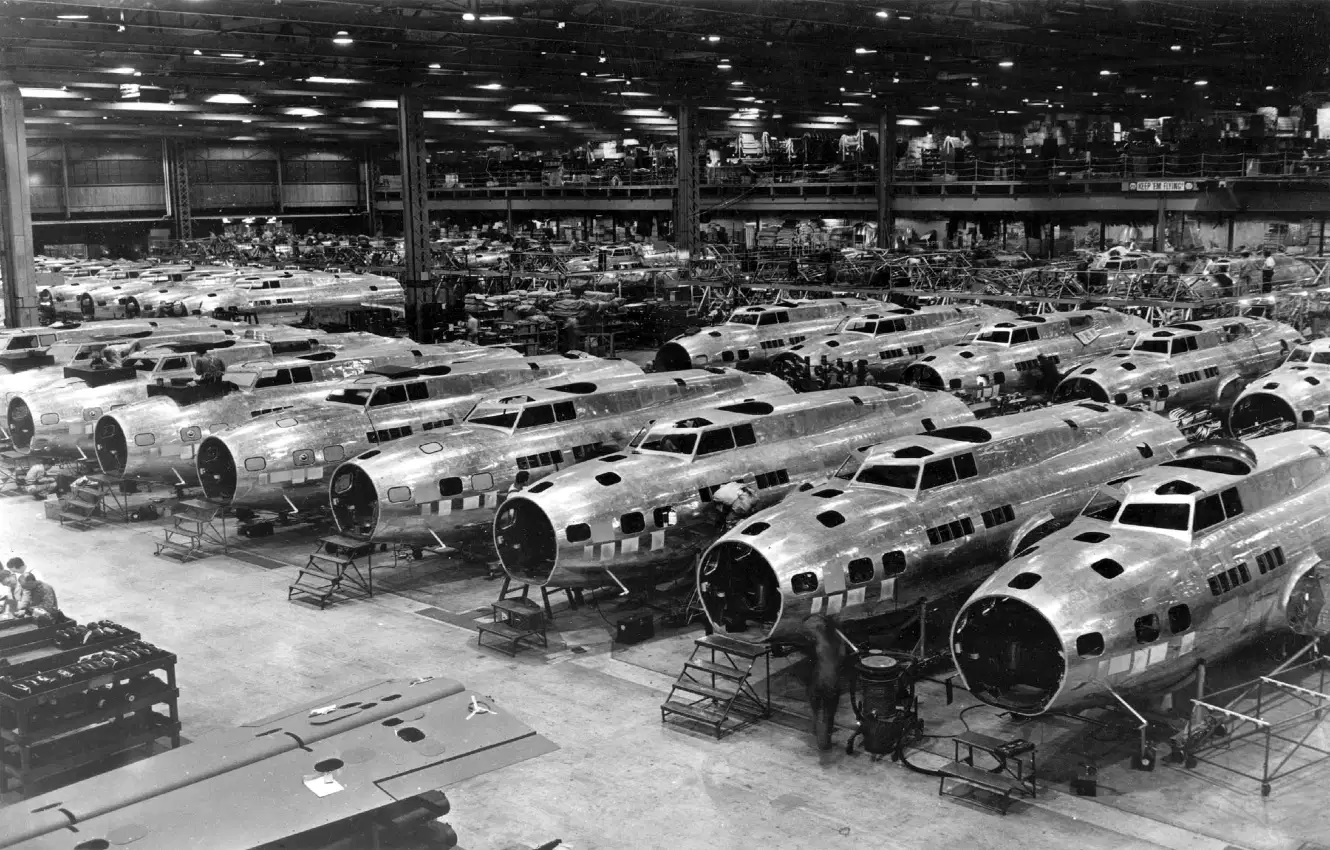
Analyze the impact of war time industries and production on the U.S. economy during World War II.
It caused a severe economic depression
It led to increased employment and economic growth
It resulted in the closure of factories
It decreased the demand for goods

Evaluate the effects of rationing on American families during World War II.
It allowed unlimited access to consumer goods
It required families to limit consumption and find alternatives
It had no impact on daily life
It led to the end of farming
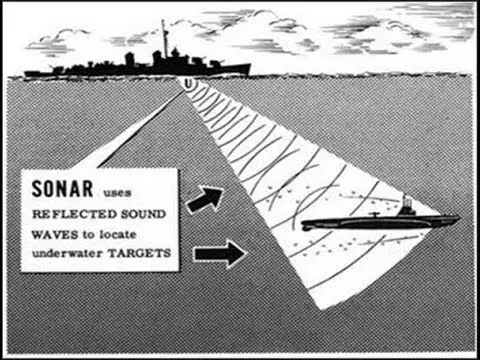
Assess how the introduction of sonar technology affected naval warfare during World War II.
It made ships invisible to enemy aircraft
It improved submarine detection and anti-submarine tactics
It decreased the effectiveness of naval blockades
It eliminated the need for aircraft carriers

Analyze the significance of the Flying Tigers’ contributions to the Allied war effort in China.
They provided critical air support and boosted morale among Chinese forces
They developed the atomic bomb
They led the Normandy invasion
They organized the internment of Japanese Americans

Which event marked the end of World War II in the Pacific?
The attack on Pearl Harbor
The German invasion of Poland
The dropping of the atomic bomb on Nagasaki
The signing of the Munich Agreement

What was the main goal of victory gardens during World War II?
To provide food for soldiers overseas
To supplement food supplies and support the war effort at home
To beautify public parks
To encourage people to buy war bonds
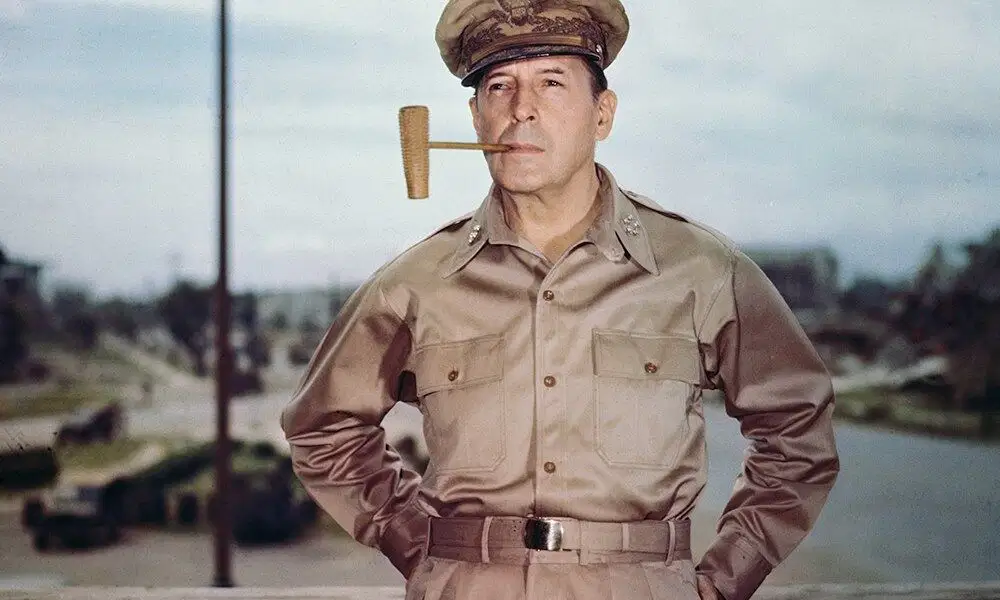
Who led U.S. Army forces in the Pacific and accepted the Japanese surrender at the end of World War II?
Dwight Eisenhower
Douglas MacArthur
Chester W. Nimitz
George Marshall

Which group used their native language to create an unbreakable code for U.S. military communications in World War II?
Tuskegee Airmen
Navajo Code Talkers
Flying Tigers
Red Tails
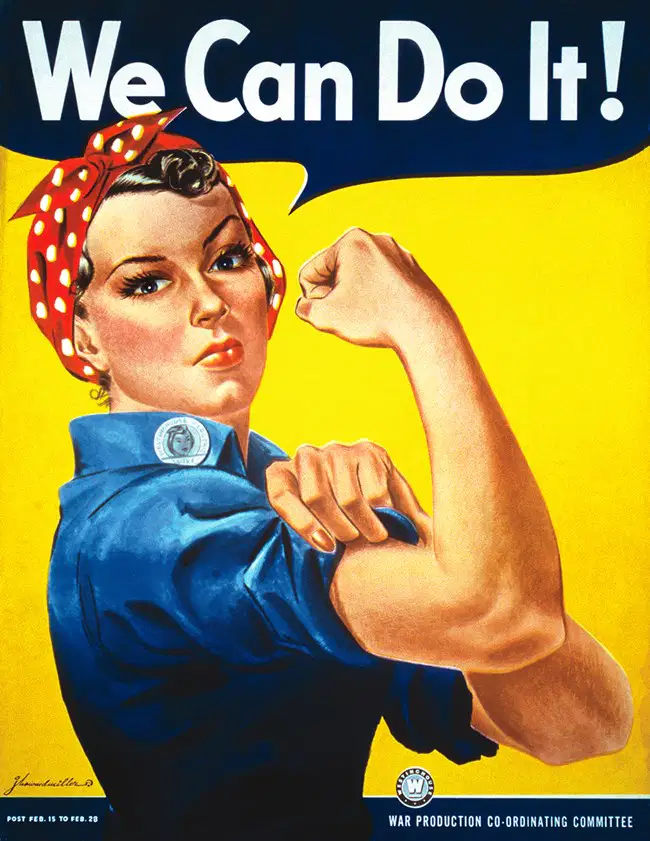
Who was Rosie the Riveter?
The first woman to work in a factory during WWII
She represented the American women that went to work during WWII
A pretty girl used for make-up advertisements
A famous pilot
How did war bonds, victory gardens and rationing impact the war effort?
they convinced people to work in war factories
they provided needed support and supplies for the troops
they had no impact
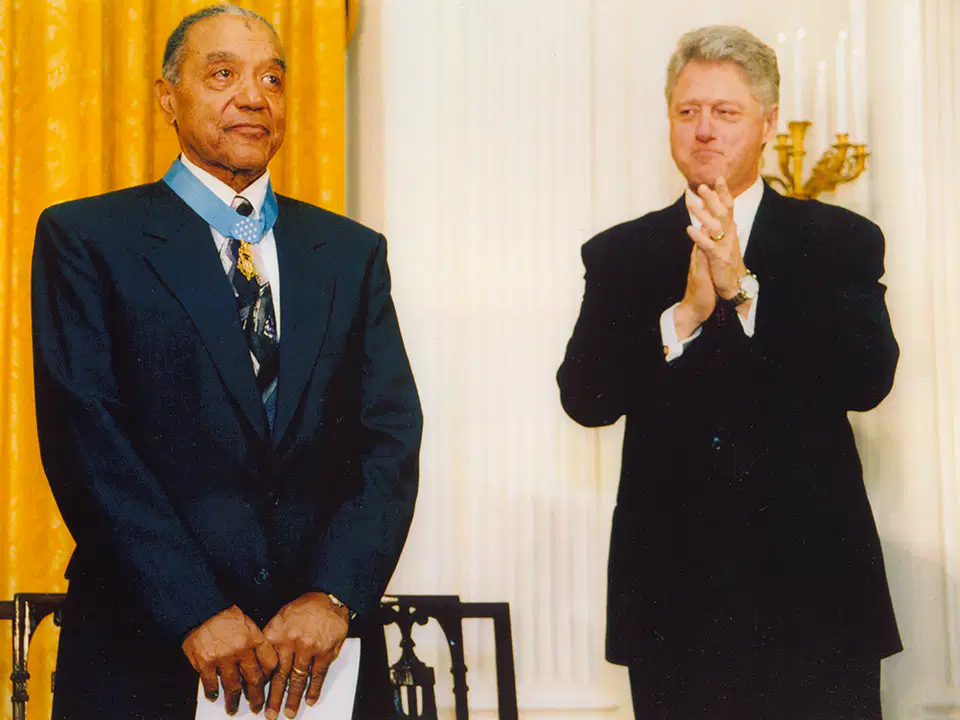
In 1997, who was the only living African American to be awarded the Medal of Honor for his service in WWII?
Dorie Millier
Leonard Harmon
George Watson
Vernon Baker
What were the primary conditions faced by prisoners during the Bataan Death March?
Harsh weather and poor shelter
Lack of food and water
Heavy combat and bombings
Friendly fire incidents
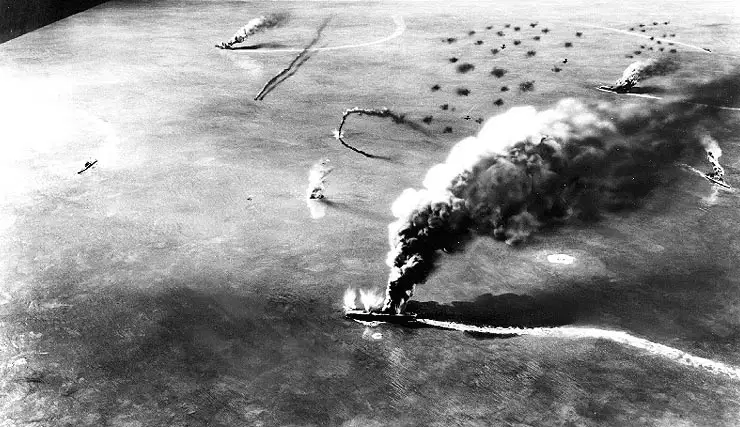
Describe the strategic importance of the Battle of Midway in World War II.
It was a minor skirmish with little impact on the war.
It marked the turning point in the Pacific, halting Japanese expansion.
It was the final battle of the war.
It resulted in the capture of the Japanese mainland.
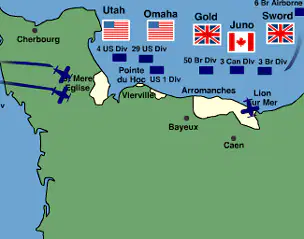
Analyze the impact of the invasion of Normandy on the European front during World War II.
It was a failed operation with no significant outcomes.
It led to the liberation of Western Europe from Nazi control.
It resulted in the immediate surrender of Germany.
It was a minor battle with limited strategic importance.
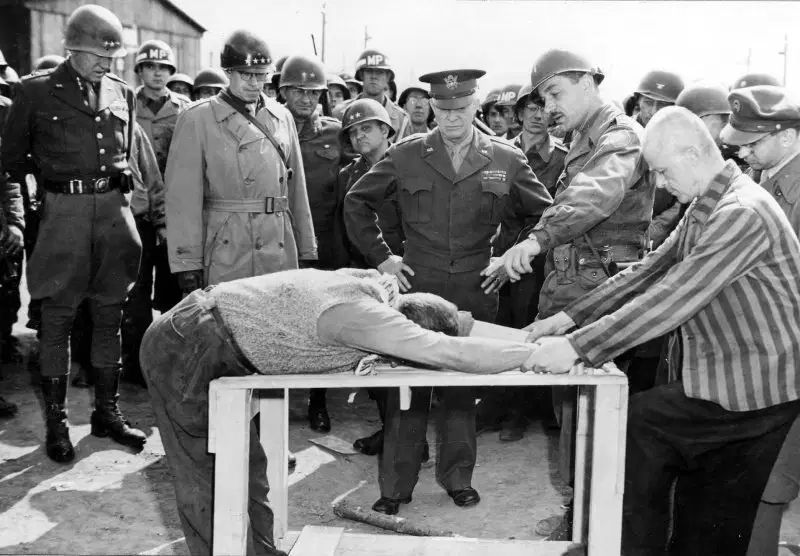
What was the significance of the liberation of concentration camps during World War II?
It revealed the extent of Nazi atrocities to the world.
It had no impact on the war's outcome.
It was a minor event with little historical significance.
It was primarily a Soviet operation with no Allied involvement.

Explain the consequences of the Bataan Death March on American and Filipino forces.
It boosted morale among the troops.
It resulted in significant loss of life and highlighted Japanese brutality.
It was a successful retreat with minimal casualties.
It had no lasting impact on the war effort.
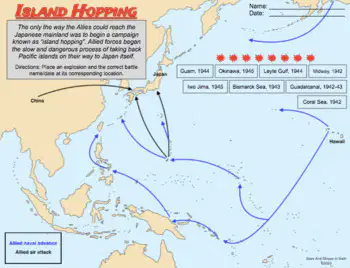
Describe the strategic importance of the Pacific Islands in the U.S. military campaign during World War II.
They were used as bases for launching attacks on the Japanese mainland.
They were primarily for resource extraction.
They had no strategic value.
They were used to negotiate peace with Japan.
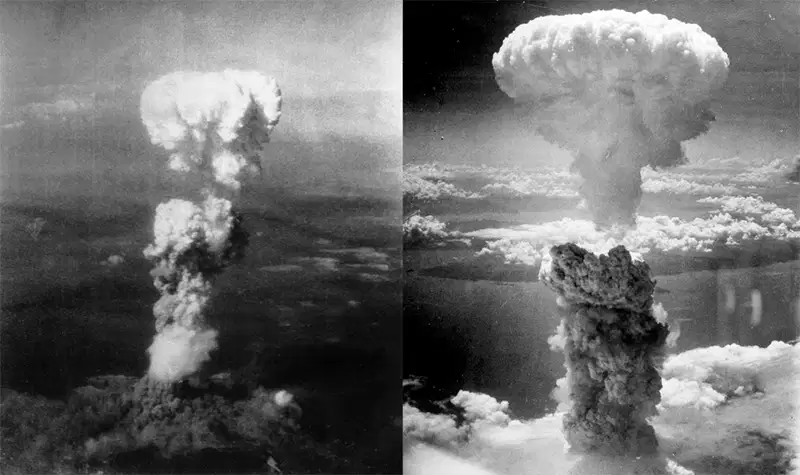
Which of the following cities in Japan were targeted with atomic bombs during the Second World War?
Hiroshima
Tokyo
Nagasaki
Osaka

The onset of World War II led to the acceleration of the Manhattan Project.
This statement indicates that during World War II the federal government -
provided technological training for soldiers on the battlefield
developed a new weapon designed to gain a strategic advantage over enemies
instituted a disaster preparedness program for the civilian population
nationalized industries considered essential to national security

