
 Worksheets
WORLD HISTORY FINAL
Total questions: 92
Worksheet time: 46mins
Name
Class
Date
1.
1. A government in which the leader typically uses the threat of force to maintain control of the government is known as a
a)
dictatorship
b)
presidential democracy
c)
constitutional monarchy
d)
parliamentary democracy
2.
2. John Locke was an Enlightenment thinker and writer. He believed that government should act to protect people’s rights, but only with the consent of the people who were governed. The people, Locke wrote, can remove the government from power. People who agreed with Locke would have:
a)
supported the concept of divine right of kings
b)
believed in absolutism and the authority of religion
c)
supported the ideas written in the Declaration of Independence
d)
opposed the ideas written in the Declaration of Independence
3.
3. In what way did the Treaty of Versailles establish conditions that led to the outbreak of World War II?
a)
it called for dissolving the League of Nations, thus removing an organization for resolving future conflicts
b)
it gave Germany too much power by letting Germany keep the Alsace-Lorraine region of France
c)
it weakened the Allied countries by making France, England and Russia reduce the size of their armies
d)
it imposed harsh reparations payments on Germany, which led to economic and political instability
4.
4. All but which of the following are motives of 19th century European imperialism:
a)
exploitation of natural resources
b)
expand markets
c)
promote the culture of the conquered natives
d)
convert inhabitants of foreign territories to Christianity
5.
5. As British rule in India came to an end, violence sparked by religious differences between Hindus and Muslims led to:
a)
the division of the country into Hindu India and Muslim Pakistan
b)
the continuation of British rule in India
c)
the takeover of India by the United Nations
d)
Gandhi boycotting British goods
6.
6. Which of these is likely to be found in a nation ruled by a dictator?
a)
a free press
b)
no freedom of speech
c)
trial by jury
d)
right to protest
7.
7. How did imperialism cause World War I?
a)
it caused a growing sense of national pride in one’s own country
b)
it led to fierce competition for additional colonies
c)
it created a competitive arms race for establishing military dominance
d)
it led to a series of alliances contributing to growing tensions
8.
8. Economies must address how to produce goods and services. In the economy of a certain country, some factories are owned by individuals and private companies and other factories are owned and controlled by the government. What type of economy does this country have?
a)
mixed
b)
market
c)
traditional
d)
command
9.
9. What belief in the Declaration of Independence demonstrates influence from Enlightenment thinkers?
a)
divine right of kings
b)
government by the consent of the people
c)
loyalty to the religious authority of the church
d)
absolute monarchy
10.
11. Which would be the most credible primary source about conditions in Nazi concentration camps during the Holocaust?
a)
a novel set in a concentration camp
b)
an account of camp life by a survivor of a concentration camp
c)
a 1942 movie produced by the German government depicting concentration camp activities
d)
a film about the camps directed by a person whose parents were in a concentration camp
11.
12. In the 19th century, European countries claimed that the conquest of Africa would bring the benefits of Western civilization to that continent. From the perspective of African people, the effect was:
a)
loss of political independence
b)
fewer agricultural products for foreign trade
c)
new national boundaries based on ethnic and cultural similarities
d)
global appreciation for African cultures and encouragement of their development
12.
13. With new technology, European textile industries increased production during the Industrial Revolution. How did this directly relate to the Age of Imperialism?
a)
European nations were forced to produce more textiles to keep pace with the population growth
b)
Europeans searched for new markets in Africa and Asia to sell and trade textiles as well as land to get resources
c)
Europeans increased production of textiles to force Africans and Asians to become more European
d)
European businessmen were satisfied with their existing production rates and markets
13.
14. From your knowledge of the French Revolution, identify which of the following is the most likely thesis statement about this revolution.
a)
the French mob stormed a former prison and killed some of the king’s troops
b)
as a result of the revolution, Louis XVI was tried by the Jacobins and executed
c)
the most significant cause of the French Revolution was over taxation of the Third Estate
d)
the guillotine was used to execute people during the Reign of Terror
14.
15. What was one idea that the leaders of the American Revolution shared with Enlightenment thinkers?
a)
Colonies exist to provide raw materials and markets for mother countries.
b)
The people have the right to overthrow their government if it abuses its powers.
c)
Governments may restrict freedom of speech and of the press during times of crisis.
d)
Factories and businesses should be owned by the government rather than by individuals.
15.
16. Which of the following is an example of nonviolent noncooperation?
a)
women voting
b)
writing a letter to the editor of your local newspaper
c)
Gandhi encouraging Indians to boycott British goods
d)
publicly criticizing the President.
16.
17. In the late 1700’s European countries were experiencing a period of industrialization and witnessed the development of labor unions. Labor unions allowed the working class to engage in collective bargaining with their employers for the first time in history. How did the formation of labor unions benefit working class men, women and children?
a)
it made communities less safe
b)
eventually workers had more power to negotiate for better pay and benefits
c)
it worsened working conditions
d)
it had no social effect on the working class
17.
18. Which of the following represents a major reason why World War I led to a worldwide depression?
a)
European nation’s economies prospered after the war
b)
more jobs were available during peacetime then during wartime
c)
nations had war debts but needed to rebuild damaged property and industries
d)
the United States refused to loan money to European nations for rebuilding
18.
19. Which of the following is NOT representative of how a constitutional monarchy uses its power?
a)
constitutional monarchies grant the king or queen only limited power
b)
constitutional monarchies probably guarantee its citizens freedom of religion and a trial by jury
c)
constitutional monarchies probably restrict freedom of speech, press and the right to own private property
d)
constitutional monarchies utilize a constitution in order to limit the power of the central government
19.
20. Which of the following contributed to the end of apartheid in South Africa:
a)
the activities of Nelson Mandela and the African National Congress
b)
international boycotts against goods sold or produced in South Africa
c)
South Africa being kicked out of the United Nations
d)
all of the above
20.
21. In a democracy, the source of power for the government is the
a)
head of state
b)
legislature
c)
courts
d)
people
21.
22. Enlightenment philosophers such as John Locke and Jean-Jacques Rousseau wrote that the relationship between citizens and their government was a social contract. Which statement describes the impact of the idea of government as a social contract on the French Revolution in 1789?
a)
the king granted women the right to vote
b)
French citizens demanded their natural rights
c)
the king raised taxes to pay off the public debt
d)
French citizens supported the king against the nobles
22.
23. By 1800, London was industrialized and had a population of 1 million people, making it Europe’s largest city. Its population was twice the size of Paris, Europe’s second largest city. By 1901, London’s population was 4.5 million people. By the turn of the century, there were consequences to London’s rapid urbanization. Which of the following were the most likely short-term consequences of its rapid growth?
a)
decreased life expectancy, epidemics (widespread diseases), and a lack of universal education
b)
better roads, bus transportation and the growth of the middle class
c)
migration of people to farming communities
d)
good schools and police protection
23.
24. George Orwell, a well-known author, frequently commented on the evils of British imperialism. However, he once remarked, “Look at India and the large amount of railways, and then look at the regions around India and notice the lack of railways.” What is George Orwell implying about British imperialism in relationship to India?
a)
British imperialism had only negative effects on India. There were no positive effects.
b)
British imperialism was not perfect, but their influence in India helped advance communication and transportation.
c)
British railway companies made millions of dollars on India railway contracts.
d)
British imperialism was the best policy for regions outside of India
24.
25. When the government controls all major industries and decides what products will be produced and how many of each type of product will be produced, what type of economy is described?
a)
mixed
b)
market
c)
traditional
d)
command
25.
26. Which of the following best describes a POLITICAL (relating to government) cause for the Age of Imperialism?
a)
traders and merchants sought new markets to sell their goods.
b)
missionaries attempted to spread Christianity to all continents.
c)
nations believed they would gain more global respect and control by acquiring colonies.
d)
westerners believed that their culture was inferior to native African and Middle Eastern cultures.
26.
27. Which of the following statements is biased?
a)
the sun never set on the British Empire
b)
Napoleon lost the Battle of Waterloo
c)
Gandhi practiced nonviolent noncooperation
d)
civil disobedience is the best way to solve problems
27.
28. Which of the following correctly shows the relationship between the Russian Revolution and World War I?
a)
World War I was a major cause of the Russian revolution
b)
the Russian Revolution was cause of World War I
c)
there is no direct relationship between these two events
d)
the Russian Revolution and World War I did not occur during the same time period
28.
29. Opportunities for citizen participation would likely be greatest in a(n)
a)
theocracy
b)
dictatorship
c)
absolute monarchy
d)
constitutional monarchy
29.
30. The Holocaust perpetrated by Nazi Germany during World War II was intended to:
a)
integrate immigrants into German society
b)
segregate Jewish people in a separate, independent state
c)
eliminate, through genocide, the Jewish people
d)
encourage German Jews to immigrate to Israel
30.
31. In determining what to produce, how do market economies typically respond to high consumer demand for a product?
a)
the government regulates the price of the product.
b)
private companies increase production of the product. (supply)
c)
the government sets production quotas until the demand is met.
d)
private companies and the government work together to reduce demand.
31.
33. The League of Nations was created after World War I as a forum for resolving international conflicts. However, the League was unable to resolve tensions that led to World War II. One factor that contributed to the ineffectiveness of the League was the
a)
breakup of colonial empires in Africa and Asia
b)
decision of the United States not to join the League
c)
opposition of League members to the Treaty of Versailles
d)
rise of the Cold War between the United States and the Soviet Union
32.
34. On way that absolute monarchs maintained their power was through:
a)
divine right
b)
elections
c)
allowing protests
d)
allowing freedom of religion
33.
35. When the private section decides what to produce, how to produce, and for whom to produce, the economic system is called:
a)
traditional
b)
market
c)
command
d)
mixed
34.
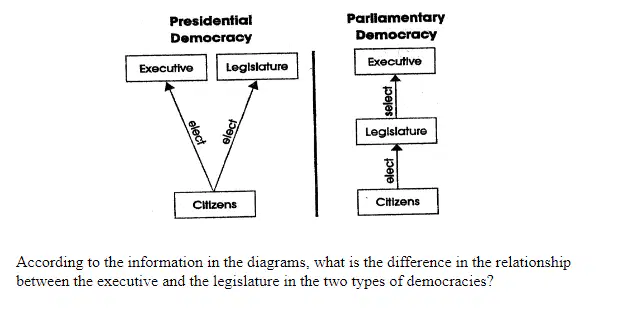
36. Use the following diagrams representing the structure of two forms of government to answer the following question:
a)
in a presidential democracy, the executive is more accountable to the legislature
b)
in a presidential democracy, the legislature is more accountable to the executive
c)
in a presidential democracy, the executive and the legislature are directly accountable to the citizens
d)
in a presidential democracy, the executive and the legislature are less accountable to the citizens
35.
37. A factor that contributed to the rise to power of Hitler and the Nazi Party in Germany following World War I was:
a)
the Treaty of Versailles was too easy on Germany
b)
economic hardships in Germany caused by heavy war reparations called for in the Treaty of Versailles
c)
the Nazi’s tolerant view of race and ethnicity, which increased party membership
d)
postwar prosperity in Germany that helped the Nazi’s appeal to a wide range of people
36.
38. Great Britain and Germany blockaded each other’s seaports during WW I. What effect would this have on the economy of the blockaded country?
a)
the economy would suffer due to decreased trade
b)
the economy would improve due to increased trade.
c)
there would be no change
d)
there would be weeping, wailing and gnashing of teeth.
37.
39. What method is typically used by citizens in parliamentary and presidential democracies to achieve governmental change?
a)
elections
b)
revolution
c)
civil war
d)
secession
38.
40. Britain and France suffered heavy casualties during World War I. Because of this, when faced with Axis expansion before World War II, these countries were:
a)
unwilling to take actions that might start another war
b)
prepared to use military intervention wherever necessary
c)
dependent on the United States to intervene in an international crisis
d)
reluctant to call upon the League of Nations to settle disputes
39.
41. The Scientific Revolution contributed to the Age of Reason by:
a)
discouraging the use of the scientific method
b)
supporting the idea of the divine right of kings
c)
supporting the geocentric theory
d)
creating a willingness to question old ideas
40.
42. All but which of the following were weapons used for the first time on a large scale during World War I?
a)
airplanes
b)
tanks
c)
long-bows
d)
machine guns
41.
43. developed the heliocentric theory
a)
Martin Luther
b)
Louis XIV
c)
Copernicus
d)
John Locke
e)
Peter I
42.
44. czar whose reforms westernized Russia
a)
Martin Luther
b)
Louis XIV
c)
Copernicus
d)
John Locke
e)
Peter I
43.
45. his 95 Theses set the stage for the Protestant Reformation
a)
Martin Luther
b)
Louis XIV
c)
Copernicus
d)
John Locke
e)
Peter I
44.
46. the Sun King; built Versailles; drove France into debt
a)
Martin Luther
b)
Louis XIV
c)
Copernicus
d)
John Locke
e)
Peter I
45.
47. he believed that all men were born with three natural rights of life, liberty, and property; his Two Treatises on Government inspired American colonists
a)
Martin Luther
b)
Louis XIV
c)
Copernicus
d)
John Locke
e)
Peter I
46.
48. Was the king of France when the revolution began
a)
William Wilberforce
b)
Nicholas II
c)
Woodrow Wilson
d)
Louis XVI
e)
Adolf Hitler
47.
49. Leader of the Nazi Party during World War II; created the Third Reich
a)
William Wilberforce
b)
Nicholas II
c)
Woodrow Wilson
d)
Louis XVI
e)
Adolf Hitler
48.
50. President of the United States during World War I
a)
William Wilberforce
b)
Nicholas II
c)
Woodrow Wilson
d)
Louis XVI
e)
Adolf Hitler
49.
51. Led the movement to abolish the slave trade in Britain
a)
William Wilberforce
b)
Nicholas II
c)
Woodrow Wilson
d)
Louis XVI
e)
Adolf Hitler
50.
52. Czar of Russia who was forced to abdicate during the Russian Revolution
a)
Nicholas II
b)
Woodrow Wilson
c)
Louis XVI
d)
Adolf Hitler
51.
53. A radical communist who took power in Russia after the Civil War
a)
Vladimir Lenin
b)
Franklin Roosevelt
c)
Napoleon
d)
Joseph Stalin
e)
Adam Smith
52.
54. Totalitarian leader of the Soviet Union after Lenin’s death; led the Soviet Union through World War II
a)
Vladimir Lenin
b)
Franklin Roosevelt
c)
Napoleon
d)
Joseph Stalin
e)
Adam Smith
53.
55. Emperor of France who fell from power after the Battle of Waterloo
a)
Vladimir Lenin
b)
Franklin Roosevelt
c)
Napoleon
d)
Joseph Stalin
e)
Adam Smith
54.
56. Wrote The Wealth of Nations in which he argued that governments should not attempt to control economies (laissez-faire)
a)
Vladimir Lenin
b)
Franklin Roosevelt
c)
Napoleon
d)
Joseph Stalin
e)
Adam Smith
55.
57. President of the United States during World War II
a)
Vladimir Lenin
b)
Napoleon
c)
Joseph Stalin
d)
Adam Smith
e)
Franklin D. Roosevelt
56.
58. Used nonviolent noncooperation to end the British Raj in India
a)
Robespierre
b)
Winston Churchill
c)
Nelson Mandela
d)
Mohandas Gandhi
e)
Karl Marx
57.
59. Prime Minister of Great Britain during World War II
a)
Robespierre
b)
Winston Churchill
c)
Nelson Mandela
d)
Mohandas Gandhi
e)
Karl Marx
58.
60. Imprisoned for nearly 30 years for leading protests to end apartheid in South Africa
a)
Robespierre
b)
Winston Churchill
c)
Nelson Mandela
d)
Mohandas Gandhi
e)
Karl Marx
59.
61. Led France through the Reign of Terror; was guillotined
a)
Robespierre
b)
Winston Churchill
c)
Nelson Mandela
d)
Mohandas Gandhi
e)
Karl Marx
60.
62. wrote The Communist Manifesto
a)
Robespierre
b)
Winston Churchill
c)
Nelson Mandela
d)
Mohandas Gandhi
e)
Karl Marx
61.
63. Leader of Germany during World War I
a)
David Livingstone
b)
Rasputin
c)
Omar Al-Bashir
d)
Archduke Ferdinand
e)
Kaiser Wilhelm
62.
64. Missionary whose explorations sparked interest in Africa
a)
David Livingstone
b)
Rasputin
c)
Omar Al-Bashir
d)
Archduke Ferdinand
e)
Kaiser Wilhelm
63.
65. His assassination started World War I
a)
David Livingstone
b)
Rasputin
c)
Omar Al-Bashir
d)
Archduke Ferdinand
e)
Kaiser Wilhelm
64.
66. Mystic faith healer who caused problems for the Russian royal family
a)
David Livingstone
b)
Rasputin
c)
Omar Al-Bashir
d)
Archduke Ferdinand
e)
Kaiser Wilhelm
65.
67. Queen of the British Empire during the 19th century; she led the country through the Industrial Revolution and the Age of Imperialism
a)
Victoria
b)
Elizabeth I
c)
Mary Wollstonecraft
d)
Marie Antoinette
66.
68. Queen of France who was guillotined during the French Revolution
a)
Victoria
b)
Elizabeth I
c)
Mary Wollstonecraft
d)
Marie Antoinette
67.
69. Enlightenment writer who argued that women needed to be educated to be virtuous and feel useful
a)
Victoria
b)
Elizabeth I
c)
Mary Wollstonecraft
d)
Marie Antoinette
68.
70. Tudor monarch; daughter of Henry VIII; queen who defeated the Spanish Armada
a)
Victoria
b)
Elizabeth I
c)
Mary Wollstonecraft
d)
Marie Antoinette
69.
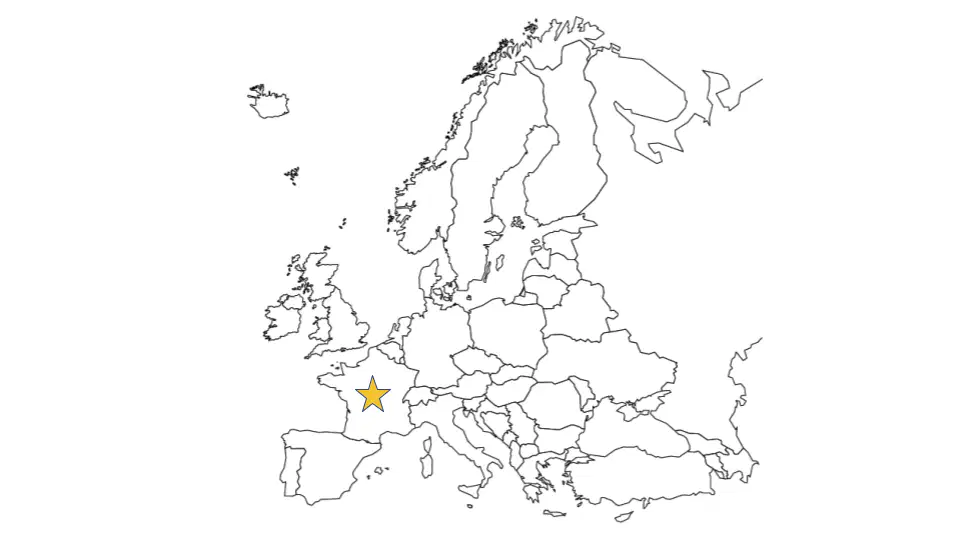
71. Identify the starred country.
a)
Spain
b)
France
c)
Germany
d)
Poland
70.
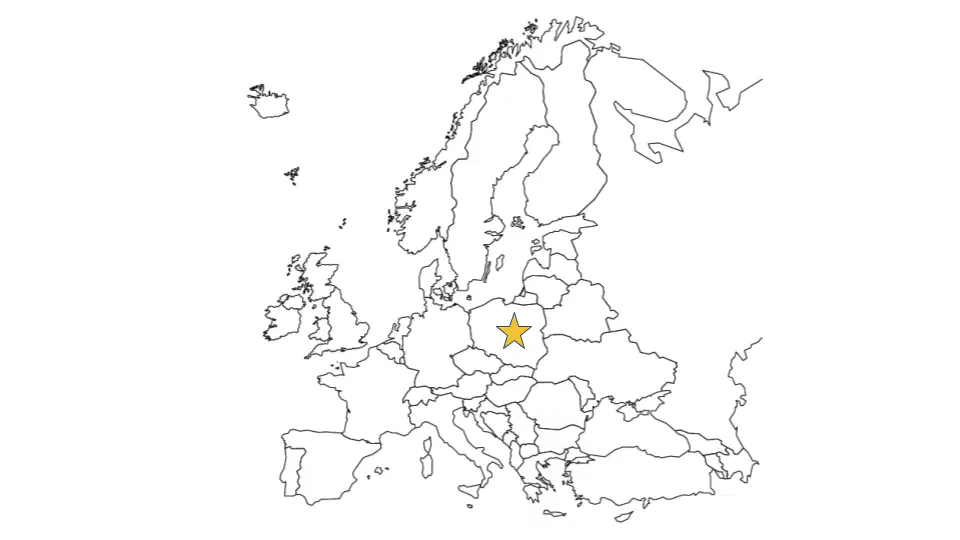
72. Identify the starred country.
a)
Portugal
b)
France
c)
Germany
d)
Poland
71.
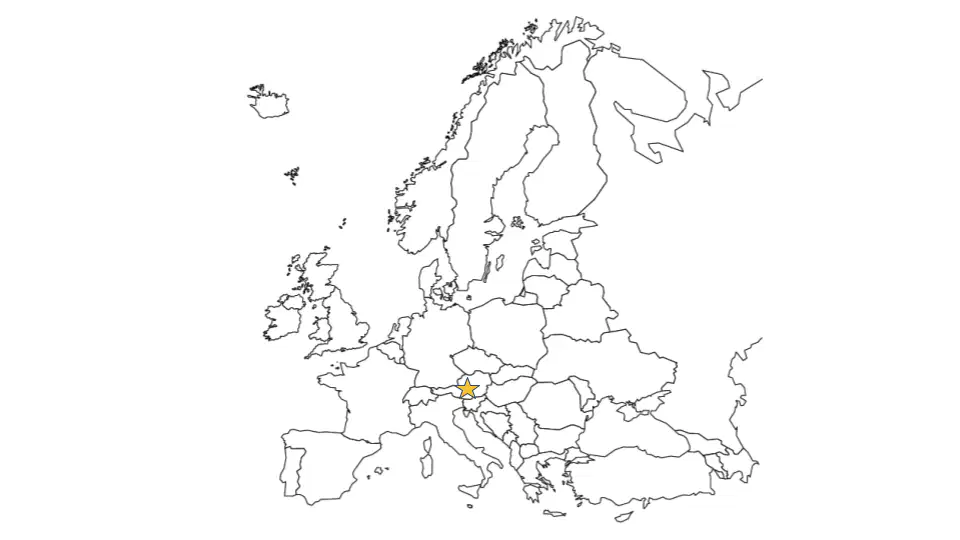
73. Identify the starred country.
a)
Spain
b)
Belgium
c)
Austria
d)
Great Britain
72.
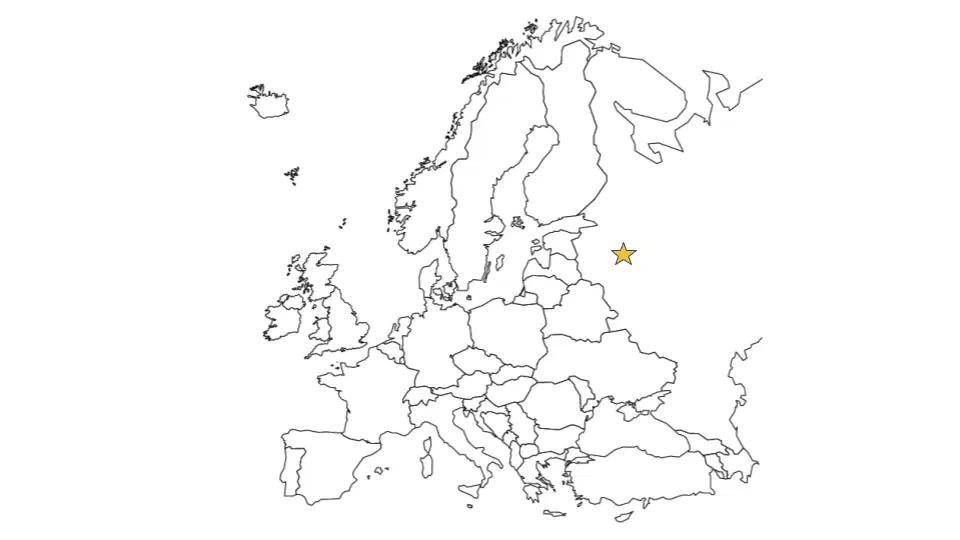
74. Identify the starred country.
a)
Russia
b)
Germany
c)
Turkey
d)
Great Britain
73.
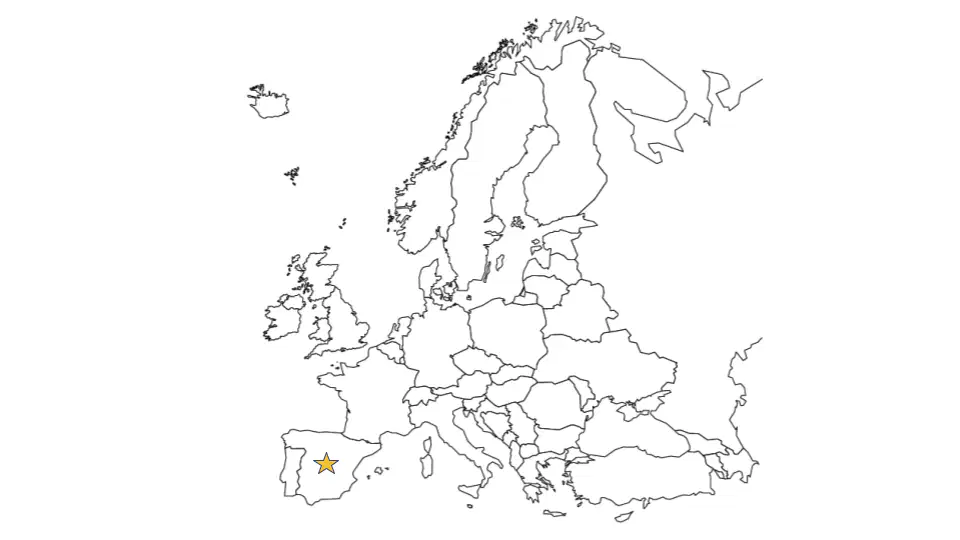
75. Identify the starred country.
a)
France
b)
Russia
c)
Italy
d)
Spain
74.
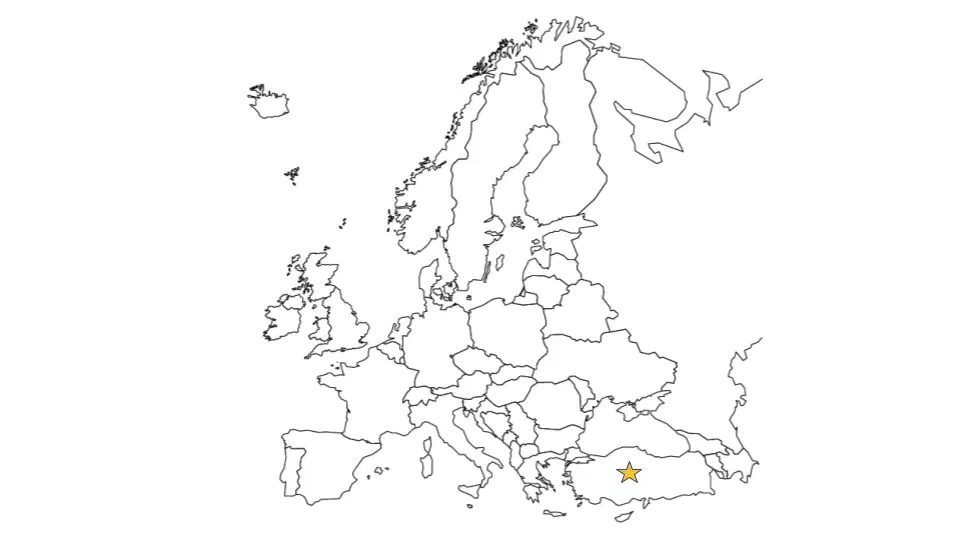
76. Identify the starred country.
a)
Russia
b)
Turkey
c)
Spain
d)
Austria
75.
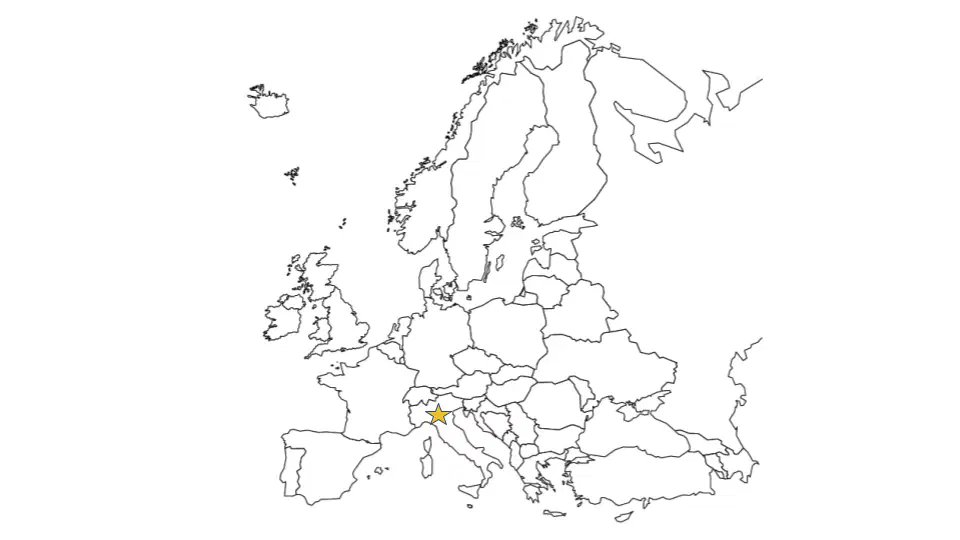
77. Identify the starred country.
a)
Poland
b)
Austria
c)
Germany
d)
Italy
76.
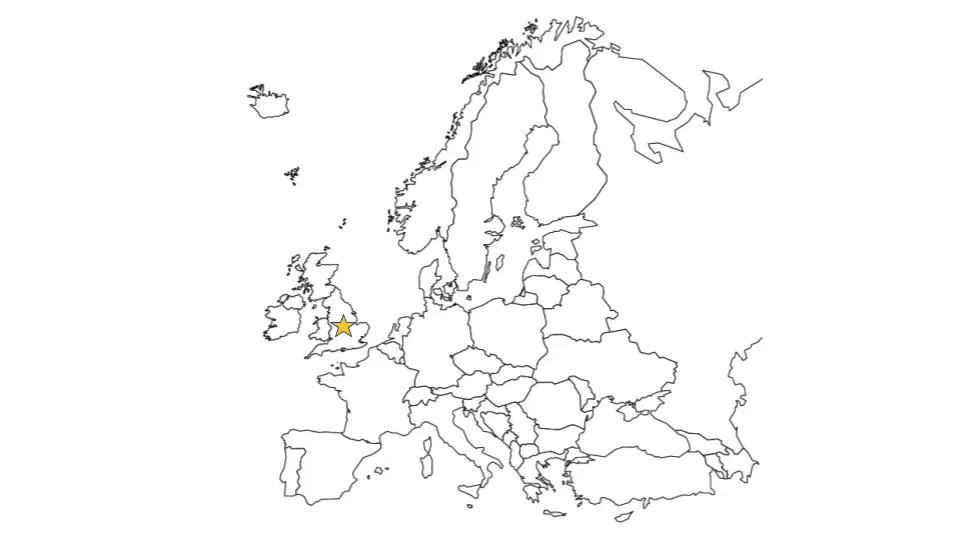
78. Identify the starred country.
a)
Great Britain
b)
Poland
c)
Russia
d)
Portugal
77.
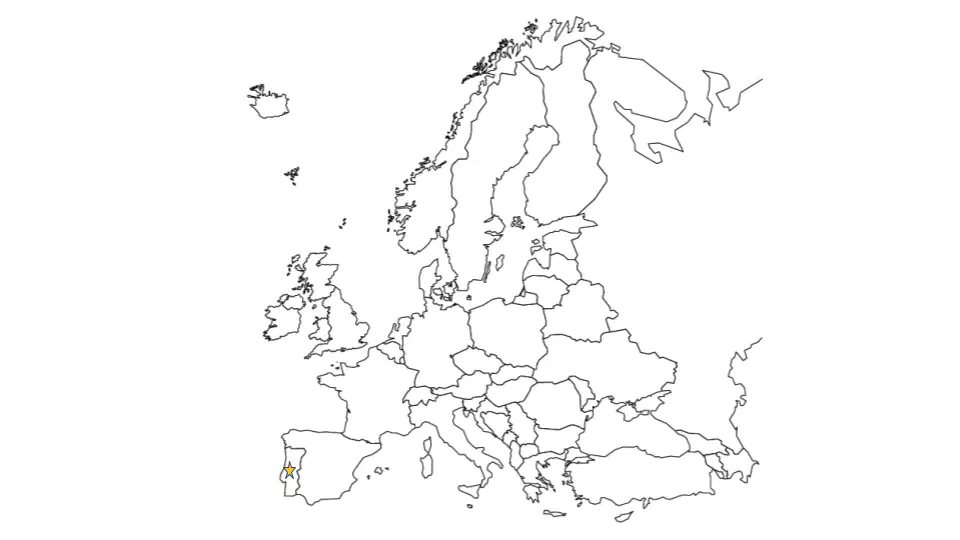
79. Identify the starred country.
a)
Germany
b)
Poland
c)
Belgium
d)
Portugal
78.
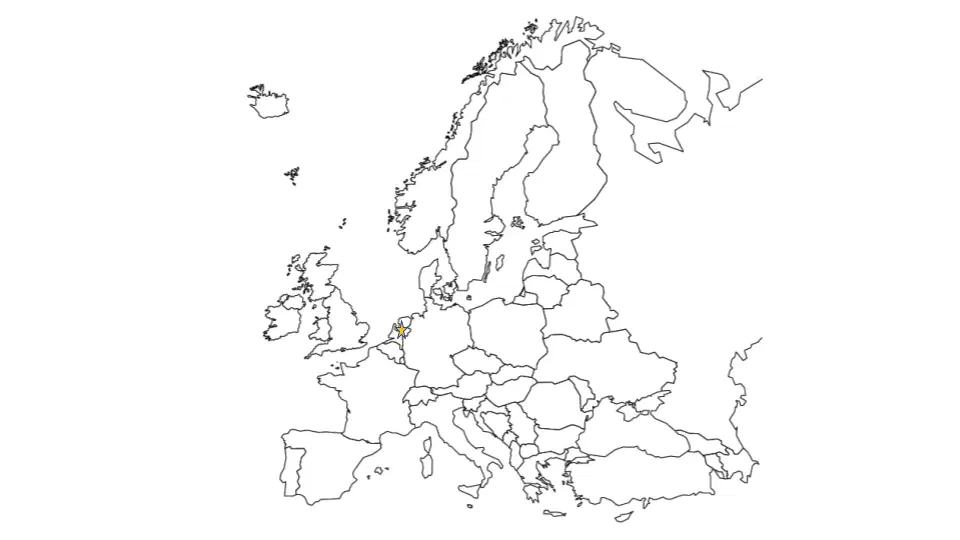
80. Identify the starred country.
a)
Netherlands
b)
Belgium
c)
Portugal
d)
Russia
79.
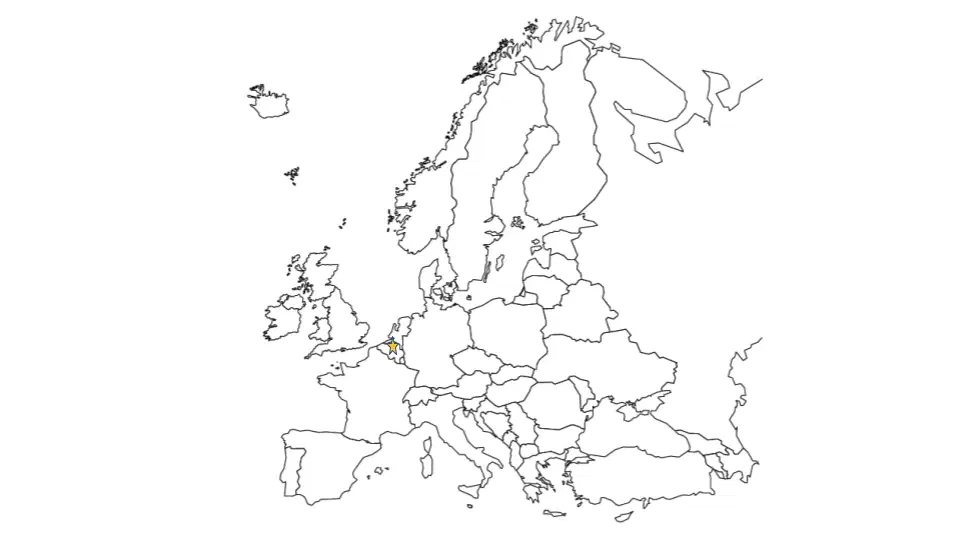
81. Identify the starred country.
a)
Netherlands
b)
Belgium
c)
Portugal
d)
Russia
80.
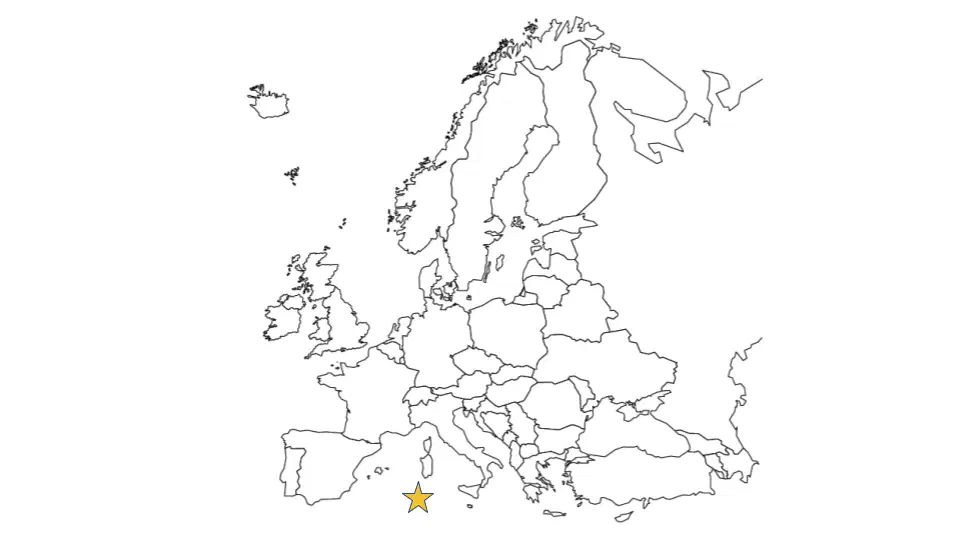
82. Identify the starred body of water.
a)
Mediterranean Sea
b)
North Sea
c)
English Channel
d)
Atlantic Ocean
81.

83. Identify the starred body of water.
a)
Mediterranean Sea
b)
North Sea
c)
English Channel
d)
Atlantic Ocean
82.
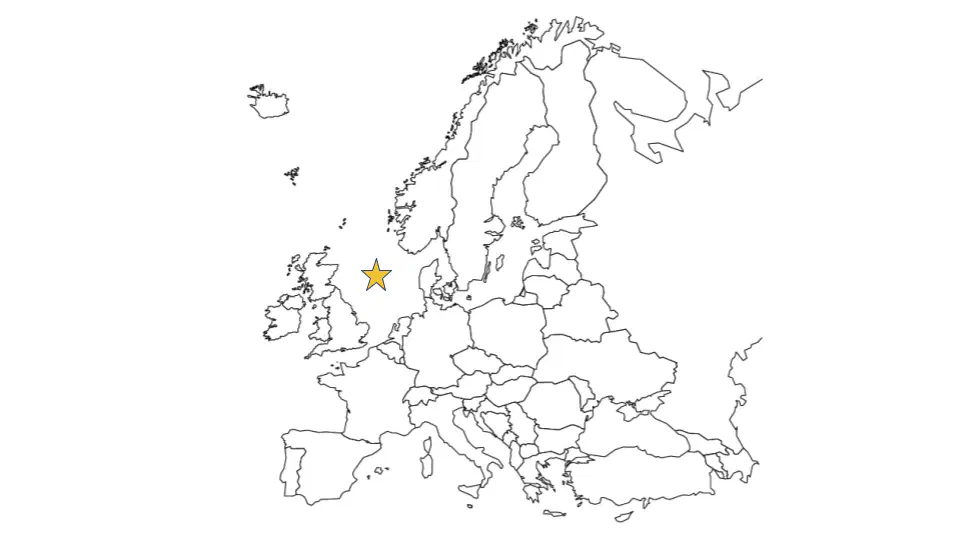
84. Identify the starred body of water.
a)
Mediterranean Sea
b)
North Sea
c)
English Channel
d)
Atlantic Ocean
83.

85. Identify the starred body of water.
a)
Mediterranean Sea
b)
North Sea
c)
English Channel
d)
Atlantic Ocean
84.
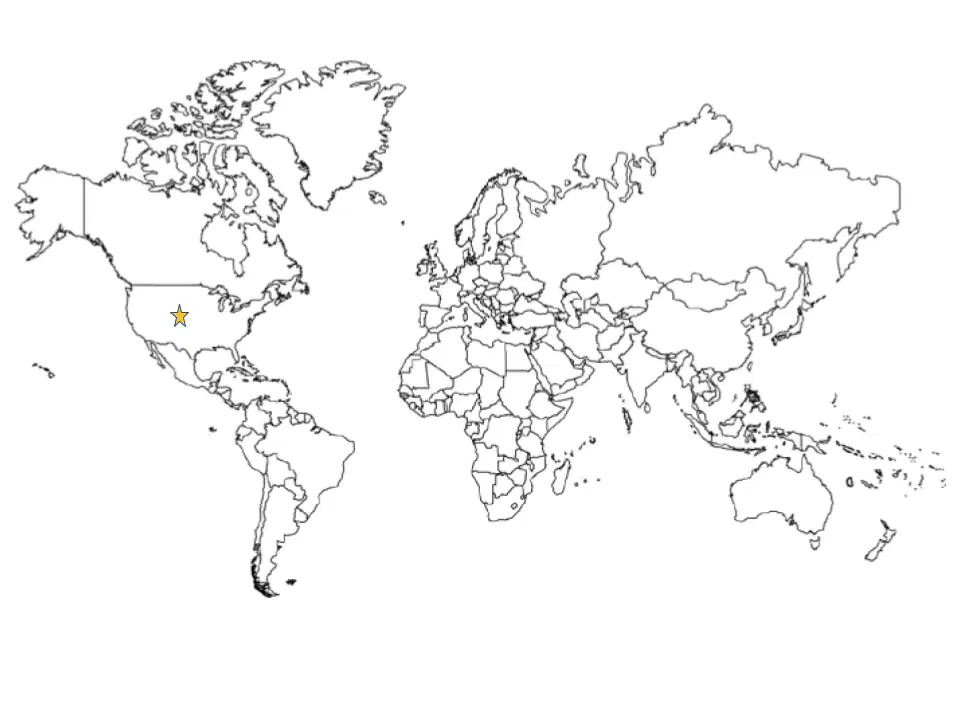
86. Identify the starred country.
a)
North America
b)
Canada
c)
Greenland
d)
United States
85.
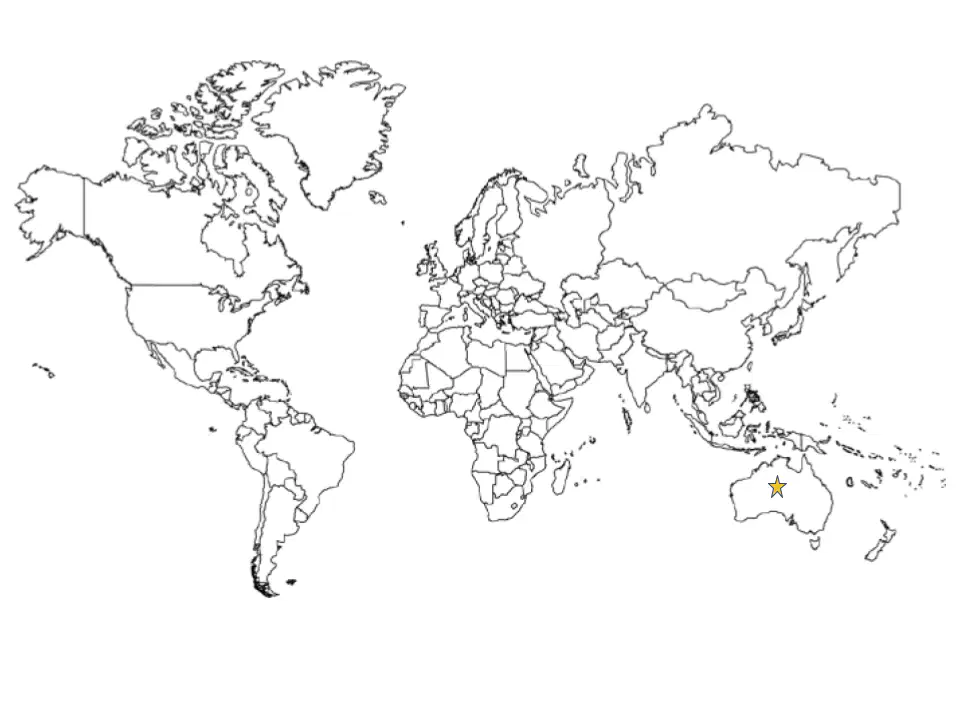
87. Identify the starred country.
a)
New Zealand
b)
Greenland
c)
Australia
d)
Austria
86.
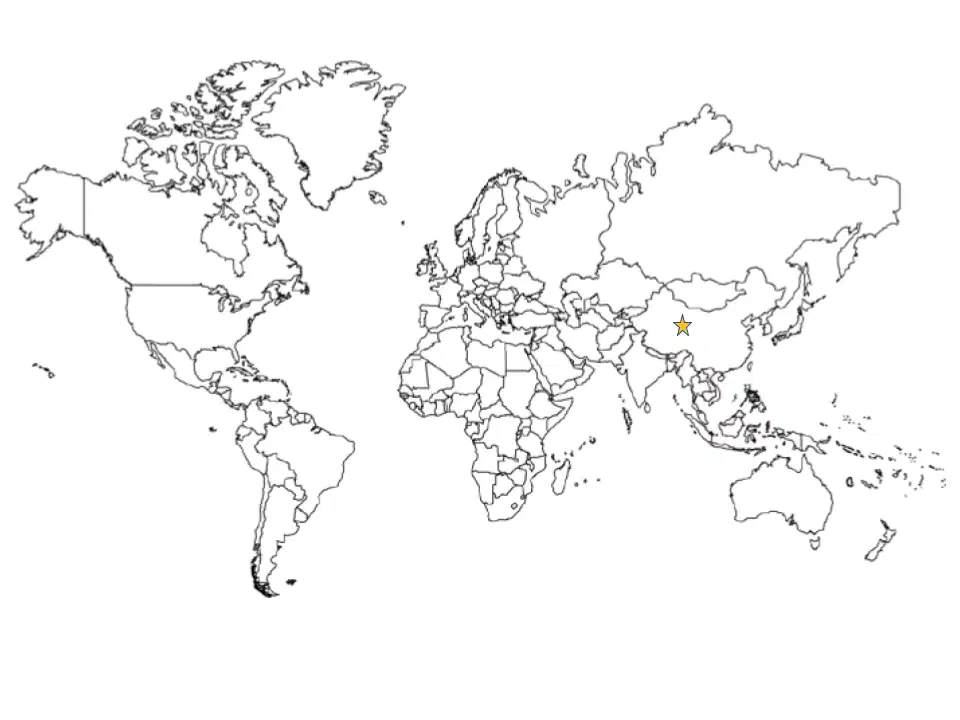
88. Identify the starred country.
a)
Canada
b)
China
c)
Japan
d)
Russia
87.
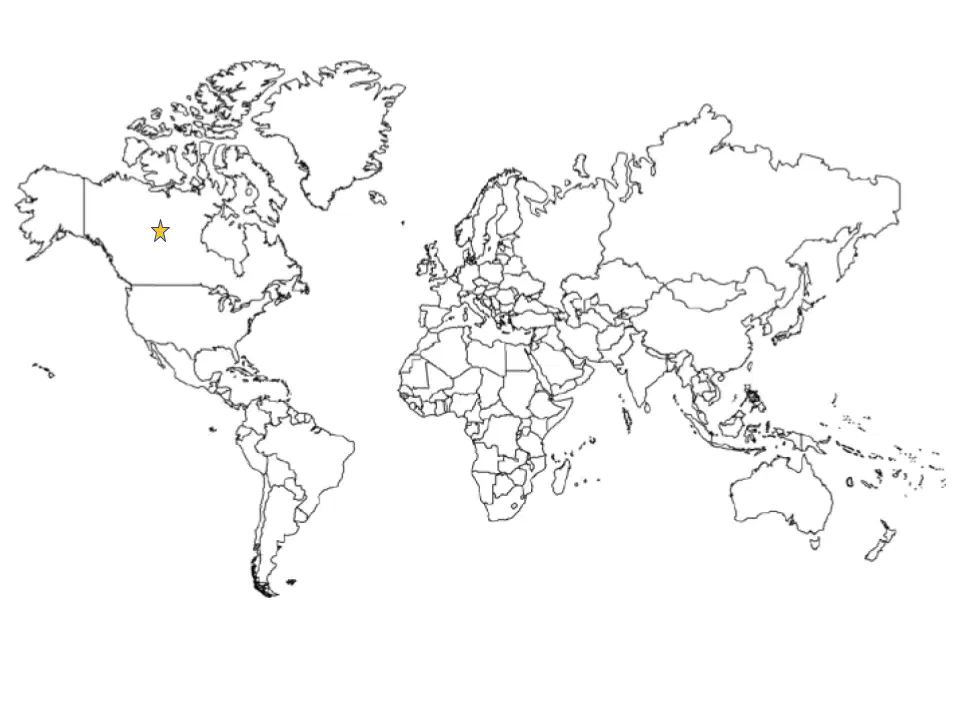
89. Identify the starred country.
a)
Canada
b)
China
c)
Greenland
d)
United States
88.
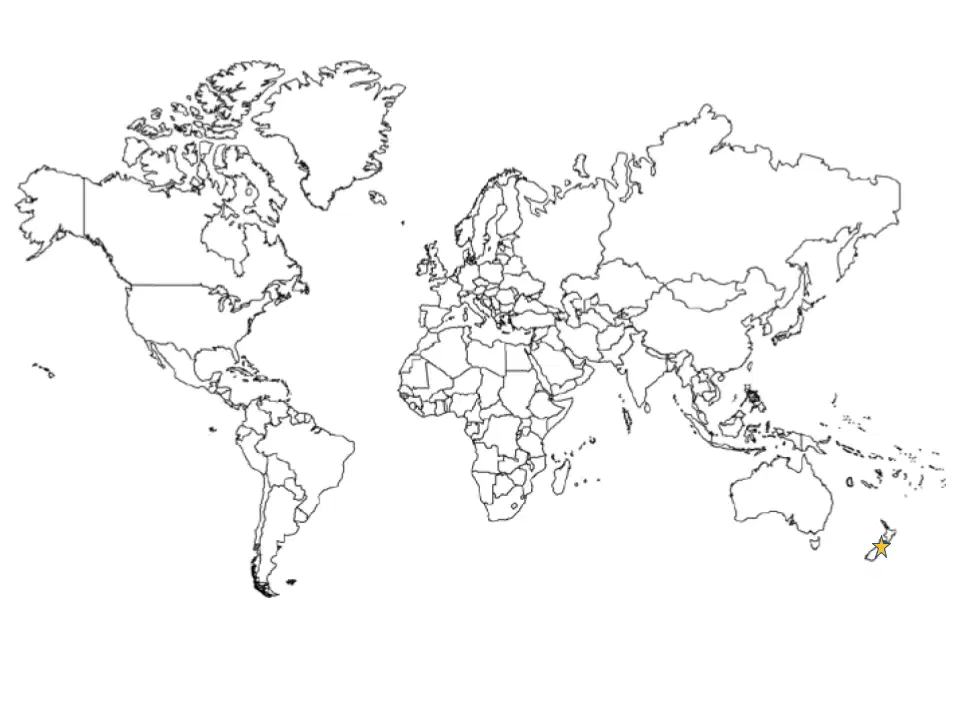
90. Identify the starred country.
a)
Australia
b)
Zimbabwe
c)
Japan
d)
New Zealand
89.

91. Identify the starred country.
a)
China
b)
Japan
c)
India
d)
Russia
90.

92. Identify the starred country.
a)
Latin America
b)
North America
c)
Mexico
d)
Panama
91.

93. Identify the starred country.
a)
South America
b)
South Africa
c)
Sudan
d)
India
92.

94. Identify the starred ocean.
a)
Indian
b)
Atlantic
c)
Pacific
d)
Arctic
100 %

