
 Worksheets
Final Review - Ethnic Studies Fall 2025
Total questions: 115
Worksheet time: 57mins
Which identity factor is most closely tied to shared values, customs, and language?
Race
Culture
Nationality
Gender
Which of the following is NOT a part of cultural identity?
Race
Ethnicity
Income
Religion
In oral history projects, what is the role of empathy?
To memorize facts
To connect with and respect someone's experiences
To argue with the interviewee
To avoid listening
In the movie Enemy mine, what does Jerry’s devotion to the Talman symbolize?
At the beginning of the film Enemy Mine, Davidge views Jerry as:
What role does language learning play in the film, Enemy Mine?
In the Movie Enemy Mine, Zammis represents:
In the movie Enemy Mine, the hostile alien environment serves as:
In the movie Enemy Mine, the Drac perspective shows that:
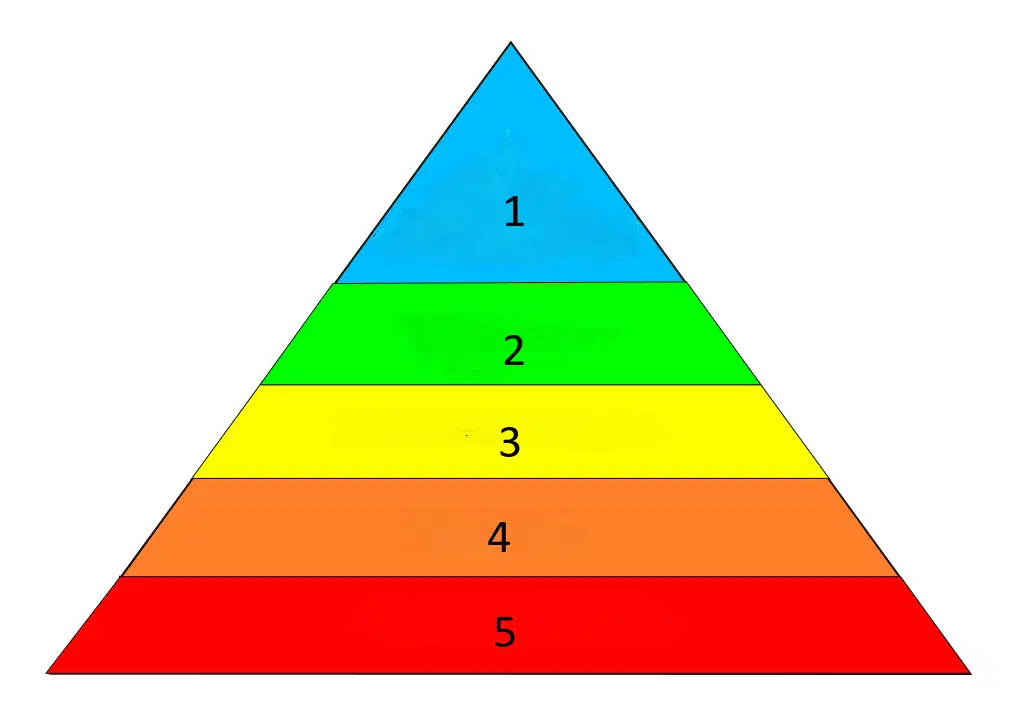
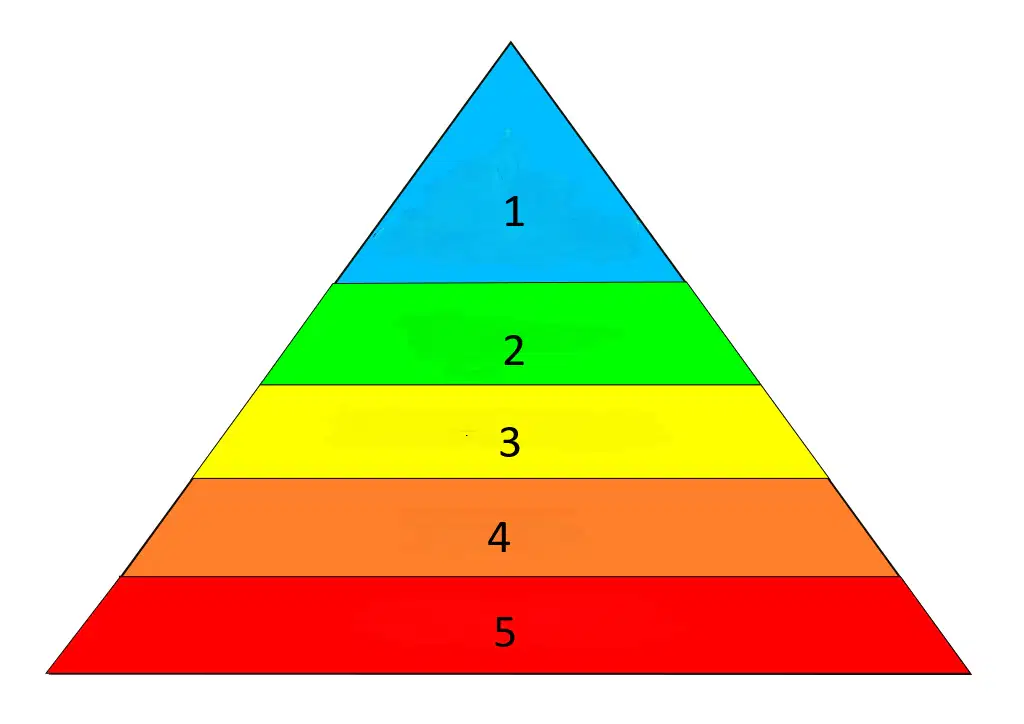
Which of the following is a physiological need?
Love
Shelter
Education
Recognition
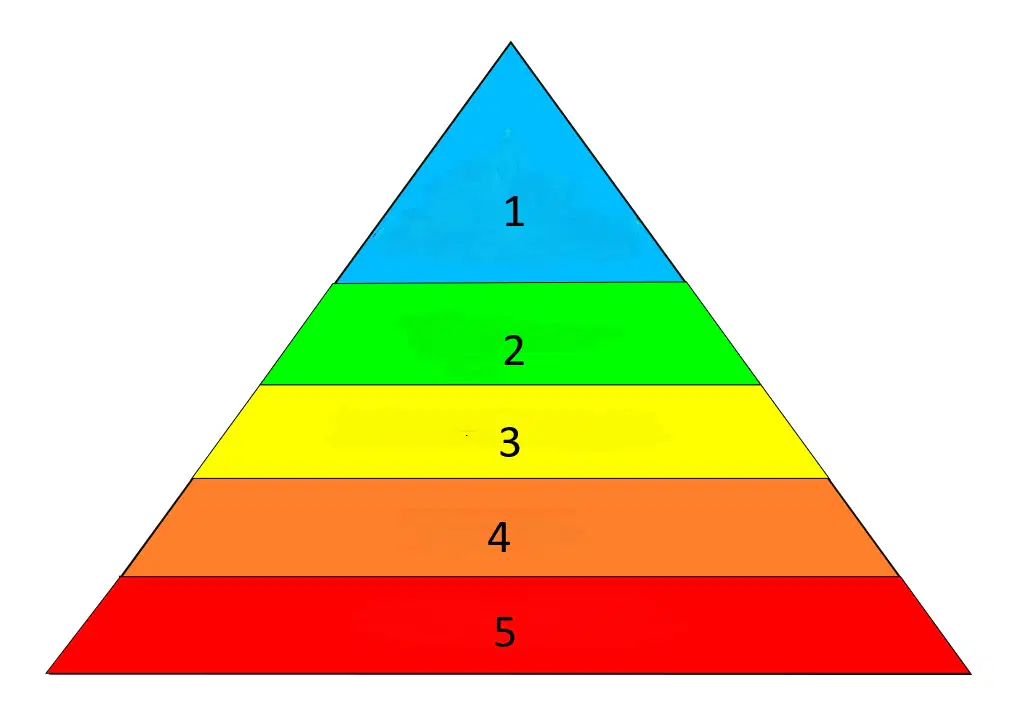
Which need is related to safety and security?
Having a steady job
Feeling respected
Making friends
Achieving dreams
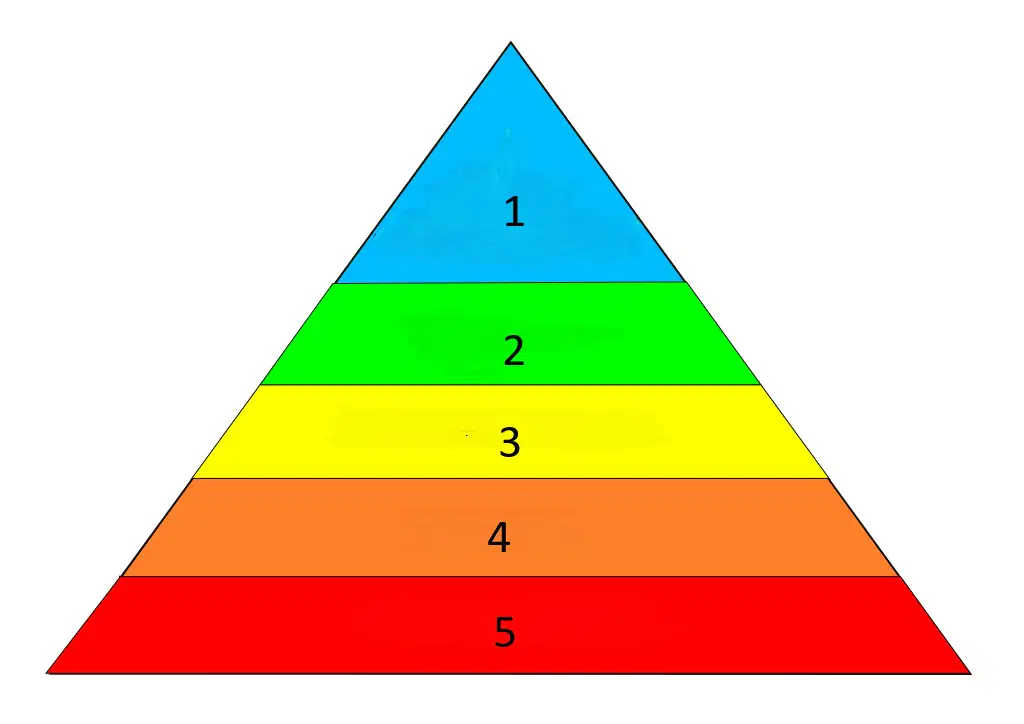
A student pursuing their dream career after all other needs are met is demonstrating:
Belonging
Esteem
Self-actualization
Safety
A farmer leaves their home due to drought and moves to a city for jobs. Push and Pull?
Push: jobs, Pull: drought
Push: drought, Pull: jobs
Push: culture, Pull: war
Push: freedom, Pull: famine
A worker leaves unemployment behind and relocates to a place where factories are hiring.
Push: famine, Pull: jobs
Push: unemployment, Pull: safety
Push: unemployment, Pull: jobs
Push: culture, Pull: safety
A family flees religious persecution and moves to a place where they can worship freely.
Push: freedom, Pull: persecution
Push: persecution, Pull: freedom
Push: famine, Pull: jobs
Push: safety, Pull: war
Which crops formed the “Three Sisters” that sustained many Native American communities?
Potatoes, beans, and rice
Corn, beans, and squash
Peas, barley, and turnips
Wheat, oats, and rye
Which law forced Native nations east of the Mississippi to move to new lands in the 1830s?
The Dawes Act of 1887
The Treaty of Paris of 1763
The Indian Removal Act of 1830
The Homestead Act of 1862
Which statement best describes the goal of U.S. boarding schools for Native children?
Preserve tribal language and ceremonies
Train Native youth as tribal leaders
Encourage exchange between tribes
Erase Native culture and teach European customs
What was the main reason Plains tribes built portable tipis?
To resist attacks from enemies
To store extra food and goods
To follow herds of migrating buffalo
To shelter during seasonal storms
Which phrase reflected the goal of assimilation during the U.S. boarding school era?
“Kill the Indian, save the man.”
“Honor the child, honor the tribe.”
“Preserve Native tradition forever.”
“Revive culture through unity.”
What term describes areas where people share traditions, food, and lifestyles?
Migration paths
Cultural regions
Trade routes
Tribal territories
What was the main factor that shaped different Native cultures across North America?
Population size and growth
Geography and environment
Trade with foreign powers
Shared belief systems
Which region's tribes used salmon-rich rivers and cedar forests to build stable villages?
Great Plains
Pacific Northwest
Eastern Woodlands
Desert Southwest
Why were horses transformative for the Plains tribes?
They completely replaced farm labor
They reduced buffalo numbers over time
They increased travel speed and hunting range
They disrupted traditional trade routes
Which Native group lived in the Arctic and hunted seals and whales?
The Crow Nation
The Hopi People
The Apache Tribe
The Inuit Hunters
Which law, enacted in 1934, aimed to restore Native self-government and promote cultural renewal?
The Indian Reorganization Act
The Homestead Act
The Dawes Act
The Removal Act
Which law gave the U.S. government the power to relocate Native nations west of the Mississippi?
The Homestead Act
The Treaty of Paris
The Indian Removal Act
The Dawes Act
Which phrase best summarizes the long-term Native experience since contact?
Isolation and surrender
Dependence and relocation
Resistance and adaptation
War and extinction
Which law divided reservations and sold the “surplus” land to settlers?
The Homestead Act
The Dawes Act
The Removal Act
The Citizenship Act
Which agricultural innovation helped the Pueblo thrive in dry deserts?
Clay homes and irrigation canals
Stone terraces and rock walls
Wooden lodges and deep wells
Nomadic herding and trading routes
What does “tribal sovereignty” mean today?
The right of tribes to govern themselves
Shared rule with state governments
Equal taxation under federal law
Federal control of tribal land
What phrase describes the lowest level of Maslow’s Hierarchy of Needs?
Safety and shelter
Esteem and respect
Physiological needs
Belonging and love
Which modern debate represents respect versus tradition conflict in schools?
Dress codes and uniforms
Technology and classroom access
Native mascots — respect vs. local tradition
School funding for athletics
Which 1830s president led Indian-removal efforts in the Southeast?
John Quincy Adams
Andrew Jackson
James Madison
Thomas Jefferson
Which term refers to the vast Ice Age land bridge between Asia and North America?
Beringia
The Frozen Route
The Northern Passage
The Ice Crossing
What best defines “adaptation” in Native history?
Isolating from others
Adjusting to survive while preserving identity
Abandoning all traditions
Total conversion to Christianity
What year did the Trail of Tears begin?
1838
1890
1812
1861
What was a lasting impact of boarding schools on Native families?
Loss of language and cultural identity
Greater wealth and resources
Population growth and expansion
Stronger federal connections
What does “Kill the Indian, save the man” mean historically?
Promote equal education for all tribes
Encourage diversity within tribal culture
Erase Native identity through forced assimilation
Protect Native traditions through language
Why is studying multiple perspectives important in history?
To divide students into separate groups
To repeat the same viewpoints again
Because there is a danger to telling a single story
To weaken historical understanding
Which role best describes Mariano Guadalupe Vallejo’s importance?
Founder GI Forum
Californio leader
Strike leader
First Latina Justice
Which event most reduced Vallejo’s landholdings?
Treaty Paris
Treaty Guadalupe Hidalgo
Bracero Program
Grape Strike
Dr. García founded the GI Forum to address:
Farm labor
Education
Veteran discrimination
Housing
Case influencing Brown v Board:
Plessy vs Fuergeson
Mendez v Westminster
Roe vs Wade
Delgado vs Hernandez
Sotomayor significant because she is known for being the first:
First Latina Justice
First Latina Senator
Latina Governor
Latina Astronaut
wat was a Major consequence o the Mexican American War?
U.S. lost the North East portion of the Country
Mexico gained California
U.S. gained the South West
Bracero began
GI Forum expanded into:
Environmental issues
National civil rights
Space program
Tax reform
9th Circut Case ending CA segregation in schools:
Hernandez vs Westminster
Mendez vs Westminster
Brow vs Westminster
Delgado vs Westminster
U.S. Día de los Muertos includes:
Fireworks
Ofrendas/festivals
Military parades
Street bans
Cinco de Mayo is misunderstood as:
Muertos
Independence Day
Heritage Month
Reyes
Education service events occur on:
Cinco de Mayo
Chávez Day
Reyes
Posadas
Push factor in El Salvador:
Tech jobs
Violence
Low taxes
Climate
Central American push factor:
High salaries
Violence & lack opportunity
U.S. limits
Festivals
Mexican settlement region:
Deep South
Midwest/SW
NE
Alaska
What major push factor drove many Salvadorans to flee in the 1980s?
A severe economic depression
Crop failures caused by drought
A brutal civil war threatening their safety
High levels of taxation
In Colombia, what were families primarily fleeing from according to the explainer?
Natural disasters like earthquakes
Food shortages caused by poor harvests
Dangerous crossfire between drug cartels and government forces
Restrictions on religious practice
What long-term push factor has historically driven many Mexicans to migrate?
Frequent border conflicts
The collapse of the mining industry
Widespread religious persecution
A slow, chronic lack of stable economic opportunities
Old World
Refers to the countries in the Eastern hemisphere, particularly Europe
Referring to the languages and cultural characteristics which evolved out of the Latin-speaking Roman Empire
Process of interaction and integration among various parts of the world through commercial and cultural exchange
People whose purpose is to convert indigenous people to Christianity

The Spanish first moved into the North American Southwest in an effort to
make friends with Native Americans.
obtain trade goods.
find gold and other treasures.
strengthen the security of New Spain.
The Spanish monarchy abolished the encomienda system because that system
failed to produce sufficient wealth for Spain.
brutally exploited Native Americans.
led to disputes among Spanish settlers in the Americas.
promoted intermarriage between Spanish settlers and Native Americans
Juan Ponce de Leon looked for the fountain of youth and in the process discovered?
California
Texas
Arizona
Florida
What are the two main theories of how the first humans reached the Americas?
Bering Land Bridge and Coastal Migration
Pacific trade winds and Silk Road
Walking from Africa and Viking settlement
Trans-Atlantic sailing and Desert crossing
What does the Coastal Migration theory suggest?
People tunneled through mountains
People traveled by boat down the Pacific coast
They crossed the Atlantic Ocean directly
They migrated by hot-air balloons
What is the strongest reason it is inaccurate to treat 'Asian culture' as a single culture, as highlighted by the essential question slide?
Asia includes many distinct peoples, languages, and histories
All Asian countries share identical customs and beliefs
Migration made every Asian American community culturally uniform
Ethnic studies defines culture as one fixed national identity
Which statement best explains why Asia cannot be treated as a single culture?
It contains 48+ countries with diverse identities
It is mostly one language across the continent
It shares one unified historical narrative
It practices a single dominant religion everywhere
A student claims Asian cultures are similar because most people speak the same language. Which evidence best challenges that claim?
Few languages have historical scripts
Most countries are officially bilingual
One language dominates national media
Hundreds of languages are spoken in Asia
Which focus best explains why studying migration matters for understanding society?
It shows individual travel routes only
It ranks groups by success and wealth
It reveals why people came and settled
It proves governments control all movement
During the 1800s, what drew many Chinese immigrants to the American West?
Creation of public schools
Opening of coastal fisheries
Discovery of gold deposits
Expansion of textile mills
In the early 1900s, Japanese immigrants were most associated with which economic activity?
Urban factory management
Commercial farming enterprises
Long-distance railroad travel
Deep-sea mining operations
Which statement describes a challenge faced by Chinese laborers in the 1800s?
They controlled land ownership laws
They received equal pay and rights
They endured exploitation and prejudice
They dominated political leadership
Which factor most directly shaped Filipino migration during the early 20th century?
Spanish trade agreements expansion
Post-1965 immigration reform changes
Japanese colonial rule connections
U.S. colonial rule relationships
Which policy specifically barred Chinese laborers and restricted their immigration in the late 19th century?
Alien Land Laws, passed by states
Chinese Exclusion Act, enacted in 1882
Gentlemen’s Agreement with Japan, early 1900s
Immigration Act of 1924, national origins quotas
During World War II, what government action affected Japanese Americans’ belonging and rights?
Immediate naturalization for noncitizens
Incarceration in camps under federal orders
Open immigration from Asia without quotas
Voluntary relocation to coastal cities
Which statement best explains how policy can shape belonging and identity for Asian Americans?
Policies rarely affect citizenship or migration
Policies only record demographics and trends
Policies define rights that include or exclude groups
Policies are symbolic and lack practical impact
What was apartheid in South Africa primarily designed to do between 1948 and 1994?
Enforce racial separation across society
Expand equal rights for all citizens
Integrate schools and neighborhoods
Promote multicultural political parties
Which event drew global attention after police opened fire on peaceful protesters, killing 69 people?
Sharpeville Massacre in 1960
Cape Town March in 1952
Soweto Uprising in 1976
Marikana Strike in 2012
Why did requiring passbooks and restricted living areas constitute human rights violations?
They denied freedom of movement and political rights
They protected cultural heritage and languages
They improved public safety and orderly travel
They increased access to jobs and housing
What makes the Srebrenica Massacre a major human rights violation?
Blockade of roads and bridges
Destruction of cultural monuments
Property damage to abandoned homes
Mass killing of Bosniak men and boys
Which leader is associated with supporting Bosnian Serb forces during the conflict?
Martin Luther King Jr. of the U.S.
F.W. de Klerk of South Africa
Nelson Mandela of South Africa
Slobodan Milošević of Serbia
Which action by Rosa Parks most directly sparked a major nonviolent protest during the U.S. Civil Rights Movement?
Leading voter registration drives in the South
Refusing to give up her bus seat in 1955
Delivering the “I Have a Dream” speech in 1963
Organizing the March on Washington in 1963
What strategy is most associated with Martin Luther King Jr. during the Civil Rights Movement?
Nonviolent protests and civil disobedience
Armed self-defense and rioting
Secret meetings and underground attacks
Economic sanctions against cities
Why did the March on Washington in August 1963 become a turning point for the movement?
It drew national attention with a mass gathering
It immediately ended school segregation nationwide
It replaced nonviolent tactics with armed resistance
It led to Rosa Parks’ arrest and conviction
In late 2023, what humanitarian consequence was described as resulting from widespread damage to homes, schools, and hospitals in Gaza?
A temporary inconvenience managed by local councils
A minor setback limited to northern neighborhoods
A severe humanitarian crisis affecting basic services
A localized disruption with quick recovery expected
International organizations expressed deep concern during the 2023–present Gaza conflict. Which action best aligns with UDHR principles supporting civilian protection and humanitarian aid?
Facilitating safe passage and delivery of relief supplies
Prioritizing military objectives over aid corridors
Restricting movement to prevent population shifts
Deferring assistance until hostilities fully end
Who is a refugee?
A person forced to flee their country due to danger or disaster
A tourist
A voluntary migrant
A foreign student
What is xenophobia?
Fear or hatred of foreigners
Curiosity about other cultures
National pride
Cultural exchange
What is gentrification?
Wealthier people moving in and displacing residents
Urban decay
Affordable housing development
Community-led renewal
What is nativism?
Favoring native-born individuals over immigrants
Supporting immigration
Cultural appreciation
International cooperation
What does oppression mean?
Systematic discrimination against certain groups
Individual acts of rudeness
Temporary unfair treatment
Personal prejudice only
What is intersectionality?
The overlap of social identities that can increase disadvantage
Treating everyone exactly the same
Separating people by social categories
A political ideology
What does culture refer to?
Beliefs, customs, and traditions of a group
Government laws and policies
Personal hobbies and interests
Genetic traits shared by families
How is race best defined?
A group distinguished by physical and genetic traits
A cultural tradition passed down through families
A nationality or place of origin
A belief system
What is ethnicity?
Belonging to a group with shared culture, history, or language
A biological classification based on genes
A person's citizenship status
A legal identity assigned at birth

