
 Worksheets
system 1
Total questions: 87
Worksheet time: 1hrs 11mins
Xylem
Absorbs water and minerals into the plant from the ground
Carrries the food from the leaves to the rest of the plant
Carries water and minerals from roots to the leaves
Plays the xylophone
phloem
Absorbs water and minerals into the plant from the ground
Carrries the food from the leaves to the rest of the plant
Carries water and minerals from roots to the leaves
Plays the xylophone
What food substance is made by plants during photosynthesis?
Carbon dioxide
Glucose
Granulated sugar
Oxygen
Where is chlorophyll found in plants?
Leaves
Root
Flower
Stem
Which of the following is not transported in plants?
minerals
oxygen
water
carbon dioxide
Which is a major source of nutrients in plants?
soil
leaves
stem
roots
Water and minerals move upward from the root to the rest of the plant in this vascular tissue.
Root
Xylem
Leaves
Phloem
1. Water diffuses into the sieve tubes.
2. Leaf cells produce sugar by photosynthesis.
3. Solutes are actively transported into sieve tubes.
4. Sugar is transported from cell to cell in the leaf.
5. Sugar moves down the stem.
Which statement describes the phloem transport system of plants?
The phloem is a tubes to transport food from leaves to other part of plant
The phloem is a tubes to transport water and minerals
The phloem is a tubes to transport water and food
The phloem is a tubes to transport food from root to other part of the plant
Which of the following indicates the pathway of water through a plant?
leaf - root - xylem
root hair - xylem - leaf
xylem - root hair - leaf
root hair - leaf - xylem
Plants have a _______________________ made up of two separate sets of fine tubes that run through the leaves, stems and roots.
respiratory system
circulatory system
transport system
digestive system
The xylem tubes transport water and mineral from the ____________ to all parts of the plants.
leaf
stem
flower
root
Which of the following would not be found in the transport system of a plant?
blood
mineral salts
food
water
Which part of a plant develops into a fruit?
leaf
flower
stem
seed
How do some flowers attract insects?
by being big
by being small
by having bright colours
by having dull colours
The Macaranga tree is a bushy tree found in rainforests and has wide leaves. It can grow up to about 12–15 m tall, while the tallest tree in the rainforests can grow up to about 70 m tall. Why does the Macaranga tree have wide leaves?
to take in more water
to better support plant
to get more nutrient for the plant
to get more light for make food
All the leaves of a plant were removed. The plant was watered and exposed to sunlight daily. Why did it die after some time?
it could not produce
it could not make food
it could it stand upright
it could not absorb water from soil
The stem supports a plant and holds its leaves up. What other function does it have?
Absorbing water and minerals
Holding the plant firmly to the ground
Carrying food from the roots to other parts of the plant
Carrying water and minerals from the roots to other parts of the plant

What is G and its importance?
Food carrying tube; transports food
Chlorophyll; captures sunlight
Water-carrying tube; transports water
Stoma; transports air

What is H and its importance?
Stoma; transports air
Water-carrying tube; transports water
Chlorophyll; captures sunlight
Food-carrying tube; transports food

What will you observe if the plant is placed in a tube of red coloured water overnight before the cross section of its stem is made?
Both G and H will be stained red.
Neither G nor H will be stained.
G will be stained red.
H will be stained red.

Michele placed a plant in a plastic glass of blue-coloured water and left it for a day. Then, she cut the stem to observe it. What does the experiment show?
To observe where the phloem tubes of a plant are.
To observe where the xylem tubes of a plant are
To observe how the food is made in the leaves.
To observe how the stem help the plant to grow.

Which part(s) of the plant and has transporting tubes to transport mineral salt, water and food?
S
P
Q
R

Which of the following statements about P are true?
I. It gets water and mineral salt from phloem.
II. It gets water and mineral salt from xylem.
III. It is the place for the plant to make food.
IV. It sends the food to phloem
i, ii, and iii only
i, ii, and iv only
ii, iii and iv only
i, iii and iv only
A part of plant which is used to support the plant to stand and has xylem and phloem in it is called ___________________.
stem
leaf
flower
fruit
A green pigment that is found in plant’s leaves that help the plant makes food is __________________.
oxygen
chlorophyll
carbon dioxide
sugar
_____________ and _______________ move up to the leaves through xylem tubes.
sugar, oxygen
water, oxygen
water, minerals
sugar, minerals
________________ is the process that plant uses to make energy from sunlight.
respiratory
tubes
transport system
photosynthesis
The air that we breathe contains mainly ___________________.
oxygen
carbon dioxide
nitrogen
water vapour
About _______________% of air is oxygen.
80
60
40
20
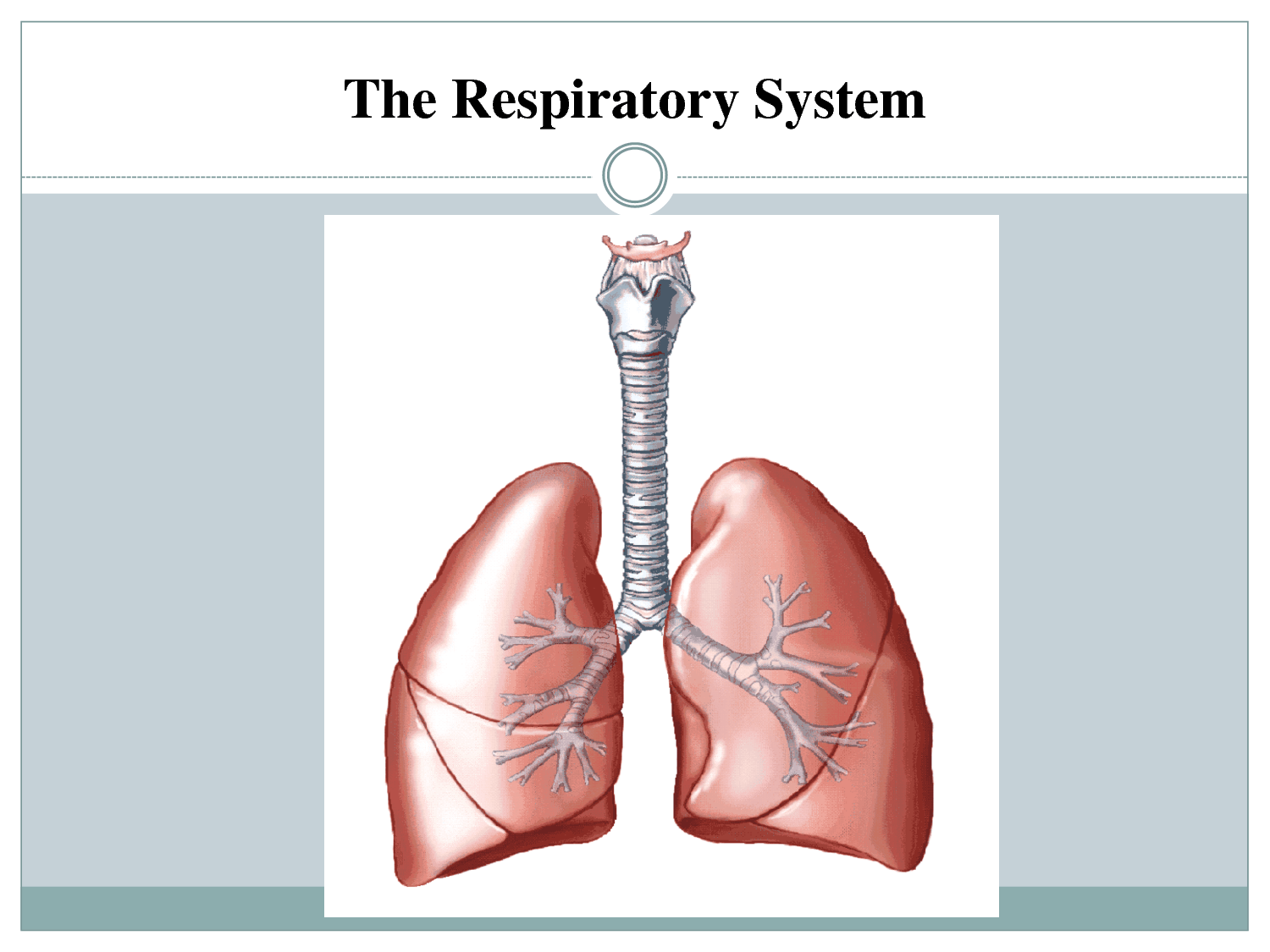
What is the main function of the respiratory system?
to provide oxygen and remove carbon dioxide from the body
to break down food and absorb nutrients
to remove oxygen from the body and deliver carbon dioxide
Which of the following shows the path taken by oxygen when it enters our body?
Nostrils --> windpipe --> Lungs --> Blood --> all parts of the body
Nostrils --> Blood --> windpipe --> Lungs -->all parts of the body
Nostrils --> windpipe --> Blood --> lungs --> All parts of the body
All parts of the body --> Blood --> Lungs --> windpipe --> nostrils
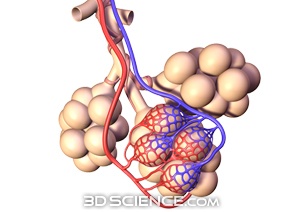
The organ in the human body that helps to remove carbon dioxide in our blood is _____________.
heart
lungs
nose
windpipe
Why do fish have gills that have many layers of long tiny strips?
To allow water to flow smoothly
To provide a larger surface area for gaseous exchange
To block the water from flowing smoothly
To provide a smaller surface area for gaseous exchange
For photosynthesis to happen in plants, the plants need light, ______________ and ____________.
carbon dioxide, water
carbon dioxide, space
oxygen, water
oxygen space
What will happen to a plant if the leaves are coated with a layer of oil after a week?
The plant will remain healthy.
The leaves of the plant remain shiny.
The plant will die.
The leaves of the plant grow bigger.
Plants take in ________ and give out __________ during photosynthesis.
oxygen, carbon dioxide
carbon dioxide, oxygen
oxygen, water vapour
water vapour, oxygen,
When wendy breathed out air onto her palm, her palm felt warm. When she breathed onto a mirror, when noticed mist on it. Which of the following can wendy conclude?
The air she breathed out contains moisture
The air she breathed out was cooler than the air she breathed in
She should not breathe through her mouth.
The mirror was warmer than the surrounding air.
The tiny openings in leaves are similar the gills of fishes because they allow ______________.
excess water vapour to be emitted freely
Oxygen to be emitted
Exchange of gases
Oxygen to be emitted more easily during photosynthesis
Limewater turns cloudy when it comes into contact with _________.
Nitrogen
Oxygen
Carbon dioxide
Water Vapour
Plants have tiny openings called (a) mostly found on the underside of leaves to perform gaseous exchange with the surroundings.
The air that we breathe contains mainly ___________________.
oxygen
carbon dioxide
nitrogen
water vapour
About _______________% of air is oxygen.
80
60
40
20
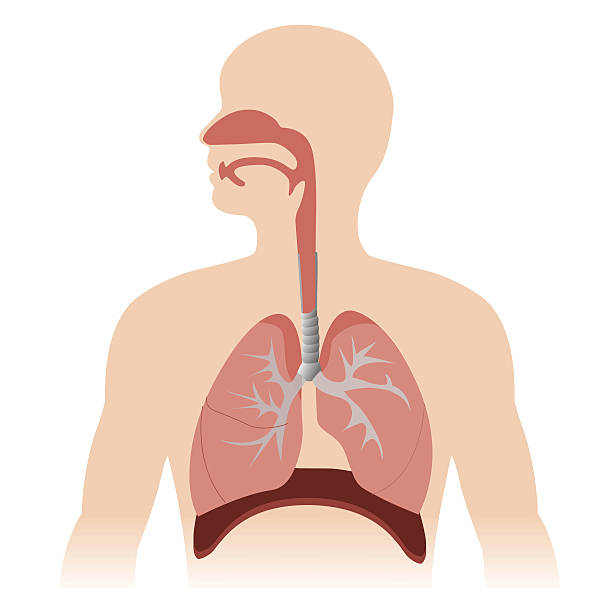
What system is shown in the picture?
Nervous System
Respiratory System
Muscular System
Circulatory System
What are the parts of the respiratory system?
heart
nose
mouth
windpipe
lungs

Gullet
What is the main function of the respiratory system?
to take in oxygen and remove carbon dioxide from the body
to take in oxygen and take out carbon dioxide from the body
to remove oxygen from the body
What happens at the lungs?
Oxygen is digested by the lungs.
Oxygen is absorbed into the blood.
Carbon dioxide is absorbed into the blood.
Carbon dioxide is removed from the body.
The organ in the human body that helps to remove carbon dioxide from our blood is _____________.
heart
lungs
nose
windpipe
Which of the following activities will result in a person having the fastest rate of breathing?
Jogging around
Running around the field
Walking up the stairs
Reading a book
Why do fish have gills that have many layers of long tiny strips?
To allow water to flow smoothly
To provide a larger surface area for gaseous exchange
To block the water from flowing smoothly
To provide a smaller surface area for gaseous exchange
What will happen to a plant if the leaves are coated with a layer of oil after a week? Why?
The plant will remain healthy. The plant can make food.
The plant will die. The plant is unable to take in water.
The plant will die. The plant is unable to take in oxygen and carbon dioxide.
The plant will die. The plant is unable to take in oxygen.
For photosynthesis to happen in plants, the plants need light, ______________ and ____________.
carbon dioxide, water
carbon dioxide, space
oxygen, water
oxygen space
Plants take in ________ and give out __________ during photosynthesis.
oxygen, carbon dioxide
carbon dioxide, oxygen
oxygen, water vapour
water vapour, oxygen,
Plants have tiny openings called (a) mostly found on the underside of leaves to perform gaseous exchange with the surroundings.


What is the job of your circulatory system?
To pump blood around the body
To breathe in oxygen
To move your body
To create blood cells

How do your circulatory and respiratory systems work together?
Your heart protects your lungs
Lungs bring food into the body for your blood
Oxygen and carbon dioxide are exchanged between your lungs and blood.
The respiratory system makes blood for your circulatory system

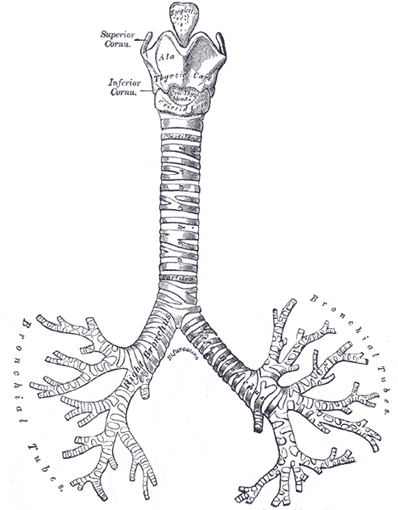

What is included in the respiratory system?
Select ALL that apply.
nose
trachea
lungs
heart
What is included in the circulatory system?
Select ALL that apply.
veins
trachea
heart
arteries
Name the system that helps to circulate the blood in the human body.
Digestive system
Circulatory system
Heart
Respiratory system
Important organ of the circulatory system is ______.
kidney
lungs
Heart
Stomach
The circulatory system is responsible for transport of ______, ______, and _____.
Blood, Veins, Arteries
Nutrients, Blood vessels
Oxygen, Nutrients and water.
Temperature, Blood, Oxygen.

Identify the chambers of heart.
Right auricle, Right ventricle.
Left auricle, Left ventricle
Right ventricle
Both a and b
_________ is a muscular pumping organ in the human body.
Nose
Heart
kidneys
Hands
Arteries carries _______ blood from heart to the other parts of the body.
Carbonated blood
Impure blood
Blood
Oxygenated blood
Impure blood is carried by ______
Arteries
Heart
Veins
Blood vessels
_______ is a fluid part of the blood.
Plasma
Blood cells
Platelets
Fluid
_______ gives a red colour to the blood
Pigment
Red colour
Haemoglobin
Chlorophyll
Haemoglobin is the carrier of ______.
Gas
Food
Oxygen
Water
_______ play an important role in fighting infection and destroy germs.
Plasma
White blood cells
Red blood cells
Blood
______ helps in blood clotting.
Blood cells
Circulatory system
Oxygen
Platelets

Identify the given yoga asanas.
Tadasana
Tree pose
veerabhadrasana
Triangular pose
Auricles and Ventricles are
Blood vessels
Blood cells
Heart chambers
Lung chambers
Plasma is a _____
liquid
Solid
Muscle
Artery

