
 Worksheets
8202 S&D PP6
Total questions: 38
Worksheet time: 19mins
Which type of bidet design involves water spraying upwards?
Over-the-rim bidet
Ascending-spray bidet
Floor-mounted bidet
Wall-hung bidet
What additional support might wall-hung bidets require?
Extra plumbing connections
Additional support brackets
Reinforced ceramic material
Elevated mounting systems
What is the minimum waste size required for bidets?
15mm
32mm
50mm
25mm
What type of feed is required for bidets?
10mm hot and cold feed
20mm hot and cold feed
15mm hot and cold feed
25mm hot and cold feed
What is the connection size for bidet taps?
1/4" BSP
1/2" BSP
3/4" BSP
1" BSP
Before connecting a bidet to a mains-fed system, what must be identified?
The type of waste
The type of bidet
The type of overflow
The type of trap
Which type of system can an over-the-rim bidet be connected to, provided the AUK2 air gap is maintained?
Mains-fed system
Gravity-fed system
Pump-fed system
Closed-loop system
Why does a hand spray with hose on an over-the-rim bidet need to be treated like an ascending spray bidet?
To prevent the hose from leaking
To avoid contamination from the bidet bowl water
To ensure proper water pressure
To maintain the temperature of the water
What is the purpose of the AUK2 air gap in an over-the-rim bidet?
To prevent water overflow
To reduce water contamination risk
To increase water pressure
To improve water temperature control
What does the term "spillover level" refer to in the context of an over-the-rim bidet?
The maximum water level before overflow occurs.
The point where the water pressure is highest.
The area where the tap connects to the bidet.
The minimum water level required for operation.
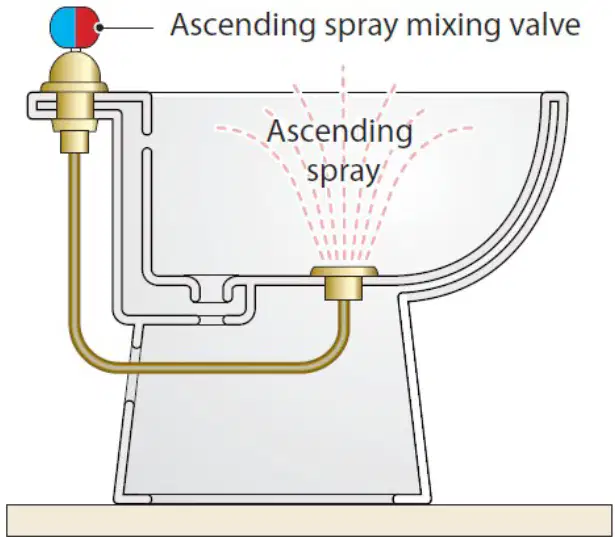
What is the primary function of an ascending-spray bidet?
To spray water upwards from the base of the bowl, similar to a shower head.
To flush waste directly into the mains-fed system.
To provide a continuous stream of water for cleaning surfaces.
To act as a standard toilet with additional features.
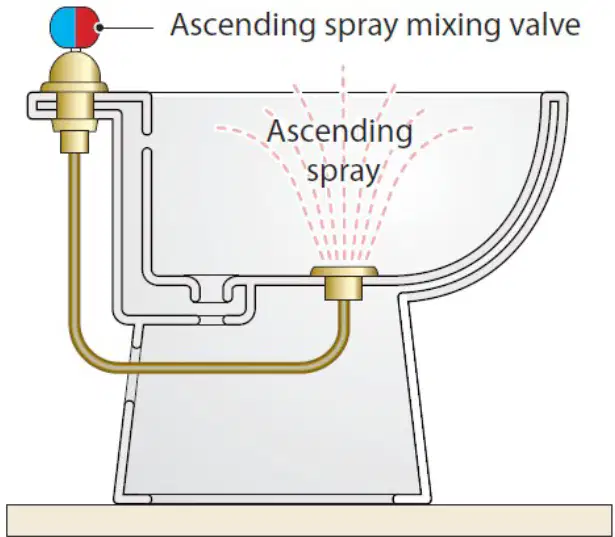
Why do ascending-spray bidets require special installation considerations?
Because they are connected to mains-fed systems.
Because there is no air gap between the spill-over level and the outlet of the spray.
Because they use a standard mixer tap.
Because they are common in the UK.
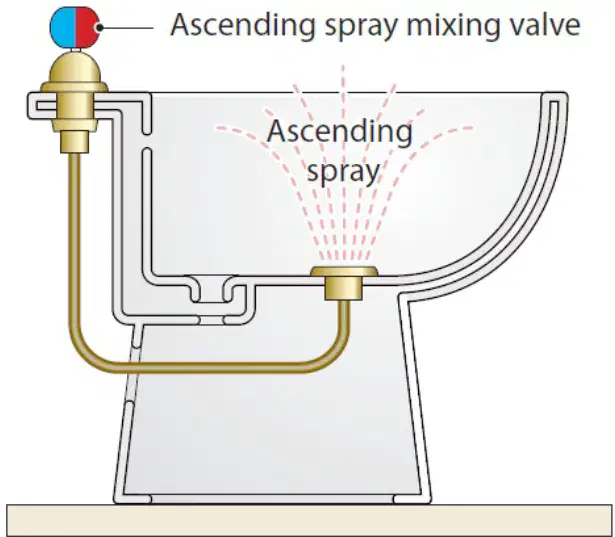
Why can ascending-spray bidets not be connected to mains-fed systems?
Because they require a special mixer tap.
Because the outlet is in direct contact with foul water.
Because they are uncommon in the UK.
Because they have an air gap between the spill-over level and the outlet.
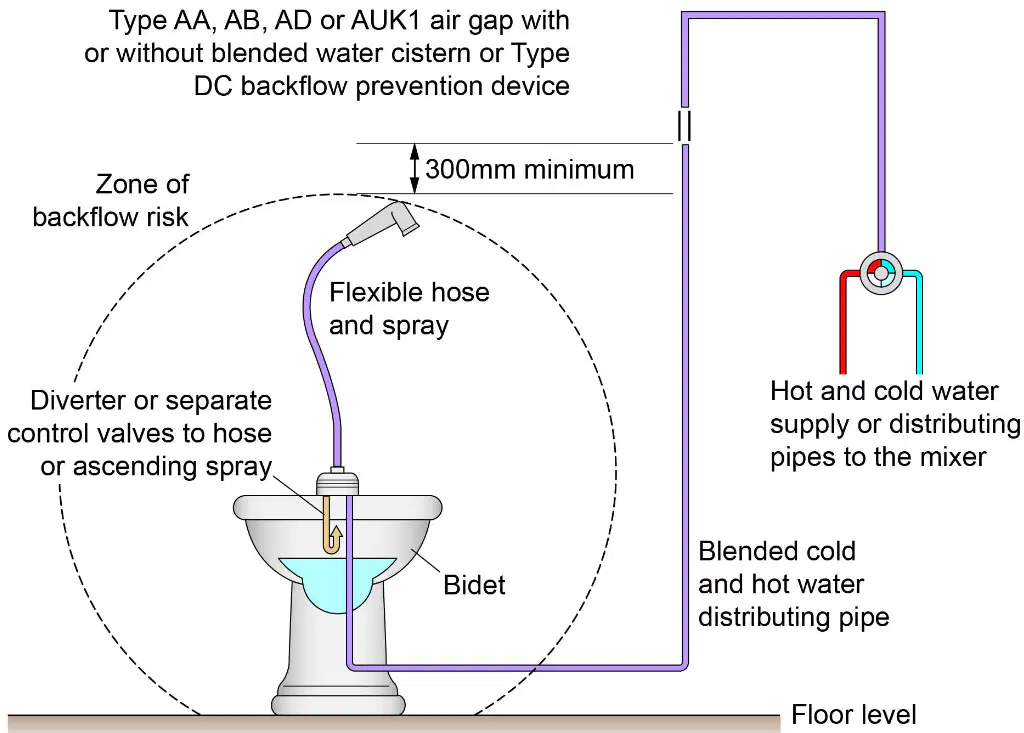
Which type of backflow prevention device is recommended for a flexible-hose bidet?
Type AA, AB, AD, or AUK1
Type BB, BC, BD, or AUK2
Type CC, CD, CE, or AUK3
Type DD, DE, DF, or AUK4
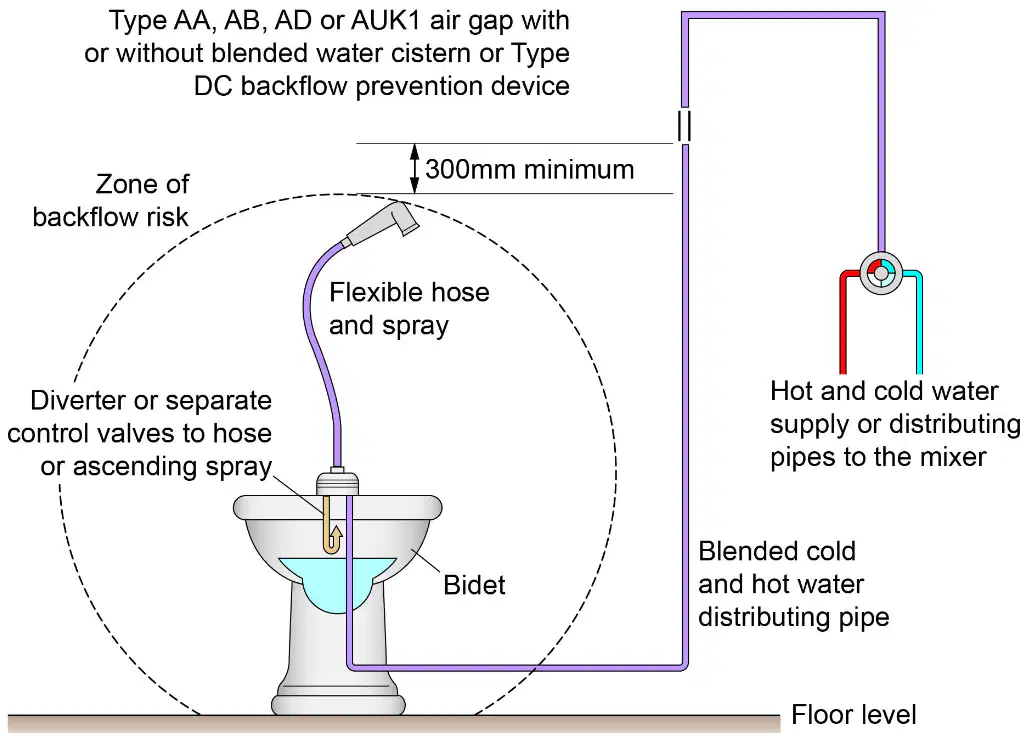
What is the purpose of the diverter or separate control valves in a flexible-hose bidet system?
To regulate the water temperature
To control the flow to the hose or ascending spray
To prevent water leakage
To increase water pressure
What is the fluid category risk associated with bidets that have flexible hoses and spray handset fittings below the spillover level of the appliance?
Fluid category 1
Fluid category 3
Fluid category 5
Fluid category 2
Why should bidets with flexible hoses and spray handset fittings below the spillover level not be supplied with water directly from a supply pipe?
To prevent water wastage
To avoid fluid category 5 risk
To ensure proper water pressure
To maintain temperature control
What is the typical worktop height for most common sinks?
800mm
900mm
1000mm
950mm
What is the primary purpose of a sink in a kitchen or utility room?
Cooking food
Washing items
Storing utensils
Drying clothes
What type of kitchen sink design includes a waste that allows the installation of a waste disposal unit?
Single bowl and drainer
Bowl and a half
Double bowl and double drainer
Vitreous china
Which material used for kitchen sinks is easily chipped?
Stainless steel
Granite
Vitreous china
Polycarbonate
Which tool may be required to tighten the back nut during tap installation?
Screwdriver.
Tap spanner, box spanner, or basin wrench.
Hammer.
Adjustable pliers.
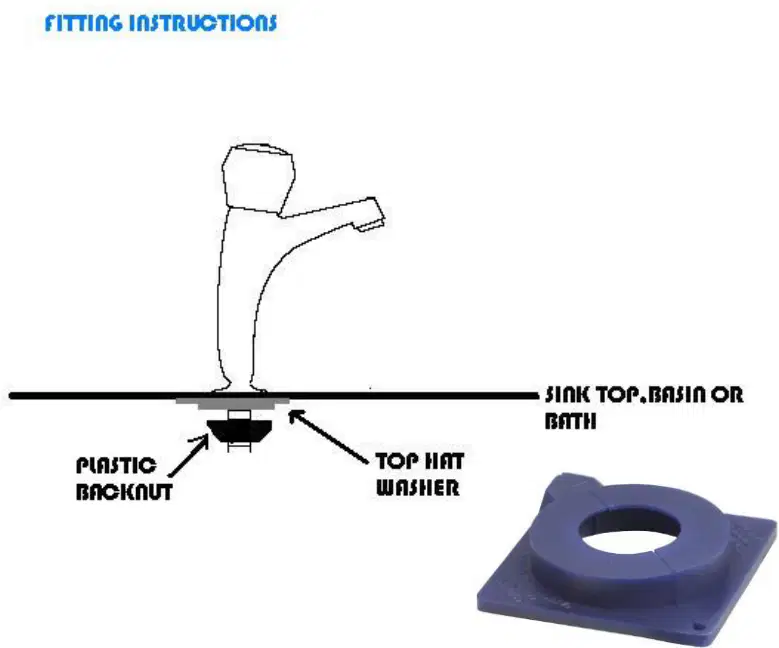
What additional component may be required for a pressed-steel sink during tap installation?
Plastic back nut.
Top hat spacer/washer.
Self-adhesive washer.
Silicon compound.
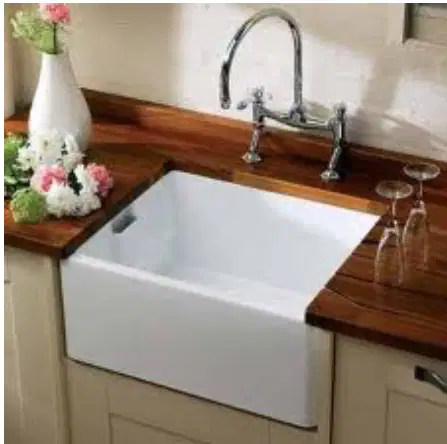
Where can bib taps be mounted in relation to a Belfast sink?
Below the sink
Above the appliance or from the worktop
Inside the sink
On the side of the sink
What additional support is required when installing a butler’s sink?
Wall brackets
Support legs
Reinforced base
Adjustable screws
What is the primary function of shower trays in a bathroom?
To retain water inside the cubicle
To act as the base of the shower
To drain water directly into the plumbing system
To provide a decorative element to the bathroom
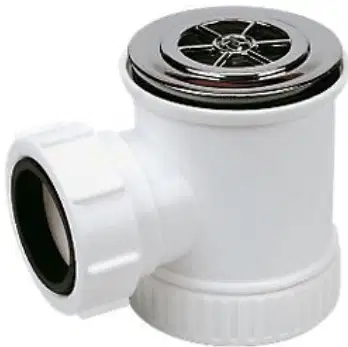
What feature does the trap for a shower often include for cleaning purposes?
Overflow mechanism
Integral filter
Adjustable plug
Pressure valve
What is the typical feed size to a shower within 1 meter of the shower?
15mm
22mm
40mm
50mm
Which type of trap is commonly used for a bidet installation?
S-trap
Bottle trap
Drum trap
P-trap
Which material is least suitable for use in a shower tray due to risk of damage?
Stainless steel
Vitreous china
Stone resin
Acrylic
Which type of tap is most commonly used with kitchen sinks?
Foot-operated tap
Single lever tap
Wall-mounted tap
Monobloc mixer tap
What is the main reason for fitting a trap under a sink?
To increase water pressure
To prevent sewer gases from entering the room
To filter debris from water
To reduce water temperature
Which feature is essential for preventing backflow in bidet installations?
Air gap
Flexible hose
Overflow pipe
Double check valve
What is the recommended minimum height for mounting a wall-hung sink?
700mm
850mm
950mm
1000mm
Which type of tap fitting is most suitable for a bidet with a bottle trap?
Single lever tap
Foot-operated tap
Wall-mounted tap
Monobloc mixer tap
Which installation feature helps prevent contamination in over-the-rim bidets?
Double check valve
Overflow pipe
Air gap
Flexible hose
What is a common reason for using a bottle trap with a bidet?
To improve water temperature control
To provide easy cleaning access
To reduce installation cost
To increase water pressure
Which type of bidet requires an air gap to comply with regulations?
Wall-hung bidet
Over-the-rim bidet
Floor-mounted bidet
Monobloc mixer bidet

