
 Worksheets
Calories and Metabolism
Total questions: 40
Worksheet time: 20mins
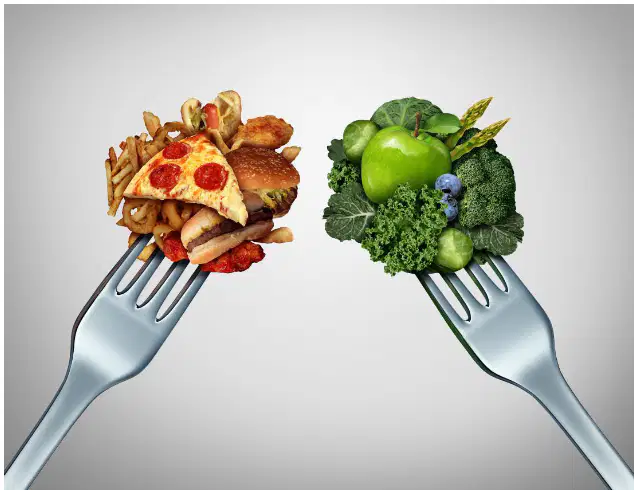
What does the term calorie most directly measure in food?
The temperature of the cooked food
The amount of vitamins inside a serving
The energy released when food is digested
The weight of a portion of the meal
Which statement best describes metabolism in the human body?
Storage system that keeps extra nutrients unused
Air-breathing cycle that supplies body oxygen
Physical exercise that burns fat during workouts
Chemical process that breaks down food for energy
Match each term to its best description.
Calorie
Unit for energy from broken-down food
Metabolism
Chemical process using nutrients to make energy
Digestion
Breakdown of food into usable components
Which sign most directly indicates low caloric intake affecting energy levels?
Rapid muscle gain without training
Chronic tiredness and low stamina
Increased appetite after exercise
Improved focus during long classes
Match each sign of undereating to its description.
Fatigue and low energy
Chronic tiredness and poor concentration
Weight loss indicators
Noticeable loss of body weight
Stalled growth
Lack of height increase compared to peers
Which symptom is most likely when someone consistently eats too few calories?
Faster recovery and enhanced athletic performance
Stronger immunity with fewer infections
Increased irritability and frequent mood swings
Stable energy and calm mood all day
Match each sign to the health area it affects.
Frequent colds and slow recovery
Immune system weakness
Missed or irregular periods
Hormonal imbalance in females
Thinning hair and brittle nails
Physical signs of poor nutrition
Which change is a physical sign linked to undereating?
Improved skin hydration and glow
Oily skin and rapid nail growth
Dry skin with brittle nails
Thickening hair and stronger strands
Which group lists common digestive issues linked to low caloric intake?
Runny nose, sore throat, or cough
Back pain, stiff neck, or cramps
Itchy skin, watery eyes, or sneezing
Stomach pain, constipation, or bloating
An obsessive focus on body image may include which behavior?
Occasional interest in new recipes and meals
Tracking steps during a weekly gym class
Constant preoccupation with calories and weight
Reading food labels once in a while
Dizziness or fainting from low intake is often caused by what?
Low blood sugar or insufficient nutrients
Too much sleep or frequent naps
Mild dehydration from a cool day
High protein intake after dinner
According to the diagram, which food is listed under carbohydrates rather than protein or fat?
Bread is listed under carbohydrates
Chicken is listed under carbohydrates
Avocado is listed under carbohydrates
Cheese is listed under carbohydrates
Match each food with its primary macronutrient group shown in the diagram.
Bread
Carbohydrates
Chicken
Protein
Avocado
Fat
Egg whites
Protein
Oats
Carbohydrates
If a snack has 10 g of carbs, 5 g of protein, and 4 g of fat, how many total calories does it provide? (Use 4 kcal/g for carbs and protein, 9 kcal/g for fat.)
101 total calories provided
106 total calories provided
109 total calories provided
114 total calories provided
Which elements are the main chemical components of carbohydrates?
Carbon, nitrogen, and chlorine
Hydrogen, helium, and neon
Nitrogen, sulfur, and oxygen
Carbon, hydrogen, and oxygen
Which statement best describes the primary function of carbohydrates in the body?
Carry oxygen through the bloodstream
Provide immediate energy for body functions
Build long-term cell membranes and hormones
Store genetic information for cell division
Which statement best describes simple carbohydrates?
Single-chain sugars that digest quickly
Indigestible fibers that pass through
Proteins that build body tissues
Long chains of starch that digest slowly
Match each carbohydrate type to its typical food example.
Simple carbohydrate
Sugary cereal or donut
Complex starch
Whole-grain bread or pasta
Dietary fiber
Broccoli or blueberries skins
What is one benefit of dietary fiber compared with simple sugars?
Builds enzymes for protein synthesis
Stores energy in muscles instantly
Provides immediate rapid blood sugar spikes
Slows digestion and supports fullness
Which statement best describes dietary fiber?
A carbohydrate the body cannot digest
A protein that builds muscle quickly
A sugar that provides fast energy spikes
A fat that stores long-term energy
Which food list is mostly complex carbs that are broken down slowly?
Ice cream, chocolate bars, gummies
Candy, soda, syrup, table sugar
Fruit juice, milkshakes, soft drinks
Whole grains, beans, potatoes, peas
What is the minimum Recommended Dietary Allowance (RDA) for carbohydrates for most people each day?
90 grams per day
130 grams per day
200 grams per day
60 grams per day
About how many calories of glucose does the brain typically require daily to support thinking, memory, and focus?
About 500 calories daily
About 50 calories daily
About 150 calories daily
About 1,200 calories daily
Which statement best explains the brain’s relationship with glucose?
It cannot store glucose and relies on blood supply
It prefers fat over glucose for energy
It produces its own glucose as needed
It stores extra glucose like muscle tissue
A nutrition label shows 13 g of total carbohydrates per serving. Using 4 calories per gram for carbohydrates, how many calories come from carbohydrates in one serving?
64 calories
48 calories
52 calories
32 calories
Match each item to its correct value or meaning related to the image.
Carbohydrate calorie rule
4 calories per gram
Total carbohydrate in one serving
13 grams shown on label
Calories from 13 g carbs
52 calories calculated
Brain effect of low glucose
Difficulty concentrating
Which statement best describes proteins in the body?
Proteins are energy stores for long fasts only
Proteins are minerals found only in bones
Proteins are made of amino acids building blocks
Proteins are vitamins that dissolve in fat quickly
What are amino acids?
Large molecules that store body fat
Small molecules that combine to form proteins
Sugars that fuel quick muscle energy
Hormones that signal growth in tissues
Which vitamins require fat for absorption?
A, D, E, K
B1, B2, B6, B12
A, C, B3, D
C, B9, B7, H
Match each nutrient role to its correct function.
Amino acids
Building blocks of proteins
Proteins
Tissue growth and repair
Dietary fats
Vitamin absorption and cell membranes
Which nutrient is the main source of energy for the body's cells?
Minerals
Water
Vitamins
Carbohydrates
What happens to excess carbohydrates that are not immediately used for energy?
They are excreted in urine
They are stored as fat in the body
They turn into protein
They evaporate through sweat
Which food is highest in dietary fiber?
Butter
Chicken breast
Apple with skin
White bread
Which food group is a major source of complex carbohydrates?
Meat and poultry
Leafy green vegetables
Whole grains and legumes
Oils and fats
What is the primary role of protein in the human body?
Building and repairing tissues
Providing immediate energy
Supplying dietary fiber
Storing vitamins for future use
Which symptom may result from consuming excessive simple sugars?
Improved digestion and satiety
Increased muscle mass
Rapid spikes and crashes in energy
Stable blood sugar levels
Which nutrient helps regulate blood sugar levels and supports digestive health?
Protein
Dietary fiber
Fat
Vitamin C
What is the main function of glucose in the human body?
Building muscle tissue
Storing vitamins
Providing energy for cells
Producing hormones
Which food is a good source of both protein and complex carbohydrates?
White rice
Butter
Lentils
Eggs
What is a common effect of consuming too few calories over an extended period?
Rapid hair growth
Slowed metabolism and fatigue
Increased muscle strength
Improved digestion

