
Font size
 Worksheets
PHS Introduction to the Cardiovascular System
Total questions: 30
Worksheet time: 15mins
Which statement best describes the cardiovascular system’s primary role in the body?
Delivers blood, fluids, and cells throughout tissues
Stores nutrients inside long bones for later use
Breaks down food into absorbable smaller molecules
Controls voluntary movement of skeletal muscle fibers
Match each cardiovascular component to its description.
Heart
Muscular pump that drives circulation
Blood vessels
Network of tubes that carry flow
Blood
Fluid that transports cells and substances
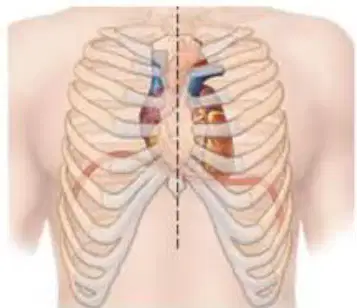
Where is the human heart located relative to nearby structures? Choose 3
Gently resting on the diaphragm inferiorly
Directly on top of the clavicles bilaterally
In the thoracic mediastinum behind the sternum
Between the lungs slightly to the left side
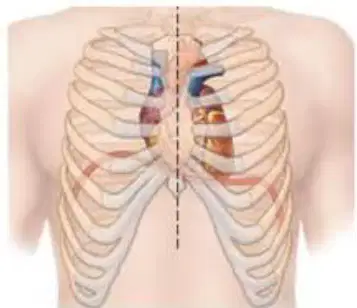
Which statement about the heart’s apex is accurate?
It is the blunt bottom tip of the heart
It is the vessel carrying blood to the lungs
It is the sharp upper base of the heart
It is a valve between right atrium and ventricle
Match each cardiac tissue layer or structure to its function.
Pericardium
Double-layered sac around the heart
Epicardium
Outer lining of the heart
Myocardium
Middle thick muscular layer
Endocardium
Smooth inner lining of chambers
Pericardial fluid
Lubricates between sac and epicardium
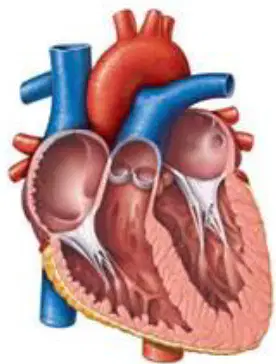
Which statement best describes the heart’s chambers shown in the diagram?
Three upper chambers in the heart
Four chambers total in the heart
Two lower chambers only in the heart
Two chambers total in the heart
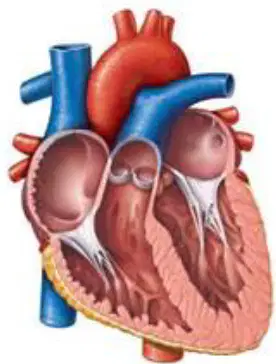
Match each term with its correct description.
Atria
Two upper chambers
Ventricles
Two lower chambers
Apex
Pointed inferior tip
Match each cardiac layer to its main function.
Epicardium
Outer protective surface of heart
Myocardium
Muscular layer that contracts
Endocardium
Smooth lining of chambers
Pericardium
Fibrous sac reducing friction
Which statement best describes pericardial fluid?
Clear fluid preventing blood from mixing
Nutrient-rich fluid feeding cardiac muscle
Lubricating fluid reducing friction during beats
Sticky fluid that helps valves seal tightly
Select all features correctly associated with the epicardium. Choose 2
Visceral layer of the pericardium
Thick muscular pumping tissue
Outer surface of the heart wall
Lines valves and chambers
Which chamber of the heart first receives deoxygenated blood returning from the body via the vena cava?
Left atrium
Left ventricle
Right ventricle
Right atrium
Match each vessel to the type of blood it carries in the circulatory pathway.
Pulmonary artery
Carries deoxygenated blood to lungs
Pulmonary veins
Returns oxygenated blood from lungs
Aorta
Distributes oxygenated blood to body
Vena cava
Returns deoxygenated blood from body
Which chamber pumps blood into the pulmonary artery during ventricular contraction?
Right ventricle
Right atrium
Left ventricle
Left atrium
Select all structures that directly deliver oxygenated blood to the left atrium.
Pulmonary artery
Mitral valve
Aorta
Pulmonary veins
On a labeled heart diagram, where does blood go immediately after passing through the tricuspid valve?
Right ventricle
Left atrium
Left ventricle
Pulmonary artery
Which pair correctly identifies the heart side and typical blood oxygen level in that side?
Right side—oxygenated blood
Left side—deoxygenated blood
Right side—deoxygenated blood
Both sides—only oxygenated blood
Match each chamber to the valve that regulates outflow from that chamber.
Right ventricle
Pulmonary valve
Left ventricle
Aortic valve
Right atrium
Tricuspid valve
Left atrium
Mitral valve
On a flow diagram, which sequence correctly traces one full path starting at the body and ending back at the body?
Body → vena cava → left atrium → left ventricle → aorta → lungs → pulmonary veins → right atrium → right ventricle → pulmonary artery → body
Body → vena cava → right atrium → right ventricle → pulmonary artery → lungs → pulmonary veins → left atrium → left ventricle → aorta → body
Body → aorta → left ventricle → left atrium → pulmonary veins → lungs → pulmonary artery → right ventricle → right atrium → vena cava → body
Body → pulmonary veins → right atrium → right ventricle → aorta → lungs → vena cava → left atrium → left ventricle → pulmonary artery → body
Match each valve with the chamber it regulates blood leaving or entering.
Tricuspid valve
Right ventricle entry
Mitral valve
Left ventricle entry
Pulmonary valve
Right ventricle exit
Aortic valve
Left ventricle exit
Which statement best describes how valves maintain one-way flow?
They open and close with pressure changes
They contract like cardiac muscle
They rely solely on nerve signals
They seal permanently after first use
Which statement best describes why heart valves are essential for blood flow?
They create pressure waves that start heartbeats
They slow blood so ventricles can fill longer
They ensure one-way blood flow through heart chambers
They allow backward blood movement during diastole
Match each heart valve to the primary direction it enforces.
Tricuspid valve
Right atrium to right ventricle forward
Mitral (bicuspid) valve
Left atrium to left ventricle forward
Pulmonary semilunar valve
Right ventricle to pulmonary artery forward
Aortic semilunar valve
Left ventricle to aorta forward
Which vessel returns deoxygenated blood from the body to the right atrium?
Coronary artery supplying heart muscle
Aorta carrying blood to tissues
Vena cava returning blood to heart
Pulmonary vein from lungs to atrium
Which statement best describes pulmonary arteries?
Carry oxygen-rich blood from lungs to heart
Carry carbon dioxide blood from right ventricle to lungs
Carry carbon dioxide blood from tissues to left atrium
Carry mixed blood from left ventricle to body
Which chamber receives oxygenated blood returning from the lungs before it enters the left ventricle?
Left atrium
Right atrium
Pulmonary trunk
Right ventricle
Which sequence correctly traces oxygenated blood from the lungs to the body?
Pulmonary veins → right atrium → aorta
Pulmonary veins → left atrium → left ventricle → aorta
Pulmonary arteries → left atrium → aorta
Pulmonary trunk → left ventricle → systemic veins
Which combination correctly pairs vessel and blood type carried?
Pulmonary vein carries deoxygenated blood
Pulmonary artery carries deoxygenated blood
Aorta carries deoxygenated blood
Vena cava carries oxygenated blood
Which heart structure initiates the electrical impulse that sets the pace for the heartbeat?
AV node pacemaker center
SA node natural pacemaker
Bundle of His impulse origin
Purkinje fibers primary pacemaker
Which statement best describes the Bundle of His?
Network in ventricular walls
Pacemaker in right atrium wall
Conduction pathway in septum
Specialized fibers between atria
In the heart’s conductive pathway, where are Purkinje fibers located and what do they do?
Atrial walls, start impulses
Ventricular walls, spread impulses
Septal area, delay impulses
Right atrium, pace impulses

