
Font size
 Worksheets
WH7: Midterm Review
Total questions: 80
Worksheet time: 40mins
A (a) was a pyramid-shaped structure with a temple at the top to honor the city-state’s chief god.
Mesopotamian farmers used irrigation and dams to produce a food (a) , or additional crops for later use.
Sargon ruled Akkad and conquered Sumerian city-states to form the world’s first (a) .
Akkadian rulers forced people to make payments called (a) to the ruler to show submission.
Sumerians had a belief system known as (a) in which they worshipped multiple gods.
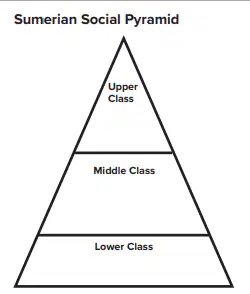
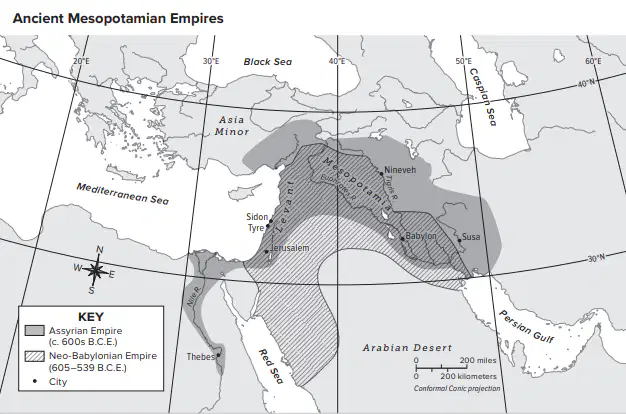
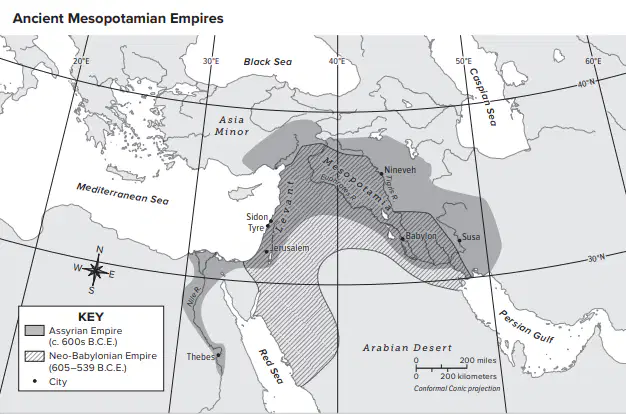
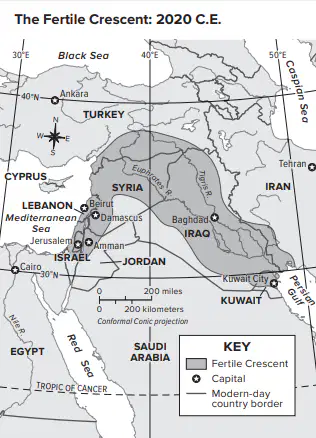
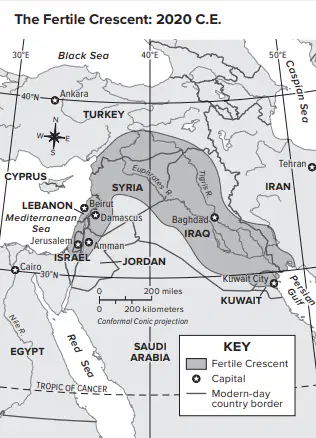
What is the meaning of the word “Mesopotamia”?
(a)
An (a) studies fossils and artifacts from ancient life to learn about the past.
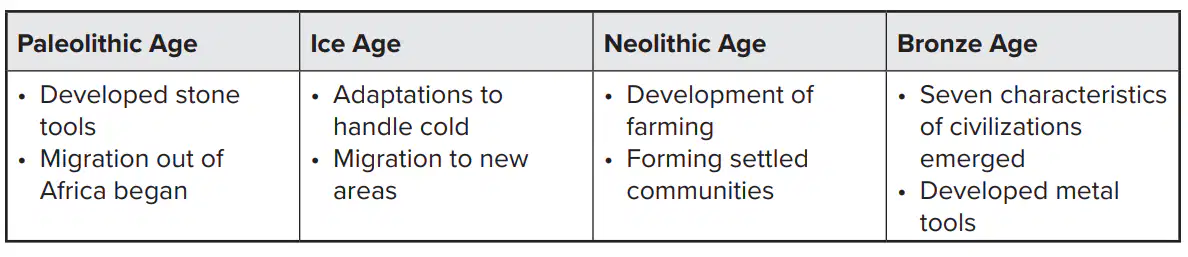

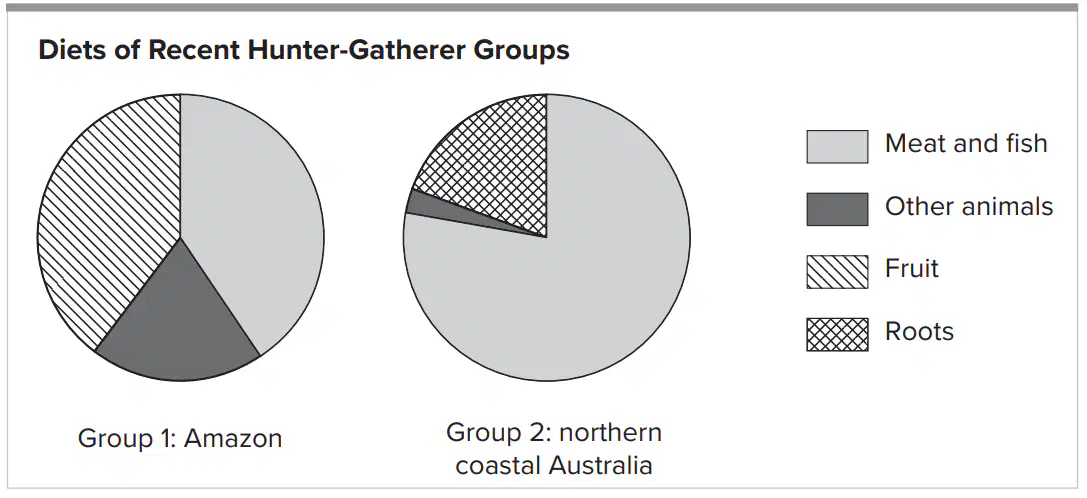
Pharaohs passed the right to rule on to their children, establishing a (a) that governed Egypt for many years.
Ancient Egyptians developed the first
medical books
alphabet
gold jewelry
iron tools
Why was Lower Egypt north of Upper Egypt?
Lower Egypt was established first.
Pyramids were taller in Upper Egypt.
The Nile River flowed south to north.
The river level was lower in Lower Egypt.
Based on the excerpt, it can be inferred that ancient Egyptians
believed in offering sacrifices to the gods.
believed the gods controlled the sun and river.
believed gods lived in the stars.
did not understand astronomy.
How do Egyptians use a shadoof?
to work iron weapons
to carry out the process of mummification
to lift buckets of water from the Nile onto dry land
to make hieroglyphic marks on stone
Select ALL that apply. In ancient Egyptian society, women
had many legal rights.
were considered lower class.
could hold powerful positions.
focused mainly on family.
Select ALL that apply. What technologies did ancient Egyptians use to create fertile land beyond the Nile River valley?
irrigation canals
water basins
a number system
levees and dams
Select ALL that apply. What kind of art have archaeologists found from ancient Egypt?
statues of pharaohs and gods
steep-sided pyramids
paintings with scenes of daily life
illustrations on papyrus
Why did the Egyptians build pyramids?
to serve as tombs for pharaohs and elite
to be temples for daily worship
to store surplus grain and goods
to house government offices
Based on the map, what was Egypt able to do during the New Kingdom?
expand its territory to the east
add ports and expand sea trade
conquer land in Mesopotamia
move its capital to Thebes
Based on the map, which statement best describes the region of the Old Kingdom?
included the Nile Delta and stretched south to Thebes
included both Upper and Lower Egypt
stretched into the Arabian Peninsula
bordered the eastern and northern shores of the Mediterranean Sea
Select ALL that apply. According to the map, what natural features of the Nile River valley helped protect the Egyptians from invasion?
deserts on both sides of the river
steep cliffs along the riverbanks
cataracts to the south of Egypt
strong forts in the Nile delta
Select ALL that apply. Based on the passage, what could happen if flood levels were not controlled?
Irrigation systems could be ruined.
Homes could be destroyed.
People could starve.
The annual cycle would be broken.
Based on the diagram, what can be inferred about how social class was determined in ancient Egypt?
by a person’s occupation and role
by random lottery each year
by a person’s age alone
by a person’s place of residence
When the waters of the Nile River returned to normal levels in the fall, they left behind (a) soil.
In ancient times, Egypt was ruled by a(n) (a) who had complete power.
Egyptians developed the process of (a) the dead to make mummies and help the soul complete the journey to the afterlife.
The (a) Kingdom of Egypt was created when King Narmer of Upper Egypt conquered Lower Egypt.
Fill in the blanks using the available answer choices. In ancient Egypt, people who owned businesses and held skilled jobs made up the ________ class. The largest social class was made up of ________.
upper; priests
middle; farmers/laborers
lower; merchants
middle; priests
Match terms with the correct phrase or definition. Term: delta
a material burned for its pleasant smell
position in society
area formed by soil deposits that build up as river water slows down
wild rapids
Match terms with the correct phrase or definition. Term: status
a material burned for its pleasant smell
position in society
area formed by soil deposits that build up as river water slows down
wild rapids
Match terms with the correct phrase or definition. Term: incense
a material burned for its pleasant smell
position in society
area formed by soil deposits that build up as river water slows down
wild rapids
Match terms with the correct phrase or definition. Term: cataracts
a material burned for its pleasant smell
position in society
area formed by soil deposits that build up as river water slows down
wild rapids
Match terms with the correct phrase or definition. Term: hieroglyphics
woven cloth
a reed plant cut into strips and pressed together to create a writing surface
a bucket attached to a long pole used to transfer water from a river to storage bins
a writing system made up of a combination of pictures and sound symbols
Match terms with the correct phrase or definition. Term: papyrus
woven cloth
a reed plant cut into strips and pressed together to create a writing surface
a bucket attached to a long pole used to transfer water from a river to storage bins
a writing system made up of a combination of pictures and sound symbols
Match terms with the correct phrase or definition. Term: shadoof
woven cloth
a reed plant cut into strips and pressed together to create a writing surface
a bucket attached to a long pole used to transfer water from a river to storage bins
a writing system made up of a combination of pictures and sound symbols
Match terms with the correct phrase or definition. Term: textile
woven cloth
a reed plant cut into strips and pressed together to create a writing surface
a bucket attached to a long pole used to transfer water from a river to storage bins
a writing system made up of a combination of pictures and sound symbols

