
 Worksheets
Science 4 196
Total questions: 196
Worksheet time: 2hrs 48mins
Refraction will cause the object to look
the same
larger and bent
smaller and straight
a different color
Light is a form of energy that can be senses with the
eyes
ears
nose
tongue
Smooth shiny objects will cause
rewind
refraction
reflection
reverse

This image shows what type of object?
transparent
opaque
translucent
none of these

This image shows what type of object?
transparent
opaque
translucent
none of these
Energy waves bouncing off the surface of an object and returns energy back to the source.
refraction
lense
reflection
none of these
It does not allow light to pass through.
opaque
transparent
translucent
none of these
It allows us to see objects.
light
bending
bouncing
absorbtion
It can break white light to different colors.
stone
metal
prism
rubber
_______________ is created by opaque materials.
shadow
new plant
fruits
roots
This is the property of a material that can absorb liquid like water.
Porous
Non Porous
Density
Bending
It is making a straight object into a curved one.
Pressing
Cutting
Hammering
Bending
What can we do by applying force in an object to flatten or smoothen it?
Pressing
Cutting
Hammering
Bending
To beat, strike or pound the object.
Pressing
Cutting
Hammering
Bending
It is the amount of mass of an object per unit.
Porous
Density
Size
Non Porous
It is the physical change of a material from liquid to solid.
Melting
Solidification
Evaporation
Condensation
It occurs when heat is removed from water vapor. When this happens, water vapor becomes liquid water.
Melting
Solidification
Evaporation
Condensation
It is the opposite of solidification. It is the change of solid to liquid.
Melting
Solidification
Evaporation
Condensation
It is a process by which a liquid changes to gas.
Melting
Solidification
Evaporation
Condensation
There are solid substances that are changed directly to gas without passing the liquid state.
Sublimation
Solidification
Deposition
Condensation
Clothes is an example of Porous
True
False
Tissue is an example of Non Porous
True
False
Glass is an example of Non Porous
True
False
Pillow is an example of Non Porous
True
False
Paper is an example of Non Porous
True
False
Example of Bending
Metal Stick
Ruler
Example of Cutting
Plastic
Chair
Example of Pressing
Keyboard
Stone
Example of Hammering
Clothes
Nail
Example of Bending
Paper Clip
Ballpen
Which of the following organs combine oxygen with the blood and eliminate carbon dioxide?
Brain
Heart
Lungs
Liver
Which of the following protects our organs in our body?
Diaphragm
Ribcage
Trachea
Bronchi
The gas that provides energy to the body is oxygen, while the one that produces waste products or "exhaust" of the body is _________________________.
carbon dioxide
Water
Blood
Fluid
Which of the following is a tube-like structure that allows the air you breathe in through your mouth and nose to travel to your lungs?
Bronchus
Trachea
Bronchioles
Diaphragm
The air sacs in our lungs are called:
bronchioles
bronchus
alveoli
tracheas
Your lungs inflate as you breathe in air.
TRUE
FALSE

What is the tube that is also known as your wind pipe?
esophogus
trachea
bronchi
alveoli
The right lung is slightly bigger than the left lung.
True
False
Which of the following is the digestive juice being produced by the liver?
Glucose
Glycogen
Bile
Fats
Which of the following is called to the Glucose that is stored in the liver?
Glucose
Glycogen
Bile
Fats
Which of the following statements describe terrestrial animals?
A. they live both on lands and in waters.
B. they live in the forest, grasslands, and deserts.
C. they live in the oceans, seas, ponds, and rivers.
Which group of animals are found on water habitat?
A. tadpole, grasshopper, hawk
B. dolphin, carabao, hawk
C. horse, goat, monkey
D. fish, squid, crab shrimp
Which of the following group of animals moves in the same way?
A .snakes, duck, worm
B. bird, butterfly, mosquito
C. dog, fish, frog
D. fish, turtle, monkey
Animals used their legs to move from place to place. How do cows, carabaos, horses, and goats used their hooves?
A. for chewing grass and leaves
B. help them move in water
C. help them walk even on hard rocks
D. to keep them warm
What will happen if animals are removed from their natural habitat? They will .
A. die
B. increase in number
C. not affected
D. have another body structure for adaptation
What do fish use for breathing?
A. fins
B. scales
C. gills
D. eyes
Which animals have shell?
A. jellyfish and worm
B. seal and dolphins
C. rabbit and cat
D. clam and mussels
Which animals are covered with outside skeleton or exoskeleton?
A. fish and jelly fish
B. shrimp and lobster
C. shells and seaweeds
D. mussels and squid
Scales protect some aquatic animals from disease and from other animals. Which aquatic animals have scales?
A. crabs
B. fish
C. shells
D. seaweeds
Which aquatic animals have legs?
A. cow
B. snake
C. seahorse
D. coral

What type of cloud is it?
Stratus Clouds
Cumulus Clouds
Nimbus Clouds

What type of cloud is it?
Stratus Clouds
Cumulus Clouds
Nimbus Clouds

What type of cloud is it?
Cirrus Clouds
Cumulus Clouds
Stratus Clouds

What type of cloud is it?
Cirrus Clouds
Cumulus Clouds
Stratus Clouds
What is the general condition of the atmosphere in a given place at a given time?
Weather
Climate
Rain
This flow of air from land to the sea.
sea breeze
lake breeze
land breeze
The average weather condition in an area in a long period of time.
climate
weather
storm

Which is NOT one of the three types of soil?
Asphalt
Clay
Loam
Sand
Which type of soil contains the right mixture of particles and can hold enough water and oxygen?
Loam
clay
Humus
Sand

What are the 4 different types of soil?
Clay, Loam, Sand & Gravel
Clay, Loam, Sand & Rocks
Clay, Loam, Sand & Silt
Clay, Loam, Sand & stone

This type of soil is sticky when wet and clumps up when it dries.
sand
silt
clay
humus
Water is used for ?
jumping
dancing
drinking
walking
______________ is a source of water.
Ocean
Mountain
Valley
Fields
These are the sources of water.
Lakes
Sea
River
All of the above
Which water sources can we drink from?
freshwater
saltwater
Which of the following is NOT a freshwater?
ocean
lake
river
stream

1. It contains plenty of salt.
a. Seawater
b. Freshwater
c. Ground water
We cannot drink water from sea/ocean because it is?
bitter
salty
creepy
tangy
1. Which group of animals live in a water habitat?
a. fish, squid, crab
b. horse, goat, monkey
c. dolphin, carabao, hawk
d. tadpole, grasshopper, hawk
2. Why can fish live in water?
I. They have a tail that helps them swim.
II. They can open their eyes under the water.
III. They have mouth that can drink much water
IV. They have gills that helps them breath in water.
a. I and III
b. I and IV
c. I and II
d. III and IV
3. What characteristic do land animals have?
a. legs for walking
b. wings for flying
c. fins for swimming
d. gills for breathing
4. How are frogs, snakes and grasshoppers protected from their prey?
a. They play dead.
b. They secrete a poisonous substance.
c. They blend color with their environment.
d. They mimic the shape, smell, and sound of their prey.
5. What makes a cat feel warm?
6. The structure or behavior that helps an organism survive in its environment is called ______.
a. adaptation
c. communication
b. camouflage
d. mimicry
7. Which of the following group of animals move in the same way?
a. dog, fish, frog
b. snakes, turtle, duck
c. monkey, rabbit, horse
d. bird, butterfly, mosquito
8. Animals used their legs to move from place to place. How do cows, carabaos, horses and goats use their hooves?
a. to keep them warm
b. help them move in water
c. for chewing grass and leaves
d. help them walk even on hard rocks
9. An animal has big hind legs. Which of the following movement can it do?
a. flying
b. hopping
c. running
d. walking
10. Mang Tino lives in a mountainous area. He is planning to put up a business. Which of the following may he do?
a. piggery
b. poultry
c. fishery
d. cattle raising
11. Land or terrestrial animals or animals that live on land have (a) for breathing.
12. Animals with (a) teeth like dog, lion and tiger eat meat and some animals eat both plants and meat.
13. (a) is a protective coloration in animals. This adaptation allows some animals to blend with their surroundings.
14. Other animals imitate the shape, smell, taste, color and even sound of other animals. This behavior is called (a) .
15. (a) is an ecological or environmental area that is inhabited by a particular species of animals, plants or organism. It is where animals and plants live.
It Is a dark patch on the sun’s surface.
core
sunspot
prominence
photosphere
It is the outer part of the sun (atmosphere).
Chromosphere
core
sunspot
corona
It is a huge ball of hot gasses that gives off its own light.
star
moon
planet
galaxy
Looks like a huge flame coming out of the sun
chromosphere
prominence
sunspot
corona
Looks like a crown of bright light glowing
prominence
corona
core
sunspot
What is UV?
it is a ray from the sun
ultraviolet radiation from the sun
light from sun
heat from the sun
All are harmful effects of the sun except from
skin cancer
gives vitamin D
harms the eyes
sunburn
How many glasses of water should we drink per day?
6 to 10 glasses
5 to 7 glasses
8 to 10 glasses
3 to 5 glasses
It is one of the kinds of fruit that we should eat to replenish the loss of water in the body.
apple
banana
watermelon
pineapple
Sun is essential in forming what type of Vitamins?
A
B
C
D
It is the property of a material to absorb liquid like water.
Density
Popularity
Porosity
Quezon City
These materials have plenty of spaces or holes called pores where liquid can be quickly absorbed.
Porous materials
Non-porous materials
Computers
Sponge
These materials cannot absorb water.
Porous materials
Non-porous materials
Computers
Sponge

What does this material tend to do?
Absorb water
sink
float

It this porous or non-porous?
Porous
non-porous

It this porous or non-porous?
porous
non-porous

What does this material tend to do?
float
sink
absorb water

What does this material tend to do?
float
sink
Which one absorbs water?
stone
laptop
sponge
chair
Which material will most likely undergo decay?
aluminum
water
left over foods
plastic cups
1. Which of the following group of products does NOT belong to only one classification?
Paints, vanish, pesticides, vehicle fluid
cereals, ice cream, preserves, condiments
perfume, lotion, toothpaste, cologne, powder
bleach, detergent, liquid soap, shampoo, dishwashing paste
2. Which material is best for cleaning in the kitchen?
plastic materials
absorbent materials
Paper materials
none of these
3. What are the three states of matter?
Solid, gas, liquid
Solid, water, gas
Mass, liquid, air
oxygen, water, cement
4. Which of the following are more likely to float above water?
Plastic ball
Hollow blocks
Stone
Paper plane
5. Which of the following are more likely to sink on the water?
Paper plane
Plastic spoons
Rubber duck
Stone
6. Which of the following has the ability to absorb water?
Glass
Plastic bottle
Table cloth
Water
7. This is a example of decaying materials
Glass
Garbage
Garbage can
plastic

8. What is the meaning of this label?
Danger
Recyclable
Flammable
Poisonous

9. What is the meaning of this sign?
Flammable
Danger
Poisonous
Recyclable

10. What is the meaning of this sign?
Deadly/ poisonous
Danger
Flammable
Recyclable

Force is a push and pull upon and object.
True
False

In tug of war, the force that we used is
Push force
Push and pull force
Pull force

Force cannot change the shape of things
True
False
All materials change shape when they are pulled or pushed by hand.
True
False

Size of force depends on the weight of the object.
True
False

The heavy the weight, the ___________ the force
Smaller
Medium
Bigger
Push
Pull
What is push ?
to move anything forward from us
to change the direction of an object
to change the shanpe of an object
What can force do ?
can change direction of an object
can change shape of an object
can move an object
all the above
What a force cannot do ?
change direction of an object
change the shape of an object
stop an moving object
change the smell of an object
Which picture shows push ?


By which type of force people are standing on their feet ?
Gravitational force
Magnetic force

Which force does this picture shows ?
gravitational force
frictional force
magnetic force
muscular force


I.Direction: Identify if it is true or false.
1. A material sinks when an object stays on the surface of the water.
true
false
2. Density is the amount of matter per occupied space.
true
false
3. Water has a density of one gram per
milliliter (1 g/mL).
true
false
4. Porous materials tend to sink in water because they increase in mass as
they absorb water.
true
false
5. Density is the object's mass divided by its volume.
true
false

II. Direction: Identify if the object will float or sink in the picture.
1.
float
sink

2.
float
sink

3.
float
sink

4.
float
sink

5.
float
sink

What weather instrument is shown in the picture?
barometer
anemometer
wind vane
thermometer
It is the day-to-day condition of the atmosphere.
climate
weather
clouds
rain
It measures the hotness or coldness of the air.
anemometer
thermometer
barometer
rain gauge

What weather instrument is shown in the picture?
(a)

What weather instrument is in the picture?
(a)
The weather can change within a day.
TRUE
FALSE
Wind speed is measured with an instrument called (a) .
A windy weather is characterized by strong winds that happen at any time of the day.
TRUE
FALSE
The hydrologic cycle is commonly known as (a) .
____ is precipitation in a form of liquid.
rain
fog
smog
In this stage the boys and girls begin to notice the changes in their bodies.
babyhood
childhood
adolescence
adulthood
In this stage they become responsible for their own actions and no longer rely on their parents to look after them.
babyhood
childhood
adolescence
adulthood
It is the first stage in the life cycle of human.
babyhood
childhood
adolescence
adulthood
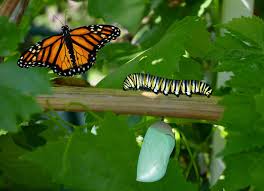


List the stages of a frog's life cycle in order.
Mother, Froglet, Tadpole, Frog, Egg
Frog, Froglet, Tadpole, Adult
Egg, Tadpole, Tadpole with legs, Froglet, Frog
Tadpole, Egg, Frog, Froglet

What is the first stage of a frog's life cycle?
The last stage of a frogs life cycle is_________.
frog
froglet
tadpole without legs
tadpole with legs
The third stage of a frogs life cycle is_________.
tadpole with no legs
tadpole with legs
froglet
frog
The second stage of a frogs life cycle is_________.
eggs
tadpole with no legs
tadpole with legs
froglet
Which temperature shows the coldest?
37 °C
46 °C
25 °C
Which of these instruments tells the direction of the wind?
thermometer
anemometer
wind vane
Which instrument measures the hotness or coldness of the environment?
compass
thermometer
barometer
It is the continuous movement of water in the earth’s surface?
evaporation
condensation
water cycle
Where does water vapor come from?
rivers
plants
ocean
all of the above
What are clouds made of?
dust
air /gas
water
water vapor
The process in changing water into water vapor is called _____________.
precipitation
evaporation
condensation
Snow is a precipitate.
true
false
Plants are not part of the water cycle.
TRUE
FALSE
Clouds are signs of weather.
TRUE
FALSE
Change in solid materials by bending, pressing, hammering, and cutting causes change in_____________.
form
color
scent
smell
A flower vase that has been accidentally broken into pieces shows an example of what type of change?
odor change
chemical change
physical change
color change
Do you like soft and fluffy pillows? What will happen if we press a pillow with our hands and release it after a few seconds?
It will permanently change in both shape and size.
It will change in both shape and size when pressed and return to its original form when released.
It will permanently change in shape but its size will not be affected.
It will change its color and odor.
Gab has a project and he needs to prepare art materials such as old newspapers. What will happen if he will cut a piece of newspaper?
The newspaper will not change in shape and size.
The newspaper will change both in shape and in size.
The newspaper will change in shape, form, texture, and odor.
The newspaper will change in shape but not in size.
Which of the following materials can be pressed?
Metal Spoon
Marshmallow
Paper Clip
Block of Wood
It is a change in a matter where the shape, size, form, and texture of an object or materials change.
Physical Change
Mechanical Change
Chemical Change
Electrical Change
It is a change in a matter where a new substance is formed, produces gas, creates light and sound, changes in color, odor, and temperature.
Electrical Change
Physical Change
Mechanical Change
Chemical Change
This is an example of Chemical Change.
Cutting cloth into pieces
Glass being broken
Rusting of Iron
Folding of Paper
This is an example of Physical Change.
Ripening of Fruits
Hammering of metal into a thin sheet
Spoiled milk
Burning of Wood
What is changed when solid materials are cut?
Both shape and size are changed.
Nothing will change.
Only the shape of solid materials is changed.
Only the size of solid materials is changed.
Melting candle is an example of...
Mechanical Change
Chemical Change
Electrical Change
Physical Change
Molding clay is an example of...
Electrical Change
Chemical Change
Physical Change
Mechanical Change
What happens when we break a rock boulder?
It changes its color
It changes size and shape
It produces a new substance
It produces gas
Gab has a project and he needs to prepare art materials such as old newspapers. What will happen if he will cut a piece of newspaper?
The newspaper will change in shape, form, texture, and odor.
The newspaper will not change in shape and size.
The newspaper will change both in shape and in size.
The newspaper will change in shape but not in size.
Clay is a good material for making pots and vases. What type of change in the properties of a clay when molding it?
changes in size and color
changes in volume and texture
changes in form and odor
changes in size and shape

