
 Worksheets
Understanding & Coping with Stress: Introduction
Total questions: 20
Worksheet time: 11mins
Which statement best describes stress for most people?
A condition that always harms health
A body and mind reaction to demands
A disease caused only by bacteria
A feeling that never changes over time
Which is most likely an emotional sign of being stressed?
Feeling irritable or overwhelmed
Never needing sleep again
Growing taller overnight
Improved vision instantly
Which choice best defines stress in simple terms?
A broken bone in the arm
The body’s response to pressure
A permanent personality trait
An allergy to loud noises
Which feeling is commonly linked with stress?
Worry or anxiety sensations
Complete lack of emotions
Constant happiness only
Total confusion always
Which coping strategy is healthy during a stressful day?
Talking to a trusted person
Refusing to sleep for days
Denying feelings completely
Eating only candy all week
Which is an example of a personal definition of stress?
Feeling pressure to meet goals
Being allergic to peanuts only
Liking music after school
Growing plants in the yard
Which action can reduce stress quickly in class?
Practicing slow breathing
Shouting at classmates
Leaving without permission
Finishing nothing at all
Which healthy habit supports stress management over time?
Ignoring homework always
Skipping water consistently
Staying up gaming all night
Regular sleep schedule nightly
Which step helps prevent last-minute stress?
Breaking tasks into chunks
Relying only on luck always
Ignoring all assignment dates
Waiting until the deadline
Which is a healthy way to manage stress after school?
Pretending feelings don’t exist
Eating nothing the entire day
Arguing with family constantly
Going for a short walk outside
When you learn your family is moving to France, which option is a cognitive thought rather than a physical reaction?
I wonder how school will be different there
My stomach tightens and I feel nauseous
My palms get clammy and start sweating
I feel a sudden rush of fear and sadness
Which example describes an external stressor?
A noisy classroom disrupting concentration
Worrying about personal performance
Negative self-talk after a mistake
Feeling guilty about a choice you made
Internal stressors are best described as
Pressures that come from inside yourself
Pressures caused by weather and traffic
Challenges created by school rules
Problems that only friends can cause
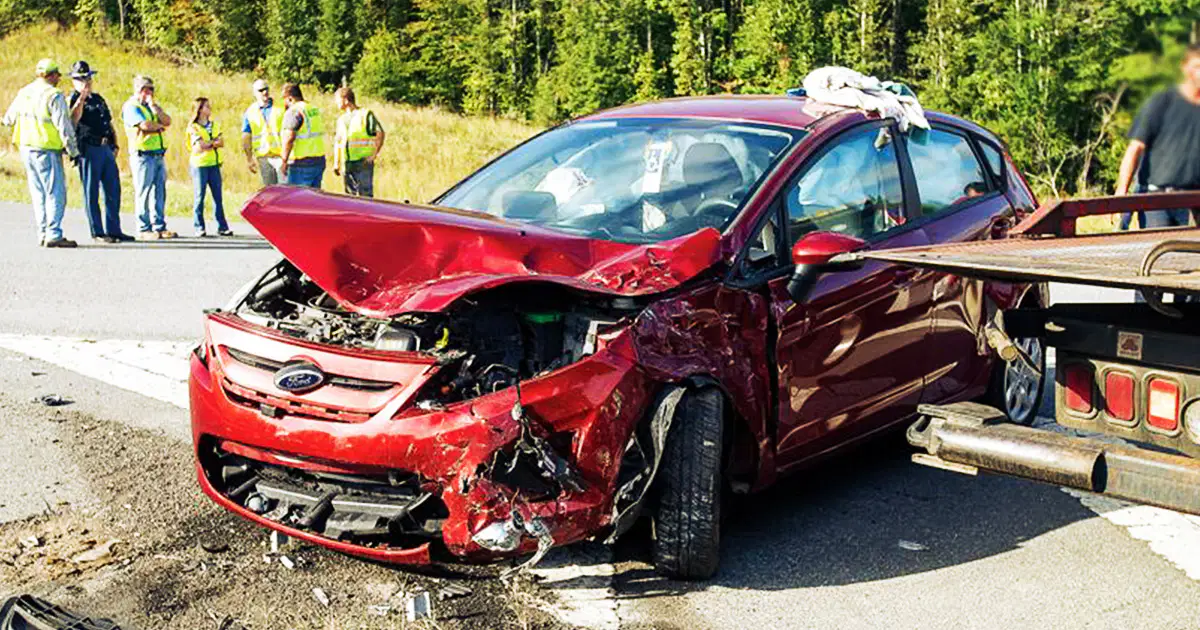
Which statement best defines a stressor as shown in the image?
Feelings that are always negative
Only events that are emergencies
Anything that causes stress responses
Tasks that are always difficult
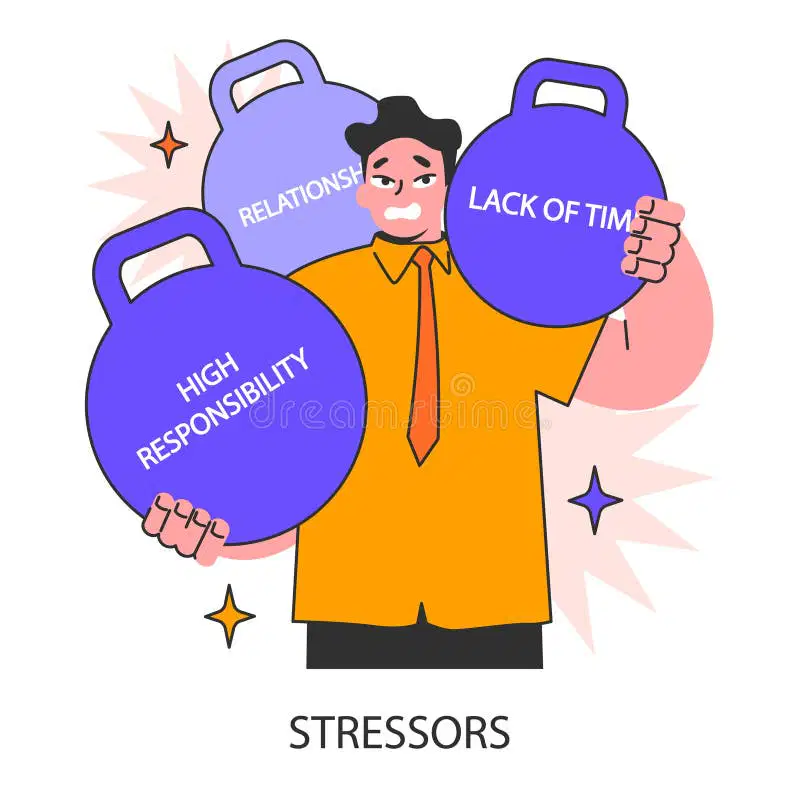
According to the visual, where do external stressors originate?
From past memories only
From the immune system
From thoughts and beliefs
From the outside world
Which example is most likely an internal stressor?
Heavy traffic on the bus
A sudden schedule change
School fire alarm noise
Self-criticism about grades
Which outcome is most associated with chronic stress impacting mental health over time?
Short bursts of excitement during exercise
Improved focus and faster decision-making
Temporary sadness after a single bad day
Anxiety with ongoing worry or panic
Which statement best explains why people react differently to the same stressful event shown in the slide?
Reactions depend on how the person views the situation
Reactions are fixed by age and school grade
Reactions are identical because stress is universal
Reactions only change with current physical fitness
Choose the most positive first step when you feel overwhelmed, based on the strategies shown in the slide.
Keep working nonstop without any break
Avoid asking for help to stay independent
Get more information to understand the situation
Ignore the problem and hope it disappears
How can understanding the physiological stress response help a student manage exam anxiety?
By ignoring physical symptoms to focus better on the exam.
By using relaxation techniques to control heart rate and breathing when symptoms arise.
By increasing caffeine intake to stay alert.
By studying harder to avoid the feeling of unpreparedness.

