
 Worksheets
Common Assessment 2 Review
Total questions: 30
Worksheet time: 30mins
When preparing a personal budget, which amount should you use for planning expenses?
Estimated income from future raises
Net income after taxes and deductions
Total income including employer benefits
Gross income before any deductions
A paycheck shows $2,400 gross pay and $1,860 take-home pay. For your budget, use (a) .
How many years does the IRS have the legal right to audit your tax returns?
Three years from filing date
Seven years from filing date
One year from filing date
Five years from filing date
Life insurance benefits are typically considered (a) income for the recipient.
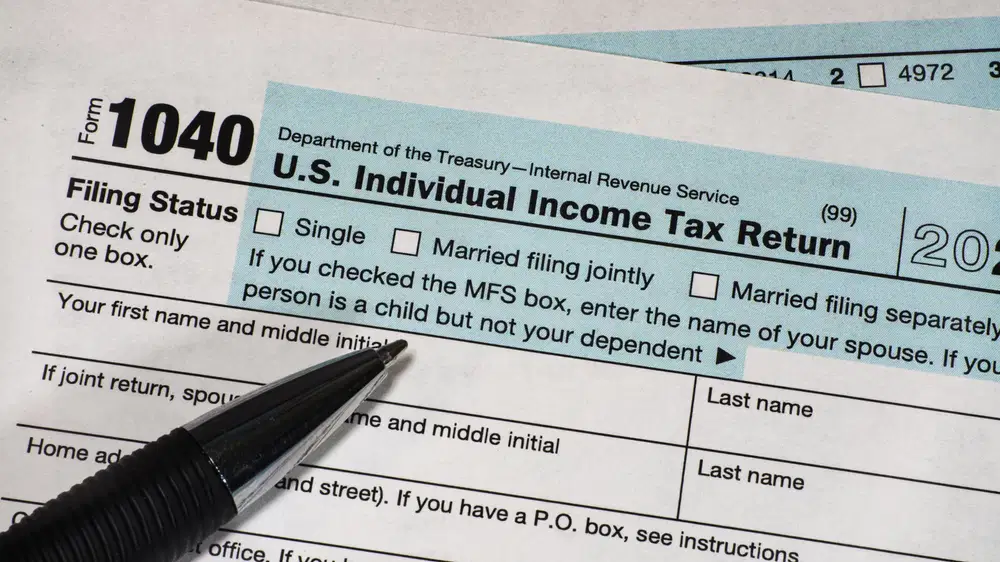
Look at the image. What determines your status on a tax return?
Number of bank accounts
Amount of wages earned
Marital status for the tax year
Age at the end of the year
Which term describes the deliberate act of not paying taxes you owe?
Tax withholding
Tax exemption
Tax evasion
Tax avoidance
Fill in the blank: The typical U.S. federal tax filing deadline is (a) .
What is the official examination of your tax return called?
A review letter
An audit
A tax notice
A compliance check
A monthly car loan payment stays the same over time. How should it be categorized in a budget?
Discretionary expense
Occasional expense
Variable expense
Fixed expense
Utilities such as electricity and water are examples of what type of expense?
Variable expenses that can change
Fixed expenses that never change
Irregular income that varies monthly
Discretionary savings for future goals
What is the primary purpose of a personal budget?
To balance your income and expenses
To avoid paying any utilities at all
To increase spending on entertainment
To list every purchase you ever make
Which option directly reduces the amount of tax you owe (tax liability)?
Claiming more allowances on forms
Higher withholding during the year
Tax deduction reducing taxable income
Tax credit applied to your return
Fill in the blank: A (a) lowers your taxable income, which can indirectly reduce the tax you pay.
The amount of money you deposit into a savings account
(a)
Which type of savings account offers the highest liquidity (easiest access to cash) but the lowest interest?
High-yield online savings account
Money market account with tiered rates
Regular savings account with daily access
Certificate of deposit with fixed term
Which term describes interest earned on both the original principal and previously added interest?
Flat rate applied each year
Simple interest on principal only
Compound interest on principal plus interest
Annual yield excluding prior interest
What does liquidity measure for an asset?
How fast cash grows over time
How quickly you can access cash without loss
How much interest a bank account pays
How risky the investment is compared to stocks
How much of your deposits are insured by the FDIC per depositor, per insured bank?
Unlimited per depositor
$250,000 per depositor
$100,000 per depositor
$500,000 per depositor
A student earns $1,800 for the month, with $180 in taxes and $45 in payroll deductions. What is the student’s take-home pay this month?
$1,575 after deductions
$1,745 after deductions
$1,620 after deductions
$1,800 after deductions
Which of the following costs would be the MOST difficult to adjust if you were looking to reduce your expenses?
Dining out
buying new clothing
car payment
Setting financial goals can help you create a budget by helping you determine.....
your needs
your wants
your priorities
your needs, wants and priorities
Why is it helpful to track your spending for 2 months?
You can receive higher interest rates for your savings account when you can show how you spend your money
You can receive special discounts at certain stores when you can show how you spend your money
To identify your spending patterns and then prioritize your needs, wants, and savings goals
To eliminate all spending on your wants
Which of the following is NOT a strategy you can use to save money on groceries?
use a small cart
listen to music while shopping
go shopping when you are hungry
make a list
Which of the following are variable expenses (amount can change from month to month)
car payment
entertainment
car insurance
monthly rent
Items for which you must spend money are called
net worth
expenses
assets
income
A SURPLUS in your budget is where actual spending is _____ than planned.
Greater
Less
A DEFICIT in your budget is where actual spending is _______ than planned.
Greater
Less

