
Font size
 Worksheets
DNA and Genetics Worksheet
Total questions: 196
Worksheet time: 3hrs 4mins
What is the process called where DNA makes a copy of itself?
Replication
Transcription
Translation
Mutation
Which process involves copying DNA into RNA?
Transcription
Replication
Translation
Mutation
What is the process called where RNA is used to make proteins?
Translation
Replication
Transcription
Mutation
What is the basic building block of DNA and RNA?
Nucleotide
Codon
Amino acid
Protein
What is a sequence of three nucleotides that codes for an amino acid called?
Codon
Nucleotide
Gene
Mutation
A mutation that shifts the reading frame of the genetic message is called:
Frameshift mutation
Point mutation
Silent mutation
Missense mutation
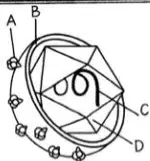
Which part of a virus contains its genetic information?
Capsid
Genetic Information
Sheath
Envelope glycoproteins
Which part of a virus is responsible for protecting the genetic material?
Capsid
Sheath
Fibers
Components made of lipids
What is the main function of the viral envelope?
To store energy
To protect the virus from the host immune system
To replicate the virus
To destroy host cells
Which component of a virus is made of proteins?
Capsid
Genetic Information
Viral Envelope
Components made of nucleic acid
What does a virus need in order to replicate?
Water
Host cell
Sunlight
Oxygen
Viruses take over the host cells to force the host cell to make viruses. What is this process called?
Photosynthesis
Viral replication
Fermentation
Translation
Unhealthy, weak people were more likely to get sick from COVID-19 because their (a) body system was weak.
Proteins (Projections) on Viruses are used to identify a virus and _____________________________________________________________ _____________________________________________________________ _____________________________________________________________
(a)
If the virus receptor protein does not fit with the host cell, that means the virus will not be able to (a)
Antiviral medicine must be given to an infected person within (a) in order to prevent the virus from spreading quickly.
Write Virus, Bacteria, or both on the characteristics below: Has a Capsid = _______________ Abiotic = _______________ Biotic = _______________ Could be a pathogen = _______________ Has Genetic material (DNA/RNA) = _______________ Can Replicate independently = _______________ Made of cells = _______________ Has a cell membrane = _______________ Needs a host cell = _______________ Example: Influenza = _______________ A Prokaryote = _______________
Virus, Virus, Bacteria, Both, Both, Bacteria, Bacteria, Bacteria, Virus, Virus, Bacteria
Bacteria, Virus, Virus, Virus, Virus, Virus, Virus, Virus, Bacteria, Bacteria, Virus
Virus, Bacteria, Virus, Bacteria, Bacteria, Virus, Virus, Bacteria, Virus, Bacteria, Virus
Both, Both, Both, Both, Both, Both, Both, Both, Both, Both, Both
During the Lysogenic cycle, what happens to the virus after the viral genetic info enters the host cell?
The viral DNA integrates into the host DNA
The virus immediately destroys the cell
The virus leaves the cell
The cell divides without any changes
Influenza is a virus that is known to (a) , or change, which is why vaccines need to be updated every year.
After most viral infections, the human body produces (a) cells. These help the body know what to expect the next time the virus tries to get into a cell.
What can kill bad bacteria but has no effect on viruses? (a)
Which of the following contains genetic information (DNA/RNA)?
Animal
Plant
Virus
All of the above
The Lytic Cycle is known to kill the host cell:
Slowly
Quickly
Never
Only in plants
Which of the following is an example of a virus that uses the Lytic Cycle?
HIV
Influenza
E. coli
Yeast
Which of the following is an example of a virus that uses the Lysogenic Cycle?
Influenza
HIV
Salmonella
Paramecium
Label the following picture (Animal, Virus, Plant, or Bacteria):
Animal
Virus
Plant
Bacteria
Label the following picture (Animal, Virus, Plant, or Bacteria):
Animal
Virus
Plant
Bacteria
Label the following picture (Animal, Virus, Plant, or Bacteria):
Animal
Virus
Plant
Bacteria
Which of the following best describes the task shown in question 12?
Identifying and explaining the steps in two biological cycles
Calculating the area of geometric shapes
Listing the properties of metals
Naming the planets in the solar system
What is the main focus of the diagram labeled with numbers and letters A and B?
The process of cell division
The process of photosynthesis
The process of digestion
The process of respiration
If a strand of DNA had bases in the following order - ATCCGTC, what would be the transcribed mRNA sequence?
TAGGCAG
UAGGCAG
TUGGCUG
None of the above are correct
ATCGTA
The first step of protein synthesis is.....
replication
mitosis
translation
transcription
Which of the following enzymes catalyzes the linkage together of RNA nucleotides to form RNA?
polymerase
ligase
ribozyme
reverse transcriptase
TAC GAA
TAC GAA
When the mRNA sequence leave the nucleus, what organelle does it travel to?
mitochondria
smooth ER
ribosome
vacuole
When the mRNA sequence leave the nucleus, what organelle does it travel to?
mitochondria
smooth ER
ribosome
vacuole
During protein synthesis, an RNA strand is transcribed from one strand of DNA (GCG TTA CCT) What is the complementary RNA strand?
CGC UUT CCT
CGC AAU GGA
GCG UUA CCU
CGC AAT GGA
During protein synthesis, an RNA strand is transcribed from one strand of DNA (GCG TTA CCT) What is the complementary RNA strand?
CGC UUT CCT
CGC AAU GGA
GCG UUA CCU
CGC AAT GGA
During protein synthesis, an RNA strand is transcribed from one strand of DNA (GCG TTA CCT) What is the complementary RNA strand?
CGC UUT CCT
CGC AAU GGA
GCG UUA CCU
CGC AAT GGA
During protein synthesis, an RNA strand is transcribed from one strand of DNA (GCG TTA CCT) What is the complementary RNA strand?
CGC UUT CCT
CGC AAU GGA
GCG UUA CCU
CGC AAT GGA
During protein synthesis, an RNA strand is transcribed from one strand of DNA (GCG TTA CCT) What is the complementary RNA strand?
CGC UUT CCT
CGC AAU GGA
GCG UUA CCU
CGC AAT GGA
During protein synthesis, an RNA strand is transcribed from one strand of DNA (GCG TTA CCT) What is the complementary RNA strand?
CGC UUT CCT
CGC AAU GGA
GCG UUA CCU
CGC AAT GGA

Use the image to answer the question
F
G
H
J

_______ is made during transcription and ________ is made during translation.
mRNA / a protein
a protein / mRNA
Ribosome / Nucleus
mRNA / tRNA

The following is a partial sequence. What would be the sequence produced after transcription and translation?
TAC - CTA - GTT
aug - gau - caa
met - gly - the
atg - gat - caa
met - asp - gln

A student makes a model to compare the process of transcription and translation to the process of using a grocery store that prepares orders for customers.
Based on the student's model and your knowledge of the biological process, which person or object represents tRNA?
The cashier
The grocery list
The shopper
The shopping cart
A student makes a model to compare the process of transcription and translation to the process of using a grocery store that prepares orders for customers.
Based on the student's model and your knowledge of the biological process, which person or object represents tRNA?
The cashier
The grocery list
The shopper
The shopping cart

Transcription or Translation?
Transcription
Translation
Transcription or Translation?
Transcription
Translation
Transcription or Translation?
Transcription
Translation

What process is shown in this image and where does it take place?
Translation, Nucleus
Transcription, Nucleus
Translation, Ribosome
Transcription, Ribosome
What process is shown in this image and where does it take place?
Translation, Nucleus
Transcription, Nucleus
Translation, Ribosome
Transcription, Ribosome
What process is shown in this image and where does it take place?
Translation, Nucleus
Transcription, Nucleus
Translation, Ribosome
Transcription, Ribosome
What process is shown in this image and where does it take place?
Translation, Nucleus
Transcription, Nucleus
Translation, Ribosome
Transcription, Ribosome

A student makes a model to compare the process of transcription and translation to the process of using a grocery store that prepares orders for customers.
Based on the student’s model and your knowledge of the biological process, which person or object represents tRNA?
(review the image carefully)
The cashier
The grocery list
The shopper
The shopping cart
A student makes a model to compare the process of transcription and translation to the process of using a grocery store that prepares orders for customers.
Based on the student’s model and your knowledge of the biological process, which person or object represents tRNA?
(review the image carefully)
The cashier
The grocery list
The shopper
The shopping cart
A student makes a model to compare the process of transcription and translation to the process of using a grocery store that prepares orders for customers.
Based on the student’s model and your knowledge of the biological process, which person or object represents tRNA?
(review the image carefully)
The cashier
The grocery list
The shopper
The shopping cart
A student makes a model to compare the process of transcription and translation to the process of using a grocery store that prepares orders for customers.
Based on the student’s model and your knowledge of the biological process, which person or object represents tRNA?
(review the image carefully)
The cashier
The grocery list
The shopper
The shopping cart
A student makes a model to compare the process of transcription and translation to the process of using a grocery store that prepares orders for customers.
Based on the student’s model and your knowledge of the biological process, which person or object represents tRNA?
(review the image carefully)
The cashier
The grocery list
The shopper
The shopping cart
A student makes a model to compare the process of transcription and translation to the process of using a grocery store that prepares orders for customers.
Based on the student’s model and your knowledge of the biological process, which person or object represents tRNA?
(review the image carefully)
The cashier
The grocery list
The shopper
The shopping cart

A partial DNA segment and an mRNA codon chart are shown. 3′ TCATGCATG 5′
What amino acid sequence is encoded in the partial DNA segment?
Serine – Threonine – Tyrosine
Serine – Serine – Tyrosine
Serine – Threonine – Methionine
Serine – Alanine – Methionine
A partial DNA segment and an mRNA codon chart are shown. 3′ TCATGCATG 5′
What amino acid sequence is encoded in the partial DNA segment?
Serine – Threonine – Tyrosine
Serine – Serine – Tyrosine
Serine – Threonine – Methionine
Serine – Alanine – Methionine
A partial DNA segment and an mRNA codon chart are shown. 3′ TCATGCATG 5′
What amino acid sequence is encoded in the partial DNA segment?
Serine – Threonine – Tyrosine
Serine – Serine – Tyrosine
Serine – Threonine – Methionine
Serine – Alanine – Methionine
A partial DNA segment and an mRNA codon chart are shown. 3′ TCATGCATG 5′
What amino acid sequence is encoded in the partial DNA segment?
Serine – Threonine – Tyrosine
Serine – Serine – Tyrosine
Serine – Threonine – Methionine
Serine – Alanine – Methionine
A partial DNA segment and an mRNA codon chart are shown. 3′ TCATGCATG 5′
What amino acid sequence is encoded in the partial DNA segment?
Serine – Threonine – Tyrosine
Serine – Serine – Tyrosine
Serine – Threonine – Methionine
Serine – Alanine – Methionine
A partial DNA segment and an mRNA codon chart are shown. 3′ TCATGCATG 5′
What amino acid sequence is encoded in the partial DNA segment?
Serine – Threonine – Tyrosine
Serine – Serine – Tyrosine
Serine – Threonine – Methionine
Serine – Alanine – Methionine
A partial DNA segment and an mRNA codon chart are shown. 3′ TCATGCATG 5′
What amino acid sequence is encoded in the partial DNA segment?
Serine – Threonine – Tyrosine
Serine – Serine – Tyrosine
Serine – Threonine – Methionine
Serine – Alanine – Methionine
A partial DNA segment and an mRNA codon chart are shown. 3′ TCATGCATG 5′
What amino acid sequence is encoded in the partial DNA segment?
Serine – Threonine – Tyrosine
Serine – Serine – Tyrosine
Serine – Threonine – Methionine
Serine – Alanine – Methionine
A partial DNA segment and an mRNA codon chart are shown. 3′ TCATGCATG 5′
What amino acid sequence is encoded in the partial DNA segment?
Serine – Threonine – Tyrosine
Serine – Serine – Tyrosine
Serine – Threonine – Methionine
Serine – Alanine – Methionine
A partial DNA segment and an mRNA codon chart are shown. 3′ TCATGCATG 5′
What amino acid sequence is encoded in the partial DNA segment?
Serine – Threonine – Tyrosine
Serine – Serine – Tyrosine
Serine – Threonine – Methionine
Serine – Alanine – Methionine
A student makes a model to compare the process of transcription and translation to the process of using a grocery store that prepares orders for customers.
Based on the student’s model and your knowledge of the biological process, which person or object represents tRNA?
(review the image carefully)
The cashier
The grocery list
The shopper
The shopping cart
A student makes a model to compare the process of transcription and translation to the process of using a grocery store that prepares orders for customers.
Based on the student’s model and your knowledge of the biological process, which person or object represents tRNA?
(review the image carefully)
The cashier
The grocery list
The shopper
The shopping cart
A student makes a model to compare the process of transcription and translation to the process of using a grocery store that prepares orders for customers.
Based on the student’s model and your knowledge of the biological process, which person or object represents tRNA?
(review the image carefully)
The cashier
The grocery list
The shopper
The shopping cart
What process is shown in this image and where does it take place?
Translation, Nucleus
Transcription, Nucleus
Translation, Ribosome
Transcription, Ribosome
What process is shown in this image and where does it take place?
Translation, Nucleus
Transcription, Nucleus
Translation, Ribosome
Transcription, Ribosome
Transcription or Translation?
Transcription
Translation
A student makes a model to compare the process of transcription and translation to the process of using a grocery store that prepares orders for customers.
Based on the student's model and your knowledge of the biological process, which person or object represents tRNA?
The cashier
The grocery list
The shopper
The shopping cart
The following is a partial sequence. What would be the sequence produced after transcription and translation?
TAC - CTA - GTT
aug - gau - caa
met - gly - the
atg - gat - caa
met - asp - gln
Which of the following is the function of the poly-A tail?
To protect mRNA from hydrolytic enzymes
To allow for entry into the nucleus
To signal for termination of translation
To decrease the length of mRNA molecules
Which of the following is the function of the poly-A tail?
To protect mRNA from hydrolytic enzymes
To allow for entry into the nucleus
To signal for termination of translation
To decrease the length of mRNA molecules
Which of the following is the function of the poly-A tail?
To protect mRNA from hydrolytic enzymes
To allow for entry into the nucleus
To signal for termination of translation
To decrease the length of mRNA molecules
Which of the following is the function of the poly-A tail?
To protect mRNA from hydrolytic enzymes
To allow for entry into the nucleus
To signal for termination of translation
To decrease the length of mRNA molecules
What is the product of transcription?
two complementary strands of DNA
a chain of amino acids
a strand of DNA
a strand of RNA
What is the product of transcription?
two complementary strands of DNA
a chain of amino acids
a strand of DNA
a strand of RNA
What is the product of transcription?
two complementary strands of DNA
a chain of amino acids
a strand of DNA
a strand of RNA
What is the product of transcription?
two complementary strands of DNA
a chain of amino acids
a strand of DNA
a strand of RNA
What is the product of transcription?
two complementary strands of DNA
a chain of amino acids
a strand of DNA
a strand of RNA
What is the product of transcription?
two complementary strands of DNA
a chain of amino acids
a strand of DNA
a strand of RNA
What is the product of transcription?
two complementary strands of DNA
a chain of amino acids
a strand of DNA
a strand of RNA
What is the product of transcription?
two complementary strands of DNA
a chain of amino acids
a strand of DNA
a strand of RNA
During transcription, what is the relationship between DNA and RNA?
Template DNA is the noncoding strand, RNA reads DNA in 3' -> 5' direction
Template DNA is the coding strand, RNA reads DNA in 3' -> 5' direction
Template DNA is the noncoding strand, RNA reads DNA in 5' -> 3' direction
Template DNA is the coding strand, RNA reads DNA in 5' -> 3' direction
During transcription, what is the relationship between DNA and RNA?
Template DNA is the noncoding strand, RNA reads DNA in 3' -> 5' direction
Template DNA is the coding strand, RNA reads DNA in 3' -> 5' direction
Template DNA is the noncoding strand, RNA reads DNA in 5' -> 3' direction
Template DNA is the coding strand, RNA reads DNA in 5' -> 3' direction
During transcription, what is the relationship between DNA and RNA?
Template DNA is the noncoding strand, RNA reads DNA in 3' -> 5' direction
Template DNA is the coding strand, RNA reads DNA in 3' -> 5' direction
Template DNA is the noncoding strand, RNA reads DNA in 5' -> 3' direction
Template DNA is the coding strand, RNA reads DNA in 5' -> 3' direction
During transcription, what is the relationship between DNA and RNA?
Template DNA is the noncoding strand, RNA reads DNA in 3' -> 5' direction
Template DNA is the coding strand, RNA reads DNA in 3' -> 5' direction
Template DNA is the noncoding strand, RNA reads DNA in 5' -> 3' direction
Template DNA is the coding strand, RNA reads DNA in 5' -> 3' direction
During transcription, what is the relationship between DNA and RNA?
Template DNA is the noncoding strand, RNA reads DNA in 3' -> 5' direction
Template DNA is the coding strand, RNA reads DNA in 3' -> 5' direction
Template DNA is the noncoding strand, RNA reads DNA in 5' -> 3' direction
Template DNA is the coding strand, RNA reads DNA in 5' -> 3' direction
During transcription, what is the relationship between DNA and RNA?
Template DNA is the noncoding strand, RNA reads DNA in 3' -> 5' direction
Template DNA is the coding strand, RNA reads DNA in 3' -> 5' direction
Template DNA is the noncoding strand, RNA reads DNA in 5' -> 3' direction
Template DNA is the coding strand, RNA reads DNA in 5' -> 3' direction
During transcription, what is the relationship between DNA and RNA?
Template DNA is the noncoding strand, RNA reads DNA in 3' -> 5' direction
Template DNA is the coding strand, RNA reads DNA in 3' -> 5' direction
Template DNA is the noncoding strand, RNA reads DNA in 5' -> 3' direction
Template DNA is the coding strand, RNA reads DNA in 5' -> 3' direction
During transcription, what is the relationship between DNA and RNA?
Template DNA is the noncoding strand, RNA reads DNA in 3' -> 5' direction
Template DNA is the coding strand, RNA reads DNA in 3' -> 5' direction
Template DNA is the noncoding strand, RNA reads DNA in 5' -> 3' direction
Template DNA is the coding strand, RNA reads DNA in 5' -> 3' direction
During transcription, what is the relationship between DNA and RNA?
Template DNA is the noncoding strand, RNA reads DNA in 3' -> 5' direction
Template DNA is the coding strand, RNA reads DNA in 3' -> 5' direction
Template DNA is the noncoding strand, RNA reads DNA in 5' -> 3' direction
Template DNA is the coding strand, RNA reads DNA in 5' -> 3' direction
During transcription, what is the relationship between DNA and RNA?
Template DNA is the noncoding strand, RNA reads DNA in 3' -> 5' direction
Template DNA is the coding strand, RNA reads DNA in 3' -> 5' direction
Template DNA is the noncoding strand, RNA reads DNA in 5' -> 3' direction
Template DNA is the coding strand, RNA reads DNA in 5' -> 3' direction
During transcription, what is the relationship between DNA and RNA?
Template DNA is the noncoding strand, RNA reads DNA in 3' -> 5' direction
Template DNA is the coding strand, RNA reads DNA in 3' -> 5' direction
Template DNA is the noncoding strand, RNA reads DNA in 5' -> 3' direction
Template DNA is the coding strand, RNA reads DNA in 5' -> 3' direction
During transcription, what is the relationship between DNA and RNA?
Template DNA is the noncoding strand, RNA reads DNA in 3' -> 5' direction
Template DNA is the coding strand, RNA reads DNA in 3' -> 5' direction
Template DNA is the noncoding strand, RNA reads DNA in 5' -> 3' direction
Template DNA is the coding strand, RNA reads DNA in 5' -> 3' direction
During transcription, what is the relationship between DNA and RNA?
Template DNA is the noncoding strand, RNA reads DNA in 3' -> 5' direction
Template DNA is the coding strand, RNA reads DNA in 3' -> 5' direction
Template DNA is the noncoding strand, RNA reads DNA in 5' -> 3' direction
Template DNA is the coding strand, RNA reads DNA in 5' -> 3' direction
During transcription, what is the relationship between DNA and RNA?
Template DNA is the noncoding strand, RNA reads DNA in 3' -> 5' direction
Template DNA is the coding strand, RNA reads DNA in 3' -> 5' direction
Template DNA is the noncoding strand, RNA reads DNA in 5' -> 3' direction
Template DNA is the coding strand, RNA reads DNA in 5' -> 3' direction
During transcription, what is the relationship between DNA and RNA?
Template DNA is the noncoding strand, RNA reads DNA in 3' -> 5' direction
Template DNA is the coding strand, RNA reads DNA in 3' -> 5' direction
Template DNA is the noncoding strand, RNA reads DNA in 5' -> 3' direction
Template DNA is the coding strand, RNA reads DNA in 5' -> 3' direction
During transcription, what is the relationship between DNA and RNA?
Template DNA is the noncoding strand, RNA reads DNA in 3' -> 5' direction
Template DNA is the coding strand, RNA reads DNA in 3' -> 5' direction
Template DNA is the noncoding strand, RNA reads DNA in 5' -> 3' direction
Template DNA is the coding strand, RNA reads DNA in 5' -> 3' direction
During transcription, what is the relationship between DNA and RNA?
Template DNA is the noncoding strand, RNA reads DNA in 3' -> 5' direction
Template DNA is the coding strand, RNA reads DNA in 3' -> 5' direction
Template DNA is the noncoding strand, RNA reads DNA in 5' -> 3' direction
Template DNA is the coding strand, RNA reads DNA in 5' -> 3' direction
During transcription, what is the relationship between DNA and RNA?
Template DNA is the noncoding strand, RNA reads DNA in 3' -> 5' direction
Template DNA is the coding strand, RNA reads DNA in 3' -> 5' direction
Template DNA is the noncoding strand, RNA reads DNA in 5' -> 3' direction
Template DNA is the coding strand, RNA reads DNA in 5' -> 3' direction
During transcription, what is the relationship between DNA and RNA?
Template DNA is the noncoding strand, RNA reads DNA in 3' -> 5' direction
Template DNA is the coding strand, RNA reads DNA in 3' -> 5' direction
Template DNA is the noncoding strand, RNA reads DNA in 5' -> 3' direction
Template DNA is the coding strand, RNA reads DNA in 5' -> 3' direction
During transcription, what is the relationship between DNA and RNA?
Template DNA is the noncoding strand, RNA reads DNA in 3' -> 5' direction
Template DNA is the coding strand, RNA reads DNA in 3' -> 5' direction
Template DNA is the noncoding strand, RNA reads DNA in 5' -> 3' direction
Template DNA is the coding strand, RNA reads DNA in 5' -> 3' direction
During transcription, what is the relationship between DNA and RNA?
Template DNA is the noncoding strand, RNA reads DNA in 3' -> 5' direction
Template DNA is the coding strand, RNA reads DNA in 3' -> 5' direction
Template DNA is the noncoding strand, RNA reads DNA in 5' -> 3' direction
Template DNA is the coding strand, RNA reads DNA in 5' -> 3' direction
During transcription, what is the relationship between DNA and RNA?
Template DNA is the noncoding strand, RNA reads DNA in 3' -> 5' direction
Template DNA is the coding strand, RNA reads DNA in 3' -> 5' direction
Template DNA is the noncoding strand, RNA reads DNA in 5' -> 3' direction
Template DNA is the coding strand, RNA reads DNA in 5' -> 3' direction
During transcription, what is the relationship between DNA and RNA?
Template DNA is the noncoding strand, RNA reads DNA in 3' -> 5' direction
Template DNA is the coding strand, RNA reads DNA in 3' -> 5' direction
Template DNA is the noncoding strand, RNA reads DNA in 5' -> 3' direction
Template DNA is the coding strand, RNA reads DNA in 5' -> 3' direction
During transcription, what is the relationship between DNA and RNA?
Template DNA is the noncoding strand, RNA reads DNA in 3' -> 5' direction
Template DNA is the coding strand, RNA reads DNA in 3' -> 5' direction
Template DNA is the noncoding strand, RNA reads DNA in 5' -> 3' direction
Template DNA is the coding strand, RNA reads DNA in 5' -> 3' direction
During transcription, what is the relationship between DNA and RNA?
Template DNA is the noncoding strand, RNA reads DNA in 3' -> 5' direction
Template DNA is the coding strand, RNA reads DNA in 3' -> 5' direction
Template DNA is the noncoding strand, RNA reads DNA in 5' -> 3' direction
Template DNA is the coding strand, RNA reads DNA in 5' -> 3' direction
During transcription, what is the relationship between DNA and RNA?
Template DNA is the noncoding strand, RNA reads DNA in 3' -> 5' direction
Template DNA is the coding strand, RNA reads DNA in 3' -> 5' direction
Template DNA is the noncoding strand, RNA reads DNA in 5' -> 3' direction
Template DNA is the coding strand, RNA reads DNA in 5' -> 3' direction
During transcription, what is the relationship between DNA and RNA?
Template DNA is the noncoding strand, RNA reads DNA in 3' -> 5' direction
Template DNA is the coding strand, RNA reads DNA in 3' -> 5' direction
Template DNA is the noncoding strand, RNA reads DNA in 5' -> 3' direction
Template DNA is the coding strand, RNA reads DNA in 5' -> 3' direction
During transcription, what is the relationship between DNA and RNA?
Template DNA is the noncoding strand, RNA reads DNA in 3' -> 5' direction
Template DNA is the coding strand, RNA reads DNA in 3' -> 5' direction
Template DNA is the noncoding strand, RNA reads DNA in 5' -> 3' direction
Template DNA is the coding strand, RNA reads DNA in 5' -> 3' direction
During transcription, what is the relationship between DNA and RNA?
Template DNA is the noncoding strand, RNA reads DNA in 3' -> 5' direction
Template DNA is the coding strand, RNA reads DNA in 3' -> 5' direction
Template DNA is the noncoding strand, RNA reads DNA in 5' -> 3' direction
Template DNA is the coding strand, RNA reads DNA in 5' -> 3' direction
During transcription, what is the relationship between DNA and RNA?
Template DNA is the noncoding strand, RNA reads DNA in 3' -> 5' direction
Template DNA is the coding strand, RNA reads DNA in 3' -> 5' direction
Template DNA is the noncoding strand, RNA reads DNA in 5' -> 3' direction
Template DNA is the coding strand, RNA reads DNA in 5' -> 3' direction
During transcription, what is the relationship between DNA and RNA?
Template DNA is the noncoding strand, RNA reads DNA in 3' -> 5' direction
Template DNA is the coding strand, RNA reads DNA in 3' -> 5' direction
Template DNA is the noncoding strand, RNA reads DNA in 5' -> 3' direction
Template DNA is the coding strand, RNA reads DNA in 5' -> 3' direction
During transcription, what is the relationship between DNA and RNA?
Template DNA is the noncoding strand, RNA reads DNA in 3' -> 5' direction
Template DNA is the coding strand, RNA reads DNA in 3' -> 5' direction
Template DNA is the noncoding strand, RNA reads DNA in 5' -> 3' direction
Template DNA is the coding strand, RNA reads DNA in 5' -> 3' direction
During transcription, what is the relationship between DNA and RNA?
Template DNA is the noncoding strand, RNA reads DNA in 3' -> 5' direction
Template DNA is the coding strand, RNA reads DNA in 3' -> 5' direction
Template DNA is the noncoding strand, RNA reads DNA in 5' -> 3' direction
Template DNA is the coding strand, RNA reads DNA in 5' -> 3' direction
What is the product of transcription?
two complementary strands of DNA
a chain of amino acids
a strand of DNA
a strand of RNA
What is the product of transcription?
two complementary strands of DNA
a chain of amino acids
a strand of DNA
a strand of RNA
What is the product of transcription?
two complementary strands of DNA
a chain of amino acids
a strand of DNA
a strand of RNA
What is the product of transcription?
two complementary strands of DNA
a chain of amino acids
a strand of DNA
a strand of RNA
What is the product of transcription?
two complementary strands of DNA
a chain of amino acids
a strand of DNA
a strand of RNA
What is the product of transcription?
two complementary strands of DNA
a chain of amino acids
a strand of DNA
a strand of RNA
What is the product of transcription?
two complementary strands of DNA
a chain of amino acids
a strand of DNA
a strand of RNA
What is the product of transcription?
two complementary strands of DNA
a chain of amino acids
a strand of DNA
a strand of RNA
Which of the following is the function of the poly-A tail?
To protect mRNA from hydrolytic enzymes
To allow for entry into the nucleus
To signal for termination of translation
To decrease the length of mRNA molecules
Which of the following is the function of the poly-A tail?
To protect mRNA from hydrolytic enzymes
To allow for entry into the nucleus
To signal for termination of translation
To decrease the length of mRNA molecules
Which of the following is the function of the poly-A tail?
To protect mRNA from hydrolytic enzymes
To allow for entry into the nucleus
To signal for termination of translation
To decrease the length of mRNA molecules
Which of the following is the function of the poly-A tail?
To protect mRNA from hydrolytic enzymes
To allow for entry into the nucleus
To signal for termination of translation
To decrease the length of mRNA molecules

