
 Worksheets
honors bio
Total questions: 201
Worksheet time: 50hrs 15mins


Which of the following replication enzymes is used to unwind the DNA double helix?
DNA polymerase
Primase
DNA ligase
Helicase
Of the following DNA replication enzymes, which one links the Okazaki fragments of the lagging strand?
DNA ligase
DNA polymerase
Helicase
Primase

DNA replication is semi-conservative. This means that __________.
both double strands have different percentages of nucleotides
both double strands have a newly created strand and an original template strand
an entirely new synthesized DNA molecule is created, while the original double helix stays together
none of the above
Which of the following complementary base pairs are correct?
A - T
T - C
A - G
G - U
Which enzyme catalyzes the elongation of a new DNA strand in the 5' → 3' direction?
Ligase
DNA polymerase
Primase
Lactase
DNA is a polymer made of monomers (building blocks) called
Nucleotides
Proteins
Amino Acids
Lipids
A nitrogenous base is an important component of the nucleotide making up DNA. Which of the following correctly lists the four possible nitrogenous bases in DNA?
glutamine, proline, tyrosine, phenylalanine
adenine, guanine, cytosine, thymine
leucine, proline, tyrosine, phenylalanine
adenine, guanine, cytosine, uracil

What is an Okazaki fragment?
short RNA primers placed before DNA replication starts
long segments of DNA on leading strand
short sequences of DNA which are synthesized discontinuously on lagging strand
a japanese show on netflix
Site or section where double-stranded DNA splits apart into 2 single strands
Leading Strand
Replication Fork
Lagging Strand
RNA primer

(Hard) Which of the following is true?
Strand III is a lagging strand template while strand IV is a leading strand template
Strand I is the leading strand while Strand II is the lagging strand
Strand I and Strand II are template (parental) strands
Strand III is complimentary to Strand II
Which strand is replicated continuously?
Leading strand
Lagging strand
Template strand
DNA polymerase can only add nucleotides in the ___________ direction.
5' to 3'
5' to 5'
3' to 5'
3' to 7'


Which organelle contains DNA and directs activities of the cell?
mitochondria
chloroplasts
nucleus
ribosome


Sugar belongs to which class of macromolecules?
proteins
lipids
nucleic acids
carbohydrates
Which of the following converts food into energy for the cell?
vacuole
mitochondria
cytoplasm
cell membrane


Insulin: a hormone made by the pancreas. It allows your body to use glucose from food. Insulin controls glucose levels.
Circulatory and lymphatic
Integumentary and muscular
Endocrine and circulatory
Digestive and skeletal
When you get pinched by someone, which systems interact to help you move your arm away?
Nervous, muscular, skeletal
Nervous. respiratory, skeletal
Muscular, excretory, skeletal
Digestive, muscular, respiratory
Which body systems work together for nutrient absorption?
Circulatory & immune
Digestive & skeletal
Muscular & excretory
Digestive & circulatory
Which systems pictured are helping regulate water and salt balance in the blood?
Excretory and integumentary
Circulatory and excretory
Endocrine and circulatory
Immune and nervous
The immune system fights diseases. The circulatory system pairs with the immune system because ___.
blood is made in the bones.
plasma carries nutrients.
red blood cells carry oxygen.
white blood cells fight infection.
What tissue type carries information from your brain to the heart telling it to pump blood.
nerve tissue
epithelial tissue
muscle tissue
connective tissue
How do the skeletal and circulatory systems relate to each other?
Bone marrow produces blood.
The heart is made of cardiac muscle tissue.
The heart is held in place in the chest by ligaments.
The blood brings carbon dioxide and glucose to the cells of the bones.
What is a major role of the endocrine system?
release hormones to control many body functions
digest and absorb food
transport nutrients through the blood
first line of defense from infection
1. What is the function of the cell membrane?
Regulate what enters and leaves the cell, provide protection and support, and allow for cell communication.
Produce hormones for the cell
Store energy for the cell
Regulate body temperature
2. What are the differences between prokaryotic and eukaryotic cells?
The main differences are the presence of a nucleus and other membrane-bound organelles in eukaryotic cells, while prokaryotic cells lack these structures.
Eukaryotic cells have a cell wall while prokaryotic cells do not
Prokaryotic cells have a larger size than eukaryotic cells
The main difference is the color of the cells
3. Describe the structure and function of the mitochondria.
The mitochondria is a single-membrane-bound organelle responsible for producing energy in the form of glucose through photosynthesis.
The mitochondria is a double-membrane-bound organelle responsible for producing energy in the form of ATP through cellular respiration.
The mitochondria is a type of cell wall that provides structural support to the cell.
The mitochondria is a small molecule that stores genetic information in the form of DNA.
4. What is the overall equation for photosynthesis?
5CO2 + 5H2O + light energy → C5H10O5 + 5O2
6CO2 + 6H2O + light energy → C6H12O6 + 6O2
2CO2 + 2H2O + light energy → C2H4O2 + 2O2
3CO2 + 3H2O + light energy → C3H6O3 + 3O2
5. Explain the process of cellular respiration.
Cells break down water to produce ATP for energy.
Cells break down carbon dioxide to produce ATP for energy.
Cells break down oxygen to produce ATP for energy.
Cells break down glucose to produce ATP for energy.
6. How are photosynthesis and cellular respiration related?
Photosynthesis and cellular respiration occur in different organisms
Photosynthesis and cellular respiration have no relationship
Photosynthesis and cellular respiration produce the same end products
The products of photosynthesis are the reactants of cellular respiration, and vice versa.
7. What are the four major classes of organic compounds?
Animals, plants, fungi, and bacteria
Carbohydrates, lipids, proteins, and nucleic acids
Salt, sugar, pepper, and vinegar
Water, air, soil, and rocks
8. Describe the structure and function of enzymes.
Enzymes are made of inorganic materials and slow down chemical reactions in the body.
Enzymes have no specific structure and do not play a role in chemical reactions.
Enzymes are only found in plants and have no function in animal bodies.
Enzymes are biological molecules that act as catalysts to speed up chemical reactions in the body.
9. What is the role of ATP in biochemistry?
Provides structural support for cells
Provides energy for biochemical reactions
Stores genetic information
Regulates body temperature
10. Describe the stages of mitosis.
A, B, C, D
Start, Stop, Pause, Resume
Prophase, Metaphase, Anaphase, Telophase
Left, Right, Up, Down
11. What is the significance of mitosis in the growth and repair of an organism?
Mitosis causes the death of cells in the organism.
Mitosis produces new cells for growth and repair.
Mitosis produces energy for growth and repair.
Mitosis is only important for the development of the nervous system.
12. Explain the process of crossing over in meiosis.
Crossing over is the duplication of genetic material within a single chromosome during meiosis.
Crossing over is the separation of genetic material between homologous chromosomes during meiosis.
Crossing over is the exchange of genetic material between homologous chromosomes during meiosis.
Crossing over is the fusion of non-homologous chromosomes during mitosis.
13. What is the difference between meiosis I and meiosis II?
Meiosis I occurs in somatic cells and meiosis II occurs in gametes.
The separation of sister chromatids in meiosis I and the separation of homologous chromosomes in meiosis II.
Meiosis I results in 4 daughter cells and meiosis II results in 2 daughter cells.
The separation of homologous chromosomes in meiosis I and the separation of sister chromatids in meiosis II.
14. Describe the importance of genetic variation in meiosis.
Genetic variation in meiosis has no impact on genetic diversity.
Genetic variation in meiosis leads to decreased genetic diversity.
Genetic variation in meiosis only affects physical traits, not genetic diversity.
Genetic variation in meiosis leads to increased genetic diversity.
15. How does meiosis contribute to genetic diversity?
By causing identical copies of the same chromosome to be produced
By preventing any genetic recombination from occurring
By promoting genetic recombination and independent assortment of chromosomes.
By ensuring that all offspring receive the exact same combination of genes


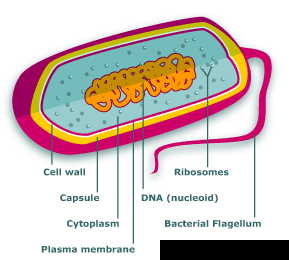
______ are used as a tool to treat bacterial infections.
Vaccines
Anitvirals
Luck & Prayer
Antibiotics
Bacteria can be useful to humans, because
They aid in digestion
They help plants in the soil to grow.
They are used in manufacturing food like yogurt and cheese.
All of the above.
When cells move large food particles out of the cell, this is an example of
Endocytosis
Exocytosis
Ion Pumps
Facilitated Diffusion
Place the following levels of organization in order from largest to smallest.
Organ System, Tissue, Organism, Cell, Organ
Organism, Organ System, Organ, Tissue, Cell
Organism, Organ, Organ System, Tissue, Cell
Organism, Organ System, Organ, Cell, Tissue
When only water moves. Is osmosis a type of passive transport? ( (a) )
Per Chargaff’s base pair rule, if I have a sample of DNA that contains 21% adenine, what percentage of the sample would be thymine? (a) % why?
The process of cells making sugars using sunlight is called (a) .
Bacteria are types of (a) cells.
If this happens in animal cells, the term is ( (a) )
Per Chargaff’s base pair rule, if I have a sample of DNA that contains 21% cytosine, what percentage of the sample would be adenine? (a) % why?
List the three enzymes IN ORDER that function in DNA replication and their functions: Helicase function: unzips the DNA, DNA Polymerase function: adds new nucleotides to existing nucleotides, Primase function: tells polymerase where to start, (a) function: repairs fragments of DNA
The actual molecule in our bodies that gives us 'usable' energy for our cells is (a) .
The three steps of aerobic cell respiration are glycolysis, Krebs cycle, and (a) transport chain.
What is the function of the mitochondria in a cell?
Protein synthesis
Cellular respiration
Photosynthesis
DNA replication
What is the role of RNA in protein synthesis?
It carries the genetic code from the DNA to the ribosome
It provides the energy for protein synthesis
It forms the structure of the ribosome
It breaks down the protein after it is formed
What is the function of the cell membrane?
To control what enters and leaves the cell
To provide energy for the cell
To carry out photosynthesis
To store genetic information
What is osmosis?
diffusion of water
diffusion of nonpolar molecules
active transport
diffusion of solutes
unsaturated fatty acids
have double bonds between some of their carbons
have no double bonds
have always single bonds
have no bonds
triglycerides are lipids therefore
triglycerides are hydrophobic
triglycerides are hydrophilic 1
triglycerides are polar
triglycerides don't exist
storage form of carbohydrates in animals _______ and _______ in plants
glucose; glucose
cellulose; glycogen
starch; glycogen
glycogen; starch
nucleotides are made of
a sugar and a phosphate
a sugar, nitrogenous base, and a phosphate group
nitrogenous base and a sugar
a nitrogenous base and a phosphate group
Peptide bonds
are formed by hydrolysis
form between fatty acids
link amino acids
form amino acids
amino acids have
fat
a carboxyl and an amino group
sugar
glucose
a hydroxyl group is
characteristics of alcohols
composed of two oxygen atoms
also called a carbonyl group
characteristics of proteins
isomers
different molecular formula but the same chemical properties
different molecular formulas but same chemical formulas
same molecular formula but different chemical properties
same molecular formula and same chemical properties
mitochondria differ from chloroplasts in that mitochondria
are not found in plants
contain membrane folds called cristae, and chloroplast contain disk-like stacks called grana
convert light energy from the sun to chemical energy
contain 3 different membrane bound compartments, and chloroplasts contain two
the stroma is the
space between inner and outer membranes of a mitochondrion
space between the inner and outer membranes of a chloroplast
thick fluid enclosed by inner chloroplast membrane
watery fluid enclosed by inner membrane of the mitochondria
the function of the chloroplast
cellular respiration
lipid synthesis
photosynthesis
intracellular digestion
what two organelles are responsible for converting energy into forms that can be used by cells ?
ribosomes and chloroplast
lysosomes and chloroplast
mitochondria and lysosomes
mitochondria and chloroplasts
which structure is exclusively associated with prokaryotic cells?
membrane bound nucleus
nucleoid
chromosome
ribosomes
the endosymbiosis hypothesis proposes that
two separate cells worked cooperatively and one benefited from the other
a small cell lived inside a larger cell to the benefit of both cells
a large cell engulfed and digested a smaller cell, exposing its enzymes fro use by the larger cell
two cells merged into one cell, improving enzyme function
the tendency of water molecules to stick together is referred to as _________.
adhesion
transpiration
cohesion
polarity
how does water get to the leaves at the top of a tree?
capillary action
high heat capacity
density
gravity
a buffer
is an acid that is used to offset overly basic conditions in the body
is a base that is used to offset overly acidic conditions in the body
donates H+ ions when conditions become too basic and accepts H+ ions when conditions become too acidic
donates OH- ions when conditions become basic and accepts OH- when conditions become acidic
Pure water has a pH of 7.0 therefore
H+< OH-
H+= OH-
H+= 0
OH- = 0
what is the smallest unit of an element that retains the properties of that element?
ion
molecule
compound
atom
nitrogen atoms are composed of electrons, protons and neutrons. An isotope of nitrogen would
be positively charged
be negatively charged
have more protons than the usual nitrogen atom
have more neutrons than the usual nitrogen atom
in any specific atom, the electrons in the outermost shell are called
isotopic electrons
anions
ionic electrons
valence electrons
which particles are found in the nucleus of an atom?
protons and neutrons
neutrons, electrons, and protons
neutrons and electrons
protons and electrons
Which trace element needed by humans is commonly added to table salt?
iodine
fluoride
magnesium
iron
what is the best description for the atomic number of an atom?
the number of electrons in the atom
the number of protons in the atom
the number of neutrons in the atom
the number of protons, electrons, and neutrons int he atom
The basic unit of a living thing is a ________________.
cell
cytoplasm
nucleus
cell membrane
Groups of similar cells that work together.
cell
tissue
organ
organ system
organism

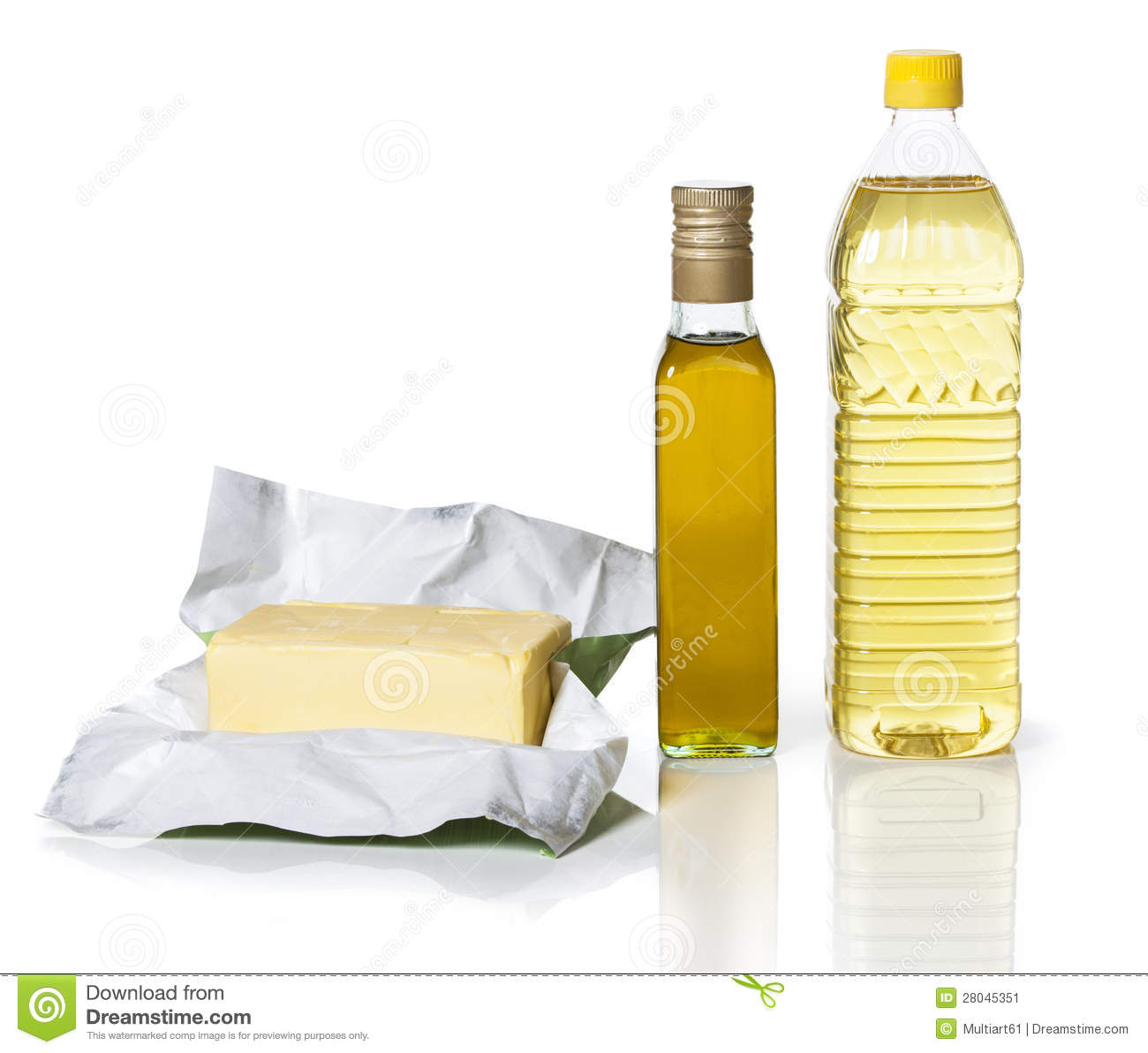
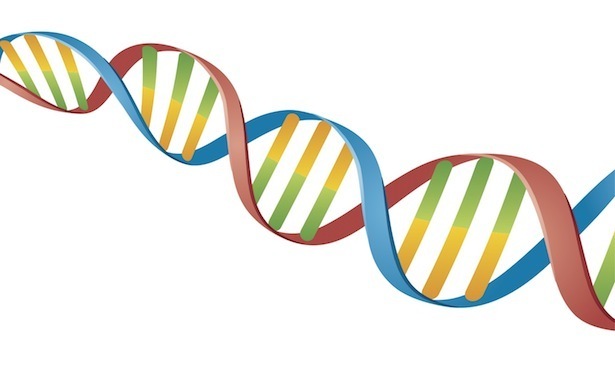
Which biomolecule helps form muscles?
Nucleic Acid
Carbohydrate
Protein
Lipids
Which type of cell DOES NOT have a nucleus?
Prokaryotic
Eukaryotic
Which type of cell HAS a nucleus?
Prokaryotic
Eukaryotic
Which type of cell is found in BACTERIA?
Prokaryotic
Eukaryotic

Why do viruses have projections on the outside?
To send signals to other viruses.
To maintain their structure.
To attach to the host cell.
To reproduce.
How does the circulatory system depend on the respiratory system in order to function?
The respiratory system removes bacteria from the circulatory system.
The respiratory system produces circulatory system cells.
The respiratory system delivers oxygen to the circulatory system.
The respiratory system provides protection to the circulatory system.

This system regulates body functions by secreting hormones?
Endocrine System
Muscular System
Cardiovascular System
Nervous System
Homeostasis for living organisms means...
external environment stays the same when internal changes
water diffuses through membrane by osmosis
concentrations move from high to low
internal environment stays the same when external changes


The picture above represents what happens after mitosis which is
Interphase
Cytokinesis
Metaphase
G1
In which stage of the cell cycle does the DNA replicate?
G1
S
G2
Mitosis
During osmosis
water moves from high to low concentration
large or oddly shaped molecules move across a cell membrane
water moves when energy is used
proteins are built
Passive transport requires
concentration gradients
osmosis
energy
no energy

What is the function of the stems?
anchor plant to the soil
provide support
reproduce
What is the function of the leaves?
anchor plant to the soil
provide support
carry out photosynthesis
what is the function of the roots?
anchor plant
reproduce
photosynthesis
Xylem carries _________ throughout the plant?
nutrients, sugar
water
phloem carries _______ throughout the plant
nutrients, sugar
water


DNA replication
makes an exact copy of DNA
makes a different DNA molecule
makes a protein

