Worksheets
Zoology - Final Exam Review
Total questions: 200
Worksheet time: 4hrs 6mins
The sponge has no organs, tissues, and no nervous system.
True
False
Flagella inside a sponge keep water moving through its body. Why is this necessary?
It prevents the sponge from floating away
It allows the sponge to feed
It allows the sponge to absorb carbon dioxide
It maintains the water pressure inside the sponge

Sponges are primarily sessile organisms. What does this mean?
They live permanently in one place
They move around their whole life
Which of the following terms defines how sponges can regrow lost body parts?
Budding
Symmetry
Choanocytes
Regeneration

Which best represents the flow of water through a sponge?


The sponge has no organs, tissues, and no nervous system.
True
False

Name this body type.
Medusa
Polyp

Name this body type.
Medusa
Polyp
Cnidarians are named after __________, the stinging cells found in their tentacles.
cnidocytes
cnidocils
nematocysts
cniliocysts
All animals belong to Domain __________.
Animalia
Eukarya.
Probiotica.
Plantae.
All jellyfish belong to phylum ____________.
Cnidaria
Hydrozoa
Anthozoa
Scyphozoa
All animals in phylum Cnidaria demonstrate _____________.
radial symmetry
asymmetry
bilateral symmetry
pretty symmetry
All of the following animals belong to phylum Cnidaria EXCEPT:
jellyfish
anemones
corals
octopuses
The _______________ is where the barb and thread are stored until the cnidocyte is triggered.
nematocyst
cnidocil
operculum
overture
Animals in the phylum Cnidaria do not have brains. Instead, they have ________ _______ that conduct signals throughout their bodies.
nerve nets
nerve maps
nerve pathways
nerve roads
Which is the correct order of taxa from broadest to most specific?
Domain, Kingdom, Phylum, Class, Order, Family, Genus, Species
Domain, Kingdom, Family, Phylum, Order, Class, Genus, Species
Domain, Phylum, Kingdom, Genus, Class, Order, Family, Species
Species, Domain, Kingdom, Phylum, Class, Order, Family, Genus
"True jellyfish" belong to Class _________.
Scyphozoa
Anthozoa
Hydrozoa
Cubozoa
"Box jellyfish" belong to Class _____________.
Cubozoa
Hydrozoa
Anthozoa
Scyphozoa
Corals and anemones are part of Class __________
Anthozoa
Hydrozoa
Scyphozoa
Cubozoa
A cnidarian body plan characterized by a bowl shape and adapted for a free-swimming life.
Symbiosis
Monoecious
Medusa
Nematocyst
type of reproduction in which cells from two parents unite to form the first cell of a new organism
Zooxanthellae
Chemoreceptors
Asexual Reproduction
Sexual Reproduction
How do cnidarians reproduce?
only sexually
only asexually
both sexually and asexually
genetically reproduced in labs
The sessile, tubular form of a cnidarian with a mouth and tentacles at one end and a basal disk at the other
Monoecious
Sexual Reproduction
Polyp
Nematocyst
A digestive chamber with a single opening
Assexual Reproduction
Gastrovascular cavity
Photoreceptors
Thigmoreceptors
Parasitic worm you can contract from walking on contaminated soil.
Hookworm
Tapeworm
Guinea worm
Planarian
Flatworms are in the Phylum
Nematoda
Platyhelminthes
What is cephalization?
Having male and female parts at the posterior end of the body..
A concentration of sense organs and nervous system at the anterior end of the body.
Feeding off of another organism either as a parasite or carnivore.
Exchanging gases through a thin, moist layer of skin.

What phylum?
Platyhelminthes
Nematoda
Annelida
Rotifera
Which phylum of worms are pseudoceolomates?
Platyhelminthes
Nematoda
Annelida
all of them
What type of symmetry do all worms have?
bilateral
radial
asymmetry
no symettry
What is the definition of a "host"?
An organism that lives on another organism.
The organism that a parasite uses to get nutrition.
The organism that finds food on its own.
An organism that parasites find easily.
Most worms are monoecious, meaning that they are ___.
predators
hermaphrodites
fluid filled
wiggly
Which of the following best describes the body cavity of a flatworm?
acoelomate
pseudocoelomate
true coelomate
diploblastic
Unsegmented round worms is classified under phylum...
Nematoda
Cnidaria
Annelida
Mollusca

What is this animal?
Tapeworm
Fluke
Planarian
Cnidarian
Porifera
Cnidaria
Platyhelmentyes
Nematoda
Which of the following is not found in flatworms?
head
circulatory system
nervous system
bilateral symmetry
What is the first group to show cephalization?
Flatworms
Roundworms
Cnidarians
Mollusks

Letters E and D are part of the
excretory system
respiratory system
digestive system
nervous system
Roundworms reproduce sexually.
True
False


Earthworms are considered
herbivorous pests in gardens
detritivores / scavengers
predators
filter feeders

How do earthworms get oxygen?
with gills
with lungs
through skin
all of these
Segments are created by _____________.
Parapodia
Septa
Setae
Sesmoid Filaments
What is one of the evolutionary milestones for the phylum Annelida? 2 CORRECT ANSWERS
Specialized, closed circulatory system
excretory organs called nephridia
filter feeding
having a complete digestive system
What class do earthworms belong to?
Polychaeta
Oligochaeta
Hirudinida
None of the listed classes
What is the purpose of a crop in Annelids?
grind food
store food
digest food
regurgitate food

What TYPE of mollusk is this?
Bivalve
Gastropod
Cephalopod

What TYPE of mollusk is this?
Bivalve
Gastropod
Cephalopod

What TYPE of mollusk is this?
Bivalve
Gastropod
Cephalopod

What TYPE of mollusk is this?
Bivalve
Gastropod
Cephalopod

What TYPE of mollusk is this?
Bivalve
Gastropod
Cephalopod
Which TYPE of mollusk has two shells?
Bivalve
Gastropod
Cephalopod

The internal shell of squid. They're used primarily to support squids muscular tissues and organs.
Pen
Tentacle
Chromatophore
Cuttlebone

What type of circulatory system do MOST Molluscs have?
A nautilus is a gastropod
Which of the following is NOT a characteristic of arthropods?
Open circulatory system
Jointed appendages
Segmented body
Endoskeleton
The exoskeleton of an arthropod is made of which of the following?
chitin
protin
nacre
spongin
Which of the following is NOT a function of the exoskeleton.
Protection
Prevents water loss
Attachment of muscles
Flexibility of movement
Which of the following does not belong in subphylum Crustacea?
Crayfish
Crabs
Shrimp
Millipedes
Which of the following correctly describes a crayfish's body regions?
head, thorax, abdomen
head, abdomen
cephalothorax, abdomen
head, cephalothorax
Which of the following crayfish structures is used for gas exchange?
Malpighian tubules
Green glands
Gills
Book lungs
The carapace is the part of a crayfish's exoskeleton to covers and protects the
head
thorax
abdomen
cephalothorax
Which subphylum of arthropods has 3 pairs of legs, 1 pair antennae, and wings?
Crustacea
Hexapoda
Myriapoda
Chelicerata
Why do arthropods molt?
It happens for no reason
The females don't like the one that they had
The exoskeleton doesn't grow with the arthropod
They are done hibernating
In which type of environments do arthropods live?
Marine
Freshwater
Land
All of these
Molting is dangerous business since:
it has to occur at the right time
at that time they are vulnerable to predators
it takes a very long time to occur
it releases scents to the water predators can follow easily
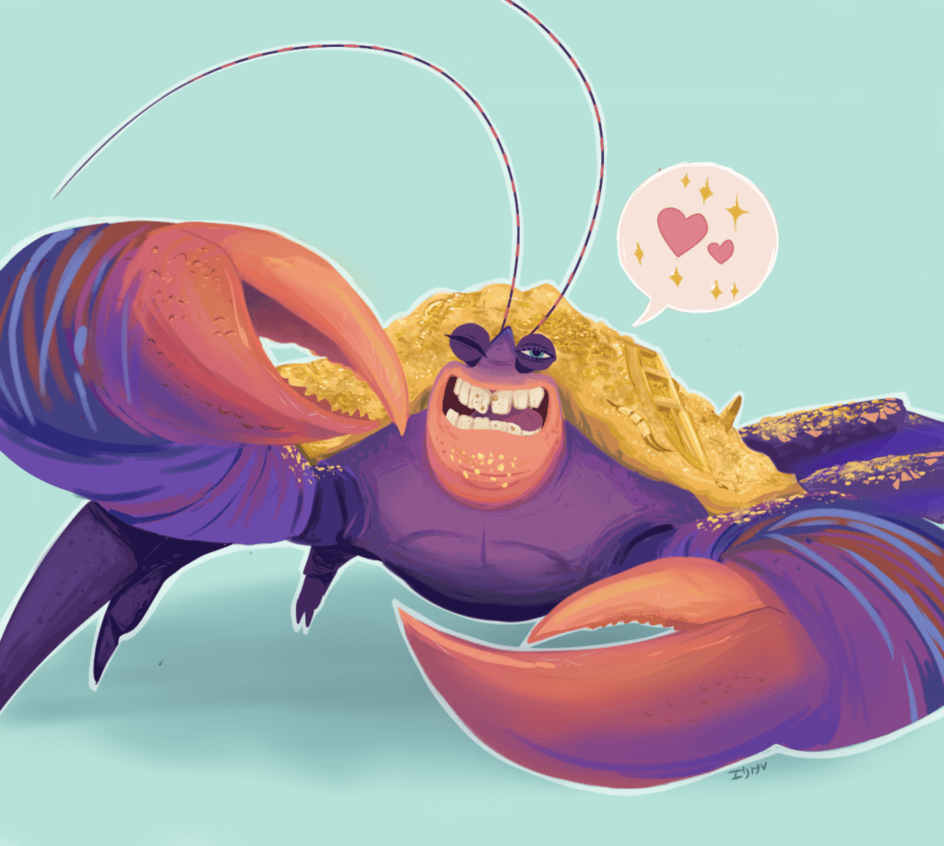
which of the following is NOT a decapod?
shrimp
sea spider
lobster
crab
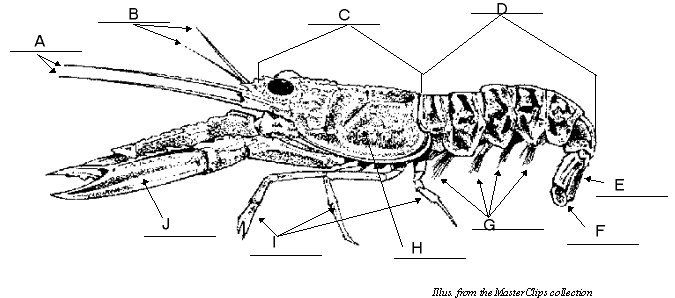
Letter D is identifying what part of a crayfish?
abdomen
cephalothorax
cheliped
telson
The term 'arthropod' literally means
bent leg
jointed foot
bent foot
jointed skeleton
Another name for the pincers/ claws are
swimmeretts
thorax
chelipeds
mandibles
Barnacles are arthropods that are:
Sessile
Microscopic
Benthic
Toxic
The phylum arthropoda is the largest animal group on the planet.
True
False
Which of the following are considered to be "true jaws" that chew food?
Mandibles
Maxillae
Maxillipeds
Which of the following removes metabolic waste and excess water from a crayfish?
gastric caeca
green glands
digestive glands
malpighian tubules
Most spiders have respiratory structures called...
book lungs.
heart stacks.
stomata.
Malpighian tubules.
Organisms that undergo incomplete metamorphosis produce young that are called...
polyps.
hexapods.
nymphs.
thorax.
Insects that undergo complete metamorphosis have young that are called...
nymphs.
larvae.
intermediaries.
sus.


Which organisms are in the class Agnatha?
Lampreys
frogs
snakes
birds
What is a characteristic of the class Agnatha?
do not have jaws
go through metamorphosis
can fly
have feathers
Which of the following is a characteristic of the class Chondrichthyes?
They have a cartilage skeleton (not bone)
they have a bone skeleton
they do not have jaws
they go through metamorphosis
What are the 3 classes of fish?
Class Agnatha
Class Amphibia
Class Chondrichthyes
Class Reptilia
Class Osteichthyes
Check ALL that apply to all Vertebrates.
have an endoskeleton
have bilateral symmetry
have scales in the skin
have gills
have en exoskeleton
How many chambers does a fish heart have?
1
2
3
4

Describe the circulatory system of a fish.
2 chambered, double loop
2 chambered, single loop
3 chambered, single loop
4 chambered, double loop

Gills allow for which physiological process?
circulation
digestion
response to stimuli
respiration

The lateral line detects ___________.
heat
vibrations
colors
smells

Finger-like projections that aid in sperm transfer during the mating of sharks
spiral valve
duodenum
cloaca
claspers

Which chamber of the heart is responsible for pumping blood?
ventricle
atrium
sinus venosus
descending aorta

Structure that controls buoyancy
opreculum
pyloric caeca
urinary bladder
swim bladder

Many fish are _____, meaning they lay eggs outside of their bodies.
oviparous
oviviparous
vivaporous

Which organ helps to filter waste (urea) from the blood and maintain water balance?
duodenum
kidney
liver
spiral valve
Which of these is not a class of fish?
Agnatha/Jawless
Condrichthyes/Cartilaginous
Osteichthyes/Bony
Osteonthyes/Boneless
Which of the following has a swim bladder?
Class Osteichthyes
Class Chondrichthyes
Class Agnatha
Class Amphibia
What are the shared characteristics of Subphylum Vertebrata? Select all that apply
Cranium
Segmented vertebral column
Jaws/Mandible
Lungs
Which type of shark birthing technique is most similar to that of humans? (hint: belly button/umbilical cord)
Viviparous
Ovoviviparous
Oviparous
None are correct
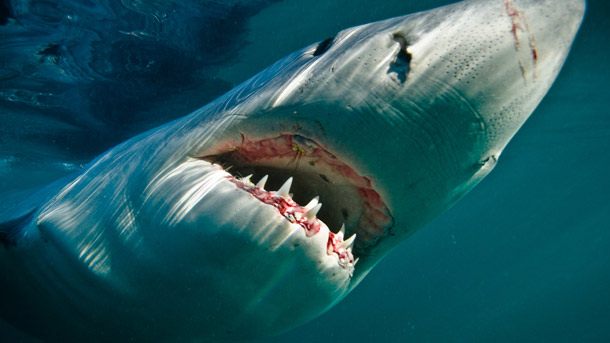
The gill cover is called the Operculum.
Where do amphibians live as adults?
In water
In the ocean
On land
Underground
Where do most amphibians spend the first part of their life cycle?
on land
in water
on a boat
in trees
Why do amphibians need to live near water even though they have lungs to live on land?
they need to get food and oxygen
they need water to reproduce
the need water to excrete waste
none of these
The amphibian heart _________.
has 4 chambers
has 3 chambers as larva and 2 chambers as adult
has 2 chambers as larva, 3 chambers as an adult
has 1 chamber
Which of the following is NOT a characteristic of an amphibian?
live on land as adults
they breathe with lungs as adults
they have scales and claws
they have mucus glands to keep them from drying out
Frogs and Toads are classified in the Order___________.
Anura
Apoda
Salamander
Caudata
The male frog gives the female a "firm embrace" during mating. The sperm and eggs are released at the same time. What is this event called?
amplexus
hermaphrodite
budding
regeneration
During metamorphosis, what happens to the frog?
lungs replace gills
limbs develop
the tail disappears
All of these
Eggs of amphibians dry out easily because they _______
do not have shells to protect them
are usually laid on land.
are always fertilized internally
Please check ( ✓ ) all the boxes that describe the characteristics of amphibians.
Cold-blooded animals.
Vertebrates (have backbones).
Breathe with lungs, gills and through their skin.
Their bodies are covered with smooth skin without covering.
Have 3 legs.
What is the third stage called in the life cycle of a frog?
Tadpole
Froglet
Frog
Egg

Amphibians are...
Oviparous
Viviparous
What phylum are amphibians found in?
Chordata
Animalia
Agnatha
Herpetata
Which of these are the characteristics of amphibians?
Have gills
Cutaneous respiration
Have legs
Single loop circulation
Double loop circulaton
Which describes the order Anura?
almost every habitat, adults are carnivores, skeleton adapted for jumping, reproduction is external
longated bodies, long tails, smooth-moist skin, lay eggs in moist places
legless, wormlike, tropical areas, burrowing, feed on small invertebrates, live beneath the soil
Which describes the order Urodela?
almost every habitat, adults are carnivores, skeleton adapted for jumping, reproduction is external
longated bodies, long tails, smooth-moist skin, lay eggs in moist places
legless, wormlike, tropical areas, burrowing, feed on small invertebrates, live beneath the soil
Which describes the order Apoda?
almost every habitat, adults are carnivores, skeleton adapted for jumping, reproduction is external
longated bodies, long tails, smooth-moist skin, lay eggs in moist places
legless, wormlike, tropical areas, burrowing, feed on small invertebrates, live beneath the soil

Amphibians are ectothermic. This means they:
are active at night
they only live in swamps
can regulate their own body temperature
use the environmental temperature to control their body temperature

A four legged vertebrate is a(n)
tetrapod
amphibian
reptile
bird

It is believed that tetrapods evolved from
lungfish
reptiles
lobe finned fish
turtles

Which characteristic is an amphibian adaptation to land?
webbed feet
strong skeleton
eggs lack shells
ectothermy
The ____________ makes up the ventral portion of the turtle shell.
dorsum
plastron
sternum
carapace
Most living reptiles are
endotermic
ectothermic
homeothermic
isothermic
The dorsal portion of the turtle shell is called the
carapace
plastron
sternum
dorsum
Turtles belong to the reptilian order
Squamata
Caudata
Crocodilia
Testudines
Birds currently belong to the class
Aves
Amphibia
Mammalia
Reptilia
The covering of feathers on a bird is called teh
pelage
epidermis
plumage
cuticle
Contour feathers consist of _______________ with inner and outer webs.
barb
barbule
hamuli
vane
In many birds, a diverticulum in the es0phasgus, the _______, can be used to store large quantities of food.
crop
gizzard
duodenum
pyloric cecum
The _______ of the bird is responsible for grinding up the food.
crop
gizzard
stomach
intestine
heart
Ventilation in the birds is accomplished by expansion and contraction of the
air sacs
trachea
lungs
diaphragm
air capillaries
Birds regulate their body temperature at approximately
22 degrees C
31 degrees C
40 degrees C
15 degrees C
______________ refers to periodic round trips between breeding and non breeding areas.
Migration
Immigration
Emigration
Orientation
The order Squamata contains which types of organisms?
tuataras
tortoises / turtles
snakes / lizards
crocodiles / alligators
The order ___________ contains crocodiles and alligators.
Rhynchocephalia
Chelonia
Squamata
Crocodilia
Which of the following is not a characteristic of birds?
forelimbs modified into wings
heart with divided ventricle
ectothermic metabolism
lightweight bones

What family is this animal in?
Lacertilia
Serpentes
Chelonia/Testudines
Crocodilia

What suborder is this animal in?
Lacertilia
Serpentes
Chelonia/Testudines
Crocodilia

What order is this animal in?
Lacertilia
Serpentes
Chelonia/Testudines
Crocodilia

What order is this animal in?
Lacertilia
Serpentes
Chelonia/Testudines
Crocodilia
A bird is _________ since it can produce its own body heat.
non-circulatory
exothermic
endothermic
How are down feathers different from contour feathers?
have hooks and barbs
primarily for insulation
have a shaft structure
The _______ is the breastbone to which flight muscles are attached in birds
Air Sac
Preen Gland
Sternum
Fossil of an animal that shows both reptile and bird characteristics
Archaeopteryx
Pterasaurs
Pteradacyla
Lobe-finned fish
nitrogen waste that has been filtered from blood through the kidneys
uric acid
urine
feces
water