wayground logo

Free Printable Worksheets

Font size

S
M
L
XL
Worksheets

Medical Terminology Final Exam Review

Total questions: 201

Worksheet time: 3hrs 48mins

Name
Class
Date
1.
lateral means
a)
farther from the body midline. 
b)
more superficial
c)
towards the body midline
d)
closer to the attachment point of a limb
2.
The skin is ____ to the muscles
a)
deep 
b)
superficial
c)
medial
d)
anterior
3.
The liver is ____ to the heart
a)
medial
b)
lateral
c)
superficial
d)
inferior
4.
The brain is ___ to the spinal cord
a)
superficial
b)
medial
c)
superior
d)
inferior
5.
the lungs are ____ to the heart
a)
lateral
b)
inferior
c)
superior
d)
deep
6.
Another word for back is
a)
ventral
b)
anterior
c)
dorsal
d)
sagital
7.
Another word for front is
a)
ventral
b)
posterior
c)
dorsal
d)
sagital
8.
My elbow is ______________ to my fingers
a)
proximal
b)
distal
9.
A __________________ plane divides the body into upper and lower.
a)
sagital
b)
frontal
c)
transverse
d)
oblique
10.
A __________________ plane divides the body into equal right and left
a)
midsagital
b)
frontal
c)
transverse
d)
oblique
11.
Going towards the head of the body. 
a)
Inferior 
b)
Lateral 
c)
Anterior 
d)
Superior 
12.
Anterior means...
a)
on the backside o the body/dorsal
b)
on the frontside of the body/ventral
c)
to the midline of the body
d)
toward the fingers
13.
The elbow is  ____ to the shoulder.
a)
Proximal
b)
Distal
c)
Anterior
d)
Lateral
14.
This body cavity is created by the bones of the skull to protect the brain.
a)
cranial
b)
spinal
c)
vertebral
d)
thoracic
15.
Which body cavity is located above the diaphragm and is surrounded by the rib cage?
a)
abdominal
b)
pelvic
c)
thoracic
d)
vertebral
16.
Which body cavity is surrounded by the pelvic bones?
a)
abdominal
b)
pelvic
c)
thoracic
d)
cranial
17.
Which body cavity ranges from the diaphragm to the top of the pelvic girdle?
a)
abdominal
b)
pelvic
c)
throacic
d)
abdominopelvic
18.
Both the pleural and pericardial cavities are located within the _______ cavity.
a)
spinal
b)
cranial
c)
abdominal
d)
thoracic
19.
What is held in the abdominal cavity?
a)
the brain
b)
The stomach 
c)
the heart
d)
the lungs
20.
Which of the following planes divides the body into left and right halves?
a)
frontal
b)
transverse
c)
horizontal
d)
sagittal
21.
Which system is the heart in?
a)
Circulatory
b)
Digestive
c)
Cardiovascular
d)
Integumentary
22.
The study of how to body parts in the body function and move.
a)
Anatomy
b)
Physiology
c)
Anatomical position
d)
Lateral
23.
Which of the following is NOT a directional body plane?
a)
Sagital
b)
Transverse
c)
Coronal
d)
Flat
24.
The study of the structures of the human body 
a)
Physiology
b)
Anatomy
c)
Sagital
d)
Anatomical position
25.
What term means "further from the beginning of a body part"?
a)
Proximal
b)
Distal
c)
Anterior
d)
ventral
26.
The head is _______ to the heart.
a)
Superior
b)
inferior
c)
posterior
d)
lateral
27.
What side of the body is the circle on?
a)
Anterior
b)
Posterior
c)
Lateral
d)
Midsagital
28.
Which of the following planes divides the body into front and back sections?
a)
transverse
b)
frontal
c)
mid-sagittal
d)
sagittal
29.
Frontal Plane 
a)
Anterior and Posterior
b)
Inferior and Superior 
c)
Anterior and Inferior
d)
Superior and Posterior
30.
What body system makes your body move? 
a)
Circulatory
b)
Respiratory
c)
Skeletal
d)
Muscular
31.
What body system removes the waste from your body? 
a)
Circulatory
b)
Excretory
c)
Digestive
d)
Respiratory
32.
What body system consists of the heart?
a)
Excretory
b)
Digestive
c)
Circulatory
d)
Respiratory
33.
How many bones make up a human adult?
a)
205
b)
206
c)
207
d)
208
34.
How many muscles make up the human body?
a)
Over 500
b)
Over 600
c)
Over 450
d)
Over 800
35.
Muscles help your body _______?
a)
Read
b)
Sit
c)
Sleep
d)
Move
36.
My spinal cord helps _________ travel between my brain and the nerves in my body. 
a)
Memories
b)
Blood
c)
Waste
d)
Messages
37.
My heart is a _________, that pumps blood through the body. 
a)
Cell
b)
Tissue
c)
Muscle
d)
Bone
38.
Arteries carry blood ______ from the heart.
a)
Away
b)
To
c)
Across
d)
Around
39.
Veins carry blood ______ the heart. 
a)
Around
b)
Away
c)
To
d)
Across
40.
The food I eat goes down my esophagus to my __________.
a)
Bladder
b)
Kidney
c)
Stomach
d)
Big Toe
41.
My small and large ___________ break down the food so my body can use it for energy.
a)
Intestines
b)
Kidneys
c)
Stomach
d)
Bladder
42.
_____________ organisms that are microscopic, or too small to be seen with just the eyes.
a)
Microservies
b)
Microcellular
c)
Microwaves
d)
Microorganisms
43.
Some bacteria also causes disease by producing poisonous substances
a)
Bacteria
b)
Chemicals
c)
Drugs
d)
Toxins
44.
Chemicals used to treat bacterial infections.
a)
Pasteurization
b)
Vaccine
c)
Antibiotics
d)
Toxins
45.
Made from dead or weakened pathogens. 
a)
Toxins
b)
Pasteurization
c)
Antibiotics
d)
Vaccine
46.
Which of the following shows the correct diagram
a)
Cell-Tissue-Organ-Organ System
b)
Cell-Organ-Tissue-Organ System
c)
Organ System-Organ-Tissue-Cell
d)
Tissue-Organ System-Organ-Cell
47.
What is the name of cavity 1?
a)
Cranial
b)
Dorsal
c)
Vertebral
d)
Thoracic
48.
What is the name of cavity 2?
a)
Cranial
b)
Dorsal
c)
Vertebral
d)
Thoracic
49.
What is the name of cavity 3?
a)
Cranial
b)
Dorsal
c)
Vertebral
d)
Thoracic
50.
What is the name of cavity 4?
a)
Cranial
b)
Dorsal
c)
Vertebral
d)
Thoracic
51.
What is the name of cavity 5?
a)
Diaphragm
b)
Abdominal
c)
Pelvic
d)
Abdominopelvic
52.
What is the name of cavity 6?
a)
Diaphragm
b)
Abdominal
c)
Pelvic
d)
Abdominopelvic
53.
What is the name of cavity 7?
a)
Diaphragm
b)
Abdominal
c)
Pelvic
d)
Abdominopelvic
54.
What is the name of cavity 1?
a)
Cranial
b)
Mediastinum
c)
Pleural
d)
Pericardial
55.
What is the name of cavity 3?
a)
Cranial
b)
Mediastinum
c)
Pleural
d)
Pericardial
56.
What is the name of cavity 4?
a)
Cranial
b)
Mediastinum
c)
Pleural
d)
Pericardial
57.
What is the name of cavity 5?
a)
Cranial
b)
Mediastinum
c)
Pleural
d)
Pericardial
58.
What is the name of cavity 6?
a)
Diaphragm
b)
Abdominal
c)
Pelvic
d)
Abdominopelvic
59.
What is the name of cavity 7?
a)
Diaphragm
b)
Abdominal
c)
Pelvic
d)
Abdominopelvic
60.
What is the name of cavity 8?
a)
Diaphragm
b)
Abdominal
c)
Pelvic
d)
Abdominopelvic
61.
What is the name of cavity 9?
a)
Diaphragm
b)
Abdominal
c)
Pelvic
d)
Abdominopelvic
62.
What is the name of cavity 9?
a)
Diaphragm
b)
Abdominal
c)
Pelvic
d)
Abdominopelvic
63.
What is the name of cavity 10?
a)
Ventral
b)
Abdominal
c)
Dorsal
d)
Abdominopelvic
64.
Match the word part to the terms below.
poster/o
a)
front
b)
back
c)
side
d)
middle
65.
The chewing and grinding of food into smaller pieces is an example of...
a)
Mechanical Digestion
b)
Chemical Digestion
66.
What is one secondary (helper) organ of the digestive system?
a)
Small Intestine
b)
Esophagus
c)
Gallbladder
d)
Stomach
67.
Bile is made by which digestive organ?
a)
Gallbladder
b)
Stomach
c)
Rectum
d)
Liver
68.
Nutrients from digested food are absorbed in which digestive organ?
a)
Small Intestine
b)
Stomach
c)
Large Intestine
d)
Gallbladder
69.
Which of the following is NOT part of the digestive tract?  (Hint:  Identify the secondary organ.)
a)
Mouth
b)
Esophagus
c)
Small Intestine
d)
Liver
70.
Number 4 is pointing to the....
a)
Anus
b)
Rectum
c)
Large Intestine
d)
Small intestine
71.
Number 3 is pointing to the...
a)
Small intestine
b)
Rectum
c)
Large intestine
d)
Stomach
72.
Number 2 is pointing to the...
a)
Esophagus
b)
Stomach
c)
Small intestine
d)
Anus
73.
Which organ pushes food down to the stomach?
a)
Mouth
b)
Esophagus
c)
Rectum
d)
Large intestine
74.
The opening at the end of the digestive system where solid waste comes out is the...
a)
rectum
b)
anus
c)
mouth
d)
large intestine
75.
Enzymes (chemicals) in your saliva help break down food while chewing.  This is...
a)
Mechanical digestion
b)
Chemical digestion
76.
•Chronic disease where stomach acid or content flows back into your esophagus •Symptoms: Epigastric pain or burning – WORSE WHEN LAYING DOWN
a)
cholecystitis 
b)
gastroesophageal reflux disease
c)
gastroenteritis
d)
cirrhosis 
77.
The process of contraction and relaxation of the digestive tract that propels food to stomach
a)
Epiglottis
b)
Pylorus
c)
Swallowing
d)
Peristalsis
78.
This is the branch of medicine focused on the digestive system and its disorders
a)
Gastroenterologist
b)
Perfusionist
c)
Urologist
d)
Endocrinologist
79.
What happens when the food goes to the small intestine?
a)
nutrients gets into the blood
b)
the food keeps on going
c)
nothing
80.
What do the villi do?
a)
Digests food in the mouth.
b)
Digests food in the stomach
c)
Protects the stomach from digesting iteself
d)
Absorbs nutrients from food so the body has energy.
81.
What is the correct order of digestion?
a)
Mouth - pharynx - stomach - esophagus - L.I. - S.I. - anus - rectum
b)
Pharynx - mouth - esophagus - stomach - gall bladder - S.I. - rectum - anus - L.I.
c)
Mouth - pharynx - pancreas - stomach - rectum - gall bladder - S.I. - rectum - anus
d)
Mouth - pharynx - esophagus - stomach - S.I. - L.I. - rectum - anus
82.
A group of organs that break down food and absorb the nutrients which the body then uses for fuel 
a)
respiratory system
b)
immune system
c)
circulatory system
d)
digestive system
83.
Skeleton includes the skull, spine, ribs and sternum.
a)
Axial
b)
Appendicular
c)
Plane
d)
Frontal
84.
The appendages of the body, which are the shoulders, arms, hips, and legs.
a)
Axial
b)
Appendicular
c)
Plane
d)
Frontal
85.
________ bones include: arms, legs and fingers.
a)
Irregular
b)
Flat 
c)
Short
d)
Long
86.
_________ bones include: wrist and ankles
a)
Irregular
b)
Flat
c)
Short
d)
Long
87.
___________ bones include:skull and sternum.  
a)
Irregular
b)
Flat
c)
Short
d)
Long
88.
_________ bones include the vertebra of the back.
a)
Irregular
b)
Flat
c)
Short
d)
Long
89.
Bone layer that covers the bone.
a)
Periosteum
b)
Marrow
c)
Compact
d)
Spongy
90.
Second bone layer from outside, mostly found along the shaft of the bone.
a)
Periosteum
b)
Spongy
c)
Compact
d)
Marrow
91.
Third bone layer that is mostly found on the ends of a bone.
a)
Periosteum
b)
Compact
c)
Spongy
d)
Marrow
92.
The inner most part of a bone, makes blood cells.
a)
Periosteum
b)
Marrow
c)
Spongy
d)
Compact
93.
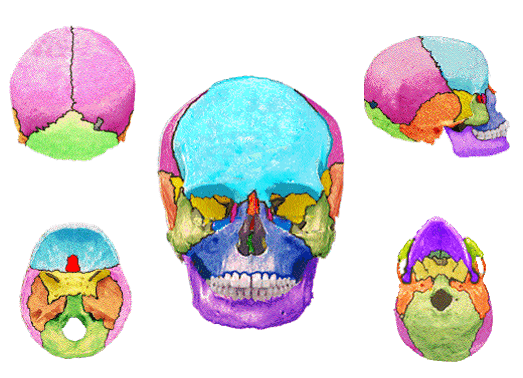
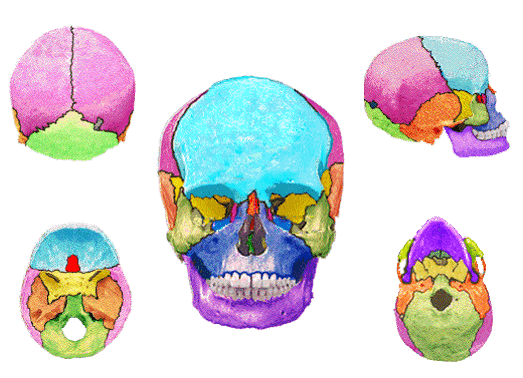
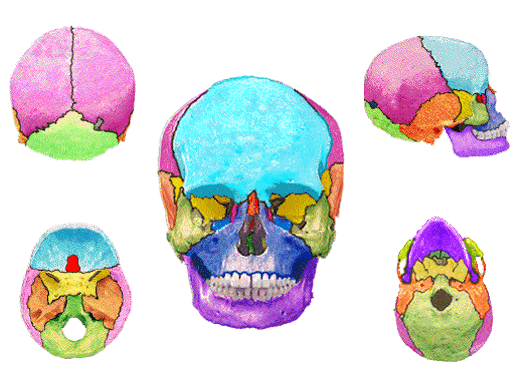
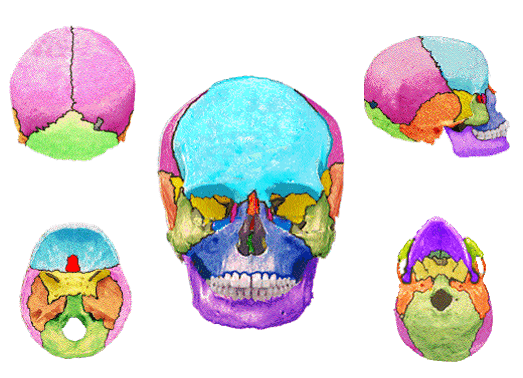
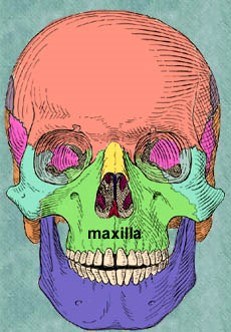
Identify the bone that is sea blue.
a)
Frontal
b)
Occipital
c)
Temporal
d)
Parietal
94.
Identify the fushia pink bone.
a)
Frontal
b)
Parietal
c)
Occipital
d)
Temporal
95.
Identify the green bone.
a)
Occipital
b)
Parietal
c)
Frontal
d)
Temporal
96.
Identify the rust colored bone.
a)
Frontal
b)
Occipital
c)
Parietal
d)
Temporal
97.
Identify the blue bone in the illustration.
a)
Maxilla
b)
Molar
c)
Mandible
d)
Malaphin
98.
Identify the blue bone in the illustration.
a)
Maxilla
b)
Molar
c)
Mandible
d)
Malaphin
99.
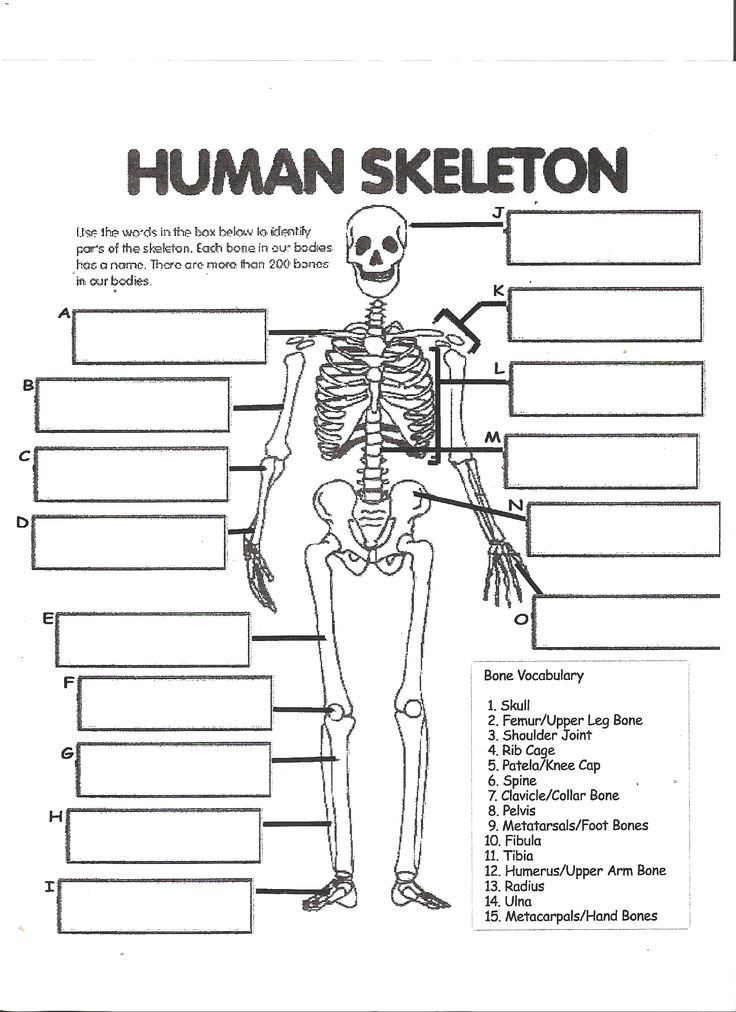
The collar bone. A in illustration
a)
Humerus
b)
Sternum
c)
Scapula
d)
Clavicle
100.
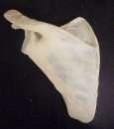
►The _______ is located on the back side of the ribcage and helps provide part of the shoulder joint and movement for the arms. Shoulder Blade
a)
Clavicle
b)
Sternum
c)
Scapula
d)
Rib
101.
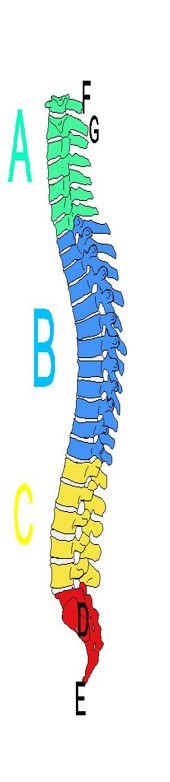
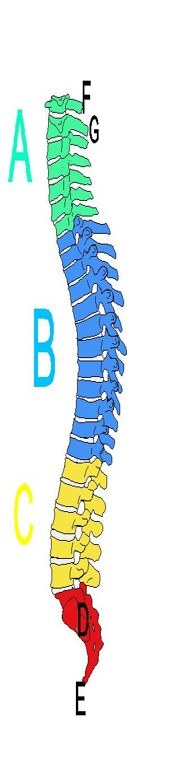
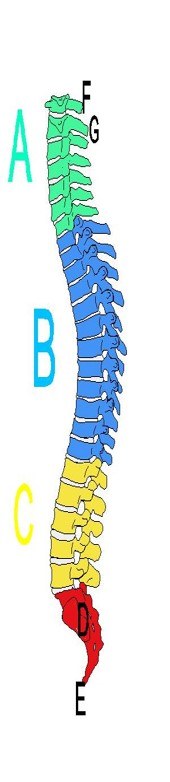
Bones of the vertebra often called neck bones or A from the illustration.
a)
Lumbar
b)
Thoracic
c)
Cervical
d)
Sacrum
102.
B from illustration.
a)
Cervical
b)
Lumbar
c)
Thoracic
d)
Sacrum
103.
The lower back or C from the illustration.
a)
Cervical
b)
Thoracic
c)
Lumbar
d)
Sacrum
104.
Red bone in Illustration
a)
Cervical
b)
Thoracic
c)
Lumbar
d)
Sacrum
105.
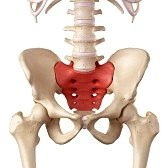
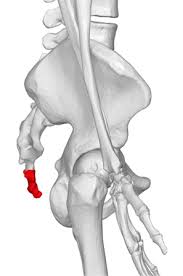
Identify the bone highlighted in red.
a)
Sacrum
b)
Coccyx
c)
Humerus
d)
Femur
106.
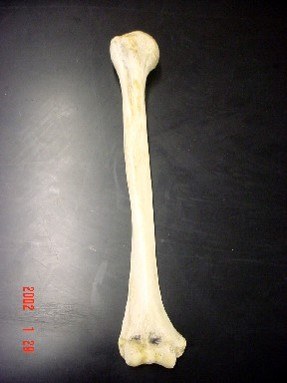
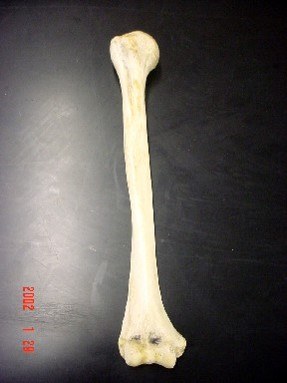
The upper arm bone and its not funny.
a)
Femur
b)
Coccyx
c)
Humerus
d)
Ulna
107.
The top bone of the lower arm that rotates on the lower bone. White bone in illustration.
a)
Humerus
b)
Femur
c)
Ulna
d)
Radius
108.
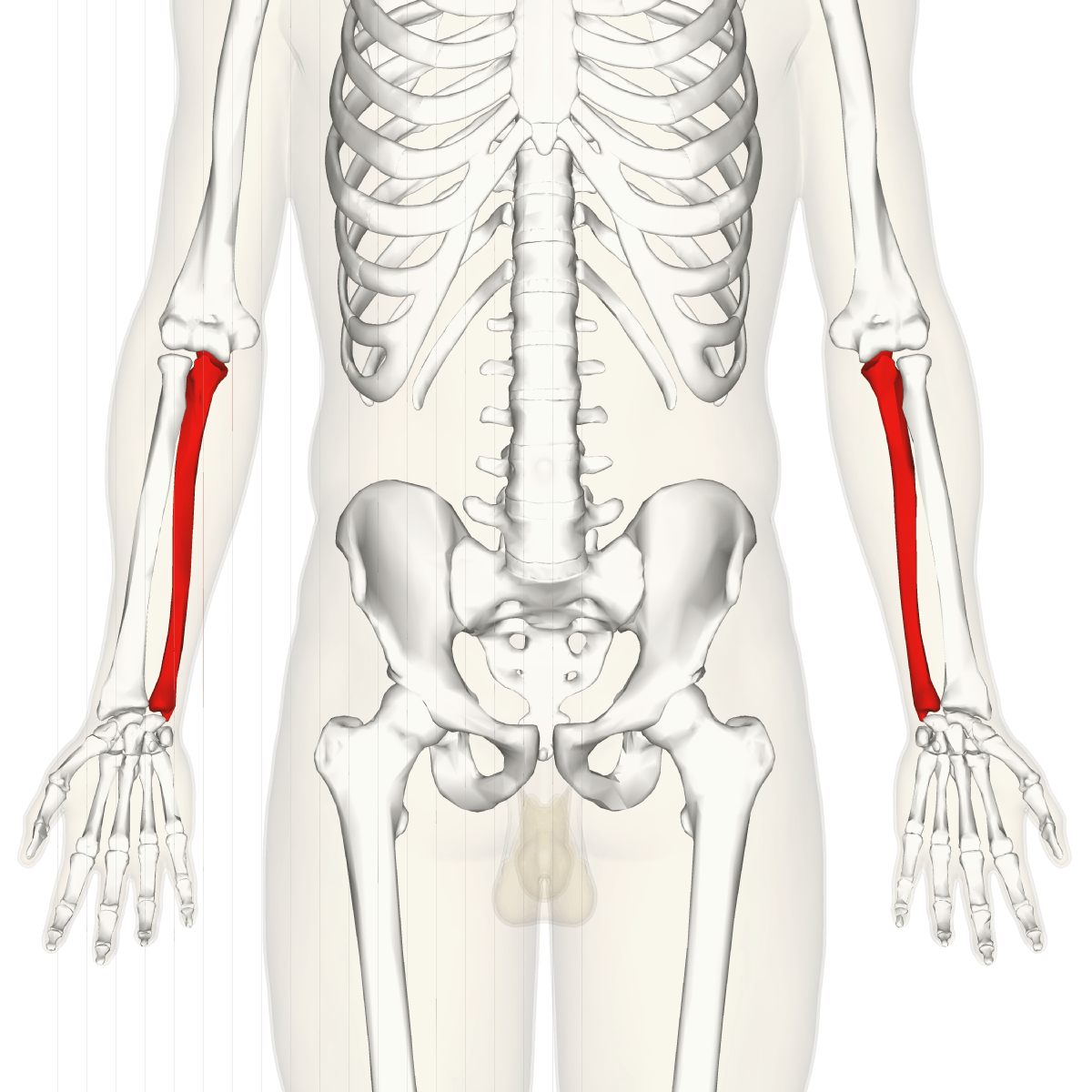
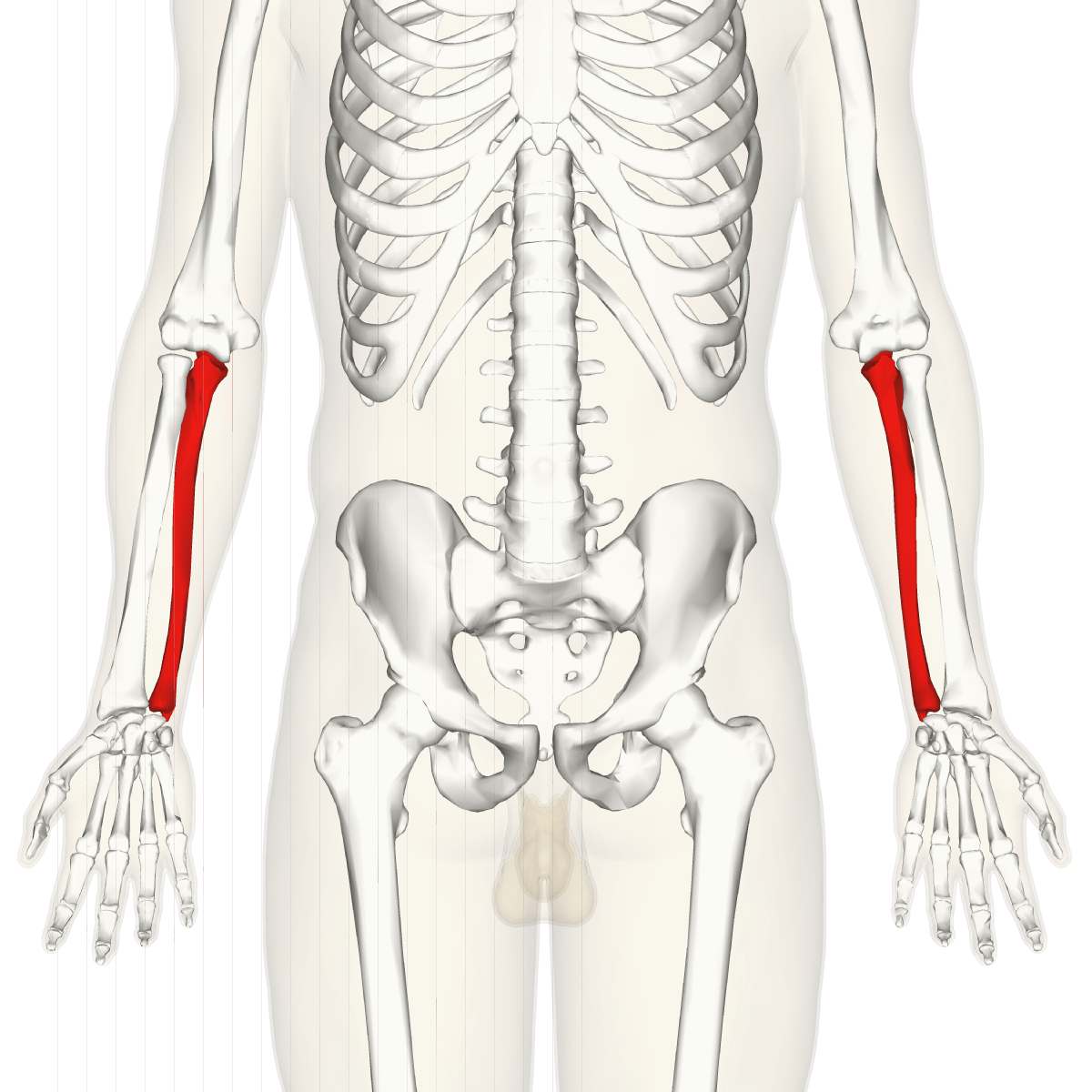
The bottom bone of lower arm that also makes the elbow. appears Red in illustration.
a)
Femur
b)
Humerus
c)
Ulna
d)
Radius
109.
Wrist bones, appears red in illustration. 
a)
Carpals
b)
Metacarpals
c)
Phalanges
110.
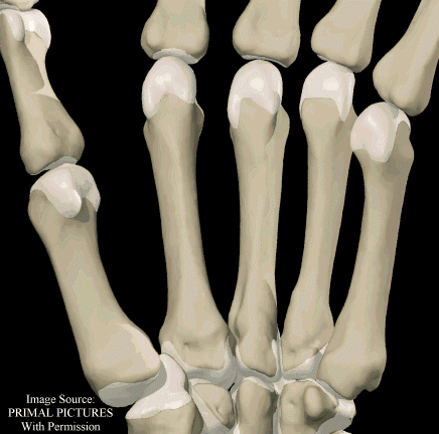
The bones of the hand as illustrated.
a)
Tarsals
b)
Phalanges
c)
Metacarpals
d)
Carpals
111.
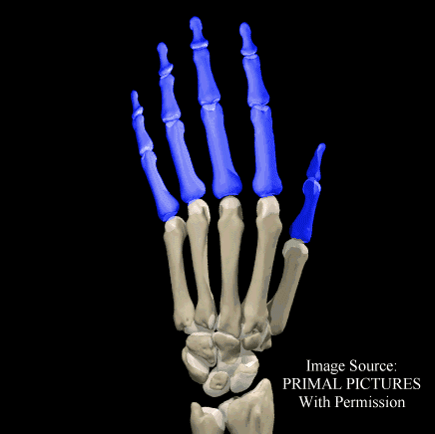
Finger bones as illustrated in blue.
a)
Tarsals
b)
Phalanges
c)
Metacarpals
d)
Carpals
112.
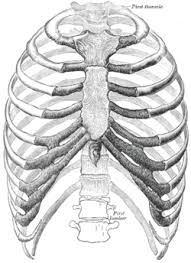
The rib bones make up the ____________
a)
Axial Skeleton
b)
Cranial Frame
c)
Rib Cage
d)
Sternum
113.
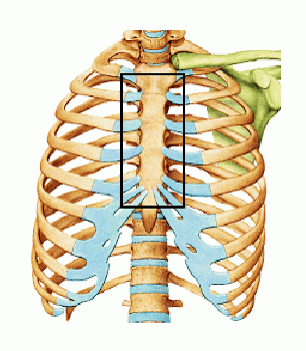
The breastbone as illustrated in the box in the diagram.
a)
Rib Cage
b)
Sternum
c)
Cranium
d)
Axial
114.
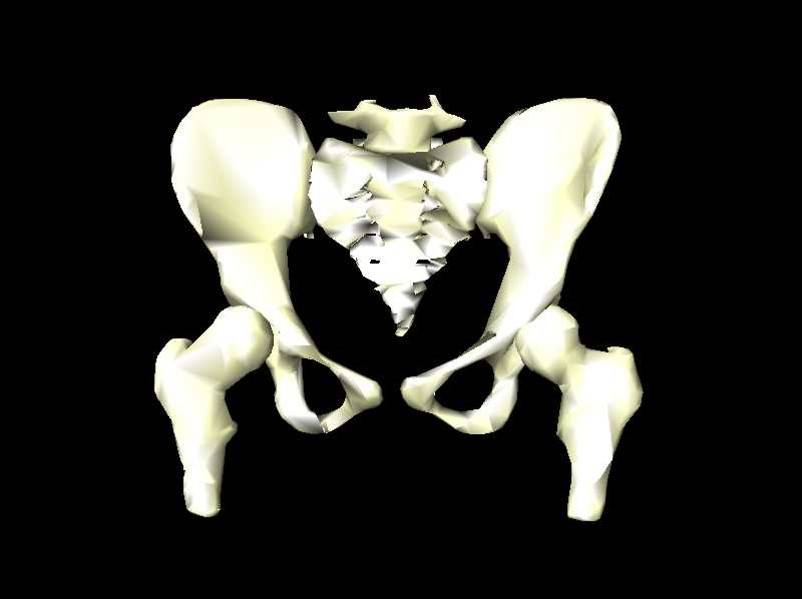
The dancing bone as illustrated here.
a)
Femur
b)
Rib Cage
c)
Axial
d)
Pelvis
115.
The upper leg bone which is the longest bone in the body.
a)
Radius
b)
Humerus
c)
Tibia
d)
Femur
116.
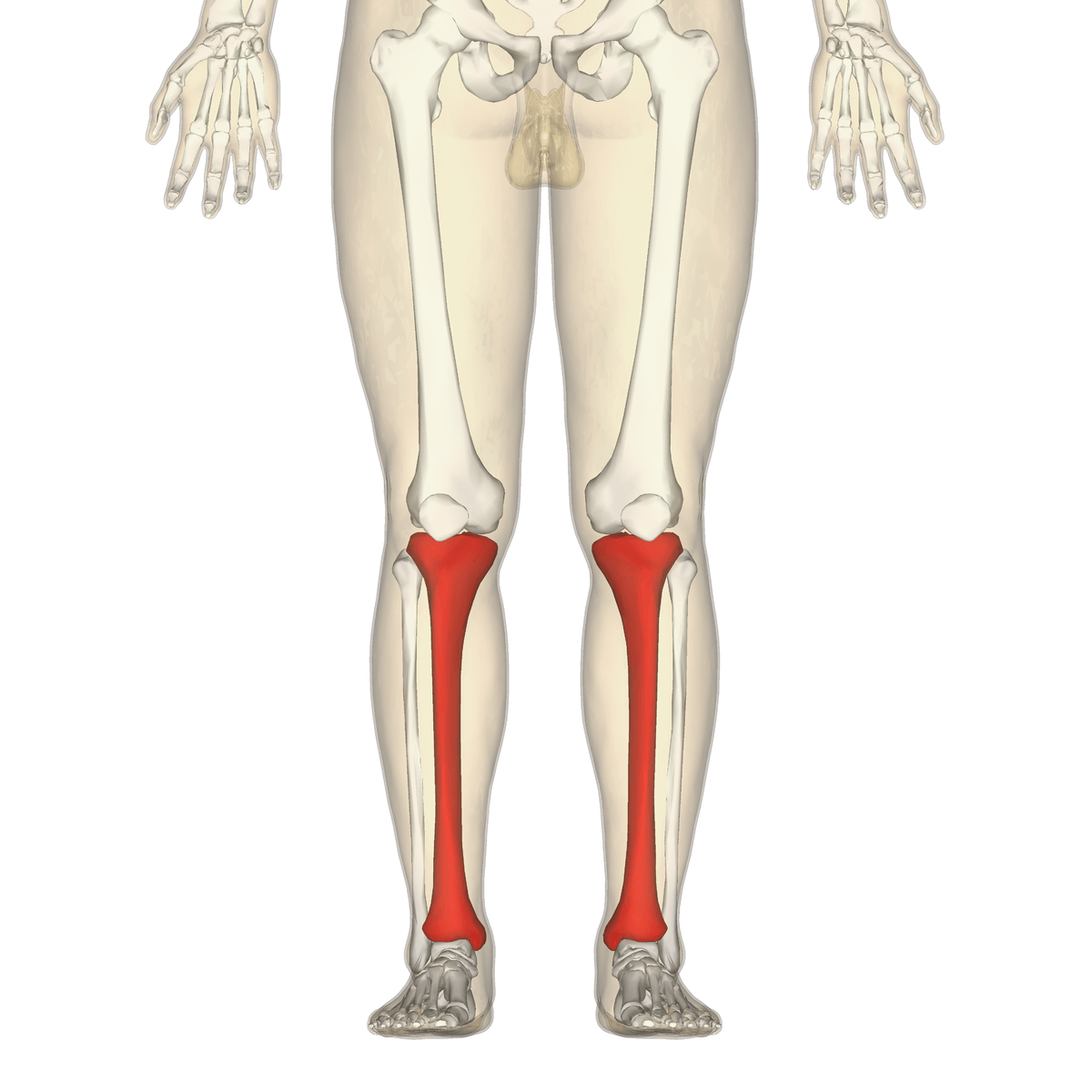
The shin bone as identified in the illustration in red.
a)
Tibia
b)
Fibula
c)
Femur
d)
Radius
117.
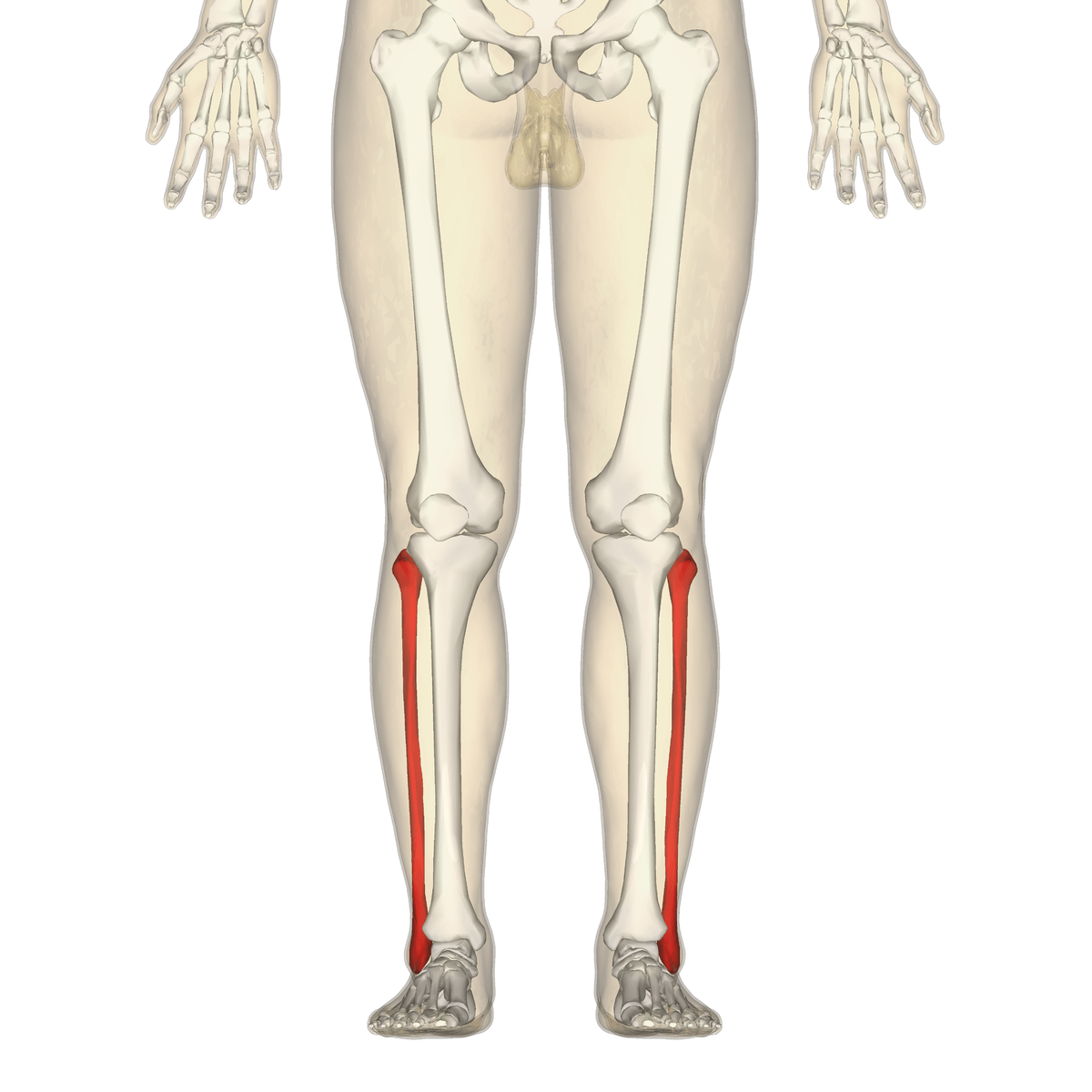
Bone of lower leg located to the outside in red from the illustration.
a)
Tibia
b)
Fibula
c)
Radius
d)
Humerus
118.
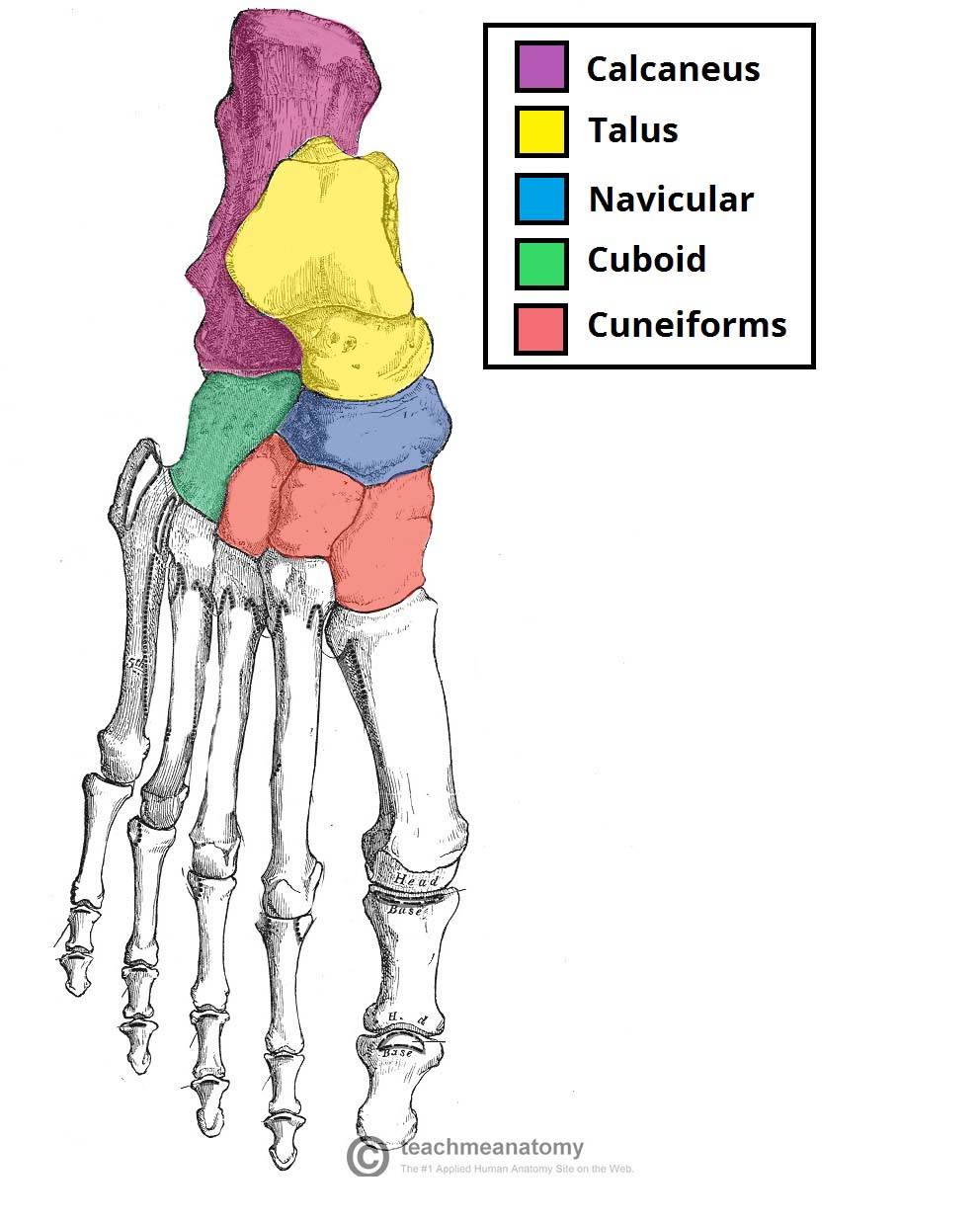
Ankle bones identified in color from the illustration.
a)
Tarsals
b)
Metatarsals
c)
Phalanges
d)
Fibula
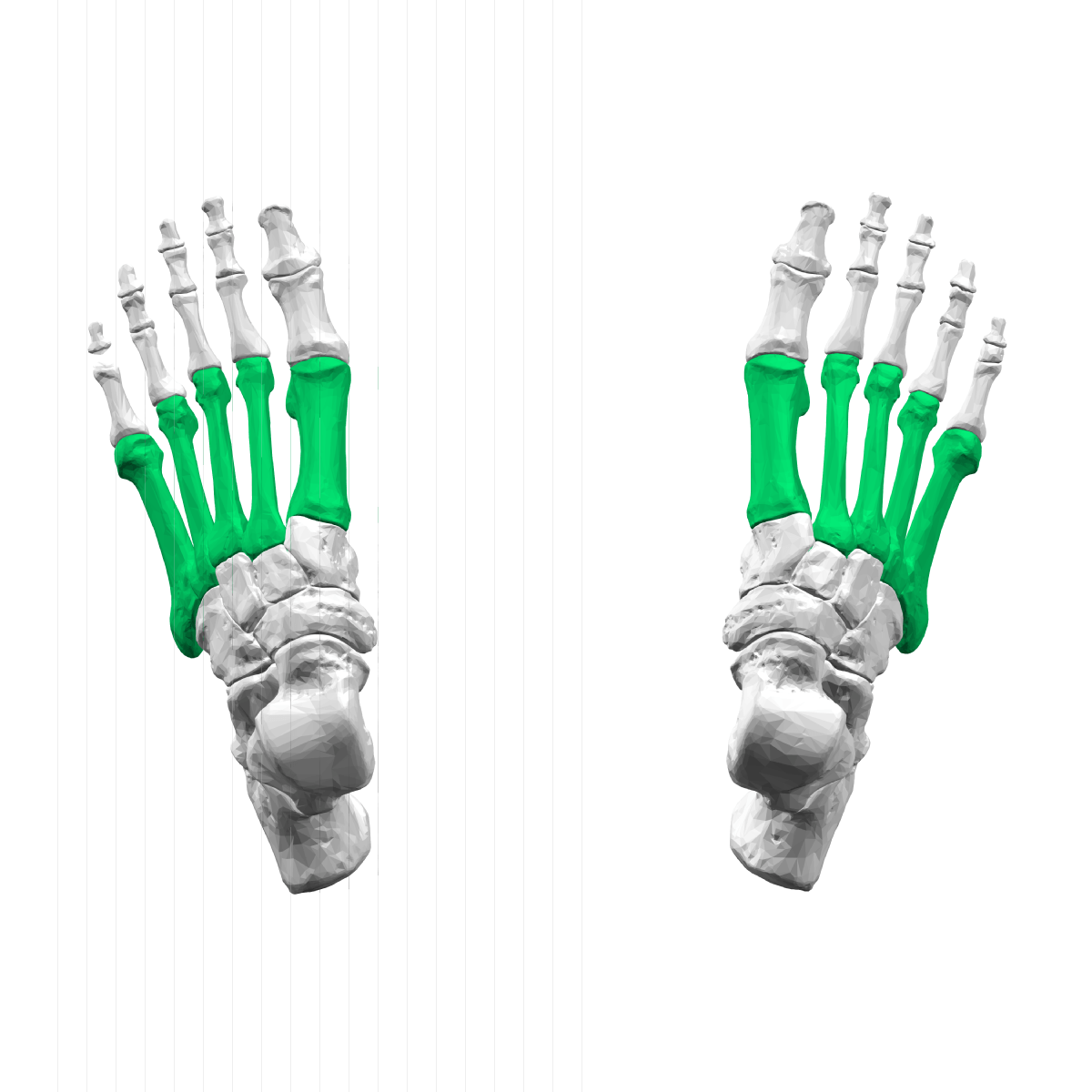
119.
Bones of the feet as identified in green from the illustration.
a)
Tarsals
b)
Metatarsals
c)
Phalanges
d)
Fibula
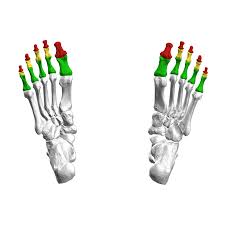
120.
Bones of the toes as identified in illustration.
a)
Tarsals
b)
Metatarsals
c)
Phalanges
d)
Fibula
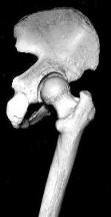
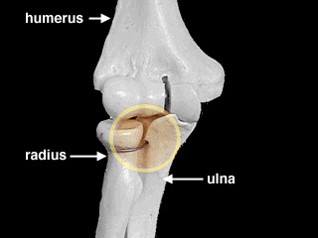
121.
What type of joint is identified in the illustration
a)
Gliding
b)
Ball & Socket
c)
Pivot 
d)
Immovable
122.
These joints do not move
a)
Pivot
b)
Ball & Socket
c)
Immovable
d)
Gliding
123.
Bones slipping over other bones with a free flowing movement. Ex. Knuckles
a)
Pivot
b)
Ball & Socket
c)
Hinge
d)
Gliding
124.
Bone resting atop another bone permitting free movement. Ex. Neck, Wrist and Ankles.
a)
Pivot
b)
Ball & Socket
c)
Gliding
d)
Immovable
125.
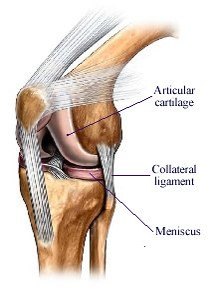
Bands of tissue that connects bone to bone.
a)
Ligaments
b)
Tendons
c)
Cartilage
d)
Bone
126.
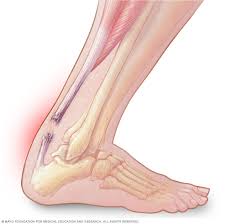
A flexible but inelastic cord of strong fibrous collagen tissue attaching a muscle to a bone.
a)
Tendon
b)
Ligament
c)
Cartilage
d)
Bone
127.
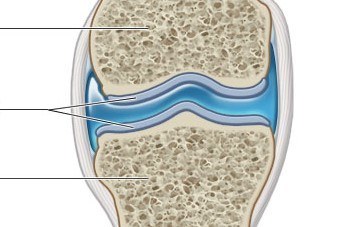
It acts as a cushion between bones at a joint and protects the bones. Structure appears blue in illustration.
a)
Tendon
b)
Ligament
c)
Cartilage
d)
Bone
128.
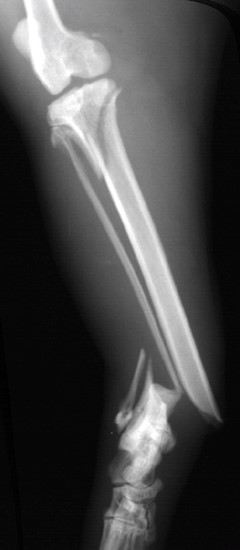
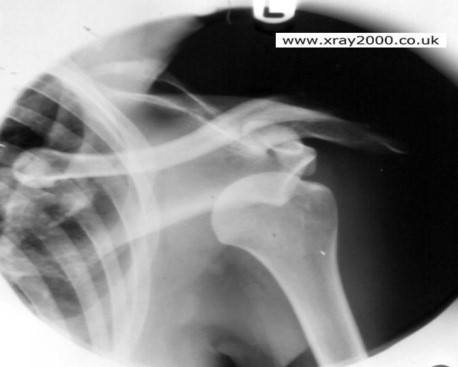
The x-ray shows a break in the bone which is known as a ______________.
a)
Fracture
b)
Dislocation
c)
Osteoporosis
d)
Strain
129.
The x-ray shows a bone that comes out of socket. This type of injury is a _________________.
a)
Fracture
b)
Dislocation
c)
Strain
d)
Osteoporosis
130.
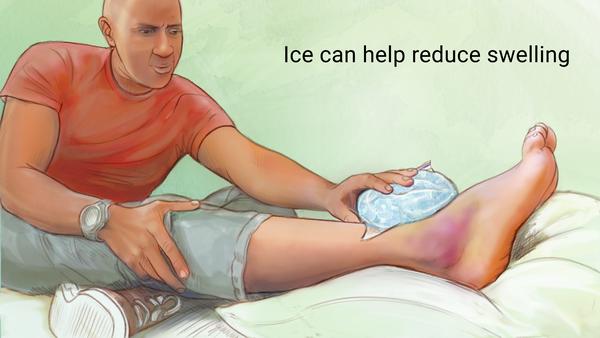
Swelling in the joint caused by abnormal pressure from an injury.
a)
Dislocation
b)
Fracture
c)
Sprain
d)
Osteoporosis
131.
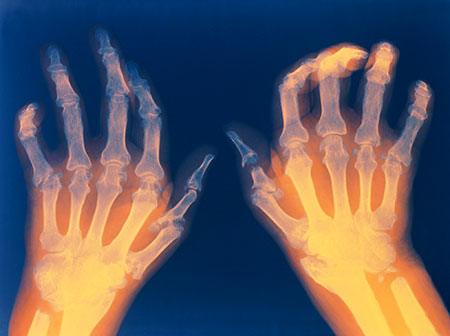
Autoimmune disorder that causes painful inflammation and stiffness of the joints which can lead to disfigurement.
a)
Osteoporosis
b)
Arthritis
c)
Fracture
d)
Sprain
132.
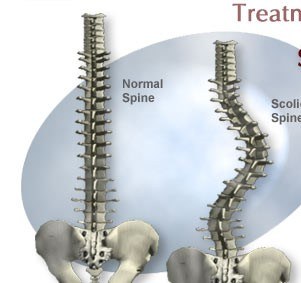
Curvature of the Spine
a)
Osteoporosis
b)
Arthritis
c)
Sprain
d)
Scoliosis
133.
Brittle bones or loss on bone density caused by bones not storing enough calcium. Usually occurs in older adults. 
a)
Osteoporosis
b)
Arthritis
c)
Scoliosis
d)
Sprain
134.
a)
Deltoid
b)
Pectorals
c)
Bicep 
d)
Trapezius
135.
a)
Pectorals
b)
Rectus Abdominis
c)
Quadriceps
d)
Trapezius
136.
a)
Trapezius
b)
Deltoid
c)
Erector Spinae
d)
Latissimus Dorsi
137.
a)
Bicep
b)
Deltoid
c)
Erector Spinae
d)
Triceps
138.
a)
Quadriceps
b)
Gastrocnemius
c)
Deltoid
d)
Trapezius
139.
a)
Gastrocnemius
b)
Quadricep
c)
Hamstring
d)
Deltoid
140.
a)
Hamstring
b)
Gluteus Maximus
c)
External Oblique
d)
Gastrocnemius
141.
a)
Quadricep
b)
Hamstring
c)
Gluteus Maximus
d)
External Oblique
142.
a)
Deltoid
b)
Bicep
c)
Trapezius
d)
Latissimus Dorsi
143.
Upper arm
a)
Tricep
b)
Bicep
c)
Quadricep
d)
Deltoid
144.

Microorganisms that are harmful to us are called...

a)

pathogens

b)

antibiotics

c)

probiotics

d)

antigens

145.

Interstitial fluid is...

a)

in blood vessels

b)

in lymphatic vessels

c)

inside body cells

d)

between body cells

146.

Lymph is...

a)

in blood vessels

b)

in lymphatic vessels

c)

inside body cells

d)

between body cells

147.

Lymph and interstitial fluid are nearly identical to...

a)

blood plasma

b)

cerebrospinal fluid

c)

urine

d)

mucous

148.

This organ (pictured) filters pathogens from blood and stores lymphocytes.

a)

spleen

b)

thymus

c)

thyroid

d)

pancreas

149.

This organ (pictured) filters pathogens from blood and stores lymphocytes.

a)

spleen

b)

kidney

c)

thyroid

d)

thymus

150.

Which organ detects pathogens as they pass through the throat?

a)

tonsil

b)

thymus

c)

spleen

d)

larynx

151.

Which system prevents pathogens from ever entering the body?

a)

Skin

b)

respiratory

c)

lymphatic

d)

circulatory

152.

The immune system is made up of various types of leukocytes. Leukocytes are commonly called...

a)

white blood cells

b)

red blood cells

c)

glial cells

d)

platelets

153.

Which types of leukocytes kill pathogens by ingesting and digesting them?

a)

phagocytes

b)

T-cells

c)

dendritic cells

d)

natural killer cells

154.

All immune cells are produced from hematopoietic stem cells, which are found in...

a)

the heart

b)

lymph nodes

c)

the thymus

d)

bone marrow

155.

Which of these is NOT a lymphocyte?

a)

T-cells

b)

B-cells

c)

natural killer cells

d)

phagocytes

156.

What do your immune cells look for to determine if a bacterium is good or bad?

a)

antigens

b)

antibodies

c)

phagocytosis

d)

lymph nodes

157.

Unlike B-cells, T-cells move to the ___ to grow and mature.

a)

heart

b)

lymph nodes

c)

thymus

d)

bone marrow

158.

Which cells bind to pathogens and inject destructive enzymes?

a)

phagocytes

b)

cytotoxic T-cells

c)

helper T-cells

d)

plasma B-cells

159.

Which cells release antibodies that disable pathogens?

a)

B-cells

b)

T-cells

c)

natural killer cells

d)

phagocytes

160.

Which disease is caused by overproduction of your own cells when cell division gets out of control?

a)

cancer

b)

lymphodema

c)

auto-immune disease

d)

AIDS

161.

HIV is the virus that causes AIDS. Why is AIDS so deadly?

a)

the virus attacks your brain

b)

the virus attacks your kidneys

c)

the virus attacks your immune cells

d)

the virus clogs up lymph nodes

162.

An allergen...

a)

is used to recognize cells as friend or foe

b)

inappropriately activates the immune system

c)

causes cancer

d)

block lymphatic vessels

163.

A severe allergic reaction may cause swelling of the throat, breakouts of hives, and even unconsciousness. What is this called?

a)

asphyxiation

b)

anesthesia

c)

anemia

d)

anaphylaxis

164.

what is natural immunity

a)

the immunity we get from disease

b)

the immunity we are born with

c)

the immunity that increases with the mother's milk

d)

the immunity that we get from vaccinations

165.

immunity that we get after disease exposure or vaccinations

a)

natural immunity

b)

acquired immunity

166.

HIV is an immunodeficiency disease that kills primarily what type of cells

a)

B cells

b)

T cells

c)

Leukocytes

d)

Thrombocytes

167.

most advanced form of HIV

a)

AIDS

b)

Kaposi's sarcoma

c)

human immunodeficiency virus

d)

acquired immunodeficiency syndrome

168.
Eat, swallow
a)
anti-
b)
lymphaden/o
c)
lymphangi/o
d)
phag/o
169.
lymph node
a)
anti-
b)
lymphaden/o
c)
lymphangi/o
d)
phag/o
170.
tumor
a)
splen/o
b)
immun/o
c)
onc/o
d)
-plasm
171.
The ____________ plays important roles in both immune and endocrine systems.
a)
bone marrow
b)
liver
c)
spleen
d)
thymus
172.
A/an _________ is a type of white blood cell that surrounds and kills invading cells. This type of cell also removes dead cells and stimulates the action of other immune cells.
a)
B lymphocyte
b)
macrophage
c)
platelet
d)
T lymphocyte
173.
The fluid that is pushed out of the capillary beds and between tissues is what?
a)
Arterial Blood
b)
Venous Blood
c)
Lymph
d)
Interstitial Fluid
174.
What is the purpose of antibodies?
a)
To pump lymph through the vessels
b)
To create lymph
c)
To fight infection
d)
To remove old red blood cells
175.
Which term means "cell eating?"
a)
pinocytosis
b)
phagocytosis
176.
The structure of a lymphatic vessel is most similar to that of a(n)
a)
Artery
b)
arteriole
c)
vein
d)
capillary
177.
The two collecting ducts that drain the lymphatic trunks are the
a)
thoracic duct and right lymphatic duct
b)
lumbar duct and left lymphatic duct
c)
intestinal duct and left intercostal duct
d)
bronchomedianstinal duct and subclavian  duct
178.
Two main organs of the lymph system:
a)
Thymus & Pancreas
b)
Pancreas & Thyroid
c)
Spleen & Thymus
d)
Tonsils & Thyroid
179.
Vaccines provide us with:
a)
Naturally acquired active immunity
b)
Naturally acquired passive immunity
c)
Artificially acquired active immunity
d)
Artificially acquired natural active immunity
180.
Which of the following is not an indicator of inflammation?
a)
redness
b)
heat
c)
pain
d)
blueness
181.
Mary received her immunization for measles, mumps, and rubella. What type of immunity to these disease will she receive?
a)
Natural immunity
b)
Passive acquired immunity
c)
Natural acquired immunity
d)
Artificial acquired immunity
182.
Which lymphatic organ filters blood?
a)
thymus
b)
spleen
c)
tonsils
d)
lymph nodes
183.
B-lymphocytes are considered the stars of the immune system because:
a)
They recognize & bind to specific antigen.
b)
They produce antibodies that attach to their cell membranes.
c)
They produce and release antibodies to fight antigens.
d)
All of These
184.
Which tissue produces lymphocytes and filters out impurities and harmful substances from the lymph?
a)
spleen
b)
tonsils
c)
thymus
d)
lymph nodes
185.
Which of the following is NOT a lymphoid organ?
a)
Thymus
b)
Colon
c)
Spleen
d)
None of These
186.
Skin, mucus, hairs and sebaceous secretions all contribute to the effectiveness of which type of nonspecific defense?
a)
Interferons
b)
Complement system
c)
Physical barriers
d)
Phagocytes
187.
what pathogen can be treated by antibiotics
a)
virus
b)
bacteria
c)
protozoa
d)
fungi
188.
Disease caused by a immunodeficiency virus that attacks T cell lymphocytes making the immune system deficient
a)
AIDS
b)
Lupus
c)
Tetanus
d)
Measles
189.
What is the body's hypersensitive response to an outside substance that is otherwise harmless?
a)
autoimmune disease
b)
allergy
c)
Hodgkin's disease
d)
cardiovascular disease
190.
The treatment for anaphylaxic shock is 
a)
chemotherapy
b)
radiation
c)
antibiotics
d)
EpiPen
191.
This statement describes the function of antibodies:
a)
Prevent antigens from binding together
b)
Promote phagocytosis
c)
Inhibit inflammation
d)
Prevent breakdown of foreign antigens
192.
Which cells of the immune system will tag themselves with antigens of foreign substances they engulfed?
a)
B Cells
b)
Macrophages
c)
Supressor T cells
d)
antibodies
193.
The tiny oval shaped lymph structure located throughout the body are known as?
a)
Lymph nodes
b)
Spleen
c)
Lymph fluid
194.
Which of the following is NOT a function of the lymphatic system?
a)
collect lost fluids from the blood
b)
filter out bad, harmful things
c)
fight off infections and sickness
d)
all options are correct
195.
located in the upper, anterior chest also and endocrine gland
a)
spleen
b)
heart
c)
Thymus gland
d)
lymph
196.
The lymphatic structure that closely parallell veins are called?
a)
Capillaries
b)
Lymph
c)
Lymph Vessels
197.
The major cellular components in lymph are:
a)
white blood cells
b)
red blood cells
c)
platelets
d)
protein molecules
198.
The major cellular components in lymph are:
a)
white blood cells
b)
red blood cells
c)
platelets
d)
protein molecules
199.
Buildup of interstitial fluid that causes swelling is called:
a)
an allergic reaction
b)
vaccination
c)
hodgkins lymphoma
d)
edema
200.
The study of how to body parts in the body function and move.
a)
Anatomy
b)
Physiology
c)
Anatomical position
d)
Lateral
201.
Which of the following is NOT a directional body plane?
a)
Sagital
b)
Transverse
c)
Coronal
d)
Flat