
Font size
 Worksheets
ARK Population and food production
Total questions: 59
Worksheet time: 30mins
Select the patterns of population change.
Rapid growth where population increases quickly
Population decline over time
Stable or zero growth with little net change
Ageing population with a larger proportion of older people
Uniform resource distribution within a country
Retrieval Quiz: Select the factors affecting population change.
Birth rate
Death rate
Migration
Fertility policies
Plate tectonics
Select the factors causing obesity.
Excessive caloric intake
Sedentary lifestyle
Genetic predisposition
Endocrine disorders (e.g., hypothyroidism)
Consistent energy deficit
Select the factors affecting national identity.
Language
Shared history
Cultural traditions
Political institutions
Geological fault lines
Challenge: Choose the best explanation of a pattern of population change.
A population grows rapidly when the birth rate consistently exceeds the death rate
National identity increases when plate tectonics create new mountain ranges
Obesity rates fall when caloric intake exceeds energy expenditure
Migration never affects population size
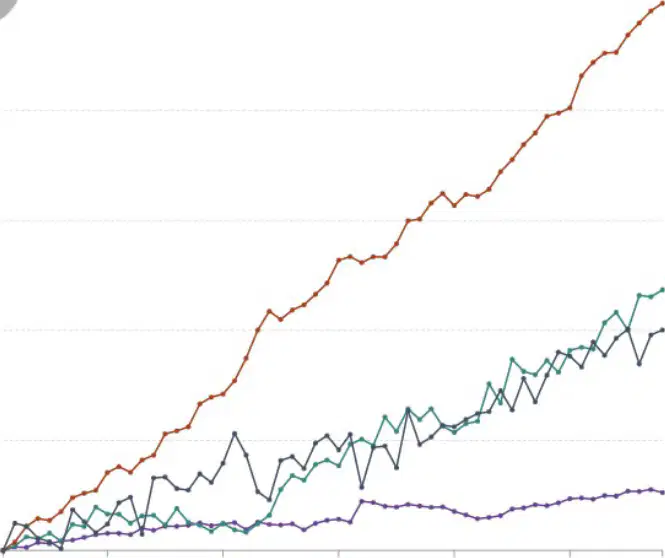
Refer to the line chart titled Change of cereal yield and land used for cereal production showing Asia and Africa from 1961 to 2018. Which region shows the greatest overall increase in cereal yield over this period?
Asia
Africa
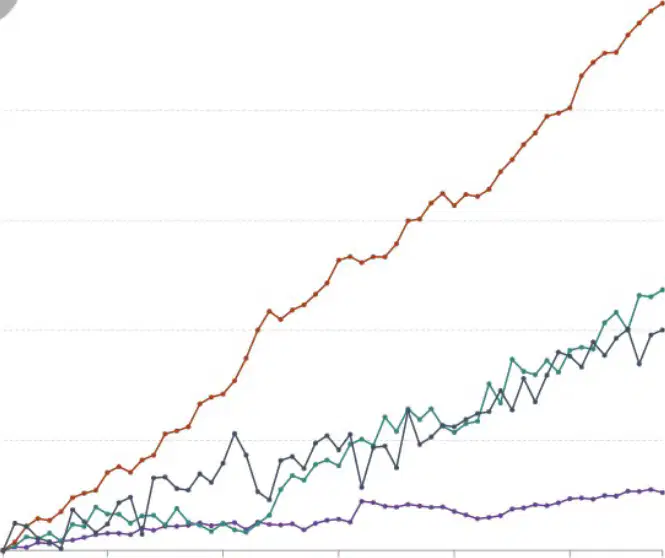
Refer to the line chart titled Change of cereal yield and land used for cereal production. In Asia, which variable increased much more from 1961 to 2018?
Cereal yield
Land used for cereals
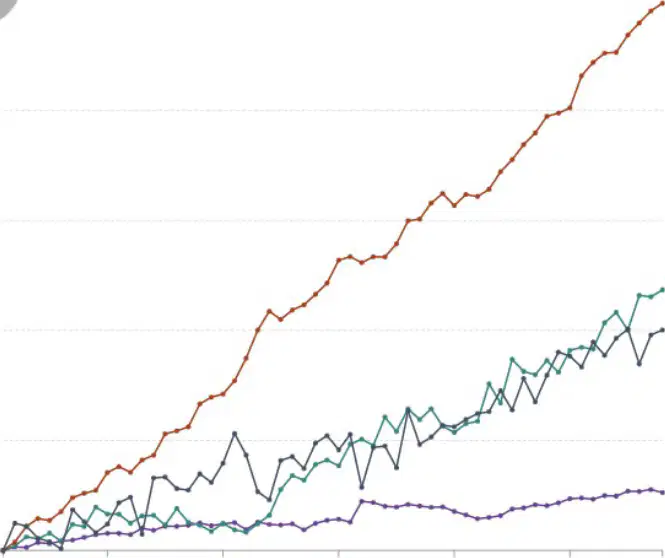
Refer to the line chart titled Change of cereal yield and land used for cereal production. In Africa by 2018, which had increased slightly more compared with 1961?
Land used for cereals
Cereal yield
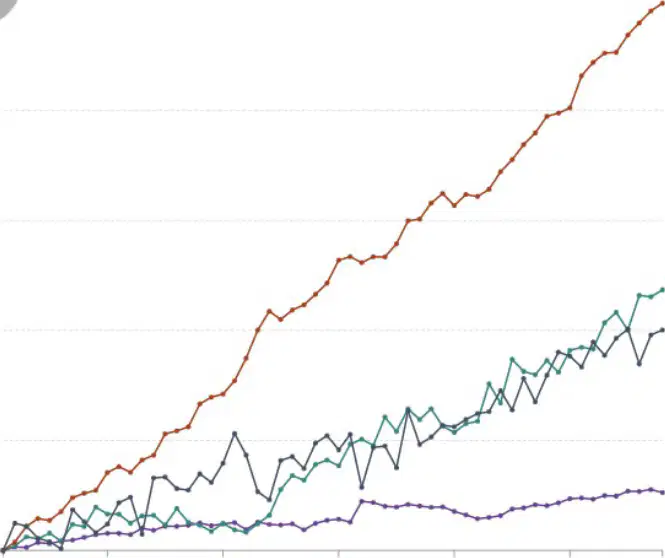
Based on the line chart titled Change of cereal yield and land used for cereal production, what is the time span of the data presented?
1961 to 2018
1950 to 2000
1975 to 2020
1990 to 2010
What technological improvements may have increased global food production, as reflected by large gains in cereal yield without major expansion of cropland? Select all that apply.
Development of high‑yield crop varieties
Widespread adoption of synthetic fertilizers
Precision irrigation and improved water management
Reduced use of mechanization in farming
Step One: Mind map the various agricultural factors that are affecting productivity. Which of the following factors directly affects on‑farm productivity in crop production? Select all that apply.
Soil fertility and nutrient availability
Access to appropriate machinery and tools
Availability and reliability of irrigation water
Celebrity endorsements of farm products

Step Two: Add ways climate change is threatening this process. Based on the photograph of wet‑rice cultivation, which climate‑change impacts most threaten this type of farming? Select all that apply.
Increased rainfall variability causing droughts or floods
Rising temperatures leading to heat stress during flowering
Sea‑level rise increasing salinity intrusion into paddies
A permanently stable climate improving yields
Evaluate the view that climate change has had the biggest impact of global food production levels
Climate change has had the biggest impact, with extreme weather, droughts, and heat stress reducing yields across many regions.
Climate change is important but not the biggest factor; recent gains from technology and improved practices have outweighed its impact on global production.
Market demand and trade disruptions are the biggest drivers of production levels, while climate change plays only a minor role.
Government policies and subsidies are the dominant influence, and climate change has negligible effect on overall yields.
Evaluate the view that climate change has had the biggest impact on global food production levels (12). Which statement best captures a balanced evaluation of this claim?
Climate change is the dominant and universal driver of declines in global food production across all regions and crops.
Climate change has a significant impact through extreme weather, droughts, and shifting seasons, but its influence varies by region and can be comparable to or outweighed by technological, economic, and policy factors.
Technological advancements are the only meaningful determinants of food production; climate change has negligible effects.
Government policies fully determine global food production levels, making climate factors largely irrelevant.
Evaluate the view that climate change has had the biggest impact of global food production levels (12). Choose the factor that best supports this view.
Climate change
Technological innovation in agriculture
International trade policies
Population growth
Outline characteristics of an agricultural system. [4 marks]
Inputs such as land, labor, capital, seeds, and water
Processes like ploughing, sowing, irrigation, and harvesting
Outputs including crops, livestock products, and revenue
Feedback mechanisms that adjust practices based on yields and market demand
Fixed, unchanging yields regardless of climate or management
According to the notes, agricultural systems apply human inputs such as labour and capital to natural factors and processes that convert inputs into outputs. These systems are particularly sensitive to which type of factors, leading to losses from the system?
Natural environmental factors and hazards
Market price fluctuations
Technological innovation cycles
Government policy changes
The notes state that intensive farming has large amounts of human inputs such as labour and/or capital and achieves high levels of productivity from relatively small plots. Which description best matches intensive farming?
High human inputs with high productivity from small plots
Low human inputs with low productivity from small plots
Low human inputs with high productivity from large areas
High human inputs with low productivity from large areas
In the notes, hill‑sheep farming is described as an extensive pastoral agricultural system with low inputs of labour and machinery but large inputs of an extensive upland area, and low yields relative to the area of land used. Which option best characterizes hill‑sheep farming?
Low labour and machinery inputs, large land area, low yields
High labour and machinery inputs, small land area, high yields
Low labour and machinery inputs, small land area, high yields
High labour and machinery inputs, large land area, high yields
Based on the notes, which statements about farming in Almeria are accurate? Select all that apply.
Growing fruit and vegetables can take place year‑round due to greenhouses
There is low capital investment and farms are rarely owned by co‑operatives
Many farms are owned by co‑operatives, indicating large capital investment
The system is largely immune to natural weather hazards
According to the notes, subsistence farming is most commonly found in LICs and is particularly prone to losses due to natural hazards such as drought. What is the primary purpose of subsistence farming?
Producing for export markets
Growing produce for personal or community consumption
Producing primarily for urban retail chains
Cultivating crops for industrial biofuel
In the agricultural system described, which component refers to the activities carried out to turn inputs into outputs?
Inputs
Processes
Outputs
Feedbacks
According to the passage, agricultural systems vary according to physical environmental variables but primarily which two?
Relief and drainage
Climate and soils
Temperature and latitude
Precipitation and altitude
Which option is identified in the passage as a feedback within an agricultural system?
Impacts of droughts and floods
Use of manure as fertiliser
Changes in market price
Climate variability
Which statement best reflects the passage’s caution about linking agricultural systems to national wealth?
Agricultural systems strictly correlate with national wealth levels
Rich countries have intensive systems only, while poor countries have extensive systems only
Poor countries are exclusively subsistence with no commercial enterprises
We cannot simply associate particular agricultural systems with rich or poor countries because both may contain multiple types
In the passage, outputs are described as what?
Physical, human and economic factors
Farming methods used to convert inputs
Products from the farm such as crops cultivated and animals reared
Reinvestment of profits into land and equipment
Which set of influences is listed in the passage as human factors affecting agricultural land use and productivity? Select all that apply.
Socio-economic
Cultural
Scientific
Political
Climate
Variation in farming methods is determined primarily by which factors?
Outputs and market price
Government policies alone
Inputs and level of technology
Latitude and altitude
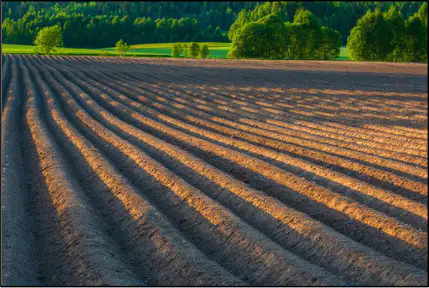
Based on the image of ploughed rows in a field with parallel furrows, which component of the agricultural system is most directly illustrated?
Inputs
Processes
Outputs
Feedbacks
Mixed farming is described as the production of both arable crops and livestock. Which option best matches this description?
A system combining crop cultivation with raising animals on the same farm
A system focused only on cereal monoculture
A practice limited to forestry and amenity woodlands
A method that excludes livestock to spread risk
According to the passage, why is mixed farming commercially sensible?
It allows flexibility through diversification and is suited to spreading risk
It eliminates the need for any investment in equipment
It concentrates income on a single commodity to simplify management
It guarantees higher yields than intensive horticulture
In the Fife example, which statement is correct about the mixed farm described?
It is a 160 hectare self-contained organic livestock and arable farm managed along with three other farms to reduce costs through economies of scale
It relies solely on pig production and does not grow arable crops
It is located in south-west England and specializes in hydroponics
It operates only an established game shoot without any livestock
Which diversification activity is explicitly mentioned as part of the mixed farming group’s operations?
Pig production and an established game shoot for pheasant and partridge
Exclusive flower cultivation in glasshouses
Offshore fish farming
Urban rooftop hydroponics
Intensive farming involves high investment in labour and/or capital such as machinery, glasshouses and irrigation systems. Which outcome is emphasized?
High yields per hectare from often small areas of land
Lower yields spread across large areas
Total elimination of labour needs
Exclusive dependence on rain-fed systems
Where are examples of horticulture (fruit, flower and vegetable production) cited in the passage?
South-west England and the Netherlands
Fife and Cornwall
Northern Scotland and Wales
Central France and Belgium
What local advantage is noted for horticulture in Cornwall?
A mild climate that benefits early spring vegetables and flowers
High mountain soils ideal for cereal monoculture
Year-round frost that controls pests in glasshouses
Arid conditions that remove the need for irrigation
Scientific innovation highlighted in horticulture includes hydroponics. What does hydroponics involve?
Growing plants in mineral nutrient solutions without soil
Planting directly into untreated clay soils
Irrigating fields exclusively with rainwater
Breeding livestock with higher feed efficiency
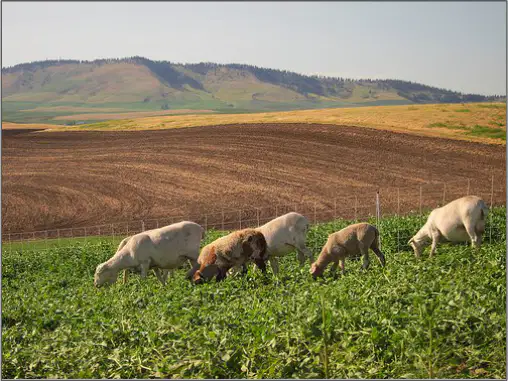
Based on the image showing sheep grazing beside cultivated fields and hills in the background, which farming type is illustrated?
Mixed farming
Intensive farming
Forestry-only operations
Urban agriculture
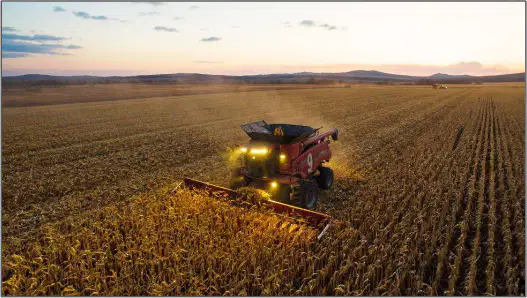
Considering the image of a combine harvester working a large field at dusk, which approach best aligns with the passage’s description of high investment in machinery to achieve high yields per hectare?
Intensive farming
Subsistence shifting cultivation
Mixed farming with amenity woodland
Pastoral nomadism
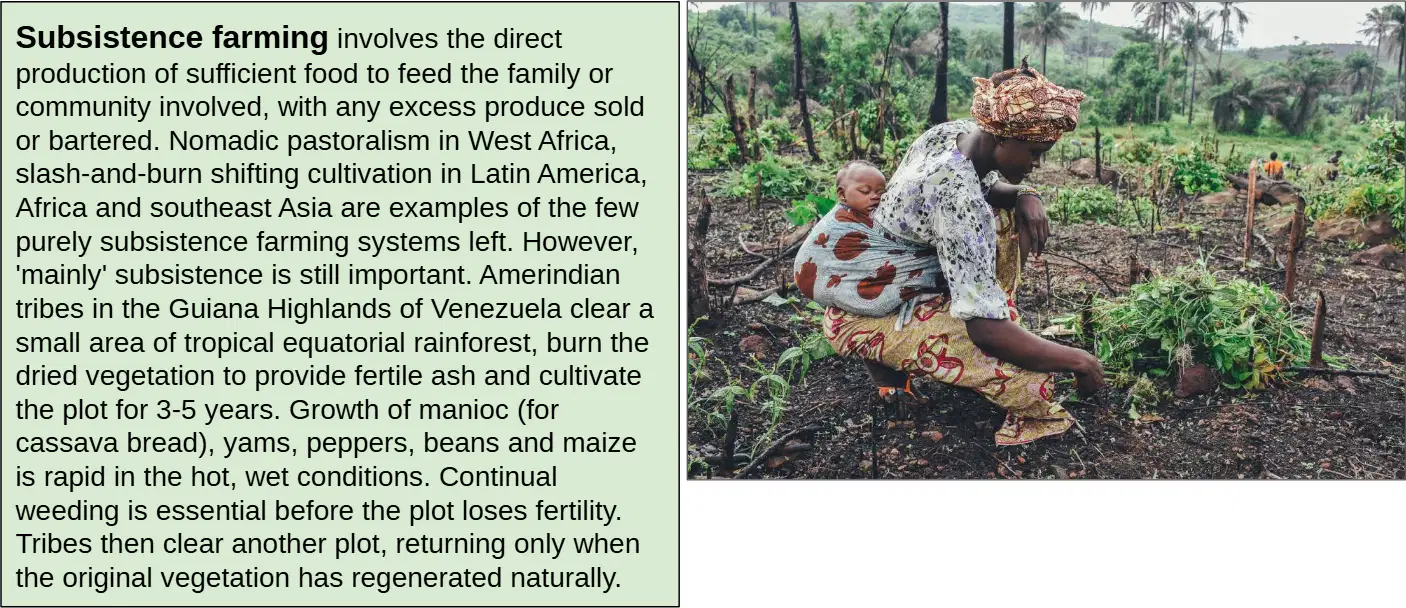
According to the passage, what is subsistence farming primarily aimed at?
Feeding the family or community involved
Producing for export markets
Maximizing monetary profit
Supplying urban supermarkets

How is any excess produce handled in subsistence farming as described?
Sold or bartered
Stored indefinitely in granaries
Donated to state warehouses
Kept only for seed

Which are examples of the few purely subsistence farming systems left mentioned in the passage? Select all that apply.
Nomadic pastoralism in West Africa
Slash-and-burn shifting cultivation in Latin America
Slash-and-burn shifting cultivation in Africa and southeast Asia
Irrigated rice agribusiness in southeast Asia

Where do the Amerindian tribes described carry out their farming practice?
Guiana Highlands of Venezuela
Great Plains of the United States
Siberian taiga
Australian outback

What material is burned to provide fertile ash before cultivation begins?
Dried vegetation
Peat blocks
Plastic waste
Imported crop residues

For approximately how long is the plot cultivated before fertility declines?
3–5 years
1–2 years
6–8 years
More than 10 years

Which crop in the passage is specifically noted as used for cassava bread?
Manioc
Maize
Yams
Beans

Under which environmental conditions does crop growth occur rapidly in the described system?
Hot, wet conditions
Cold, dry conditions
Temperate, mild conditions
Arid desert conditions
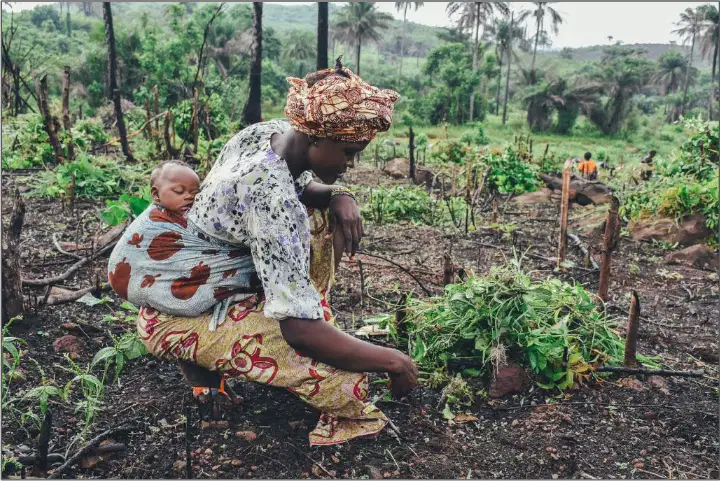
Why is continual weeding essential in the described cultivation practice?
To maintain productivity before the plot loses fertility
To prevent erosion only
To increase mechanization
To comply with government regulations

When do the tribes return to a previously cultivated plot?
Only after the original vegetation has regenerated naturally
Immediately after harvest
After one rainy season regardless of vegetation
After applying synthetic fertilizers
According to the passage about the tropical monsoon climate, this climate is distinguished primarily by its seasonal pattern. What is the defining seasonal characteristic?
A single, year-round wet season
Alternating wet and dry seasons
A single, year-round dry season
Irregular rainfall with no seasonal pattern
In the tropical monsoon climate described, which months make up the wet season when heavy rain commonly occurs?
November to April
January to June
May to October
June to December
During the summer wet season in the tropical monsoon climate, which process leads to heavy rainfall over land?
High-pressure formation over land draws dry air outward
Low-pressure formation over land pulls moist sea air inland
Cold fronts from the sea push warm land air upward
Stable atmospheric conditions keep air from rising
In winter, what is the prevailing wind direction described for the tropical monsoon climate of Asia?
From the sea toward the Asian interior
From the Asian interior toward the sea
Around the Himalayas in a circular pattern
From the equator toward the poles
The passage lists several Asian countries affected by seasonal monsoon winds and notes that over half of the world’s population lives in these regions. Which of the following is named among the six most populated nations included?
Australia
Japan
Saudi Arabia
South Korea
According to the passage, subsistence farmers in the tropical monsoon climate rely on the seasonal rains to cultivate a staple crop. Which crop is emphasized as being grown during the monsoon season?
Maize
Rice
Cotton
Tea
The passage explains that varieties of rice are adapted to different landscapes within the tropical monsoon climate. Which pairing matches a rice type with a location described?
Wet rice on irrigated hillside terraces of Indonesia
Dry rice on flat, alluvial flood plains of the Ganges Valley
Wet rice on flat, fertile, alluvial flood plains of the Ganges Valley
Dry rice only in coastal deltas of Japan
The passage notes that nothing from rice cultivation is wasted. Which uses for rice waste are identified? Select all that apply.
Fodder for animals
Kindling for fires
Woven into hats, mats, screens, and baskets
Fuel for motor vehicles
As long as sufficient irrigation water is available, what can farmers do with paddies during the dry season according to the passage?
Leave paddies fallow until the next monsoon
Convert paddies to aquaculture ponds
Reuse paddies for a second rice crop or for beans, lentils, and wheat
Plant only tree crops that tolerate drought
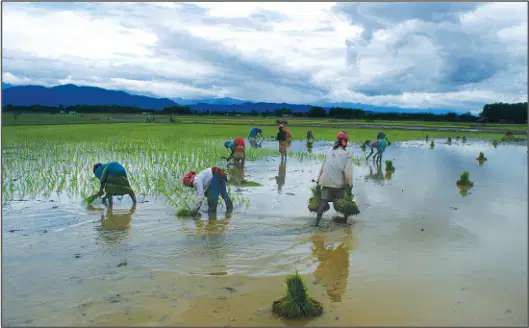
Refer to the photograph showing workers in a flooded field. What activity is most consistent with the tropical monsoon climate’s agricultural practices described in the passage?
Harvesting dryland maize
Planting rice seedlings in a paddy
Digging irrigation canals for wheat
Harvesting tea leaves

