
Font size
 Worksheets
untitled
Total questions: 39
Worksheet time: 31mins
What does a fire need to survive?
fuel, carbon dioxide, and heat
heat, oxygen and water
oxygen, heat and fuel
carbon dioxide, fuel, water
Which one is not a part of the fire triangle?
heat
oxygen
fuel
water
Why is it a possible safety hazard to wear a shirt with long, flowing sleeves when you cook?
The sleeves could get torn.
The sleeves could catch on fire from the burner.
The sleeves could get into the food you are cooking.
The sleeves could get caught in the handles of the stove.
Your three-year-old brother is playing in the house and you see some matches and lighters lying around. What should you do?
Do nothing.
Give him the matches and lighters to play with.
Keep the matches and lighters in a safe place away from his reach.
None of these.
Why are candles considered a fire hazard?
They ignite flammable things.
The smell makes people dizzy.
Hot wax will ignite things that it touches.
All of the above.
What element of the fire triangle is removed when water is sprayed to an open flame?
fire
fuel
heat
oxygen
What element of the fire triangle is played by the wax of a burning candle?
fire
fuel
heat
oxygen
What element of the fire triangle is played by the wooden sticks in a bonfire?
fire
fuel
heat
oxygen
What three elements do you need to create fire?
1. Oxygen
2. Fuel
3. Fire
1. Oxygen
2. Fuel
3. Ignition/Heat
1. Oxygen
2. Water
3. Ignition/Heat
1. Oxygen
2. Water
3. Fire
What types of extinguishers can be used to put out Electrical Fires


Based on the colour of this fire extinguisher, what would be the contents?
Foam
CO2
Water
Powder

Based on the colour of this fire extinguisher, what would be the contents?
Water
Powder
CO2
Foam

Based on the colour of this fire extinguisher, what would be the contents?
Water
CO2
Foam
Powder

Based on the colour of this fire extinguisher, what would be the contents?
Water
Foam
CO2
Powder
What is a potential danger of storing LPG in cellars?
It can cause water contamination.
It can lead to electrical shortages.
It can accumulate and cause explosions.
It can attract pests.
Why is it dangerous to have flames in loft areas?
It can cause water damage.
It can ignite dust and insulation.
It can lead to electrical shortages.
It can attract pests.
What is a risk associated with the buildup of CO2 or CO in confined spaces?
It can cause water contamination.
It can lead to suffocation.
It can attract pests.
It can cause electrical shortages.
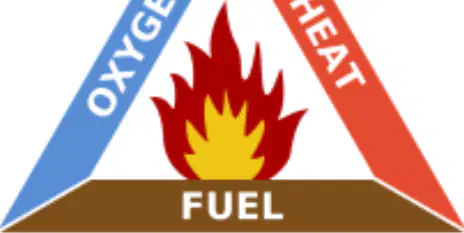
What are the three components necessary for fire to occur?
Water, Fuel, Heat
Fuel, Oxygen, Heat
Oxygen, Water, Spark
Fuel, Spark, Water
What is the result of combining propane, oxygen, and a spark?
Water
Smoke
Flame
Ash

Which class of fire involves flammable liquids such as oil and paraffin?
Class A
Class B
Class C
Class D
Class C fires are associated with which of the following?
Cooking oils and fats
Flammable gases like LPG, natural gas
Electrical
Metals like aluminium, magnesium
Which class of fire is related to electrical equipment?
Class E
Class F
Class D
Class B

Cooking oils and fats are involved in which class of fire?
Class A
Class C
Class F
Class D
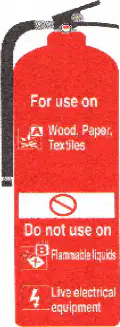
What type of fire extinguisher should be used on wood, paper, and textiles?
Water
Foam
CO₂ (Carbon dioxide)
Dry powder
Why should care be taken when using CO₂ extinguishers in an enclosed space?
Risk of explosion
Asphyxiation
Fire spreading
Equipment damage
Which fire extinguisher is suitable for use on flammable liquids?
Water
Foam
CO₂ (Carbon dioxide)
Dry powder
What type of fire extinguisher is represented by the color red?
Foam
Water
Powder
CO₂
What is the primary use of a cream-colored fire extinguisher?
Water
Foam
Powder
CO₂
Which color fire extinguisher is used for Class B and electrical fires?
Red
Cream
Blue
Black
What is the first action you should take if you discover a fire?
Call the fire service
Close windows and doors
Raise the alarm
Leave by the nearest exit
What type of fire extinguisher should you carry when soldering?
Water extinguisher
Foam extinguisher
Dry powder or CO₂ extinguisher
Wet chemical extinguisher
What should you use next to building fabrics to prevent fire when soldering?
A plastic sheet
A heatproof mat
A metal plate
A wooden board
Why should you move furniture away from the soldering area?
To create more space
To prevent damage from heat
To improve ventilation
To reduce noise
What should you check for when soldering under a suspended floor?
Loose nails
Anything that could catch fire
Water leaks
Electrical wires
39-53.
Answer the questions below after watching the video
What are the three components of the fire triangle?
Heat, Oxygen, Water
Oxygen, Water, Fuel
Heat, Oxygen, Fuel
Heat, Water, Fuel
What is the fire triangle a simple illustration of?
The components needed to create a fire
The components needed to create smoke
The components needed to create heat
The components needed to create water
Which component of the fire triangle can be eliminated by using water?
Fuel
Heat
Oxygen
All of the above
What is a common household item used to eliminate the oxygen side of the fire triangle?
Fire extinguisher
Sawdust
Copper wire
Fire blanket
What is one way to eliminate the oxygen side of the fire triangle?
Creating a fire break
Using a fire blanket
Blowing on the fire
Adding more fuel
What happens when the oxygen is used up in a fire?
The fire gets bigger
The fire goes out
The fire creates more smoke
The fire gets hotter
How can you remove heat to extinguish a fire?
By adding more fuel
By blowing the heat away
By adding water
By covering the fire with a blanket
What material can be used to conduct heat away from a flame?
Paper
Copper wire
Wood
Plastic
What is a fun way to remove heat from a flame?
Using a conducting material
Blowing on it
Adding more fuel
Using a fire extinguisher
What is a fire break used for?
To stop a fire from spreading
To add more fuel
To remove oxygen
To increase heat
In which type of fire is removing fuel most commonly used?
Forest fires
Grease fires
House fires
Electrical fires
What happens when you create a fire break in sawdust?
The fire creates more smoke
The fire gets hotter
The fire stops spreading
The fire spreads faster
What are the three ingredients needed to start a fire?
Heat, Oxygen, Fuel
Oxygen, Water, Fuel
Heat, Oxygen, Water
Heat, Water, Fuel
Why is understanding the fire triangle important?
To create more fires
To prevent and extinguish fires
To make fires burn longer
To increase the heat of fires
What is the purpose of the fire triangle?
To explain how to prevent and extinguish fires
To explain how to increase the heat of fires
To explain how to create a fire
To explain how to make fires burn longer

