
 Worksheets
CRM 3.2 Cells 6th Grade Unit 10
Total questions: 76
Worksheet time: 1hrs 5mins

The ___ is the basic unit of structure and function in organisms.
atom
cell
matter
all other answers are correct
Complete the cell theory statement: All cells come from ...
atoms
spontaneous generation
nothing
pre-existing cells
Complete the cell theory statement: All living things are made of...
only one cell
no cells
many cells
one or more cells
Organisms made up of more than one cell are...
unicellular
multicellular
Organisms made up of only one cell are...
unicellular
multicellular
A single-celled organism is called _____.
cell
unicellular
organelle
multicellular
All organisms are composed of one or more cells.
True
False
All cells come from pre-existing cells.
True
False
Cells are the basic unit of life.
True
False
A ________ is a living thing.
organelle
cell
organism
multicellular
Which is NOT a part of the cell theory?
All organisms are composed of one or more cells.
The cell is the basic unit of structure and organization in organisms.
All cells come from preexisting cells.
The invention of the microscope allowed scientists to investigate plant and animal cells.

What does this image represent? H2O
Atom
Element
Molecule
Marshmallows
What is the term for combining two or more atoms together?
atoms
elements
molecules
compounds
Theory or Law? Predicts what will happen in the natural world.
Law
Theory
Theory or Law? Changes with new observations and explains how and why it happens.
Theory
Law
A group of cells that come together to perform a specific function is called a
cell
tissue
organism
organ
The smallest basic unit of all living things is a
cell
tissue
organism
organ
A group of tissues that come together to perform a specific function is called a/an
cell
tissue
organ system
organ
A group or system in which positions of power are ranked, usually from lowest to highest.
Homeostasis
Consumer
Organism
Hierarchy
Smallest to Largest
Atom → Cell → Organ → Tissue → Organ System → Organism
Atom→ Molecule → Cell → Tissue → Organ → Organ System → Organism
Organism → Organ System → Organ → Tissue → Cell → Atom
Tissue → Cell → Organ → Organ System → Organism → Atom
A collection of tissues that performs a specialized function of the body.
Organelle
Virus
Organ
Homeostasis
A group of organs that work together to perform a major function.
Organelle
Organ System
Fungi
Homeostasis
All living and nonliving things are made up of which of the following?
Atoms
Cells
Minerals
Water
What are the two types of cells?
Prokaryotic & Eukaryotic
Bacteria & Eukaryotic
Eukaryotic
Animal & Plant
Plant and animal cells are examples of
prokaryotic cells
eukaryotic cells
Eukaryotic cells are more complex than prokaryotic cells.
True
False
Prokaryotic cells do not have _____.
DNA
Cell Membrane
Cytoplasm
Nucleus
Many tiny cell structures located within the cell
Nucleus
Lysosome
Ribosomes
Organelle
Which cell structure is found in plant and animal cells and controls what can enter or leave a cell?
cell membrane
cytoplasm
nucleus
vacuole
Which organelle is the control center of the cell? (It is the boss.)
Nucleus
Nucleolus
Golgi Body
Mitochondria
Which organelle acts as a storage tank for food, water, and waste?
Chloroplast
Ribosome
Vacuole
Lysosome
Which of the following are NOT found in animal cells?
chloroplasts and cytoplasm
chloroplasts and cell wall
cell wall and cell membrane
mitochondria and nucleus
Which of the following converts food into energy for the cell?
vacuole
mitochondria
cytoplasm
cell membrane
If you were a bad guy trying to sneak into an animal cell, who would stop you?
nucleus
mitochondria
cell membrane
cell wall
Which organelle provides storage for food, water, and nutrients?
Cell membrane
mitochondria
Vacuole
Vacuume
What is the cytoplasm?
The liquid, jelly-like substance of a cell
Part of a cell that converts food into energy
The brain of a cell
How does the chloroplast make food?
The chloroplast converts oxygen into sugar.
The chloroplast converts water into carbon dioxide.
The chloroplast absorbs nutrients through a plant’s root system and converts them into sugar.
The chloroplast uses the sun’s energy to make food through the process of photosynthesis.
Which organelle is responsible for producing energy for the cell from food?
mitochondria
nucleus
cell membrane
chloroplast

Plant cells have one large one, whereas an animal cell will have several smaller ones. These store substances such as water.
Vacuole
Endoplasmic Reticulum
Golgi apparatus
Vesicle
This organelle stores water and is very large in plant cells.
nuclolus
ribosomes
golgi bodies
vacuoles
The _____________ is a gel-like fluid that fills plant and animal cells. It holds the organelles in place and gives each cell its shape.
Cytoplasm
Cell Membrane
Cell Wall
Chloroplast
The _____________ holds the DNA and controls the functions of eukaryotic cells.
Nucleus
Nuclear Membrane
Mitochondria
Chloroplast
An organelle that captures energy from sunlight to produce food in plant cells is ______________.
Chromatin
Chloroplast
Cytoplasm
Cell Membrane
Cells that contain a nucleus and membrane-bound organelles, e.g., found mostly in multicellular organisms like plants, animals, protists, and fungi.
Eukaryotic cell
Prokaryotic cell
This is where cells use oxygen to release energy stored in food.
mitochondria
chloroplast
vacuole
cell membrane
Cells that do NOT have a nucleus or membrane-bound organelles, e.g., unicellular organisms like bacteria.
Eukaryotic cells
animal cells
plant cells
Prokaryotic cells
Capture sunlight for photosynthesis to occur
chloroplast
cytoplasm
vacuole
mitochondria
An organism made up of more than one cell.
multicellular
unicellular
duocellular
tricellular
An organism made up of just one cell
multicellular
duocellular
tricellular
unicellular
According to the Cell Theory, the cell is the _______________ unit of life.
largest
basic
most complex
only
According to the cell theory, all living things are made of ...
one or more cells
only one cell
many cells
cork cells
According to cell theory, all cells come from other_____.
cytoplasm
organelles
pre- existing cells
particles

Contains DNA, which has the information on how to make the cell's proteins. It is the control center of the cell and is sometimes called the brain of the cell.
Nucleus
Lysosome
Mitochondria
Endoplasmic reticulum

“Powerhouse” of the cell, breaks down food into energy for the cell.
Vacuole
Chloroplast
Nucleus
Mitochondria

Captures energy from sunlight and uses it to produce food in plant cells.
cell membrane
chloroplast
cytoplasm
nucleus

Controls what comes into and goes out of the cell; found in plant and animal cells. TSA agent of the cell.
cell membrane
chloroplast
cytoplasm
nucleus

Rigid outer layer of a plant cell
chloroplast
cell membrane
chlorophyll
cell wall

Produces the energy a cell needs to carry out its functions.
mitochondria
ER
Golgi bodies
vacuoles

What does the nucleus do?
Breaks down food and waste
Moves things around the cell
Creates energy from food
Controls everything and stores DNA
The _____________ is like JELL-O and is a gel-like fluid that fills plant and animal cells, where the organelles are found.
Cytoplasm
Cell Membrane
Cell Wall
JELL-O
The ______________ is the smallest functioning unit of life in all living things.
atom
cell
electron
organism
What is the process called that plants use to make food?
Respiration
Photosynthesis
Fermentation
Digestion
From where do plants primarily obtain the light energy required for photosynthesis?
The soil
The sun
Water
Minerals
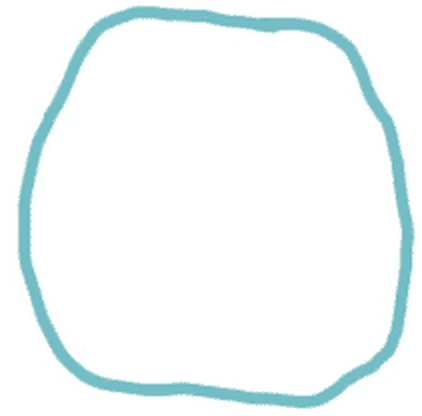
I am the outermost layer of an animal cell. What am I? Be careful!
cell wall
nucleus
cell membrane
cell skin
Choose the correct order
atom -> cell -> organ
cell -> tissue -> organ
cell -> organ -> organ system
molecule -> cell -> organ
___ is the maintenance of an internal balance of conditions of the cell.
Diffusion
Endocytosis
Passive transport
Homeostasis
What are three things that cells can do to maintain homeostasis?
make new cells
rest
eliminate wastes
obtain and use energy
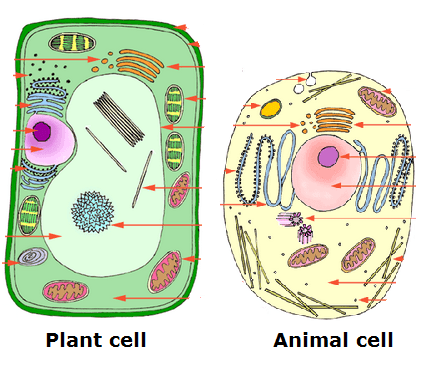
What distinguishes a plant cell from an animal cell? (How do you tell them apart) Hint: There's 3 ways (Check all 3)
Larger Vacuole
Mitochondria
Cell Wall
Ribosomes
Chloroplasts

Which of the following is the correct order of organization in living things from most basic (simple) to most complex?
a. Organism, cell, tissue, organ, organ system
a. Organ system, organ, tissue, cell, organism
a. Cell, tissue, organ, organ system, organism
a. Cell, organ, tissue, organ, organism, organ system

Which of the following has the correct order from most complex to simplest?
organ, cell, tissue, organ system, atom, molecule, organism
atom, cell, tissue, organ, organ system, organism, molecule
atom, molecule, cell, tissue, organ, organ system, organism
organism, organ system, organ, tissue, cell, molecule, atom

Choose 3 for the correct descriptions of the CELL WALL
Animals cells only
Gives shape
Protects the cell
Plant cells only

