
 Worksheets
Chapter2
Total questions: 30
Worksheet time: 15mins
Match each physiologic response during stress with its system.
Pupil dilation
Ocular sympathetic effect
Bronchial dilation
Respiratory airway change
Digestive slowing
Gastrointestinal response
Increased blood flow to muscles
Skeletal muscle perfusion
Which sign requires immediate corrective action because it may indicate an acute psychological problem rather than normal stress adaptation?
Brief nausea after a cardiopulmonary arrest
Inappropriate private behavior at the station
Feeling tremulous after a difficult extrication
Temporary difficulty sleeping after a bloody scene
Which statement best distinguishes delayed stress reaction from acute stress reaction?
Develops without any trigger and fades quickly
Triggered by a specific incident and appears later
Linked to catastrophes and presents immediately
Caused by minor hassles and resolves instantly
Which events are specifically noted as common causes of stress for EMS providers?
Multiple-casualty incidents
Incidents with several patients injured
Calls involving infants and children
Emotionally difficult pediatric situations
Severe injuries
Trauma with amputations or deep wounds
Abuse and neglect
Cases across all ages and social levels
Death of a coworker
Loss affecting public safety peers
Which statement about PTSD is accurate for EMS providers encountering traumatic events?
It only occurs after natural disasters
It never affects public safety workers
Symptoms may include flashbacks and irritability
It resolves quickly without intervention
Match each term with its best description.
Eustress
Positive stress that aids performance
Distress
Harmful stress that impairs functioning
Isolation
Feeling separated from support networks
Indecisiveness
Difficulty making timely choices
Which relaxation technique is specifically mentioned as a valuable stress reducer for EMTs?
Competitive breath-holding competitions
Deep-breathing exercises and meditation
Silent isolation for extended hours
Rapid hyperventilation techniques
Which professional-life change is suggested to help prevent stress for EMTs working variable shifts?
Request demotion to reduce responsibility
Ask for transfer to a location with lighter call volume
Replace field work with unpaid leave indefinitely
Decline all night shifts without notice
What two factors are highlighted as reducing posttraumatic stress in patients after incidents?
Pharmacologic sedation and restraint
Extended isolation and reflection
Social support and self-efficacy
Adequate hydration and nutrition
Why might patients who believe they had some control during a traumatic event experience less long-term stress?
Belief in control enhances self-efficacy and reduces helplessness
Belief in control increases adrenaline and memory formation
Belief in control prevents any physiological stress response
Belief in control guarantees actual control of the event
Which action best exemplifies providing Social Support to a frightened patient during transport?
Sit silently while driving to destination
Tell them you are staying with them
Repeat medical jargon about diagnosis
Focus only on equipment adjustments
Which statement best describes the bargaining stage for a dying patient?
Refusal to acknowledge diagnosis
Attempts to postpone death briefly
Persistent sadness without interaction
Complete acceptance without fear
Outbursts toward caregivers
Which action best offers realistic comfort to a grieving family?
Promise outcomes to maintain hope
Reduce physical contact and speak firmly
Provide medical details and leave promptly
Use a gentle tone and explain available help
Avoid discussing community support
When facing a suspected hazardous material scene, what is the primary action for an EMT?
Dilute spills with water from the ambulance
Enter the hot zone to triage casualties
Maintain a safe distance and exercise caution
Neutralize vapors with available extinguishers
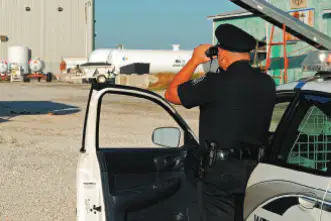
What is a practical reason to keep the ambulance or emergency vehicle equipped with binoculars?
To identify hazardous material placards from afar
To signal the driver during long transports
To examine minor wounds without touching patients
To locate radio towers for better signal strength
Which statement best describes decontamination in the EMS context?
Isolation of contaminated patients in-place
Neutralization of biological agents with antidotes
Immediate treatment of life-threatening trauma
Removal of dangerous chemicals and materials
In a terrorist incident, what is the first responsibility of the EMT?
Search for secondary explosive devices
Transport as many victims as possible
Establish a warm zone triage area
Remain safe until the scene is secure
During rescue operations such as auto collisions or electrocutions, which principle should guide EMT actions?
Move patients immediately without assessment
Wait for decontamination before approach
Request appropriate specialized assistance early
Attempt technical rescues beyond training
Which guideline aligns with ensuring well-being under pressure at a scene?
Always act before observing
Follow strict rules without context
Rely on improvisation only
Use realistic, practiced guidelines
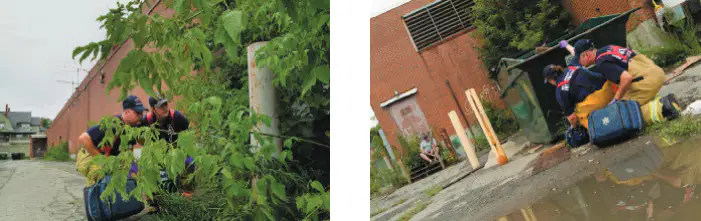
Which statement best distinguishes taking cover from concealing yourself during a dangerous scene?
Cover hides you from view only, not projectiles
Concealment protects from projectiles and view
Concealment protects from projectiles only
Cover protects from projectiles and view
In reacting to danger, which sequence reflects the three Rs emphasized for EMTs?
Report, recover, respond
Respond, radio, re-evaluate
Radio, respond, retreat
Retreat, radio, respond
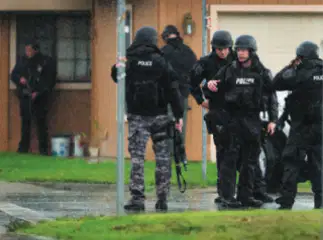
What is the primary use of the portable radio when danger is present?
Request patient refusals documentation
Order additional medical supplies
Call police and warn other units
Coordinate hospital bed assignments
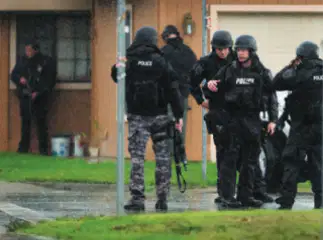
Why should information learned at a dangerous scene be shared with other responders as soon as possible?
To prevent others from encountering same danger
To speed up billing and documentation
To reduce radio airtime congestion
To meet shift change reporting policies
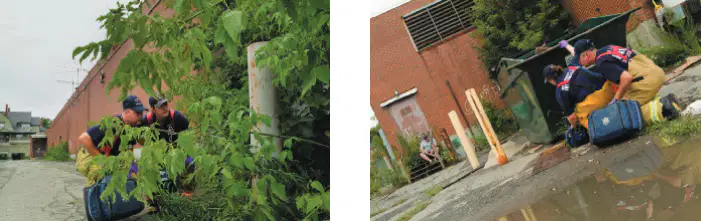
Match each safety action to its purpose.
Take cover
Protect from projectiles
Conceal yourself
Hide from view
Use portable radio
Summon police and warn units
Reevaluate scene
Determine if danger has returned
Resilience in EMS work is best described as which ability?
Recovering quickly from difficult situations
Preventing stress responses entirely
Avoiding all exposure to stressful events
Suppressing emotions after critical incidents
Which practice best reduces occupational exposure to bloodborne pathogens during EMS calls?
Wearing intact protective gloves consistently
Rinsing hands after patient contact only
Using gloves only for heavy bleeding
Relying on alcohol gel instead of gloves
An EMT forgot gloves on a call and had a small cut on the hand. What is the most appropriate immediate action after reporting to a supervisor?
Undergo occupational exposure evaluation
Self-bandage and monitor at home
Return to duty without restrictions
Skip evaluation if no symptoms appear
Match the Standard Precaution to its primary purpose.
Glove use
Prevent contact with blood or body fluids
Hand washing
Remove transient microorganisms from hands
Eye protection
Shield mucous membranes from splashes
Sharps disposal
Reduce needlestick and cut injuries
Which statement best explains why hand washing remains important even when gloves are worn?
Hand washing replaces proper glove use entirely
Soap chemically destroys all viruses instantly
Gloves may tear or be contaminated on removal
Gloves prevent all pathogen transmission
Which physiologic changes commonly occur during acute stress response?
Increased digestion and salivary flow
Constricted pupils and slowed reflexes
Decreased pulse, respirations, and temperature
Increased pulse, respirations, and blood pressure

