
 Worksheets
LMA Fire Safety Quiz - entire lesson
Total questions: 39
Worksheet time: 20mins
Which set correctly lists the three elements of the fire triangle?
Oxygen, water, and heat
Heat, carbon, and moisture
Oxygen, fuel, and heat
Fuel, smoke, and pressure
A small flame will not start or continue burning if one fire triangle element is removed. Which action targets the correct element?
Smothering a pan fire with a lid
Opening windows to add airflow
Adding kindling to feed the flames
Using a match to relight embers
Match each fire triangle element to the best example of that element.
Oxygen
Air in the room
Fuel
Wooden matches
Heat
Sparks or flames
Which behaviors are common causes of fire incidents and should be avoided?
Carelessness with smoking materials
Using sparks near flammable items
Leaving matches within easy reach
Storing fuel away from heat sources
Which fire class is designed for ordinary combustibles like paper, cloth, plastic, and wood?
Class C
Class B
Class K
Class A
Class D

A puddle of gasoline ignites near a paint can. Which extinguisher class should be used?
Class A for solid combustibles
Class B for liquids and gases
Class D for burning metals
Class C for energized circuits
Class K for cooking oils
Which scenario correctly matches the extinguisher class to the fire?
Class C used on a sparking fuse box
Class K used on burning fryer oil
Class A used on flaming wood stack
Class B used on glowing magnesium
Class D used on spilled paint fire
Class C fire extinguishers are intended for what type of hazard?
Electrical equipment and wiring
Combustible metals and alloys
Paper, cloth, plastic, wood
Cooking oils and deep fryers
Flammable liquids and gases
What does Class D specifically target?
Energized electrical sources
Combustible metals like magnesium
Cooking oils and animal fats
Ordinary solid combustibles
Pressurized gas cabinet fires
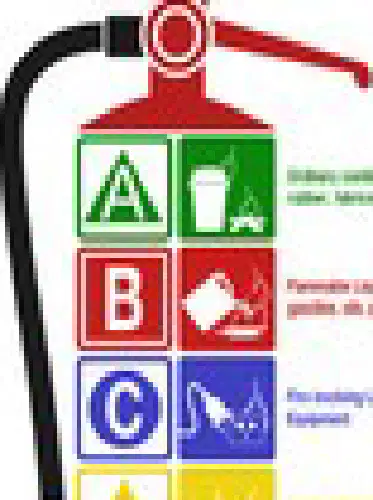
Match each extinguisher class to the fire type it is designed for.
Class A
Ordinary combustibles
Class B
Flammable liquids and gases
Class C
Electrical equipment
Class D
Combustible metals
Class K
Cooking oils and fats
Which fire should NOT be fought with a water-based Class A extinguisher?
Wooden pallet burning outdoors
Plastic wastebasket flaming
Trash can with burning paper
Grease fire in a kitchen fryer
Stack of cloth rags igniting
A technician sees flames around a live outlet and wiring. Which extinguisher class is appropriate first choice?
Class C extinguisher
Class K extinguisher
Class D extinguisher
Class B extinguisher
Class A extinguisher
Which statement about extinguisher labeling is most accurate?
Labels are optional for multipurpose units
Labels list all possible extinguishing agents
Labels display local fire station code
Labels show the kinds of fires extinguished
Labels indicate brand and size only

Select all fire types that Class B extinguishers are designed for.
Gasoline spill fires
Propane or butane flames
Burning plastic furniture
Oil-based paint vapors
Sparking appliance motor
Which step comes first when operating a fire extinguisher using PASS?
Squeeze the handle to discharge
Sweep side to side at base
Aim the nozzle at the flames
Pull the pin from the handle
In the PASS method, where should you aim the nozzle to be most effective?
At the base of the fire
At the top of the smoke
At the center of flames
At the nearest wall
Which sequence correctly completes the PASS acronym?
P
Pull the pin
A
Aim at base
S (third step)
Squeeze handle
S (fourth step)
Sweep side to side
Which actions are part of the PASS technique? Select all that apply.
Stomp on small flames
Sweep side to side
Aim at the base
Squeeze the handle
Pull the safety pin
What is the primary motion used while discharging the extinguisher in PASS?
Spray upward only
Circle around fire
Hold perfectly still
Sweep back and forth
Which of the following lists shows chemicals that are main fire-extinguisher types?
Helium, saltwater, dry ice, ethanol
Steam, nitrogen, sand, foam
Water, carbon dioxide, dry chemical, halon
Ammonia, bleach, propane, vinegar
Match each extinguisher chemical to a basic description of how it helps stop fire.
Water
Cools and soaks fuel
Carbon dioxide
Displaces oxygen gas
Dry chemical
Interrupts chemical chain
Halon
Nonconductive clean agent
Before squeezing the handle in the PASS method, what must be done immediately beforehand?
Check pressure gauge reading
Shake the canister forcefully
Aim the nozzle at the base
Call emergency services first
What is the first action to take when a fire is discovered, according to the RACE sequence?
Rescue anyone in immediate danger
Extinguish the fire if it is small
Confine the fire by closing doors
Activate the nearest fire alarm pull
Which step in RACE comes immediately after activating the alarm?
Evacuate the entire building immediately
Rescue people in immediate danger
Confine the fire by closing doors
Extinguish the fire with an extinguisher
What does the letter E stand for in the RACE acronym?
Exit the building safely
Extinguish the fire
Evacuate all departments
Examine the fire area
Which action is most appropriate when using the RACE steps on a small, contained trash can fire with no people nearby?
Rescue, activate, confine, then attempt extinguishing
Activate, evacuate, then wait outside for responders
Extinguish immediately without any other steps
Confine the fire and continue normal duties
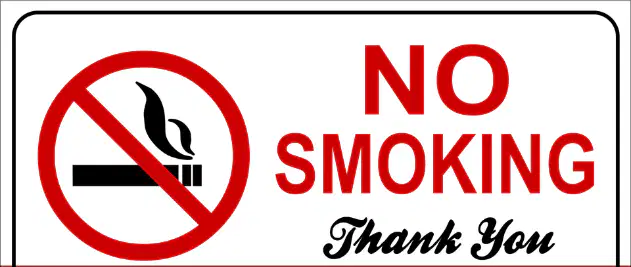
Select all practices that help prevent fires in a facility.
Ignore small spills of flammable liquids
Obey posted No Smoking signs
Extinguish matches and cigarettes completely
Dispose of waste in proper containers
Prop open fire doors for ventilation
Which is the best reason to remain calm and not panic during a fire emergency?
Panic reduces smoke and heat levels
Calm people do not need to call for help
Remaining calm replaces the need for alarms
Panic slows RACE actions and causes mistakes
Match each RACE letter with its correct action.
R
Rescue anyone in immediate danger
A
Activate the alarm system
C
Confining the fire by closing doors
E
Extinguish the fire if safe
Which behavior violates fire prevention rules shown on the slides?
Tossing oily rags into a general trash bin
Putting cigarette butts in a metal container
Closing doors to limit smoke spread
Following No Smoking signs in hallways
Before using electrical equipment, what should you check to reduce fire risk?
The color of the power switch
If the equipment is heavy
Damaged cords and proper grounding
Number of vents on the device
How should flammable liquids be managed to prevent fires?
Store in proper containers and wipe spills immediately
Keep open for quicker access during tasks
Dilute with water and leave to evaporate
Place next to heaters for easy pouring
When a fire starts in a patient room but the hallway is clear, which action represents the C in RACE?
Check weather conditions outside first
Carry the fire extinguisher to the lobby
Call a code and wait at nurses’ station
Close the room door to confine smoke
Which combination of actions is unsafe and increases fire risk?
Storing flammables in approved cabinets
Using equipment with a frayed power cord
Ignoring No Smoking signs near oxygen
Wiping flammable spills immediately
Leaving oily rags in open containers
Which action best reduces fire risk in patient care areas using oxygen?
Use cotton blankets to trap oxygen
Remove open flames and sparks sources
Open windows to dilute room oxygen
Store extra oxygen tanks near heaters
Why should clutter be avoided in hallways and patient rooms in healthcare facilities?
Clutter keeps equipment warm for patients
Clutter increases oxygen flow in rooms
Clutter slows evacuation and blocks exits
Clutter traps dust that feeds small fires
Select all actions that align with general disaster response in healthcare facilities.
Act independently without protocols
Ignore bomb threats to prevent panic
Ensure personal and patient safety first
Stay calm and follow facility procedures
Match each disaster type to a brief example scenario in a healthcare setting.
Tornado
Rotating winds damage roof and windows
Flood
Rising water enters ground-floor units
Bomb threat
Anonymous call warns of an explosive
Earthquake
Shaking causes ceiling tiles to fall
When a disaster occurs in a hospital, what is the most appropriate first step for staff?
Remain calm and follow facility plan
Call family members for instructions
Evacuate patients without triage
Wait for news before taking action

