
 Worksheets
Photosynthesis Quiz
Total questions: 24
Worksheet time: 17mins
Which of the following is a byproduct of photosynthesis?
Oxygen
Carbon dioxide
Nitrogen
Glucose
What do plants use to make their own food during photosynthesis?
Sunlight, water, and carbon dioxide
Oxygen, nitrogen, and sunlight
Water, glucose, and oxygen
Carbon dioxide, nitrogen, and glucose
Which of the following is NOT an example of photosynthesis?
Algae in water using sunlight to make food
A green plant making sugar using sunlight
An animal eating food
A tree absorbing sunlight to produce glucose
What happens to a molecule of water in the water cycle.
It is used up permanently.
It disappears forever.
It is reused through evaporation and rain.
It is converted into energy.
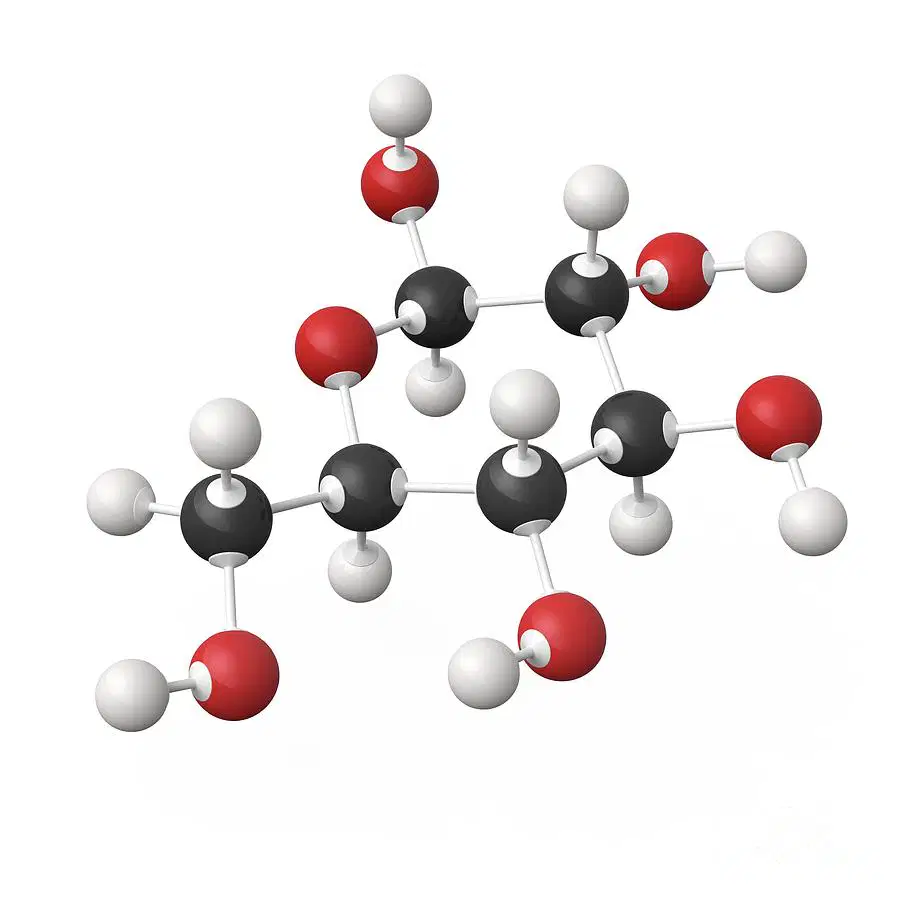
What is the definition of a glucose molecule?
A type of sugar made by plants that stores energy.
A type of protein made by plants that stores energy.
A type of sugar made by animals that stores energy.
A type of fat made by plants that stores energy.
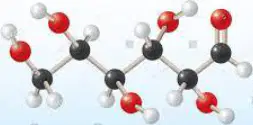
What is the chemical formula of glucose molecule?
C6H12O6
H12O6
C6
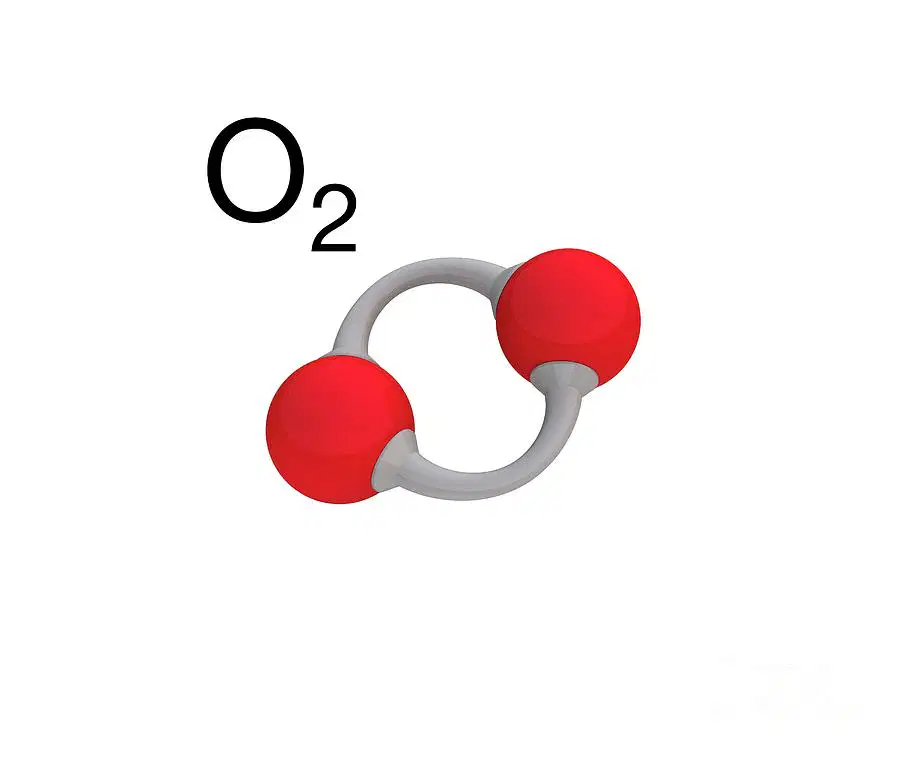
O2

__________ energy from the sun is changed in to __________ energy during photosynthesis
Radiant energy to chemical energy
creates food for consumers to use

Which organelle is responsible making food (Glucose) using sunlight?
Ribosomes
Nucleus
Chloroplast
Mitochondria
Select all the reactants in photosynthesis.
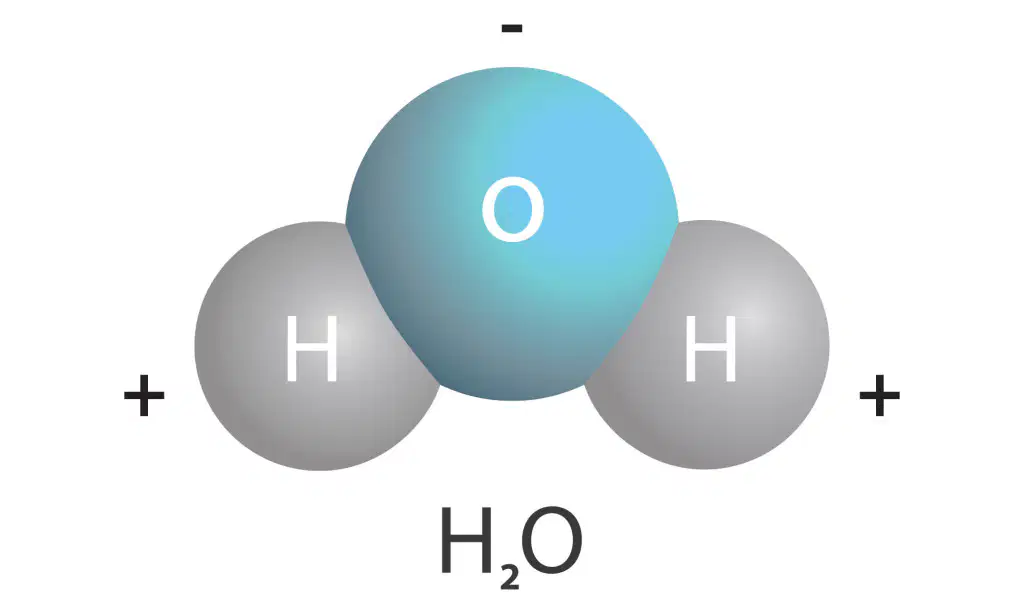
Water
Carbon Dioxide
Oxygen
Sunlight (Light Energy)
Glucose (Sugar/food)
Select all the products of photosynthesis.
Water
Carbon Dioxide
Oxygen
Sunlight (Light Energy)
Glucose (Sugar/food)

Which describes the transfer in this image?
Carbon Dioxide from the air becomes glucose in the plant. The deer ingest the glucose and it becomes carbon.
Carbon Dioxide from the air becomes water in the plant. The deer ingest the water and it becomes oxygen.
Oxygen from the air becomes carbon dioxide in the plant. The deer ingest the carbon dioxide and it becomes carbon.
Water from the air becomes Oxygen in the plant. The deer ingest the Water and it becomes Oxygen.

What is the relationship between the plant and the duck?
"A" represents oxygen produced by the duck and "B" represents carbon dioxide produced by the plant
"A" represents carbon dioxide produced by the plant and "B" represents oxygen produced by the duck
"A" represents oxygen produced by the plant and "B" represents carbon dioxide produced by the plant
"A" represents the sunlight received by the plant and "B" represents the oxygen produced by the duck
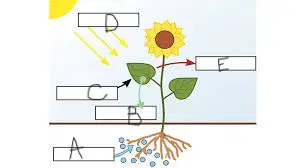
Look at the model of photosynthesis. What does letter "D" represent?
Radiant Energy
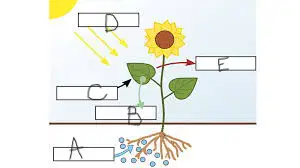
Look at the model of photosynthesis. What does letter "A" represent?

Look at the model of photosynthesis. What does letter "C" represent?
Look at the model of photosynthesis. What does letter "E" represent?
Look at the model of photosynthesis. What does letter "B" represent?

Photosynthesis and Biofuels
Photosynthesis is a natural process where plants convert sunlight, water, and carbon dioxide into energy in the form of glucose. This process is essential for life on Earth as it produces oxygen and serves as the foundation of the food chain. Scientists have studied photosynthesis to develop sustainable energy solutions, including biofuels, which are derived from organic materials.
Biofuels are renewable energy sources made from living organisms or their byproducts. They are categorized into different types based on their source and production methods. The most common types include ethanol, biodiesel, and biogas. Ethanol is produced from crops like corn and sugarcane, while biodiesel is made from vegetable oils or animal fats. Biogas, on the other hand, is generated from the decomposition of organic waste.
Each type of biofuel has unique advantages and challenges. Ethanol is widely used as a fuel additive to reduce emissions, but its production can compete with food supply. Biodiesel is biodegradable and reduces greenhouse gases, yet it requires significant energy to produce. Biogas is an efficient way to manage waste and generate energy, though its production depends on the availability of organic materials.
Biofuels are considered a promising alternative to fossil fuels because they are renewable and can help reduce environmental pollution. However, their production and use must be carefully managed to avoid negative impacts on ecosystems and food resources. By understanding the science of photosynthesis and the types of biofuels, we can work towards a more sustainable future.
What is the primary function of photosynthesis?
To produce oxygen and glucose
To decompose organic waste
To generate biofuels
To reduce greenhouse gases
Which of the following is NOT a type of biofuel mentioned in the passage?
Ethanol
Biodiesel
Biogas
Hydrogen
What is a major challenge associated with ethanol production?
It competes with food supply
It requires significant energy to produce
It depends on the availability of organic materials
It is not biodegradable
Which choice could best replace the word “dirived” in paragraph 1?
lost

