
 Worksheets
The First Amendment: Speech and Religion
Total questions: 36
Worksheet time: 18mins
Which statement best summarizes the First Amendment’s protection of speech?
Congress cannot pass laws limiting peaceful speech
States may license only approved public speeches
Citizens may speak only on private property
Only adults may speak about national politics
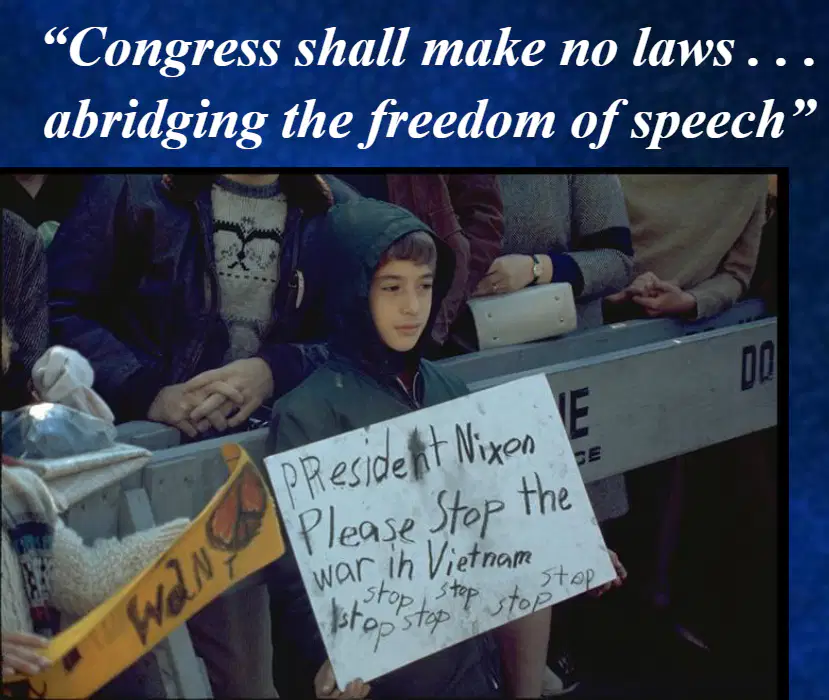
A student holds a sign criticizing a war during a peaceful rally. Which freedom protects this action?
Right to bear arms
Right to vote
Freedom of speech
Freedom from searches
Which list correctly names all five essential First Amendment freedoms?
Religion, speech, press, assembly, petition
Press, assembly, privacy, petition, property
Religion, speech, jury trial, assembly, petition
Speech, voting, press, petition, militia
Which situations are protected by freedom of speech? Select all that apply.
Wearing a button supporting a candidate
Calling for nonviolent policy changes
Shouting threats of immediate violence
Making peaceful criticism of leaders
Two friends start a peaceful march and hand out leaflets about a new law. Which freedoms are they using together?
Speech and assembly
Press and search
Arms and jury
Privacy and property
Which scenario best illustrates freedom of the press protected by the First Amendment?
A governor bans online opinion columns
A judge punishes all critical articles
A mayor approves every news headline
A newspaper investigates government spending
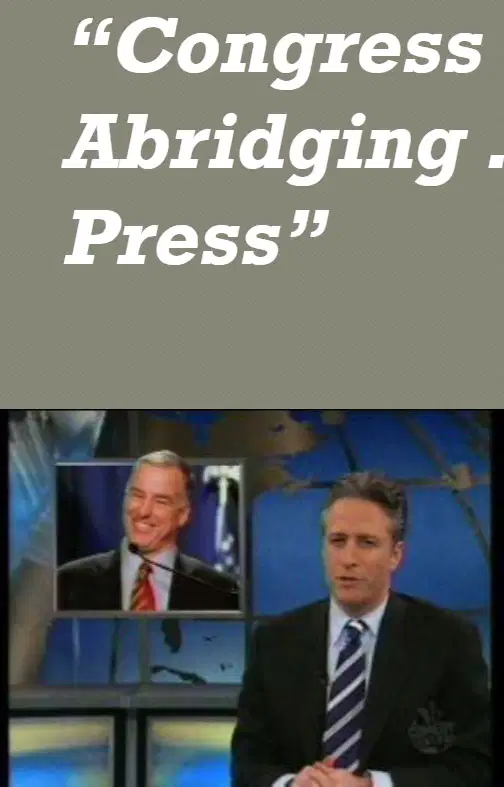
What does the phrase "Congress shall make no law ... abridging the freedom of the press" most directly prevent?
Readers disagreeing with opinion pieces
Government censorship of news reporting
Private boycotts of published stories
Editors correcting factual mistakes
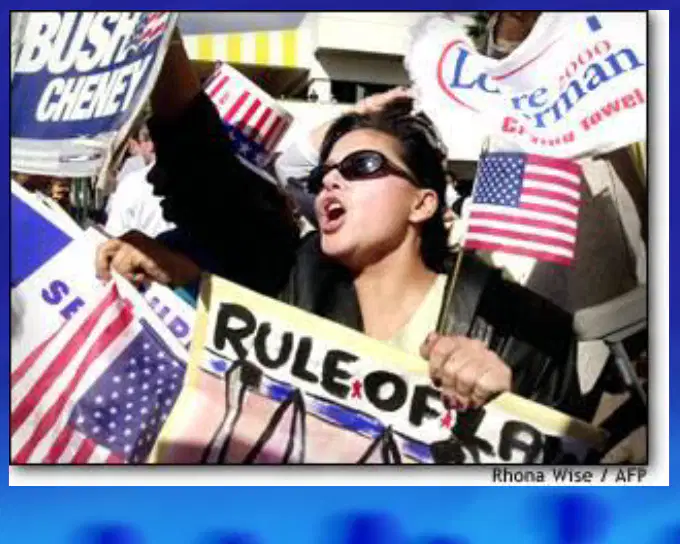
Which action is an example of the right to peaceably assemble?
A city bans gatherings permanently
Students organize a calm rally downtown
Police stop all marches without cause
Protesters destroy shops during marches

Select all actions that are protected by the right to petition the government for a redress of grievances.
Writing a letter to an elected official
Threatening violence to force new laws
Filing a peaceful lawsuit against a rule
Collecting signatures to change a policy
Which statement best distinguishes assembly from petition under the First Amendment?
Assembly involves gathering together publicly; petition involves requesting government action
Assembly involves publishing articles daily; petition involves broadcasting news shows
Assembly involves voting in elections only; petition involves serving on juries only
Assembly involves private conversations only; petition involves secret letters only
Which right is protected by the 2nd Amendment?
The right to a speedy public trial
The right to vote in federal elections
The right to remain silent during arrest
The right to bear arms for the people
Which situation best violates the 3rd Amendment?
Soldiers forced to live in a house during peace
A reporter criticizing government officials
A school suspending a student for cheating
Police requiring a driver's license checkpoint
During peacetime, what does the 3rd Amendment require before soldiers can be quartered in a home?
A city council emergency resolution
A warrant signed by a federal judge
Approval from the nearest base commander
Consent of the homeowner is required
The 4th Amendment protects people from which government action?
Unreasonable searches and seizures by authorities
Cruel and unusual punishments by courts
Taxation without representation by Congress
Self-incrimination during police questioning
What must be present for a warrant to be issued under the 4th Amendment?
Approval from the mayor or governor
A unanimous vote by a local jury
A sworn promise from a police officer
Probable cause describing place and items
Which example shows probable cause for a search under the 4th Amendment?
A patrol wants to meet local residents
A neighbor dislikes the owner's front yard
A witness reports seeing stolen laptop inside
An officer is curious about a loud television
Which amendment pairs are correctly matched with their protections?
2nd—bear arms; 3rd—no forced quartering; 4th—no unreasonable searches
2nd—free speech; 3rd—jury trials; 4th—no excessive bail
2nd—voting rights; 3rd—religious freedom; 4th—states' powers
2nd—peaceful assembly; 3rd—press freedom; 4th—double jeopardy

Which protection is known as double jeopardy?
Being moved twice between different courtrooms
Being questioned twice by the same detective
Being fined twice for the same traffic ticket
Being tried twice for the same offense is barred

What does self-incrimination mean in criminal cases?
Being accused by a grand jury of crimes
Being forced to testify against yourself
Being represented by a public defender
Being confronted by witnesses in court

A person cannot be held to answer for a serious crime unless there is a presentment or indictment by which body?
A Police Department
A Supreme Court
A Grand Jury
A Defense Team
Which right is protected by due process of law?
Freedom from all searches by the police
Unlimited time to prepare any legal defense
Guaranteed victory in every criminal trial
Fair procedures before the government punishes
Eminent domain allows the government to take private property only under what condition?
Letting neighbors vote to approve it
Providing just compensation to the owner
Allowing the owner to keep part of it
Delaying payment until taxes are due
Which amendment protects against being compelled to be a witness against yourself?
Fifth Amendment
Fourth Amendment
Eighth Amendment
Sixth Amendment
Being informed of the charges against you is part of which amendment’s protections in criminal cases?
Sixth Amendment
Third Amendment
Tenth Amendment
First Amendment
A city wants to build a public park on private land. Under the Constitution, what must it do?
Hold a criminal trial for the owner
Let the owner design the park first
Confiscate the land without payment
Pay just compensation to the owner
Which right helps ensure fairness by allowing the accused to challenge testimony in court?
The right to free speech
The right against quartering
The right to confront witnesses
The right to bear arms
Which situation would be protected by the 7th Amendment?
A civil lawsuit for damaged property over twenty dollars
A criminal trial for robbery with potential jail time
A state election recount for a close governor race
A school discipline hearing about cheating accusations
What is the main purpose of the 8th Amendment regarding bail?
To prevent bail amounts that are too high for the offense
To guarantee every person is released without paying bail
To let judges deny bail in all violent crime cases
To require the same bail for all similar defendants
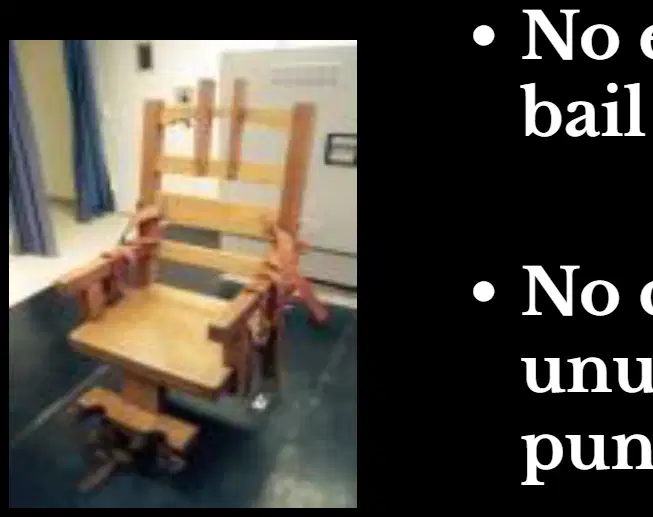
Which punishment would most likely violate the 8th Amendment?
Requiring a safety class after a bike violation
Harming a minor for a minor theft conviction
Assigning community service for vandalism
Ordering a small fine for a parking ticket
The 9th Amendment is best summarized as protecting which idea?
States can erase rights that are not written down
Only the rights named in the Bill of Rights exist
People have rights beyond those listed in the Constitution
Courts cannot create new rights under any circumstances
Which pair correctly matches the amendment with its protection?
Seventh—jury trials in civil cases
Eighth—freedom of speech protections
Eighth—right to privacy for individuals
Ninth—voting rights for all citizens
Select ALL protections provided by the 8th Amendment.
Right to reasonable fines in civil cases
No excessive bail required
Guaranteed jury in criminal trials
No cruel and unusual punishment
A person sues a company for $500 in damages. What right applies?
Right to remain silent under the 5th Amendment
Right to a speedy trial under the 6th Amendment
Right to bear arms under the 2nd Amendment
Right to a civil jury under the 7th Amendment
Which statement best explains the 10th Amendment?
All powers belong to the federal government over every issue
The people must follow only federal laws in every situation
States may override any part of the U.S. Constitution anytime
Powers not given to the federal government go to states or people
Which of the following are examples of reserved powers under federalism?
Creating public school systems within a state
Issuing state driver’s licenses and regulations
Declaring war on another country as a nation
Coining national money for the entire country
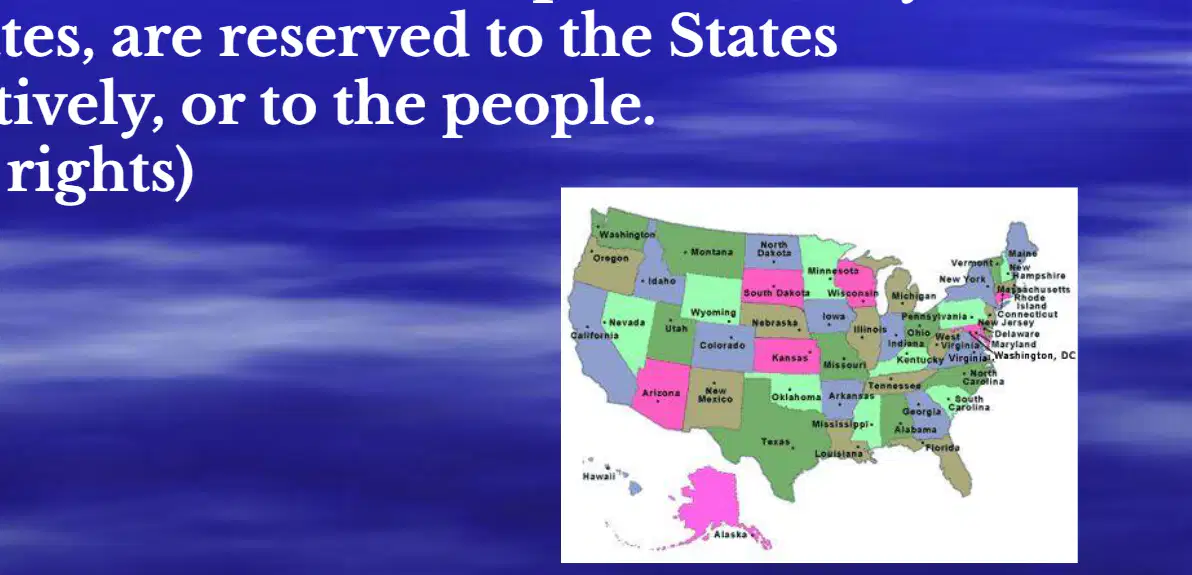
Under the 10th Amendment, powers delegated to the federal government are called what, and powers kept by states are called what?
Delegated powers and reserved powers
Implied powers and popular powers
Shared powers and supreme powers
Enumerated rights and citizen powers

