
 Worksheets
Screen-Film Radiography (SFR)
Total questions: 15
Worksheet time: 45mins
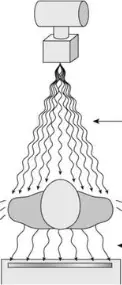
Remnant radiation is a radiation from the x-ray tube that passes through the patient's body and ____________
absorb into the body
exit the body as scattered radiation
hit the x-ray film
Only _____ of the x-ray beam is a remnant radiation and used to produce radiographic image
1%
99%
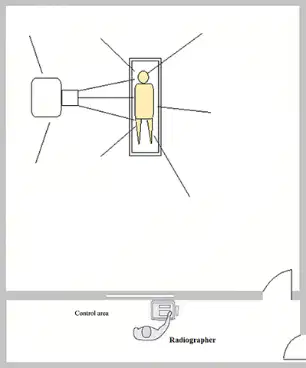
Why must a radiographer close the door and perform an x-ray exposure outside the room?
To follow the local hospital rule
To ensure the comfort of patient
Every x‑ray exposure produces a lot of scattered radiation inside the room, and you need to avoid it.
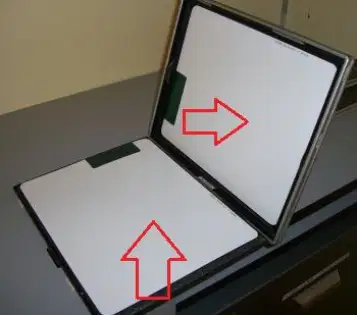
What is the structure that is located as double-layered inside the radiographic cassette?
X‑ray film
Lead gown
Intensifying screen
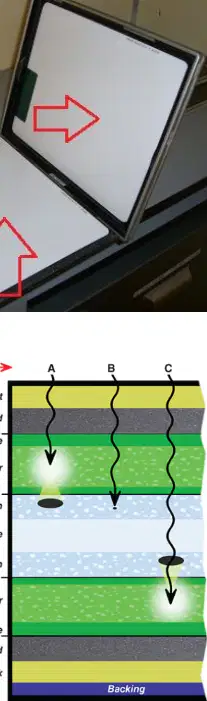
X-ray intensifying screens absolutely contain phosphors, which are special fluorescent materials that absorb X-ray energy and convert it into much brighter _________.
light
emulsion
latent image
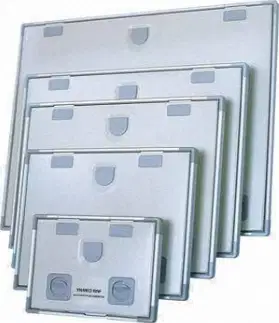
What is the smallest size of a radiographic cassette (in inches)?
10 x 8 inch
10 x 12 inch
14 x 17 inch
Which one is NOT a good practice for handling and storing the radiographic x-ray cassette?
Do not drop the x‑ray cassette
Clean the intensifying screen layer inside the x‑ray cassette
Regularly check the film‑screen contact using wire mesh tool
Arrange the radiographic cassette above each other from the largest to the smallest size on the top
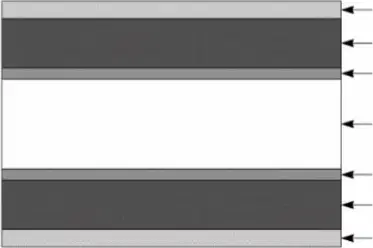
Which layer of the radiographic film contains 'silver halide crystals' (Argentum (Ag+), Bromide (Br-) and Iodide (I-)) that will interact with the x-ray beam?
Supercoat
Emulsion
Adhesive
Base
X-ray film ________ is the sensitivity of a photographic medium to light or radiation. The film ______ is determined by the size and concentration of its silver halide crystals inside the emulsion layer of an x-ray film.
size
speed
colour
The safelight inside the darkroom produces the ______ color light because it is not sensitive to x-ray film and will not cause any fog (artifact) on the film.
green
white
red
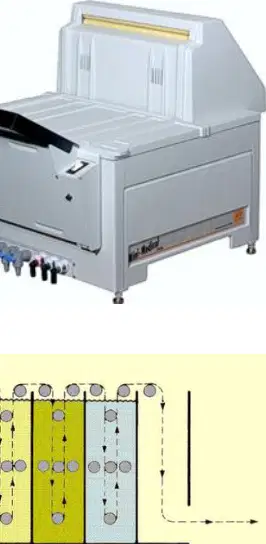
How long does it take for an x-ray film to be completely processed inside the automatic film processor?
Less than 1 minute
1 minute and 30 seconds
More than 2 minutes
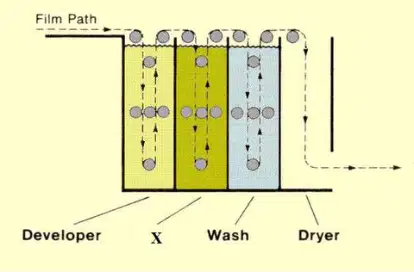
Name the chemical solution in tank X.
Plain water
Anti-static solution
Fixer
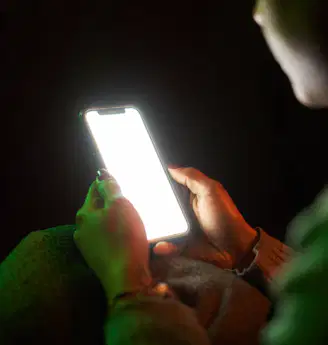
When handling the x-ray film inside the darkroom, what happens to the x-ray film if it is unintentionally exposed by the mobile phone flashlight or screen light?
Nothing happens.
X‑ray film becomes fogged (dark) and damage the image
X‑ray film will become more sensitive to the x‑ray
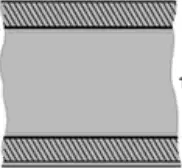
This is a typical layer of the x-ray film. Which layer attached the emulsion to the base?
Overcoat layer
Abrasion layer
Adhesive layer

Select the safety precautions when processing x-ray film inside the darkroom.
Use the red safelight that does not fog x‑ray film
Keep the darkroom door closed and prevent stray white light
Do not use mobile phones or other white light sources
Process films with the room lights fully on to see clearly
Check for and prevent light leaks before processing

