
 Worksheets
Mali Empire
Total questions: 122
Worksheet time: 2hrs 32mins

Which natural resource was often traded for salt?
gold
pottery
livestock
silk

Which desert did caravans cross to reach the gold mines of West Africa?
Sahara
Kalahari
Egyptian
Gobi

Which city in Mali has a huge library?
Rome
Cairo
Timbuktu
Athens

What did Mali trade to become a wealthy empire?
camels and bronze
fish and water
silk and tools
gold and salt

Which describes the government of Mali?
It was a dynasty
It was ruled by kings
It was a direct democracy
It was a representative government

Mali is located
in Europe
On the Nile River
In western Africa
In North America

Storytellers from Ancient Mali are known as
Narrators
Griots
Poets
Actors

In Ancient Mali, salt was used to
Polish gold
Clean water
Make bricks
Preserve food

Our information about Ancient Mali comes mostly from
Books written by Sundiata
Oral stories handed down from storytellers
Paintings drawn in desert caves
Letters written by African gold traders

Mali was ruled by
Rich and powerful Kings
A president
Wealthy gold traders
Citizen voters

The Ancient Mali city of _______________ had libraries and universities.
Rome
Egypt
Timbuktu
Niger

The people of Ancient Mali valued _____________ and ____________ as natural resources that they could use and trade.
Sand and salt
Gold and wood
Salt and fish
Salt and Gold

Timbuktu was known for ________________
Libraries, universities and being a center of trade
Excellent fishing and pottery.
Architecture and writing.
Being a center of trade and art work.

Which of the following choices is an example of a human resource in ancient Mali?
Pyramid builder
Silk cloth maker
Ship builder
Miner

How did the people of Mali get the things they needed but did not have?
They built a Great Wall.
They created trade routes between the Sahara Desert and the mines of West Africa.
They sailed to Greece to get the things they needed.
They fished for food.
Where was the Empire of Mali located?
Southern Africa
Eastern Europe
Western Africa
South America
Middle East
What ruler united the local tribes and formed the Empire of Mali?
Mansa Musa
Sundiata Keita
Shaka Zulu
Hannibal
Dinga Cisse
What was the title of the ruler of the Empire of Mali?
King
Caliph
President
Ghana
Mansa
What religion played an important role in the Mali government?
Islam
Judaism
Buddhism
Christianity
Taoism
What city of Mali was considered a center of learning and education?
Tripoli
Gao
Accra
Timbuktu
Luanda
What group of workers were highly respected because they provided food?
Hunters
Farmers
Soldiers
Fishermen
Artisans
What ruler of Mali is famous for his lavish trip to Mecca?
Shaka Zulu
Ramses II
Mansa Musa
Hannibal
Sundiata
What rival empire came to power near the end of the Empire of Mali?
Egyptian Empire
Chinese Empire
Islamic Empire
Songhai Empire
Empire of Ghana
What was the capital city of the Empire of Mali?
Alexandria
Koumbi Saleh
Mogadishu
Addis Ababa
Niani
What resource did Mansa Musa bring back to Mali after his trip to Mecca?
Scholars
Gold
Salt
Iron
Silk
Which desert did traders have to cross?
Sahara Desert
Kalahari Desert
Gobi Desert
Arabian Desert
Which is NOT something West African societies were centered on?
Family
Trade of Gold and Salt
Animism
Christianity
What are griots?
Poets and Storytellers
Hunters
Village Chiefs
Writers
Which important city is in Mali?
Timbuktu
Africa
Washington DC
Sundiata
Why did they mine gold?
They didn't mine gold, they only mined salt
To preserve food
To trade for wealth
What is true about salt?
(Select all correct answers)
Found in mines in Africa
Used for health
Was eaten
Preserved food
Who are the leaders of Mali?
Presidents
Powerful kings
Storytellers
No one
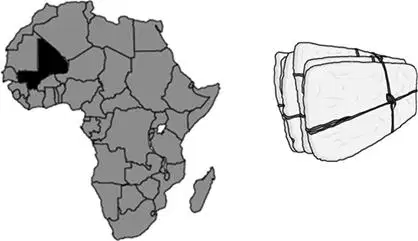
This is salt. What do they use salt for?
To trade
It's not salt; it's gold
They didn't use salt
to store and preserve food
What occupations were common for people of Mali to have? (select 2)
Ship building
Mining
Trading
Writing
Was Timbuktu an important trading city?
True
False
Where were the books from that are found in a Timbuktu university?
Egypt and China
Greece and Rome
Rome and China
Greece and Asia
Why is Mali wealthy?
They weren't wealthy
They sold a lot of materials
They traded ships
They controlled the trade routes near them
What desert is Mali close to?
Sahara Desert
Gobi Desert
Antarctica
No desert
Why did they trade gold?
To get money
To get food
To get salt
What is Mali located between?
Sahara desert and Nile River
Gobi desert and gold mines
Sahara desert and Gold Mines
Gold... (pick 2)
was mined
was eaten
brought great wealth
wasn't important to Mali
Tiimbuktu had a famous...
Gym
Cafe
City
University
Ancient means
A gift that makes someone's life easier
Very very old
The deign of a building
A group of people living and working together
What were all of the contributions of Ancient Mali? Choose all the correct answers
Kites
Gold
Salt
Bronze
Storytellers

Where is Ancient Mali located?
Asia
Europe
Africa
China
What was Mali's government?
Direct Democracy
Representative Democracy
Emperor in charge
King in charge
Which was not a common job in Ancient Mali?
Fishermen
Trader
Miner
Farmer
What was the climate like in Ancient Mali
Hot dry desert
Cold snowy mountains
Grassy hills
Tropical rainforest

What materials did the people of Mali use to build their houses?
Plastic
Wood
Stones
Clay and mud

What was the purpose of storytellers?
To make sure people followed the King's commands
To keep trading going between the people
To make goods to sell at markets
To pass down tales from generation to generation
True or false: The people of Ancient Mali had music, art, and literature
True
False
What was the name of the city in Mali where a lot of trading would happen?
Cairo
Rome
Hong Kong
Timbuktu
The ancient griots of Mali were ____________.
farmers
storytellers
kings
merchants
The head of the government in ancient Mali was a ____________.
king
president
governor
mayor
Ancient Mali grew in wealth and power because of all the ________.
weaving
farming
fishing
trading
The desert in the northern part of Mali is the ______ desert.
Sahara
Painted
Gobi
Mojave
Mali is located in the _______ part of Africa.
Northern
Southern
Eastern
Western
What was a major trade item in ancient Mali?
Slabs
Silk
Bronze
Salt
The river that runs through Mali is the ______.
Mississippi
Niger
Nile
Amazon
Which of these was NOT a job of the people of ancient Mali?
Farmers
Traders
Miners
Roadbuilders
People used which of the following animals to help them cross the desert?
elephants
horses
camels
dogs
The country of Mali can be described as _____ and _____.
cold, wet
hot, wet
cold, dry
hot, dry
Where was the Empire of Mali located?
Southern Africa
Eastern Europe
Western Africa
South America
Middle East
What ruler united the local tribes and formed the Empire of Mali?
Mansa Musa
Sundiata Keita
Shaka Zulu
Hannibal
Dinga Cisse
What was the title of the ruler of the Empire of Mali?
King
Caliph
President
Ghana
Mansa
What religion played an important role in the Mali government?
Islam
Judaism
Buddhism
Christianity
Taoism
What city of Mali was considered a center of learning and education?
Tripoli
Gao
Accra
Timbuktu
Luanda
What group of workers were highly respected because they provided food?
Hunters
Farmers
Soldiers
Fishermen
Artisans
What ruler of Mali is famous for his lavish trip to Mecca?
Shaka Zulu
Ramses II
Mansa Musa
Hannibal
Sundiata
What rival empire came to power near the end of the Empire of Mali?
Egyptian Empire
Chinese Empire
Islamic Empire
Songhai Empire
Empire of Ghana
What was the capital city of the Empire of Mali?
Alexandria
Koumbi Saleh
Mogadishu
Addis Ababa
Niani
What resource did Mansa Musa bring back to Mali after his trip to Mecca?
Scholars
Gold
Salt
Iron
Silk
Which natural resource was often traded for salt?
gold
pottery
livestock
silk

How do we know about Mali's history?
From books in Timbuktu
From journals kept by Columbus
From trade records found in the Sahara
From stories handed down by storytellers
Which desert did caravans cross to reach the gold mines of West Africa?
Sahara
Kalahari
Egyptian
Gobi
Which city in Mali has a huge library?
Rome
Cairo
Timbuktu
Athens

On which continent is Mali located?
South America
Europe
Africa
Asia
What did Mali trade to become a wealthy empire?
camels and bronze
fish and water
silk and tools
gold and salt

What are two reasons people used salt in ancient Mali
For their health
For building roads
For fertilizing soil
for preserving foods
Which describes the government of Mali?
It was a dynasty
It was ruled by kings
It was a direct democracy
It was a representative government

Why were the kings of Mali rich and powerful men?
The kings controlled the trade routes in West Africa
The monarchy controlled spice trade in Asia
Citizens of Mali paid taxes in gold to the kings
The kings ruled the empires of Greece and Rome
What are three ways the people of the West African empire of Mali adapted to their environment?
Mined for gold
Traded across the Mediterranean Sea
Traded gold for salt from the Sahara Desert
Farmed and raised animals on the grasslands
Created irrigation systems
Which choice below was an important city to Mali?
Africa
Sahel
Sahara
Timbuktu
The people of Mali used salt to do what?
clean water
make fire
clean clothes
preserve food
Why was Mali so wealthy?
The presidents kept all the money hidden in caves
The leaders of Mali controlled the trade in West Africa
The Queen spent the country's money wisely
The kings in Mali sold all of their jewelry
On which continent is Mali located?
Africa
Europe
Asia
North America
Timbuktu had a famous...
university
castle
theatre
restaurant
What was the oral tradition of Mali?
Telling stories
writing music
painting pictures
reading books
Which of the occupations (jobs) were most common in early Mali?
Trading and Weaving
Ship Building and Traveling
Mining for gold and Trading
Ship Building and Weaving
What type of rulers led the empire of Mali?
powerful kings
republican presidents
storytellers
traders
What were the two important natural resources in Mali?
Salt and Sand
Salt and Gold
Gold and Sand
Mud and Sand
The story tellers in Mali were referred to as?
Book Readers
Authors
Griots
Artists
What valuable natural resource was mined to the south of Ancient Mali (in West Africa) and was traded for salt?
Platinum
Copper
Silver
Gold

Which describes the physical characteristics of the empire of Mali?
stone buildings
pyramids
ships in a harbor
open grasslands
Which desert did caravans cross to reach the gold mines of West Africa?
Sahara
Kalahari
Egyptian
Gobi


Which describes the government of Mali?
It was a dynasty
It was ruled by kings
It was a direct democracy
It was a representative government

Mansa Musa was from which country in Africa
Mali
Congo
Madagascar
I don't Know
Musa was famous for making a pilgrimage to?
Mali
Mecca
Miami
None of these
What does Musa have in common with Bill Gates and Warren Buffett and others in the article
Wealthiest Man in History
Famous historians
None of these
Musa's wealth was a result of the countries vast resources of?
Salt
Gold
Copper
Spices
This person was the first king of the Malian Empire
Mansa Musa
Mansa Sakura
Sundiata Kieta
Mansa Khalifa

The decline of Mali was a result of
internal decay.
raids on the frontiers.
the lack of strong organized leadership.
a revolution by the people.
Another name for a King is?
Sultan
Sunny
What geographic feature kept Mali isolated from most of the world?
deserts
mountains
vegatation
rivers
Musa's pilgrimage was a religious obligation as well as a
search for gold
military expedition
publicity tour
vacation
What made Mali such an appealing trade partner?
It's location
It's vast resources
It's large population
It's religion
Which development proved that Musa's trip to Mecca was a success?
Mali began to appear on foreign maps
Mali conquered the city of Timbuktu
Europe began to emerge from the Dark Ages
Portugal established a trading post in Mali
Which of the following contributed to Mali's decline after Musa's death?
poor leadership
internal conflict
attacks from neighbors
all the above
Today, centuries after the reign of Mansa Musa, Africa remains
The major supplier of gold in the world
More successful than Europe
A major center for Islam
Largely free from European influcence

