
 Worksheets
RECAP
Total questions: 186
Worksheet time: 2hrs 7mins

Three magnets A, B and C were dipped one by one in a heap of iron filing. Fig. 13.3 shows the amount of the iron filing sticking to them. The strength of these magnets will be
A>B>C
A<B<C
A=B=C
A<B>C
What is a natural magnet known as?
A) Toroid
B) Lodestone
C) Haematite
D) Solenoid
Which of the following statements is true?
A) The north pole of a magnet will attract the north pole of another magnet.
B) Artificial magnets can be made from non-magnetic materials also.
C) Lodestone is an artificial magnet.
D) Isolated magnetic poles do not exist.
In which direction does a magnet always point when suspended freely?
A) South-West
B) North-South
C) East-West
D) West-South
Where is the force of attraction of a magnet the maximum?
A) At all sides
B) All over the magnet
C) At its poles
D) At its centre
What is the special property of magnetic substances?
A) They are repelled by magnets.
B) They are attracted by magnets.
C) They are both attracted and repelled by magnets.
D) They cannot be made into magnets.
Which of the following will NOT be attracted by a magnet?
A) Iron
B) Nickel
C) Gold
D) Cobalt
A How is a compass useful to us?
A) In finding the altitude of a place
B) In finding only the north of a place
C) In finding all the directions of a place
D) In making artificial magnets
Which of the following ways will NOT cause a magnet to lose its magnetism?
A) Heating it strongly over a flame
B) Dropping it on the floor repeatedly
C) Coating it with a layer of oil
D) Hitting it with a hammer repeatedly
a natural magnet
magnetite
horse shoe
circular
U shaped
there are how many poles in a magnet
1
5
3
2
_______ is a natural magnet
Magnetite
Iron
Poles
All natural magnets are
Strong magnets
Weak Magnets
Bar shaped magnets
All of these
When two same poles are brought together
They attract each other
They repel each other
They become cold
They align in N-S direction
What is the name of a magnet created by wrapping a current-carrying wire around a ferromagnetic core?
Temporary magnet
Electromagnet
Permanent magnet
Which of the following gets attracted to a magnet?
Copy book
Silver spoon
Comb
Common pins
The North end of the freely suspended magnet points towards -------?
Geographical North
Geographical South
Geographical East
Geographical West
____________is a device used by pilots and navigators used to find the direction.
barometer
thermometer
magnetic compass
none
Which of the following gets demagnetised when a powerful magnet is kept near it
Plastic ruler
Compact disc
Glass tumbler
Wood
electric bell is an example of _____________magnet.
Bar magnet
Cylindrical magnet
Electromagnet
Horseshoe magnet
When a magnet is suspended freely it always aligns itself in -------- direction?
North
N-S
N-W
N-E
Which of the following cannot be used to make a magnet?
Cobalt
Iron
Ebonite
Steel
Which of the following is not a non-magnetic substance?
Glass
Wood
China ware
Nickel
----- is the only natural magnet.
Magnetite
Ebonite
Cobalt
Nickel
Which of the following gets attracted to a magnet?
Copy book
Silver spoon
Comb
Common pins
When a magnet is placed on a plastic plate with common pins spread on it, then ----
Pins stick all around the magnet
Pins stick at the middle of the magnet
Pins stick at the ends of the magnet
None
The North end of the freely suspended magnet points towards -------?
Geographical North
Geographical South
Geographical East
Geographical West
The south pole of the freely suspended magnet points towards -------?
Geographical North
Geographical South
Geographical East
Geographical West
like poles of magnets -------- each other.
Attract
Repel
Both a and b
None
Unlike poles of magnets -------- each other.
Attract
Repel
Both a and b
None
----- is the surest test of magnetism.
Attraction
Rotation
Repulsion
None
When a N pole of a bar magnet is brought near the north pole of a freely suspended magnetic needle, then it -----------?
a)Attracts
b)Repels
c)It rotates
d)None
When a S pole a magnet in brought near the N pole of a freely suspended magnetic needle, then it -----------?
None
Repels
It rotates
Attracts
____________is a device used by pilots and navigators used to find the direction.
barometer
thermometer
magnetic compass
none
Magnetism of a magnet is lost by doing which of the following acts
(a)Keeping in a box
(b)Heating
(c)Hammering
(d)Both b and c
Which of the following gets demagnetised when a powerful magnet is kept near it
Plastic ruler
Compact disc
Glass tumbler
Wood
Which of the following does not get demagnetised when a powerful magnet is kept near it
a)CD
b)music system
c)Cell phone
d)Comb
electric bell is an example of _____________magnet.
Bar magnet
Cylindrical magnet
Electromagnet
Horseshoe magnet
--------type of magnet is used in cranes to lift heavy containers from ships.
a)Bar magnet
b)Cylindrical magnet
c)Electromagnet
d)Horseshoe magnet
The nerves in our body transmits messages as __________
Electrical impulses
Radio waves
Electromagnetic waves
None
Which of the following modes of transport is not based on the invention of the wheel?
(a) Boat
(b) Bicycle
(c) Bus
(d) Bullock cart
2. The unit you will use to measure the distance from Delhi to Patna is
centimetre
kilometre
millimetre
decimetre
To measure the length of a curved line, you can use:
thread
geometry scale
divider
both THREAD AND DIVIDER
Which is an example of rotatory motion?
a planet moving around the sun
a boy on a giant wheel
a spinning top
the bob of a swinging pendulum
The motion of the arms of soldiers in a march past is
oscillatory
circular
periodic
non-periodic
SI unit of mass is
(a)
(b)
(c)
(d)
second
metre
Kelvin
kilogram
. Accurate measurement of any——— is very essential.
(a)
A body moving along a curve is said to be in———– motion.
(a)
The motion which repeats itself after regular interval of time is called————-.
(a)
The motion of the earth is periodic.
True
False
The motion of a train along the track is mostly rectilinear and at time curvilinear.
True
False
Handspan can be used to measure length accurately
True
False
Mass is a unit of temperature
True
False
When a screw is tightened it exhibits only rotatory motion
True
False
15 cm are equal to
150 mm
15 mm
1.5 mm
0.15 mm
What is the SI unit of length?
Metre
Centimetre
Kilometre
All of these
To measure the length of a curved line, you will use:
thread
geometry scale
divider
both a and c
The Height Of A Man Is 1.56 M. This Height Is Equal To:
[A]. 1560 mm
[B]. 156 mm
[C]. 15.6 mm
[D]. 1560 cm
55km= (express into meter)
5500
550
550000
55000
1cm= (express into millimeters)
100
50
10
none of the above
4 kilometres are equal to
4,00,000 metre
40,000 metre
4000 metre
40 metre
Girth Of A Tree Can Be Measured By Using A:
Plastic ruler
Meter scale
Meter rod
Measuring tape
190 km = ___m
190
190,000
19
19,000
7mm as cm
0.7 km
None of the above
0.07 cm
0.7 cm
2345m as Km
2.354 km
23.54 km
235.4 km
2354 Km
One day, Seema wanted to measure the length of her wooden pencil case using a ruler. Due to overuse, the ruler was chipped. At the broken end it read '5.2 cm'. When she measured her pencil case, the length was 12 cm. What is the ACTUAL length of the pencil case?
6.8 cm
0.68 cm
5.8 cm
4.6 c,m
Which of the following options are correct?
Distance from Dispur to Delhi: 544 m
Distance from Dispur to Delhi: 544 km
Distance from Dispur to Delhi: 544 mm

What type of motion is this?
Translatory
Circulatory
Oscillatory
Periodic
The distance between the elbow to the finger tips....
metre
angul
cubit

What is the correct measurement of the red thread on the scale as shown above:
1.5 cm
1.9 cm
3.4 cm
4.4 cm
The tip of the second's hand of a clock is coloured red.Which of the following types of motion will be exhibited by the red coloured tip of the second's hand of this clock?
Rotational motion, circular motion
Periodic motion, circular motion
Circular motion, rectilinear motion
Rectilinear motion, periodic motion
1 metre =……………….. centimetre
10
100
Which of the following is not a distance of unit?
Metre
Feet
Kilogram
Kilometer

Motion of wheels of a car is an example of
Translatory motion
Rectilinear motion
Curvilinear motion
Circular motion
What is the correct measurement of the red thread on the scale as shown above:
1.5 cm
1.9 cm
3.4 cm
4.4 cm
Motion of a butterfly on a flower can be described as________ motion.
periodic
circular
curvilinear
random
The movement of earth around the sun is_________
Periodic motion
Oscillatory motion
What device should a tailor use to measure the length of a given cloth?
Scale
Measuring tape
String
Measuring rod
The distance between Delhi and Kanpur is usually expressed in
Metre
Kilometer
Hectometer
Centimeter
Motion is:
The change in position of an object over time
The total amount of force on an object
The amount of matter in an object
The effect of gravitational force on the mass of an object
A push or pull on an object that puts it in motion

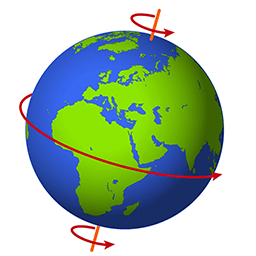
What type of motion is shown in the picture?
Rotational Motion
Rectilinear Motion
Oscillatory Motion
In Curvilinear Motion, an object moves in a _______________.
straight path
curved path
It is the device used to measure temperature.
(a)

What is the thermometer measuring in?


What is the scales pattern? What is it counting by?
1s
2s
5s

What is the temperature?


What is the scale's pattern? What is it counting by?
1s
2s
5s
10s

What is the temperature in °F?
60 °F
18 °F
14 °F
30 °F

What is the temperature in °C ?
60 °C
18 °C
14 °C
30 °C

What is the temperature in °F ?
42 °F
44 °F
6 °F
50 °F

What is the scale's pattern? What is it counting by?
1s
2s
5s
10s

What is the temperature?
26 °F
26 °C
23 °F
23 °C
Convert the given temperatures. 50 °F = (a) °C
Convert the given temperatures. 90 °F = (a) °C
Convert the given temperatures. 14 °F = (a) °C
Convert the given temperatures. 10 °F = (a) °C
Convert the given temperatures: -3 °C = (a) °F
Convert the given temperatures: 97 °F = (a) °C
Convert the given temperatures: 50 °F = (a) °C
Convert the given temperatures: 89 °F = (a) °C
Convert the given temperatures: -31 °C = (a) °F
Convert the given temperatures: 3 °C = (a) °F
What is the boiling point of water in Fahrenheit?
100°F
150°F
200°F
212°F
How do Fahrenheit degrees compare to Celsius degrees?
Larger
Smaller
The same
Twice as large
What is the freezing point of water in degrees Celsius?
0°C
32°C
100°C
212°C
At what temperature does water boil in Kelvin?
0 K
273.16 K
373.16 K
100 K
What is the main advantage of using the Kelvin scale for scientific calculations?
It is more colorful
It is easier to convert to miles
All temperatures are positive
It is used in cooking
If the temperature is 100°C, what is it in Fahrenheit?
212°F
100°F
32°F
0°F
Why is Mrs. Rishell sharing this information with you?
To illustrate the method to convert temperatures from Fahrenheit to Celsius
To illustrate the method to convert temperatures from Celsius to Fahrenheit
To show how to add temperatures
To demonstrate temperature subtraction

Which temperature scale is typically not used for scientific purposes?
Fahrenheit
Celsius
Kelvin
Centigrade
What is the absolute zero temperature in Celsius?
-273.15°C
0°C
100°C
-100°C
Which temperature scale is used primarily in the United States for everyday temperature measurements?
Rankine
Fahrenheit
Celsius
Kelvin
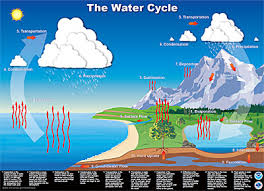
Which is NOT a phase of the water cycle?
condensation
transportation
evaporation
runoff (collection)



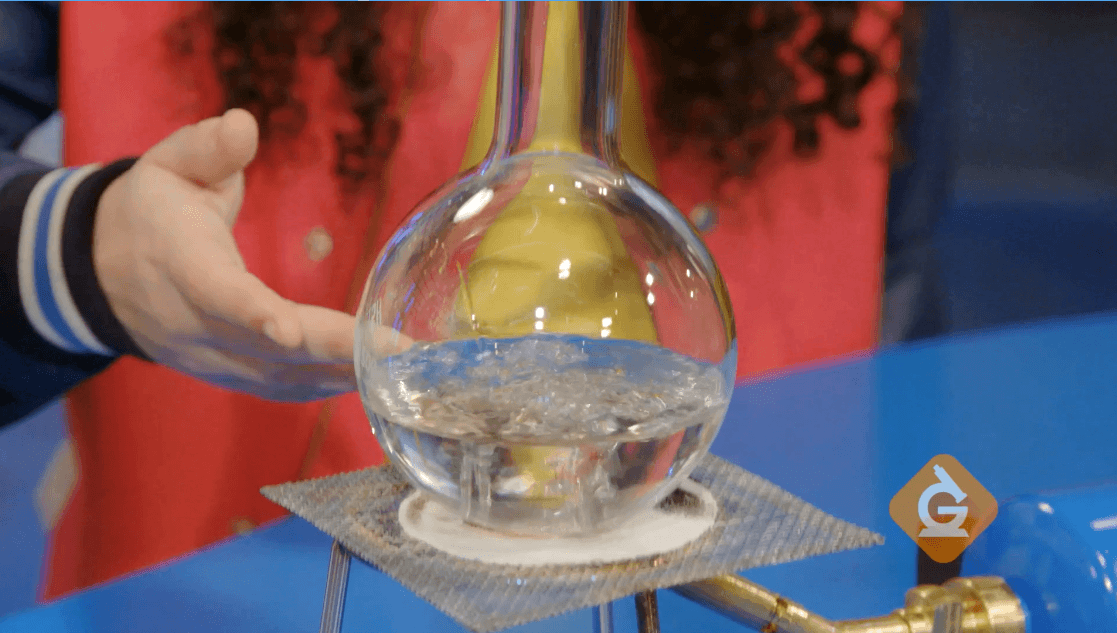

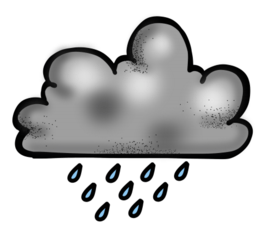
________________ changes water into water vapor.
States of matter
solid
Liquid
Condensation
If water freezes into ice, the amount of mass
gets heavier
gets lighter
stays the same
_______________ provides energy to liquid.
Evaporation
Gas
Liquid
Heat
4. Water vapor _______________________ when energy is taken away.
condenses into a liquid
freezes
evaporates
5. The particles in a _________________ are farthest apart.
liquid
solid
gas
Liquid water does not have a definite ________________.
volume
shape
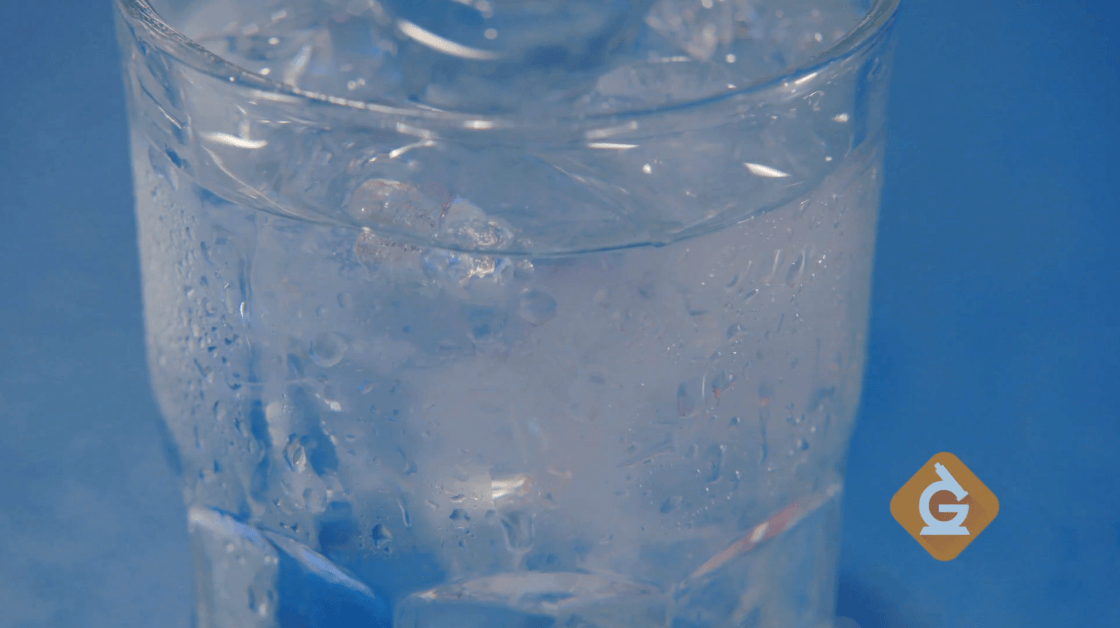
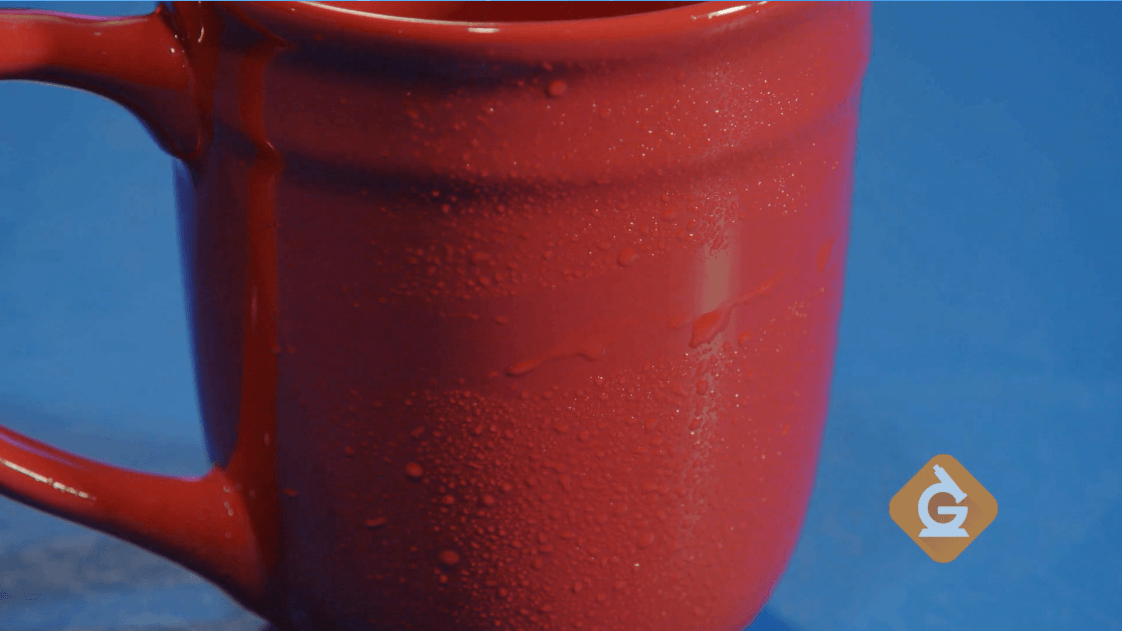
The air around ice has ______________________ in it.
heat
water vapour
gas
water's changing from a liquid to a solid is _____________________.
evaporation
gas
vapour
freezing
Adding ________________ can make ice melt.
heat
water
gas
liquid
Water changing from a liquid to a gas is called _______________.
evaporation
condensation

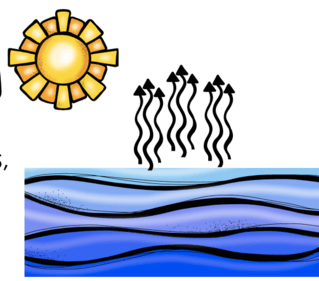
What process is happening step A?
transpiration
evaporation
condensation
accumulation

The process in which water vapor is released into the atmosphere through plants.
evaporation
transpiration
condensation
precipitation

The process by which molecules of water vapor become liquid water.
transpiration
evaporation
condensation
accumulation

In order for evaporation to occur, liquid water must change state into a ___________.
gas
solid
plasma

In order for condensation to occur, water vapor (gas) must change state into a _________.
solid
liquid
gel
What process is happening step B?
transpiration
precipitation
condensation

What step of the water cycle is happening in arrow D?
Condensation
Evaopration
Run off


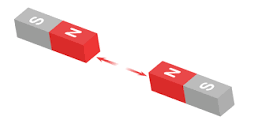
A magnet wrapped in cloth will attract paper clips.




Who discovered magnets
John Forbes
Riched
Magnes
Magnitu
Name the country in which magnet is discovered
France
German
Greece
USA
When was magnetite discovered
600 BC
Around 900 BC
Around 800 BC
Around
What is magnetite called now
Magnets
Magnes
Magnafore
Name the first magnet
Horseshoe magnet
Lodestone magnet
Bar magnet
What is an example of magnetic substance
Iron
Nickel
Cobalt
All of the above
Magnets have a shape
Cylindrical
Ball ended
Horse shoe
All of the above
When a bar magnet is brought near iron dust, most of the dust sticks
Near the middle
Equally everywhere
Near two ends
At the middle and ends
Attraction is seen between the poles of two bar magnets in the case of
N-Pole of one magnet with N-Pole of other
N-Pole of one magnet with S-Pole of other
S-Pole of one magnet with S-Pole of other
All of these cases will show attraction
When the north pole of one magnet is brought near the (a) of another magnet ,they attract each other
When the north pole of one magnet is brought close to the (a) of another magnet , they repel each other
Materials which get (a) towards magnet are known as magnetic
The ____ of magnet where maximum iron filling get clung or collected ,are called ______
(a)
Compass needle is made up of magnet
True
False
There is a maximum attraction in middle of the bar magnet
True
False

