
 Worksheets
Introduction to Stewardship
Total questions: 59
Worksheet time: 30mins
Which phrase best captures the present meaning and nature Spur of stewardship as depicted, emphasizing inner motivation and faithful service?
Heart work oriented toward God and others
Financial planning for personal prosperity
Occasional volunteering when convenient
Authority over resources without accountability
1 Peter 4:10 teaches that each person who has received a gift should use it to serve others as good stewards of God’s grace. Which implication follows from this teaching?
Gifts are entrusted for community service
Gifts prove personal spiritual superiority
Gifts should be hidden for humility’s sake
Gifts belong solely to individual owners
Which set lists the traditional domains of stewardship highlighted in Christian practice?
Ritual, relics, and relicaries
Time, talent, and treasure
Power, prestige, and popularity
Law, logic, and language
Which actions align with being a good steward of time, talent, and treasure? Select all that apply.
Sharing resources to meet community needs
Stockpiling wealth for status and control
Scheduling service to mentor younger peers
Honing skills to contribute to ministries
The phrase “good stewards of God’s varied grace” suggests what about the nature of gifts people receive?
Gifts are identical and interchangeable
Gifts are diverse and meant for service
Gifts are fixed and purely individual
Gifts are rare and for clergy only
Which outcome best reflects deeper understanding of Christian principles of stewardship?
Competitive display of spiritual abilities
Consistent, accountable care for God’s gifts
Exclusive use of resources for self-advancement
Passive acknowledgment without concrete action
Which statement best captures stewardship in this context?
Humans are responsible for the world’s care
Nature governs itself without human action
Markets alone solve environmental problems
Religious duty excludes political engagement
Which of the following are plausible political implications of stewardship?
Rejecting responsibility for future generations
Policies aligning with Christian Democracy
Indifference to ecological collapse
Integrating ethics into public policy

A youth climate appeal emphasizes that people are suffering, ecosystems are collapsing, and future generations will judge today’s choices. Which conclusion aligns with stewardship?
Take responsibility and enact urgent care
Wait for economic growth to fix issues
Prioritize short-term gains over duties
Leave solutions to private charities
Which statement best captures Stewardship Principle #1 in this lesson?
God doesn’t need your money; He owns everything
Charities own everything believers give away
The church owns everything created on earth
God needs your money to bless you more
Psalm 50:7-12 is used to emphasize which theological claim?
Only churches can forgive personal sins
God created and owns the entire universe
Humans own the earth and its riches
Charity work replaces spiritual devotion
Which is a misinterpretation of giving highlighted in the material?
Supporting both church and wider charities
Offering help without expecting any return
Giving as a response to God’s ownership
Donating to gain popularity during elections
According to the lesson, why might some people give money to the church for the wrong reason?
They misunderstand stewardship and seek forgiveness for sins
They want to decentralize charity across communities
They are encouraged to give without any expectation
They prioritize quiet service over public recognition
Steve Repak (2018) is cited to support which idea about giving?
Giving must start and end within the church
Giving shouldn’t start or end with the church
Donations should replace civic responsibilities
Tithing is unnecessary for any ministry work
Which practice aligns with selfless giving described in the lesson?
Giving without expecting anything in return
Waiting for material rewards before helping
Expecting public praise after donations
Keeping generosity private from all people
Which combination reflects recommended habits for a ‘Minister of Life’?
Appreciate creation’s beauty
Give expecting reciprocal favors
Donate a portion of income
Seek additional rewards for giving
Embrace giving as selfless
What is the main ethical warning regarding donations during election periods?
Charity events are usually illegal then
Some use church giving to gain popularity
Elections suspend all religious services
Campaigns forbid volunteering anywhere
Which statement best explains why God doesn’t need your money?
God owns everything as Creator
Charities manage all global resources
Wealth is unnecessary to practice faith
The church already has sufficient funds
Which option lists Filipino organizations that fit the lesson’s broader giving focus?
Gawad Kalinga
Bantay Bata 163
Kapwa Ko Mahal Ko
United Nations Headquarters
World Vision Philippines
Select the items that are NOT encouraged as motives for giving in this lesson.
Appreciating God’s creation
Seeking forgiveness by donation
Gaining popularity and influence
Expressing gratitude for blessings
Helping ministries and charities
Which action best demonstrates appreciation of God’s creation as taught here?
Limiting service only to church staff
Replacing prayer with public donations
Caring for environments and communities
Ignoring nature to focus on rituals
What balance of giving is encouraged in the material?
Direct all funds only to personal needs
Give only when benefits are guaranteed
Avoid structured donations entirely
Support the church and wider charities

Which description matches the bannered word in the volunteer illustration?
The word emphasizes private contemplation
The word invites active community service
The word discourages secular involvement
The word demands mandatory tithing levels
A student donates monthly, avoids praise, and helps a local NGO. Which principle does this behavior illustrate?
Transactional giving for recognition
Selfless stewardship acknowledging God’s ownership
Exclusive loyalty to church institutions
Obligatory tithing for guaranteed blessings
Which statement best captures the core of Stewardship Principle #2?
Communities should avoid involvement with private assets
Humans steward God’s resources for His purposes
Profit is the highest aim of land management
Humans hold permanent ownership over all property
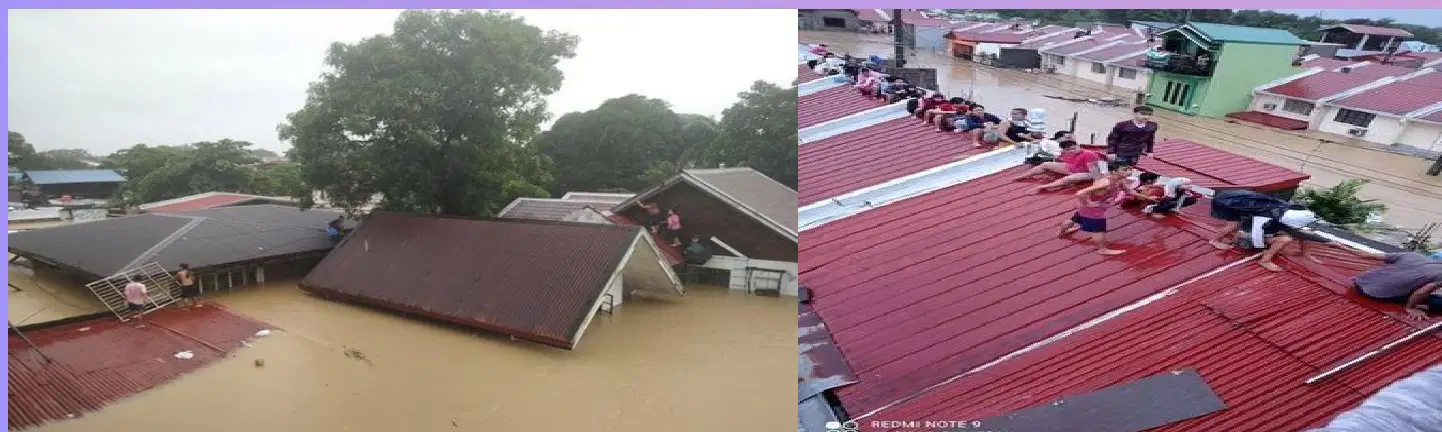
A landowner plans a project that maximizes profit but increases flooding risk for nearby homes. Which stewardship perspective is most appropriate?
Assume legal titles justify any land use
Prioritize profit despite community concerns
Delay action and ignore environmental data
Assess community impact and adjust the project
Which practices align with the idea that ownership is temporary and entrusted by God?
Cultivating land to bless the wider community
Using property only for short‑term personal gain
Managing resources to glorify God’s creation
Treating legal deeds as absolute lifetime control
Genesis 1:28–29 is cited to support which claim about human responsibility?
Humans may consume creation without limits
Humans are called to cultivate and manage creation
Humans must avoid all changes to the environment
Humans should privatize and fence off resources
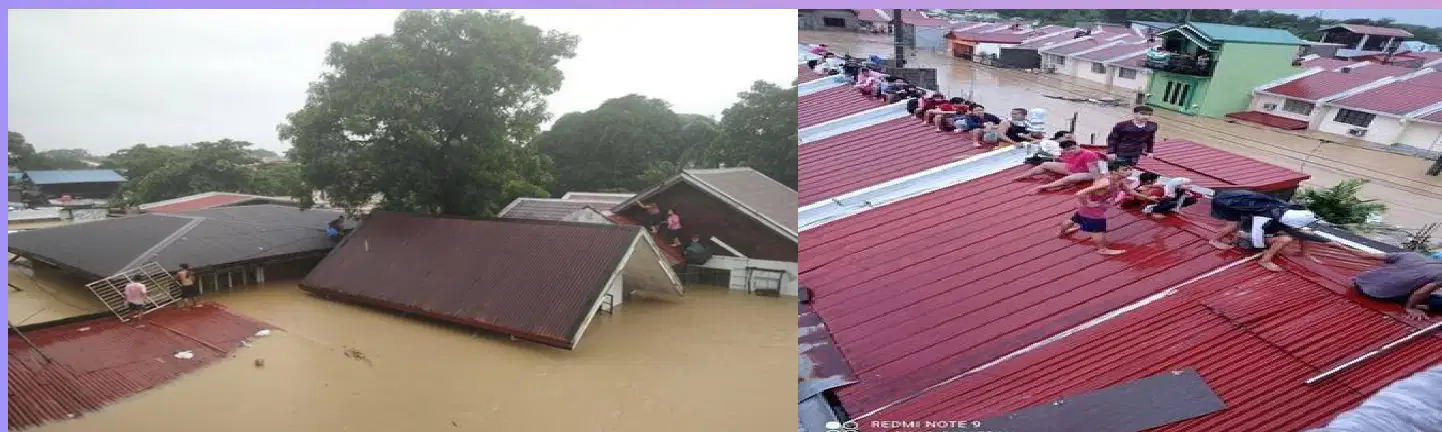
Which scenario reflects neglect of the broader impact on society mentioned in the lesson?
Building on wetlands to cut costs quickly
Designing housing with green infrastructure
Funding public parks from land profits
Holding town meetings before development
Select the statements that fit the role of a steward as a minister of life.
Recognize creation’s beauty and give glory to God
Assume absolute ownership for an entire lifetime
Manage resources with a greater purpose beyond self
View community well‑being as secondary to revenue

St. Thérèse of Lisieux’s reflection on the sea most directly illustrates which idea from the material?
The sea symbolizes permanent human ownership
Childhood memories are unreliable indicators
Nature’s majesty can reveal God’s power
Waves demonstrate purely economic value
Which pair correctly matches misconception and correction in this unit?
Legal deeds guarantee unrestricted control — stewardship is temporary
Community impact matters — profit should always dominate
Beauty of creation is irrelevant — titles define sacred duty
Genesis teaches avoidance of management — absolute ownership is vital
Which statement best captures Principle #3 about God as Provider?
Provision comes only through human effort alone
God supplies needs while we obey and trust
God guarantees wealth regardless of behavior
Needs are met randomly without moral purpose
Which belief is labeled a false assumption in the material?
God provides but expects responsible action
Provision includes challenges for lazy stewards
God will provide even if I do nothing
The Creator sustains and invites our obedience
Matthew 7:7–8 is used to emphasize which dynamic of faith?
Rejecting requests to avoid disappointment
Earning grace through flawless works
Waiting silently for outcomes alone
Ask, seek, knock paired with action
Which pair best contrasts blind faith with faith in action?
Passive entitlement versus engaged petition
Emotional worship versus intellectual study
Silent meditation versus loud proclamation
Private devotion versus public charity
As a minister of life, which practice aligns with multiplying God’s blessings?
Discarding possessions to prove detachment
Expecting miracles without any effort
Avoiding plans to remain spiritually free
Responsibly managing what is provided
Which counsel is explicitly given regarding miracles and God’s plan?
Avoid action to show perfect trust
Miracles replace planning and prudence
Miracles are automatic for believers
Do not expect miracles without acting
What hope does Jeremiah 29:11 communicate?
Approval of any plan chosen without prayer
A warning that plans are unknowable always
A promise of instant riches for everyone
Plans to prosper with hope and a future
In the farming analogy, what is required of stewards before harvest?
Hard work preparing and cultivating soil
Waiting for rain without preparing land
Planting seeds without tending the field
Relying on sunlight alone for growth
Which set lists the raw materials God provides in creation for plant growth?
Fertilizer, machinery, and laborers
Soil, water, and sunlight together
Pesticides, plastic, and diesel
Wind, fire, and precious metals
Which statement best captures Principle #4 about offerings?
Offerings replace the need for personal obedience
Offerings primarily impress other believers socially
Offerings are needed to meet God's material needs
Offerings are meant to boost our faith in God
In 2 Corinthians 9:6-11, the sowing and reaping metaphor most directly encourages what practice?
Withholding gifts until personal needs end
Generous giving that reflects trusting faith
Public gifts for reputation enhancement
Exact tithes without relational trust
Faith by obedience, as presented, means what?
Trusting God and acting as stewards by giving back
Believing quietly without changing daily choices
Waiting for blessings without taking initiative
Outperforming others to earn divine approval
Which pair aligns with the idea that offerings should build faith and others?
Seasonal gifts and selective compassion
Mandatory dues and strict record keeping
Private accumulation and self-preservation
Cheerful generosity and service to people
Which attitudes characterize a lazy steward?
Distrust in the Creator’s provision
Unwillingness to work for a healthy harvest
Active planning for future reserves
Eagerness for prosperity without effort
As minister-stewards of life, reserving part of the crop for another year exemplifies what?
A substitute for giving and obedience
Fear-driven hoarding without generosity
Doubt that God can provide tomorrow
Faith in action through prudent stewardship
Which practice is recommended as an antidote to lazy stewardship?
Study strategies that increase crop production
Wait passively for miraculous abundance
Focus only on spiritual matters, not farming
Give less to conserve personal resources
Learning which vegetables grow best in cold, warm, or rainy seasons primarily demonstrates what principle?
Rejecting faith by relying on human skill
Prioritizing yield over spiritual formation
Applying wisdom to multiply entrusted resources
Avoiding work by limiting planting seasons
Starting hydroponic gardening in this context most closely represents which idea?
Innovative stewardship that pairs effort with trust
Replacing prayer with technology and control
Rejecting traditional practices without reason
Pursuing profit as the sole farming purpose
Which statements align with the teaching on giving back part of our productive time and efforts?
Obedience expresses love and strengthens faith
Work and learning cooperate with trusting God
Laziness secures prosperity better than discipline
Generosity aims to build both faith and others
Which statement best summarizes Stewardship Principle #5 about material things and eternal dividends?
Material things vanish but can be invested eternally
Material things are sinful and must be rejected
Heavenly rewards come from securing earthly status
Eternal rewards depend on accumulating possessions
According to the principle of an intelligent steward, what is the primary responsibility regarding resources?
Preserve assets to avoid any financial risk
Maximize personal wealth for temporary comfort
Distribute goods equally regardless of purpose
Manage God’s provisional resources for eternal glory
Which pair of ideas reflects the contrast emphasized by this teaching?
Emotional well-being versus physical fitness programs
Religious rituals versus secular governance systems
Temporary material things versus eternal dividends in heaven
Private property rights versus communal ownership models
Which choices align with investing temporal resources in things of perpetual value?
Clinging tightly to sensible possessions
Supporting works that advance God’s glory
Using wealth solely for personal luxury
Prioritizing compassion-driven ministries
What warning is drawn from the observation that things are temporary?
The more we cling to possessions, the faster they disappear
Holding more assets guarantees long-term security
We should never use money for any earthly needs
Material goods are inherently immoral by nature
Which interpretation best fits Matthew 6:19-21 within this lesson?
Avoid giving because loss is inevitable
Accumulate treasures on earth for influence
Seek status now; eternity will sort itself
Store treasures in heaven where they endure
How does Proverbs 23:4-5 inform the approach to wealth in this framework?
Pursue riches because they prove favor
Do not wear yourself out to get rich
Ignore wisdom and follow your desires
Hoard wealth since it guarantees peace
Which scenario best depicts managing resources as a minister of life?
Leveraging debt to acquire more status goods
Trading luxuries to outshine peers socially
Funding initiatives that point people to God’s glory
Expanding storage for rarely used possessions

