


9th Grade Cellular Respiration Presentations
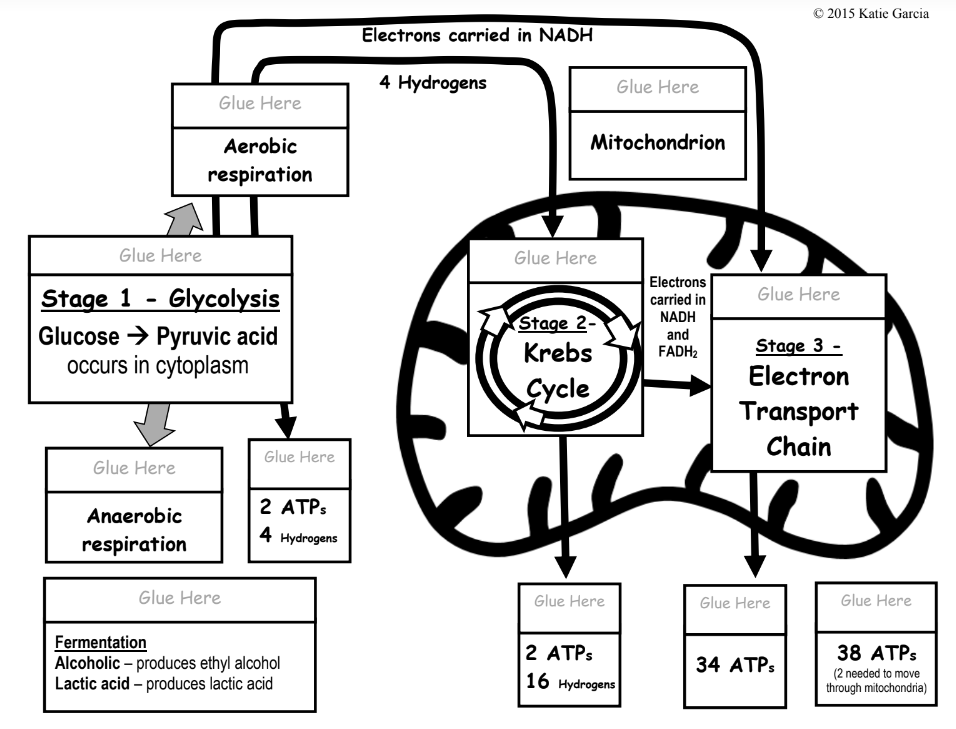
This Grade 9 Biology presentation explains the essential concepts of cellular respiration through structured lesson slides and visual learning materials. Students will explore how cells break down glucose to produce ATP energy, examining the key processes and chemical reactions involved in this vital biological function.

22 questions
Aerobic Cellular Respiration

Presentation
•
9th - 12th Grade

22 questions
Cell Respiration Lesson
Presentation
•
9th - 12th Grade
19 questions
Cellular Respiration Activity
Presentation
•
9th - 12th Grade

15 questions
photosynthesis and cellular respiration
Presentation
•
9th - 12th Grade

66 questions
Photosynthesis and Cellular Respiration interactive slides
Presentation
•
9th - 12th Grade

47 questions
Photosynthesis/Cellular Respiration
Presentation
•
9th - 12th Grade
35 questions
Photosynthesis vs Cellular Respiration
Presentation
•
9th - 12th Grade
13 questions
8.1.2 Photosynthesis and Cellular Respiration
Presentation
•
7th Grade
Browse by grade
Explore 9th Grade Cellular Respiration Presentations
Cellular respiration presentations for Grade 9 students provide comprehensive visual learning experiences that break down the complex biochemical processes occurring within living cells. These structured instruction resources available through Wayground help students understand the three main stages of cellular respiration—glycolysis, the Krebs cycle, and the electron transport chain—through detailed concept explanation and scientific diagrams. The presentations develop critical thinking skills as students learn to analyze how glucose molecules are systematically broken down to produce ATP, the energy currency of cells, while also examining the roles of oxygen and carbon dioxide in aerobic respiration and comparing these processes to anaerobic respiration and fermentation. Wayground's extensive collection draws from millions of teacher-created presentations that educators can easily discover through robust search and filtering capabilities, allowing them to locate resources specifically aligned with Grade 9 biology standards and cellular respiration learning objectives. Teachers benefit from comprehensive differentiation tools that enable them to customize presentations for diverse learning needs, adjusting complexity levels and pacing to support both struggling students requiring remediation and advanced learners seeking enrichment opportunities. The platform's flexible digital delivery formats allow educators to seamlessly integrate these visual learning resources into their lesson planning, whether for introducing fundamental concepts, reinforcing key biochemical pathways, or providing targeted skill development that helps students master the intricate connections between cellular structure and metabolic function.

Accessibility
Features
Wayground Super
School & District
Wayground for Business
Create a quiz
Create a presentation
Wayground AI
Subjects
Mathematics
Social Studies
Science
Physics
Chemistry
Biology
About
Our Story
Wayground Blog
Media Kit
Careers
Support
F.A.Q.
Help & Support
Privacy Policy
Terms of Service
Teacher Resources
2026 Wayground


Get our app

