- Resource Library
- Science
- Biology
- Photosynthesis And Cellular Respiration
- Photosynthesis And Cellular Respiration Interactive Slides
Photosynthesis and Cellular Respiration interactive slides
Presentation
•
Science
•
9th - 12th Grade
•
Practice Problem
•
Easy
+4
Standards-aligned
Pamela Molfetto
Used 1+ times
FREE Resource
30 Slides • 36 Questions
1
2
Hotspot
Select the site of Cellular Respiration.
3
Hotspot
Locate carbon dioxide on the diagram.
4
Dropdown
5
Multiple Choice
6
Multiple Choice
7
Multiple Choice
In order to make most of the ATP, both the Krebs Cycle and Electron Transport Chain occur in the ________________.
Chloroplast
Cytoplasm
Mitochondria
Nucleus
8
Multiple Choice
During CELLULAR RESPIRATION,
Glucose is converted into energy
Glucose is converted into cellulose
Glucose is converted into sunlight
Glucose is stored
9
Fill in the Blank
10
11
Multiple Choice
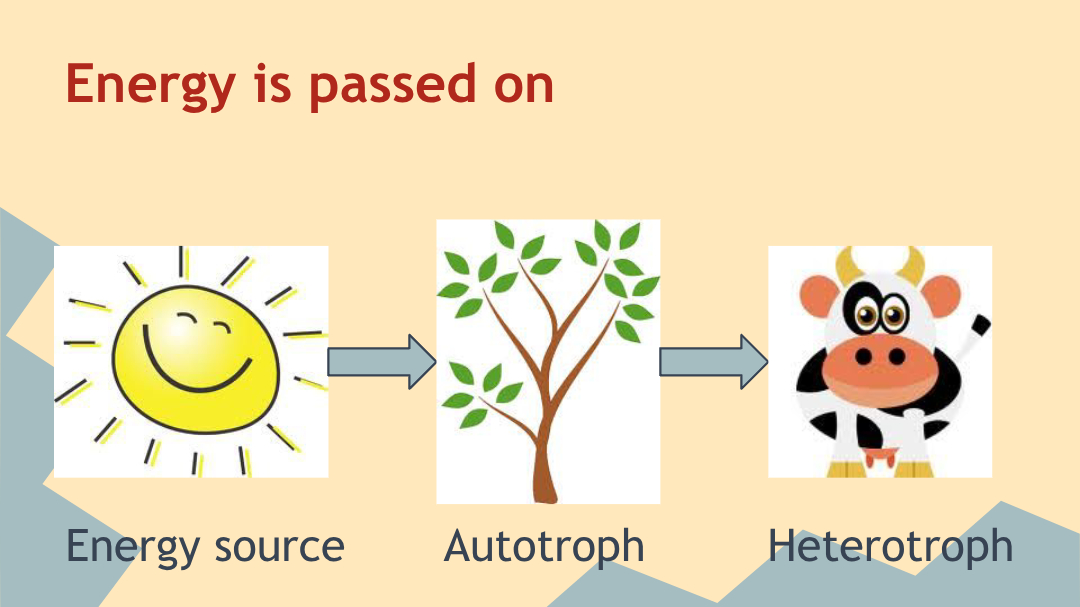
Which of the following best describes the role of autotrophs in the flow of energy in an ecosystem?
They produce their own food using sunlight and provide energy for other organisms.
They consume only plants to obtain energy.
They break down dead organisms to recycle nutrients.
They store energy in the form of fat for long periods.
12
Open Ended
Why is the transfer of energy from the sun to plants and then to animals essential for life on Earth?
13
14
Multiple Choice
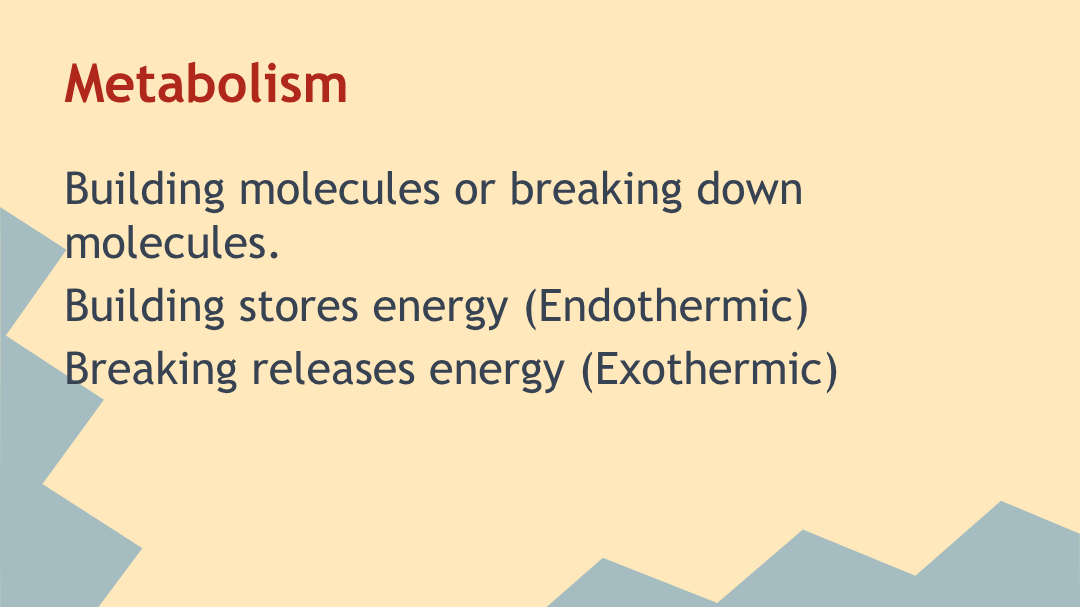
Which process in metabolism stores energy, and which releases energy?
Building molecules stores energy, breaking molecules releases energy
Breaking molecules stores energy, building molecules releases energy
Both building and breaking molecules store energy
Both building and breaking molecules release energy
15
16
Multiple Choice
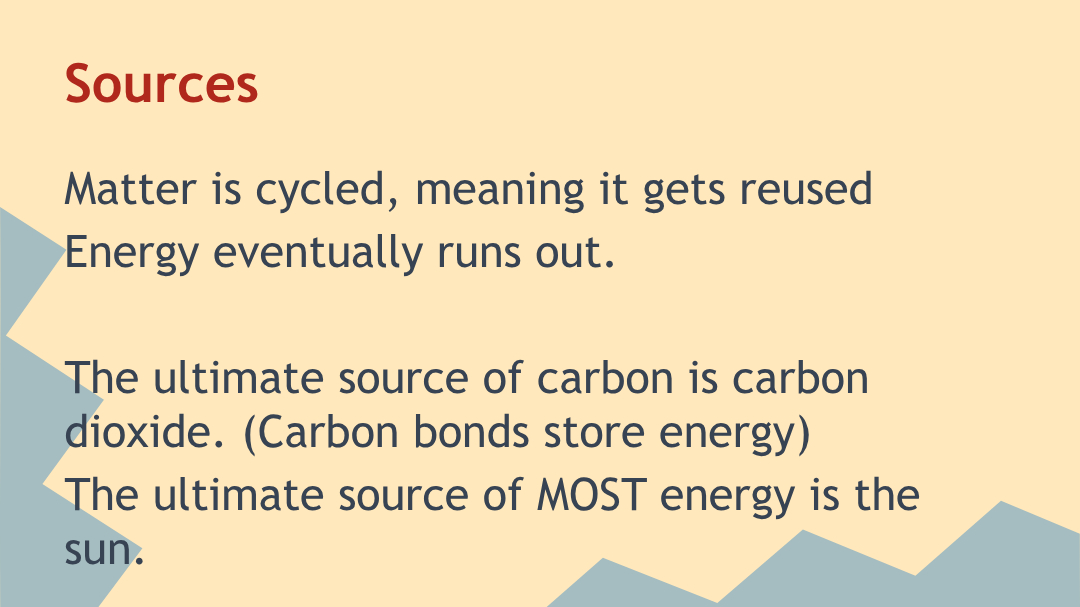
Which of the following are ultimate sources of energy and carbon for living organisms?
Sun and carbon dioxide
Water and oxygen
Nitrogen and glucose
Heat and methane
17
Open Ended
Explain how the cycling of matter and the flow of energy differ in ecosystems.
18
19
Fill in the Blank
Type answer...
20
21
22
Open Ended
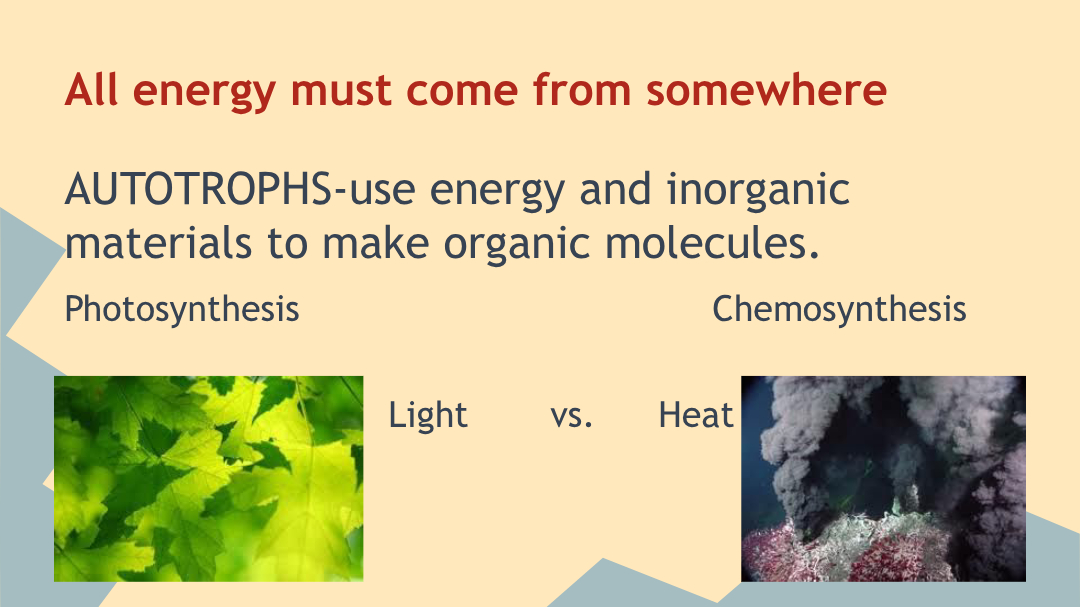
Compare the roles of autotrophs and heterotrophs in an ecosystem in terms of energy acquisition and usage.
23
24
Multiple Select
Which of the following are types of consumers in an ecosystem?
Herbivores
Carnivores
Omnivores
Producers
25
26
Multiple Choice
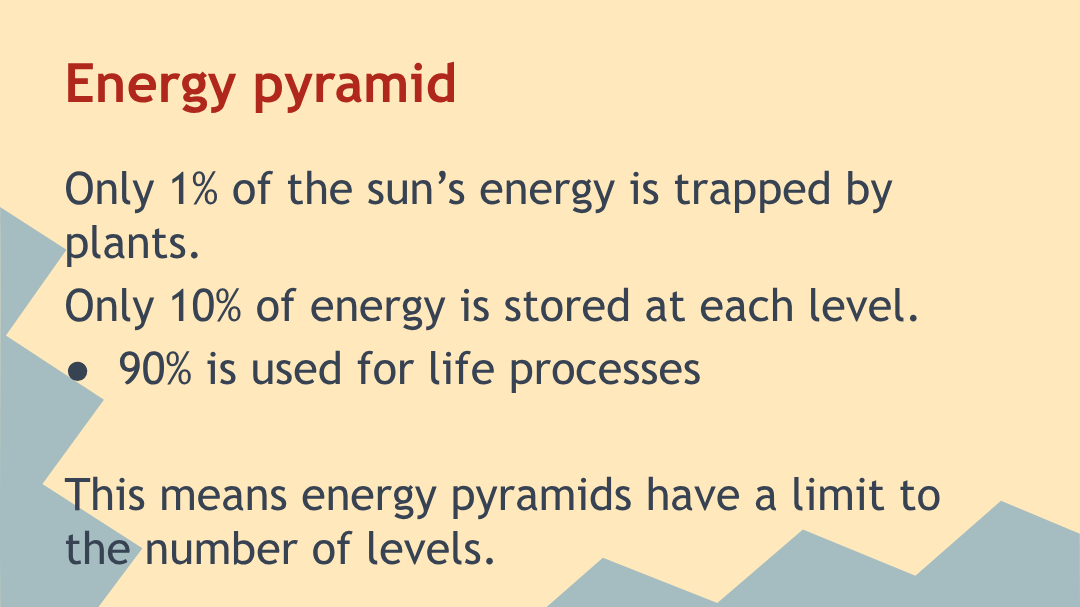
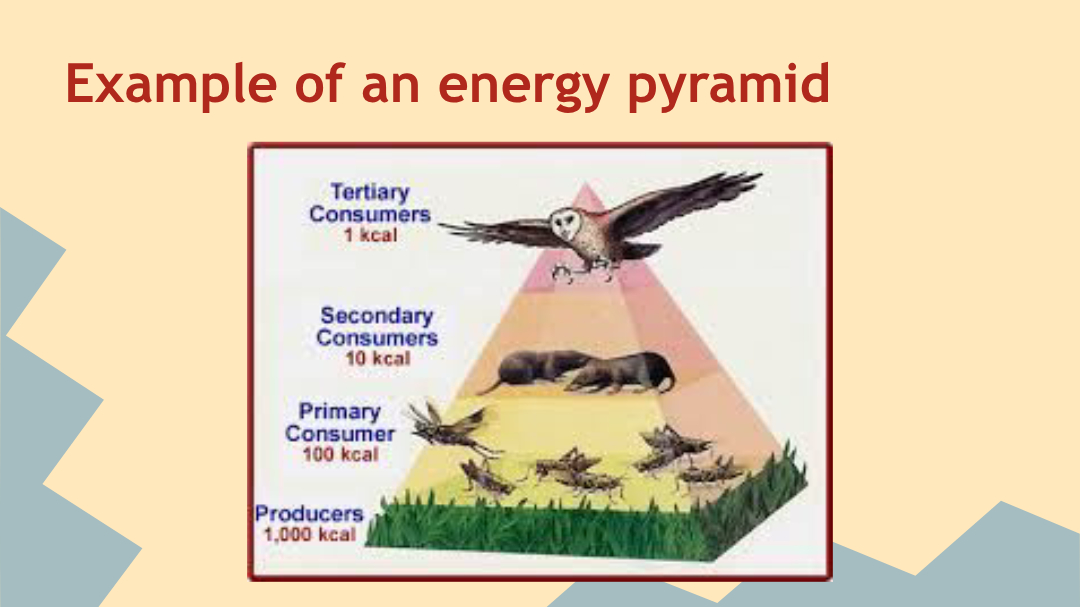
Why do energy pyramids have a limit to the number of levels?
Because energy is lost as heat at each level
Because there are not enough organisms
Because energy is created at each level
Because producers have unlimited energy
27
28
Multiple Choice
Which of the following best represents the flow of energy in an energy pyramid as shown in the example?
From tertiary consumers to producers
From producers to tertiary consumers
From secondary consumers to primary consumers
From tertiary consumers to secondary consumers
29
30
31
Fill in the Blank
Type answer...
32
Open Ended
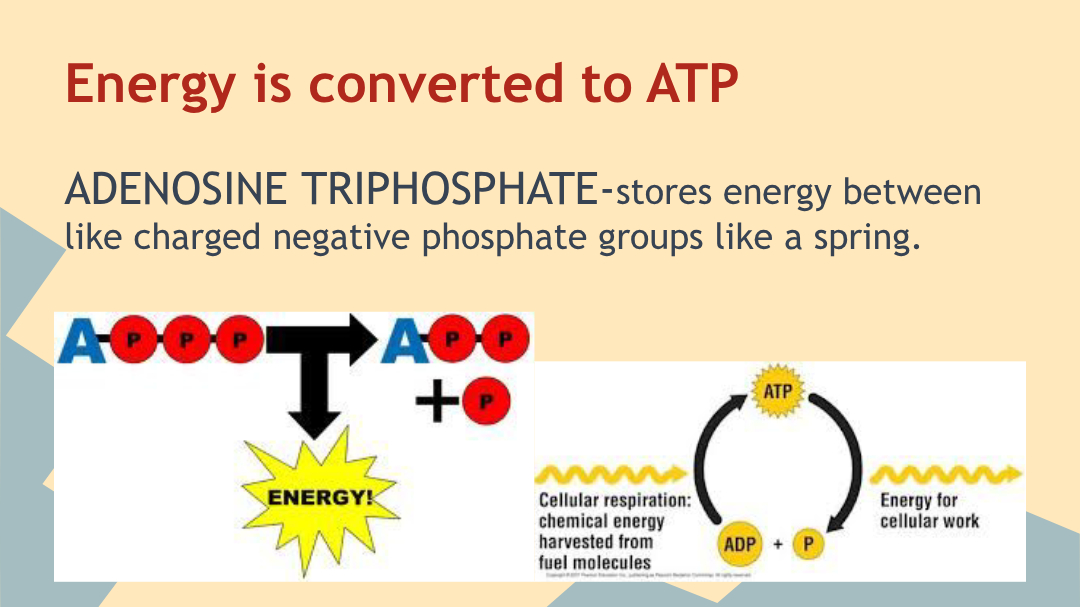
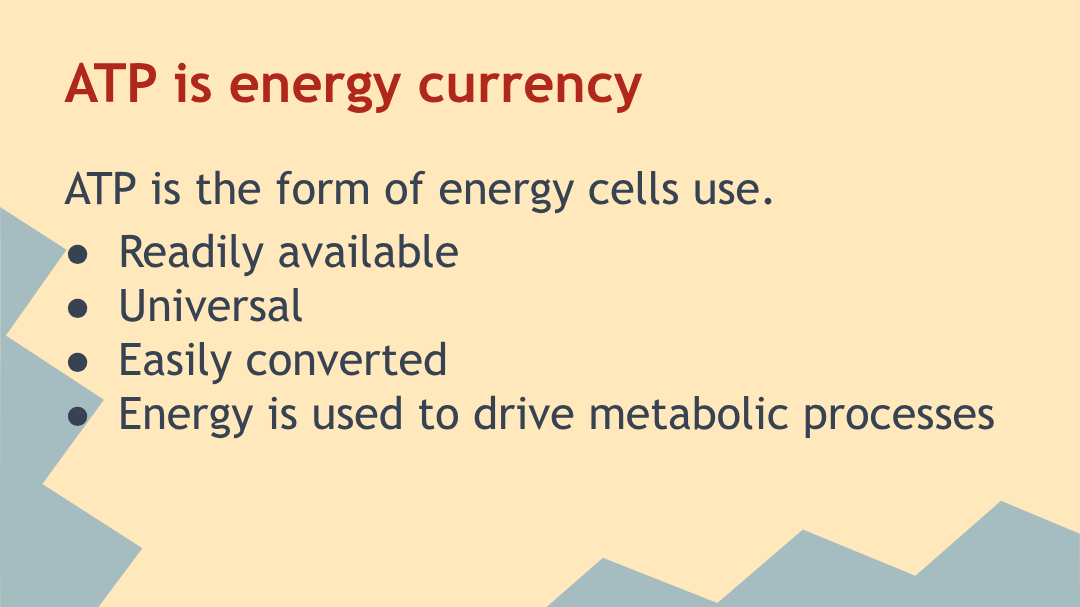
Explain how energy is stored and released in ATP, and why ATP is important for cellular processes.
33
34
Open Ended
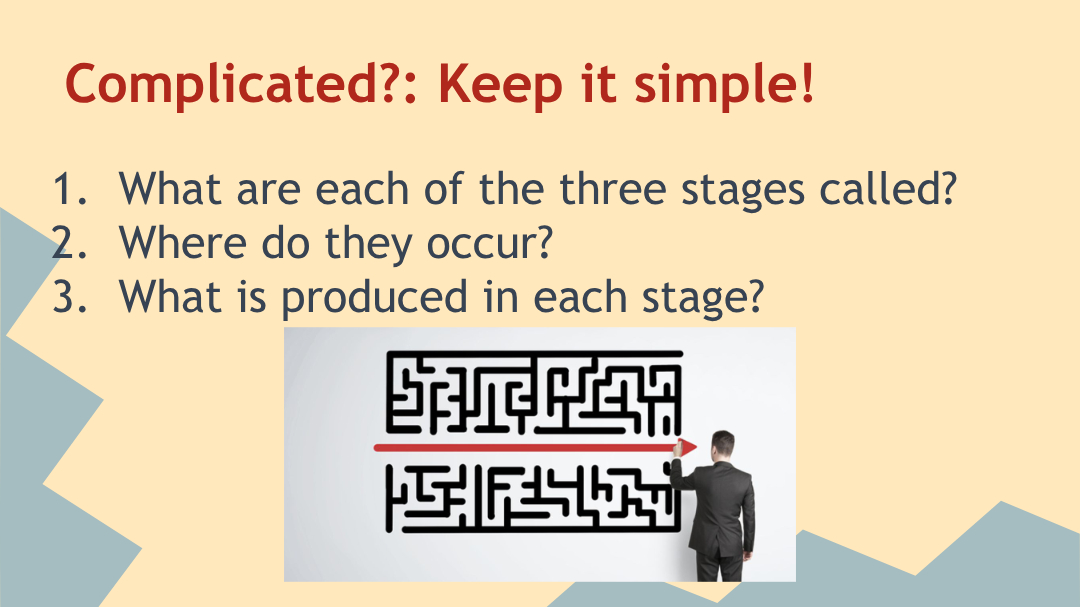
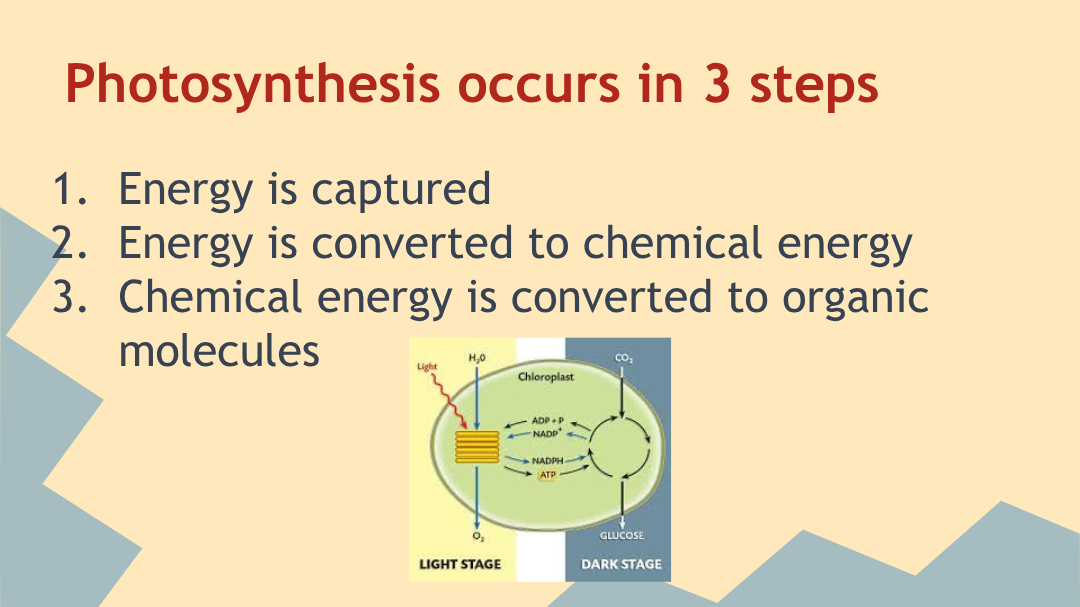
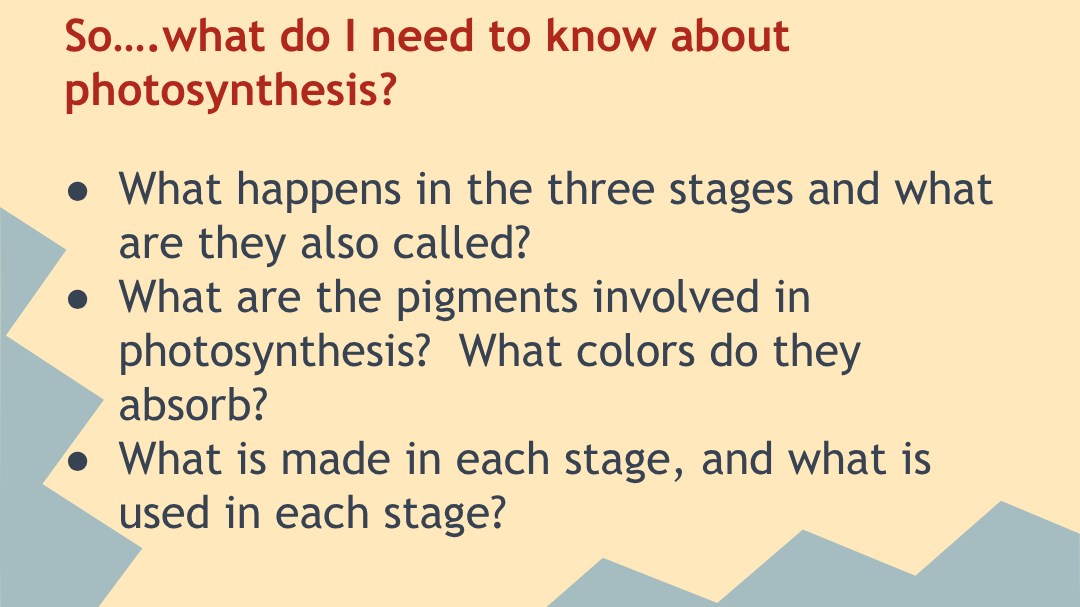
What are each of the three stages called? Where do they occur? What is produced in each stage?
35
36
Multiple Choice
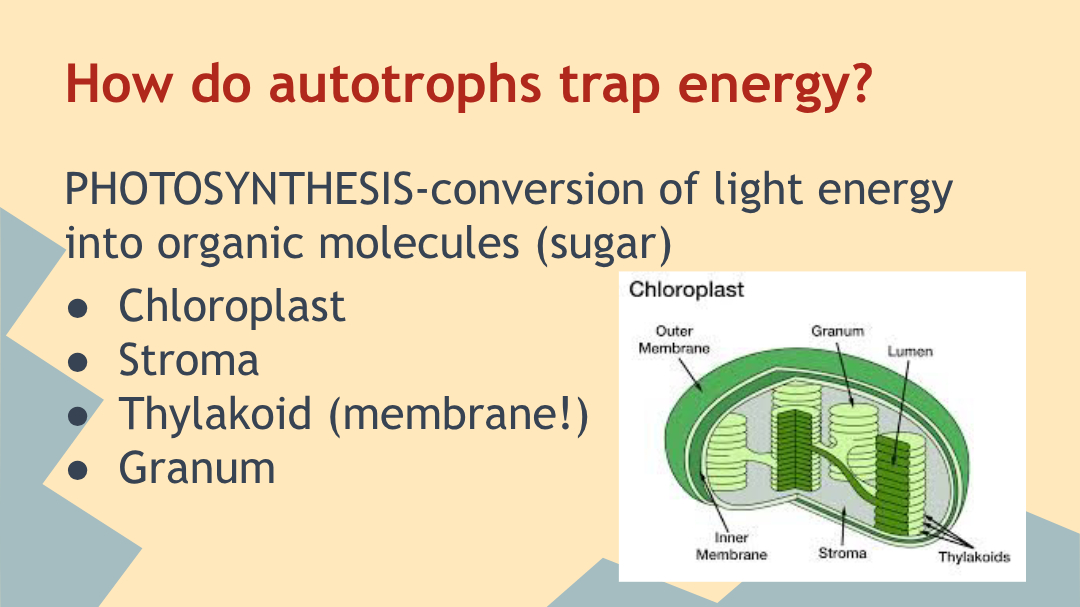
Which structures are involved in the process of photosynthesis in autotrophs?
Chloroplast, Stroma, Thylakoid, Granum
Mitochondria, Cytoplasm, Nucleus, Ribosome
Cell wall, Plasma membrane, Vacuole, Lysosome
Golgi apparatus, Endoplasmic reticulum, Peroxisome, Centriole
37
38
Multiple Choice
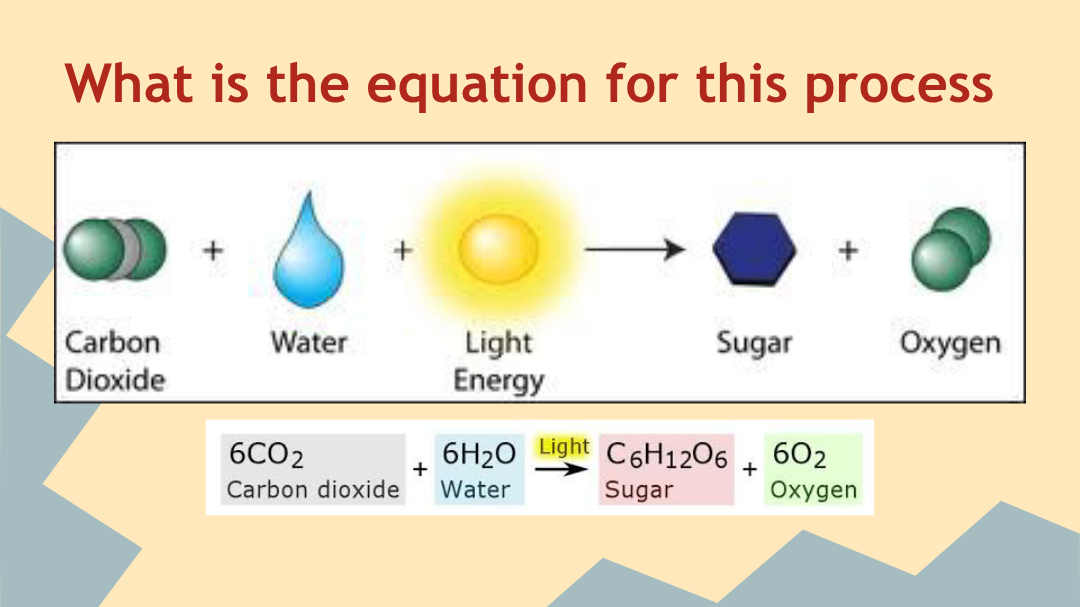
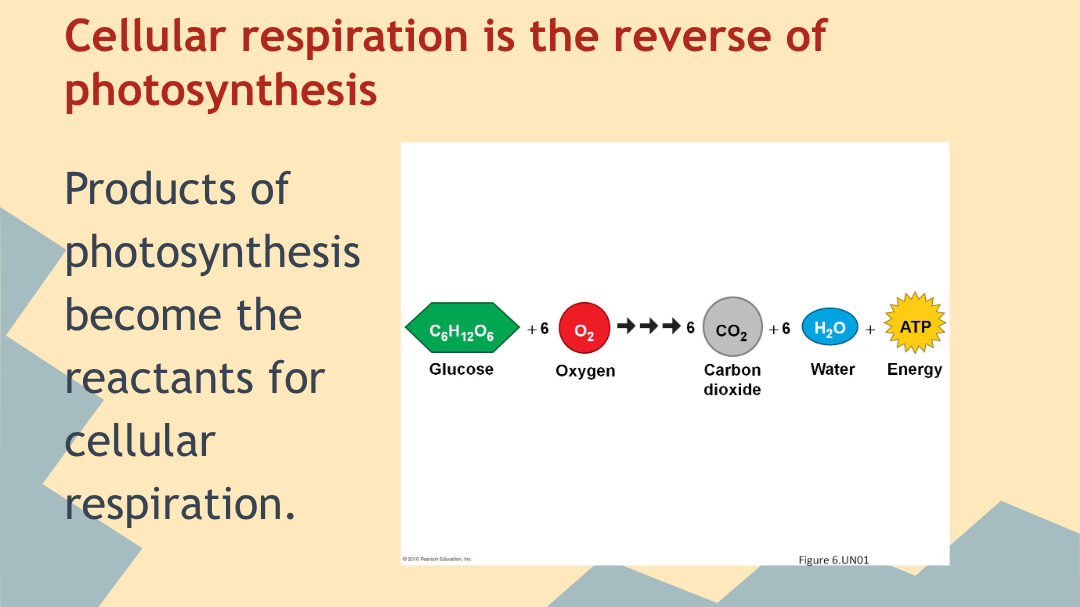
What is the equation for the process shown in the diagram?
6CO2 + 6H2O + Light → C6H12O6 + 6O2
C6H12O6 + 6O2 → 6CO2 + 6H2O + Light
6CO2 + 6O2 + Light → C6H12O6 + 6H2O
C6H12O6 + 6H2O → 6CO2 + 6O2 + Light
39
40
41
42
Multiple Choice
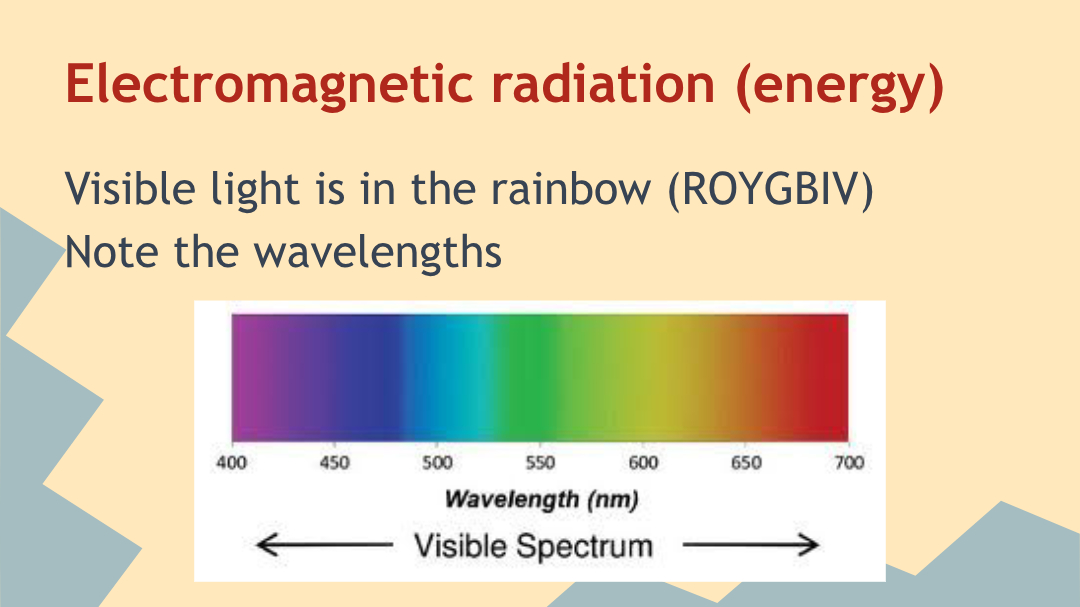
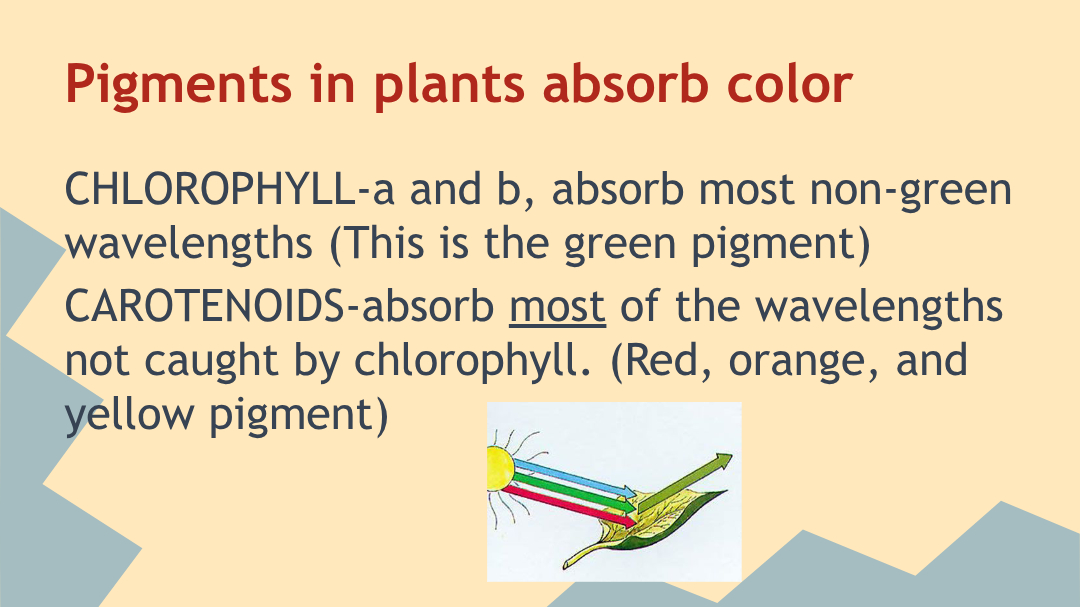
Which of the following statements about chlorophyll and carotenoids is correct?
Chlorophyll absorbs most non-green wavelengths, while carotenoids absorb wavelengths not caught by chlorophyll.
Chlorophyll absorbs all wavelengths, while carotenoids reflect all wavelengths.
Carotenoids absorb green wavelengths, while chlorophyll absorbs red and blue.
Chlorophyll and carotenoids both absorb only green wavelengths.
43
Open Ended
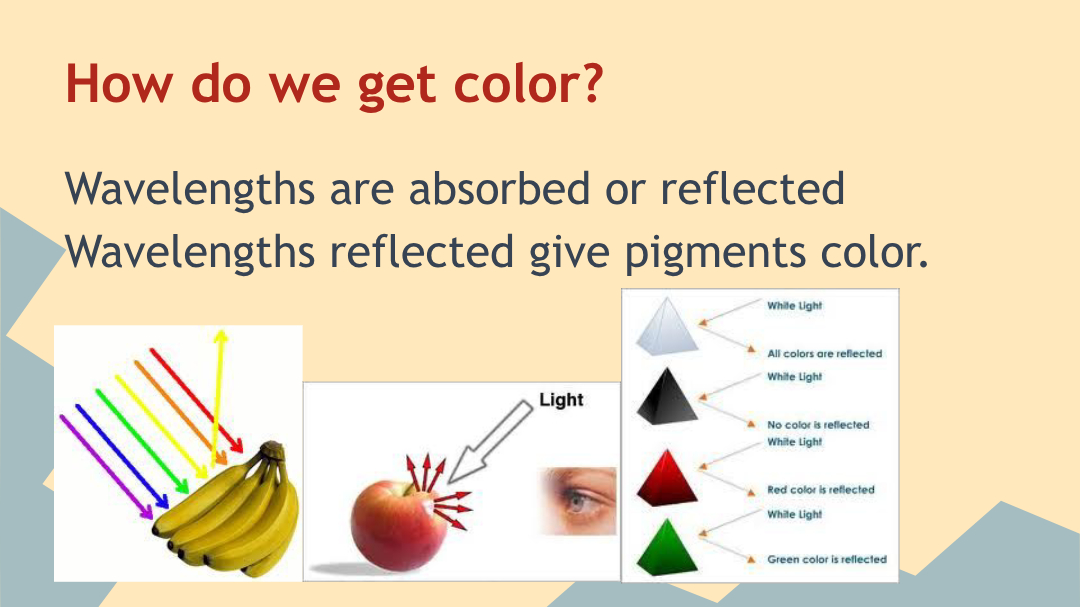
Explain how pigments in plants absorb and reflect different wavelengths of light to produce color.
44
45
Fill in the Blank
Type answer...
46
47
Multiple Choice
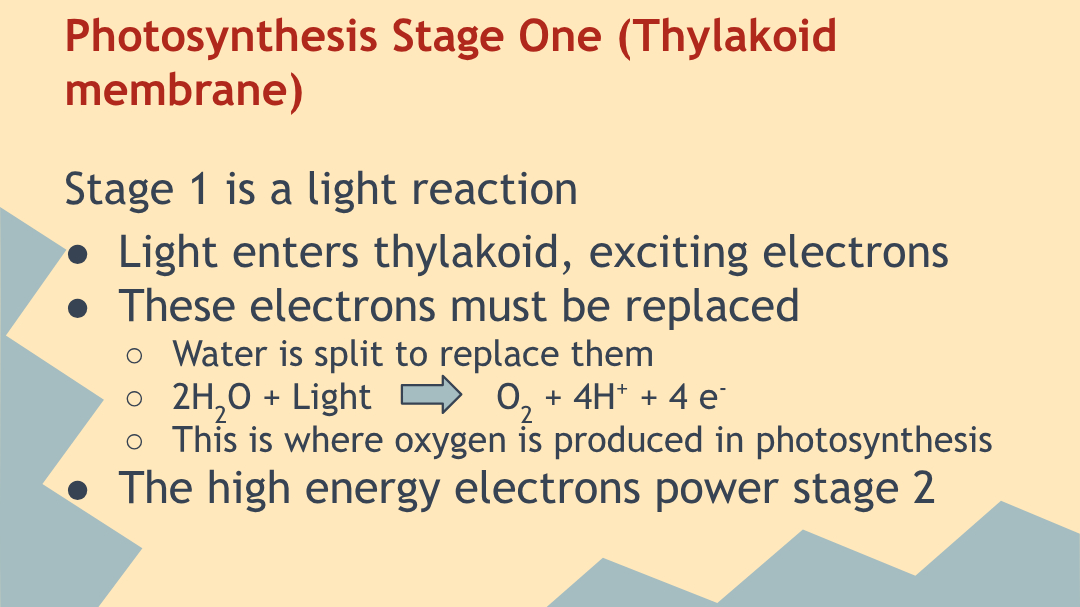
Which of the following are products of the light-dependent reactions in photosynthesis?
Oxygen, ATP, NADPH
Glucose, Oxygen, ATP
Carbon dioxide, Water, Glucose
NADPH, Glucose, Oxygen
48
Open Ended
Describe the role of light in the first stage of photosynthesis and what happens to water molecules during this stage.
49
50
Multiple Choice
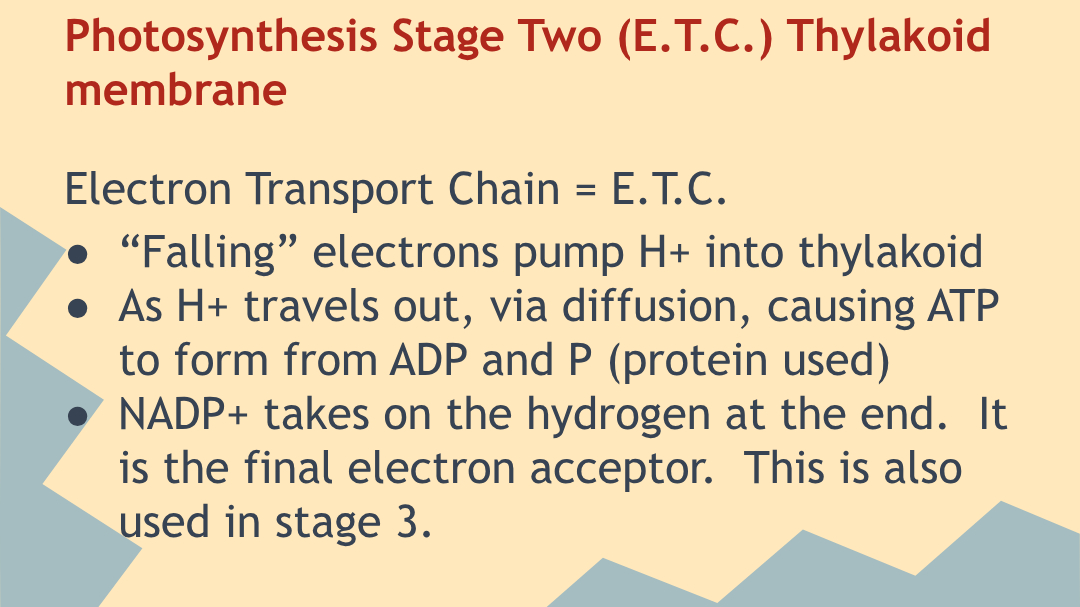
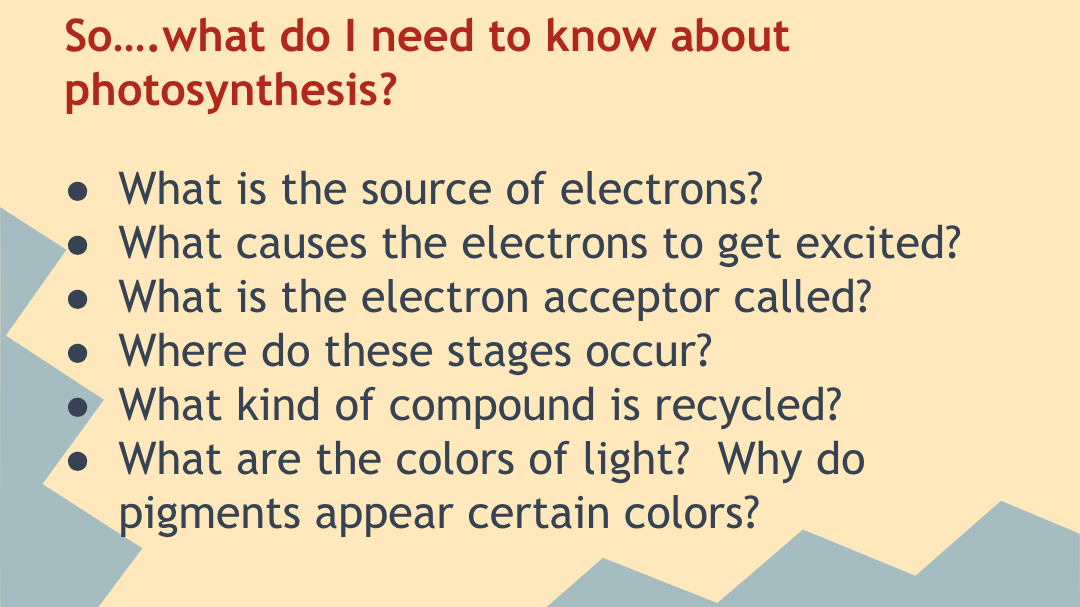
Which molecule acts as the final electron acceptor in the electron transport chain during photosynthesis?
NADP+
ATP
ADP
CO2
51
52
Open Ended
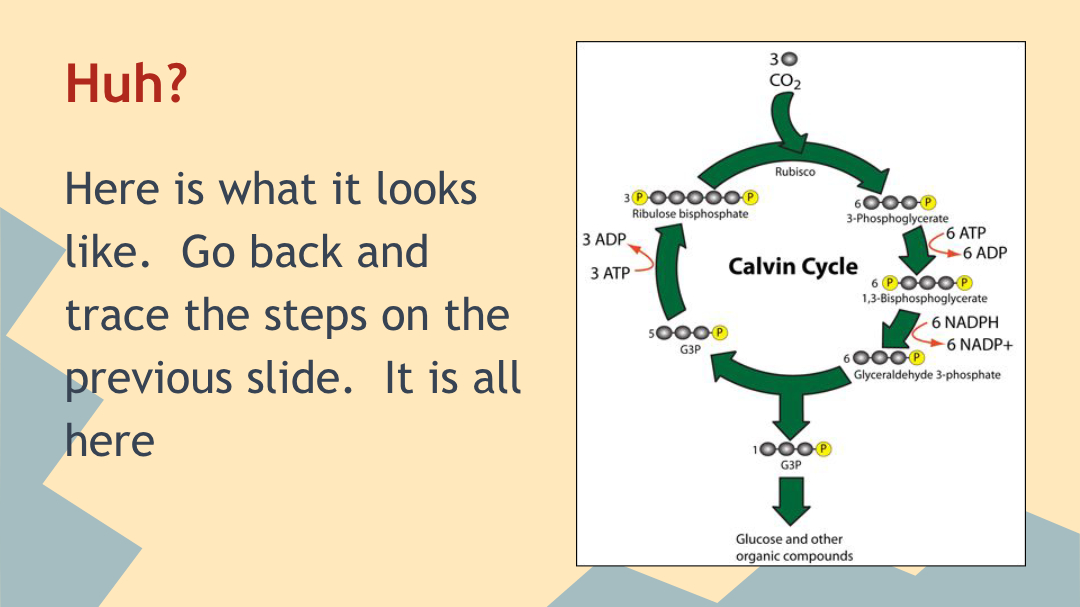
Describe the main events that occur during the Calvin Cycle in photosynthesis.
53
54
Multiple Select
Which of the following are products of the Calvin Cycle?
Glucose
Oxygen
ATP
G3P
55
56
Open Ended
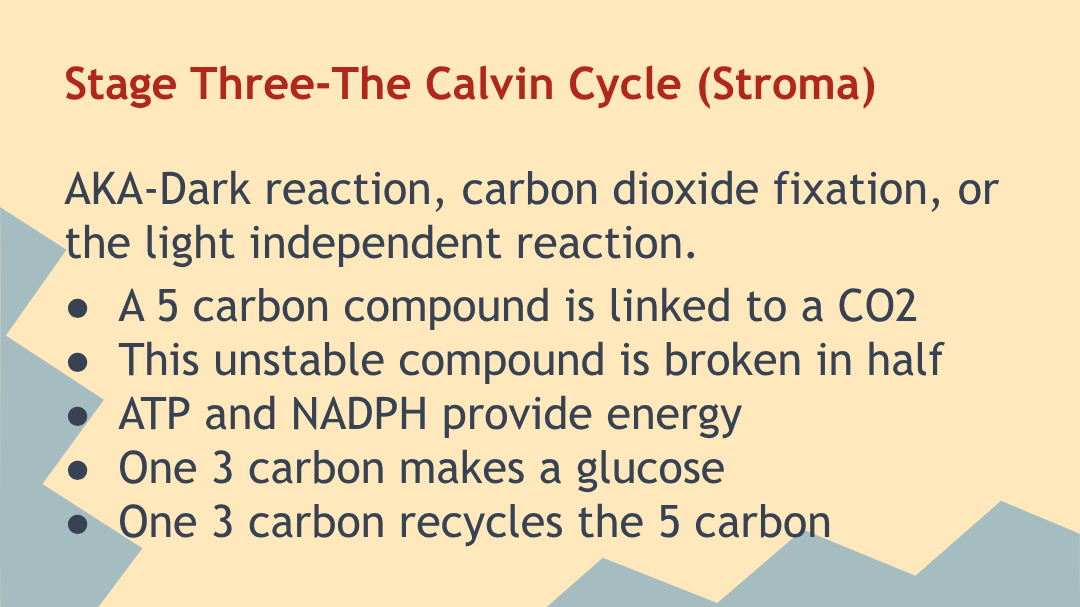
What happens in the three stages of photosynthesis and what are they also called?
57
58
Fill in the Blank
Type answer...
59
60
Multiple Select
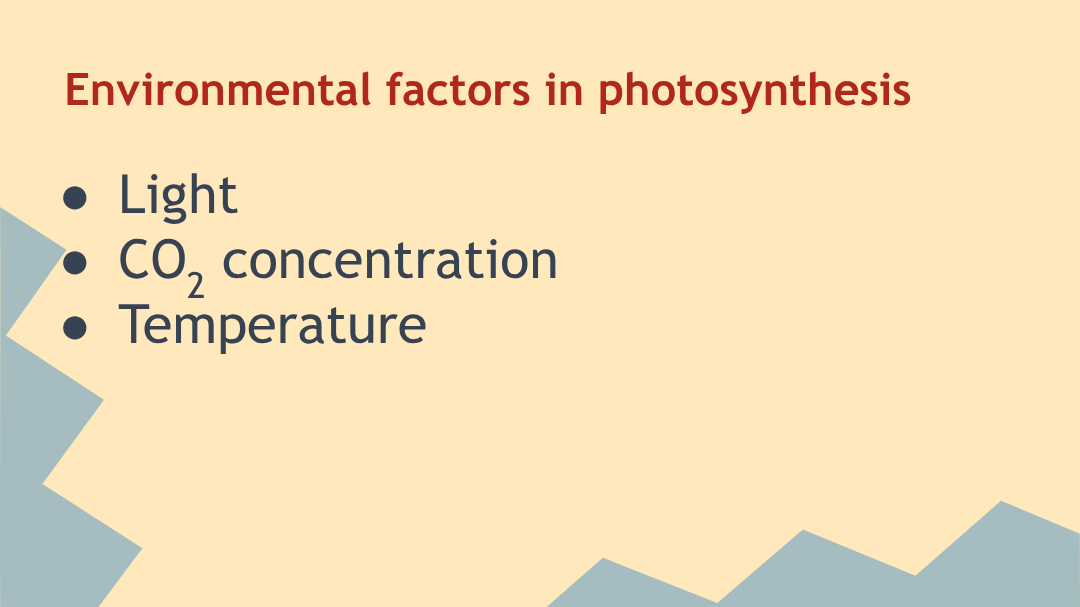
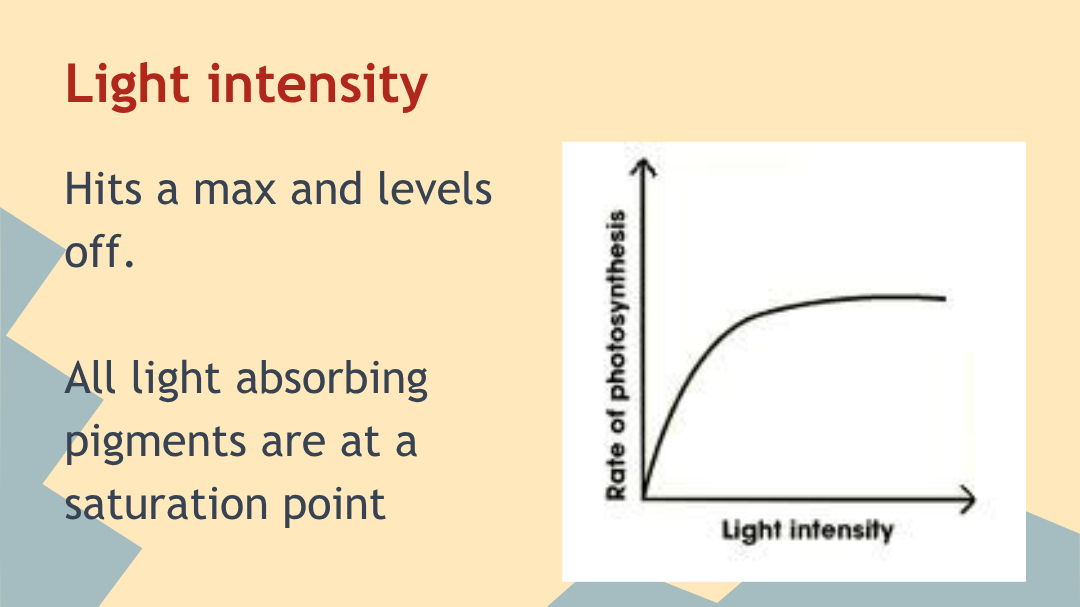
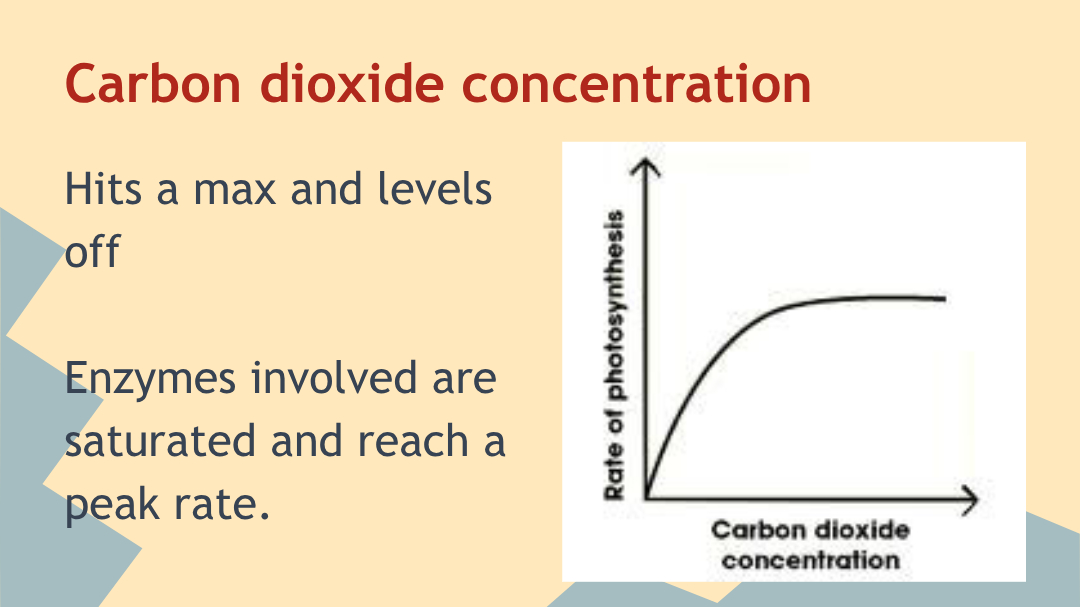
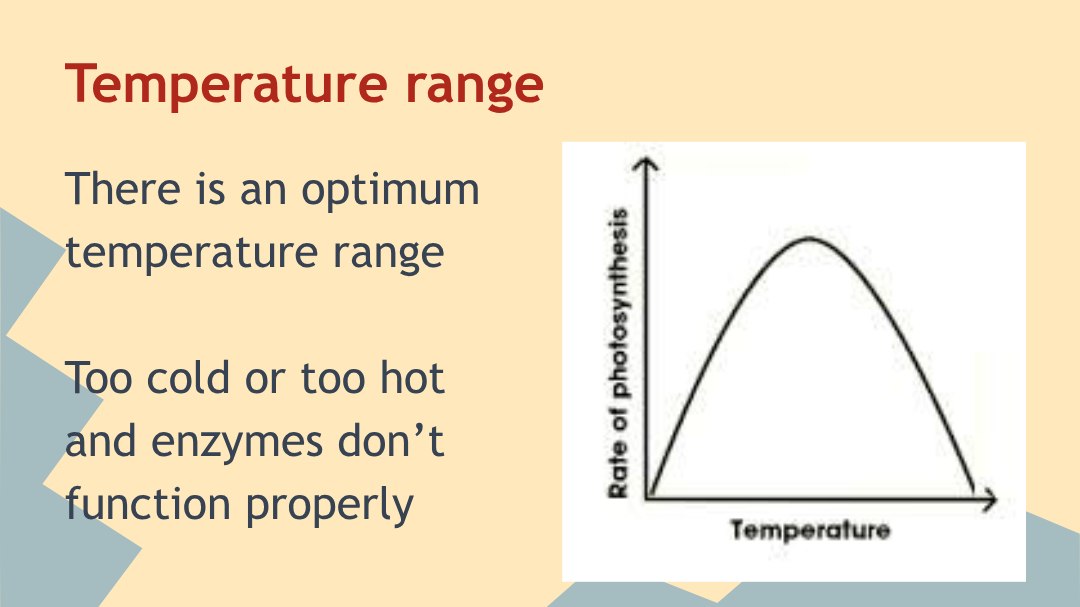
Which environmental factors can affect the rate of photosynthesis?
Light
CO2 concentration
Temperature
Humidity
61
62
63
64
65
Open Ended
What questions do you still have about how photosynthesis and cellular respiration are related as reverse processes?
66
Multiple Choice
How is energy transferred from the sun to animals in an ecosystem?
Through the process of photosynthesis by autotrophs and then consumed by heterotrophs
Directly from the sun to animals
Through water absorption
By wind movement
Show answer
Auto Play
Slide 1 / 66
SLIDE

Similar Resources on Wayground
64 questions
Unit 11 Waves & Electromagnetic Spectrum
Presentation
•
9th - 12th Grade
58 questions
Large Animal Species Breeds and Products
Presentation
•
9th - 12th Grade
64 questions
Nervous System
Presentation
•
9th - 12th Grade
60 questions
HBS Lesson
Presentation
•
9th Grade - University
60 questions
Introduction to Human Body
Presentation
•
9th Grade - University
61 questions
Plate Tectonic Review/Practice
Presentation
•
9th - 12th Grade
59 questions
Intro to the 4 Body Tissues
Presentation
•
9th - 12th Grade
Popular Resources on Wayground
10 questions
5.P.1.3 Distance/Time Graphs
Quiz
•
5th Grade
10 questions
Fire Drill
Quiz
•
2nd - 5th Grade
20 questions
Equivalent Fractions
Quiz
•
3rd Grade
22 questions
School Wide Vocab Group 1 Master
Quiz
•
6th - 8th Grade
20 questions
Main Idea and Details
Quiz
•
5th Grade
20 questions
Context Clues
Quiz
•
6th Grade
20 questions
Inferences
Quiz
•
4th Grade
12 questions
What makes Nebraska's government unique?
Quiz
•
4th - 5th Grade
Discover more resources for Science
10 questions
Exploring the Layers of the Earth
Interactive video
•
6th - 10th Grade
25 questions
Naming Ionic and Covalent Compounds
Quiz
•
9th Grade
20 questions
Balancing Chemical Equations
Quiz
•
9th Grade
15 questions
Protein synthesis
Quiz
•
9th Grade
20 questions
Human Impact on the Environment Review #2
Quiz
•
9th Grade
20 questions
Newton's Laws of Motion
Quiz
•
9th Grade
20 questions
Mendelian Genetics Review
Quiz
•
9th Grade
16 questions
Balancing Chemical Equations and Types of Reactions
Quiz
•
9th - 10th Grade