


Covalent Formulas Quizzes
Test your knowledge of covalent formulas with this interactive science quiz designed to assess your understanding of molecular compounds and their chemical representations. Practice identifying and writing covalent formulas through self-paced questions with instant feedback to strengthen your chemistry skills.

22 questions
Practice Naming and Writing Covalent Compounds

Quiz
•
9th - 12th Grade

20 questions
Writing Covalent Formulas
Quiz
•
9th - 12th Grade

21 questions
ICP 6.3.1: Writing Chemical Formulas
Quiz
•
9th - 12th Grade

10 questions
Covalent Bonds
Quiz
•
9th - 10th Grade
22 questions
Physical Science Ionic & Covalent Bond Quest
Quiz
•
9th - 12th Grade

20 questions
HW: Covalent Bonds & Bonding Diagrams
Quiz
•
9th - 12th Grade
15 questions
Ionic & Covalent Naming
Quiz
•
9th - 12th Grade
20 questions
Ionic and Covalent Bonds Review
Quiz
•
9th - 12th Grade
17 questions
Ionic & Covalent Compounds
Quiz
•
9th Grade
23 questions
Chemical Bonding
Quiz
•
10th Grade
22 questions
PS Unit 3a: Chemical Bonding (Fall 24)
Quiz
•
9th Grade
13 questions
Covalent Bonds Test Review
Quiz
•
9th Grade
Browse by grade
Explore Covalent Formulas Quizzes
Covalent formulas represent a fundamental concept in chemical bonding that requires students to understand how atoms share electrons to form stable molecular compounds. Science quizzes focused on covalent formulas provide essential assessment opportunities for students to demonstrate their understanding of molecular structure, electron sharing patterns, and the relationship between atomic composition and chemical formulas. These practice questions challenge learners to apply their knowledge of valence electrons, bonding capacity, and molecular geometry while receiving immediate feedback on their comprehension of how covalent compounds are represented through chemical notation. Through targeted assessment activities, students develop critical skills in predicting molecular formulas, interpreting Lewis structures, and understanding the fundamental principles that govern covalent bonding in various chemical compounds. Wayground's comprehensive quiz collection empowers science teachers with access to millions of teacher-created resources specifically designed to reinforce student understanding of covalent formulas and related chemical bonding concepts. The platform's robust search and filtering capabilities enable educators to quickly locate standards-aligned materials that match their specific curriculum requirements and student proficiency levels. Teachers can customize existing quizzes or create original assessments with differentiation tools that accommodate diverse learning needs, while flexible digital delivery formats support both classroom instruction and independent student practice. These extensive capabilities facilitate comprehensive lesson planning, targeted remediation for struggling learners, and enrichment opportunities for advanced students, ensuring that all learners can strengthen their mastery of covalent formula concepts through engaging, interactive assessment experiences.
FAQs
How do I teach students to write covalent formulas?
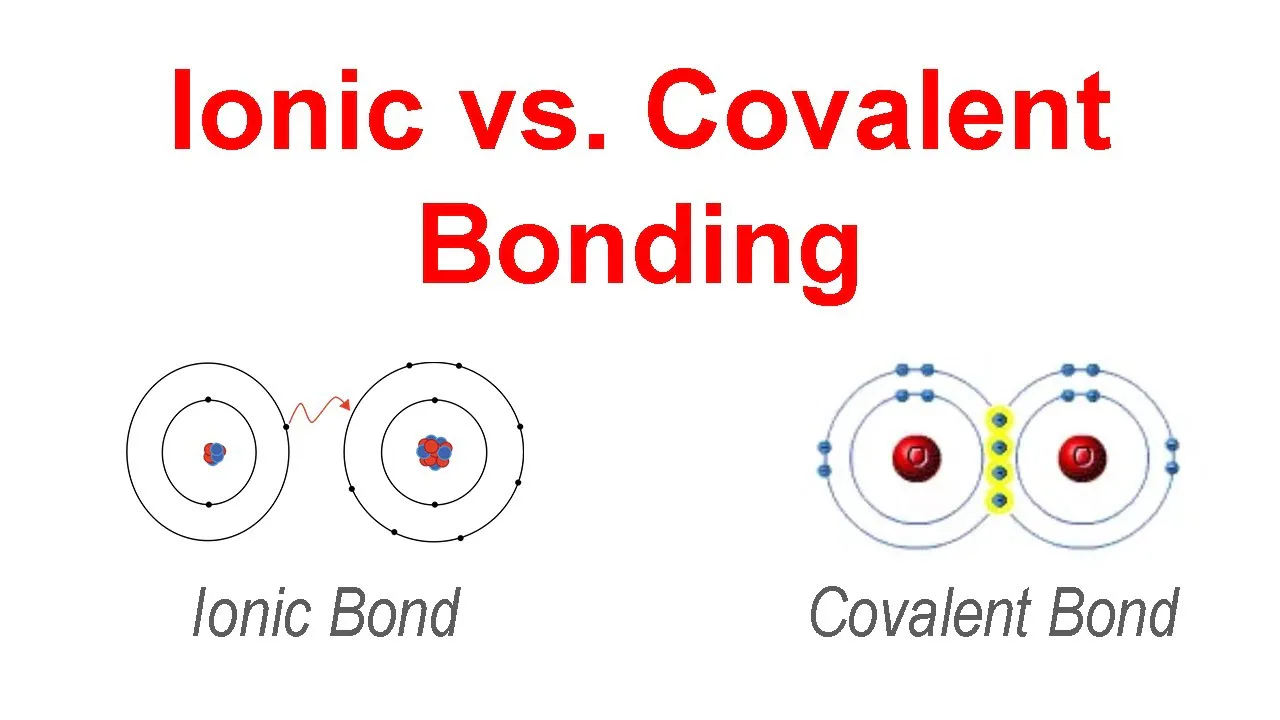
Start by ensuring students understand that covalent bonds form when two nonmetals share electrons rather than transfer them. Introduce diatomic molecules first, then progress to binary covalent compounds using systematic naming prefixes (mono-, di-, tri-, etc.) so students can translate between names and formulas. Once students are confident with binary compounds, move to polyatomic and simple organic structures. Reinforcing the connection between Lewis structures and molecular formulas helps students understand why the formula looks the way it does, not just how to write it.
What practice exercises help students get better at writing covalent compound formulas?
Effective practice should move students from recognition to production: start with matching molecular names to their formulas, then have students write formulas independently from names, and finally ask them to interpret unfamiliar formulas they haven't seen before. Including diatomic molecules, binary nonmetal compounds, and simple polyatomic structures in the same practice set builds flexible thinking. Repeated low-stakes practice writing and naming compounds using prefix conventions is the most reliable way to build fluency.
What mistakes do students commonly make when writing covalent formulas?
The most common error is confusing ionic and covalent naming rules — students will often drop prefixes or apply charge-balancing logic that only applies to ionic compounds. A second frequent mistake is misreading prefixes, for example writing N2O4 instead of NO2 when given 'nitrogen dioxide.' Students also commonly forget that 'mono-' is omitted for the first element but required for the second (e.g., carbon monoxide, not monocarbon monoxide). Explicitly contrasting ionic and covalent naming side-by-side can help students avoid cross-contamination between the two systems.
How do I use Wayground's covalent formulas quizzes in my chemistry class?
Wayground's covalent formulas quizzes are available as printable PDFs for traditional classroom use and in digital formats for technology-integrated environments, giving you flexibility for in-class practice, homework, or test prep. You can also host any quiz as a live or self-paced quiz directly on Wayground, which makes it easy to collect student responses and review class-wide performance. Answer keys are included with every quiz, so they work equally well for independent practice or teacher-led review.
How do I differentiate covalent formula practice for students at different skill levels?
For students who are still building foundational skills, reduce cognitive load by limiting practice sets to binary covalent compounds with common prefixes before introducing polyatomic or organic structures. Advanced learners can be challenged with unfamiliar compound names that require applying prefix rules without prior exposure. On Wayground, teachers can apply accommodations such as reduced answer choices or read-aloud support to individual students without affecting the experience for the rest of the class, which makes it practical to differentiate within a single assignment.
When should students learn covalent formulas relative to other chemistry bonding topics?
Covalent formulas are typically introduced after students have a working understanding of ionic bonding and the periodic table's nonmetal region, since the distinction between electron sharing and electron transfer is central to the concept. Teaching ionic formulas first gives students a useful contrast — they arrive at covalent naming already knowing what the rules are not, which makes prefix-based naming easier to anchor. Most chemistry curricula place covalent formula writing in the same unit as Lewis structures and molecular geometry.

Accessibility
Features
Wayground Super
School & District
Wayground for Business
Create a quiz
Create a presentation
Wayground AI
Subjects
Mathematics
Social Studies
Science
Physics
Chemistry
Biology
About
Our Story
Wayground Blog
Media Kit
Careers
Support
F.A.Q.
Help & Support
Privacy Policy
Terms of Service
Teacher Resources
2026 Wayground


Get our app

