


Genetics Vocabulary Genotype and Phenotype Presentations
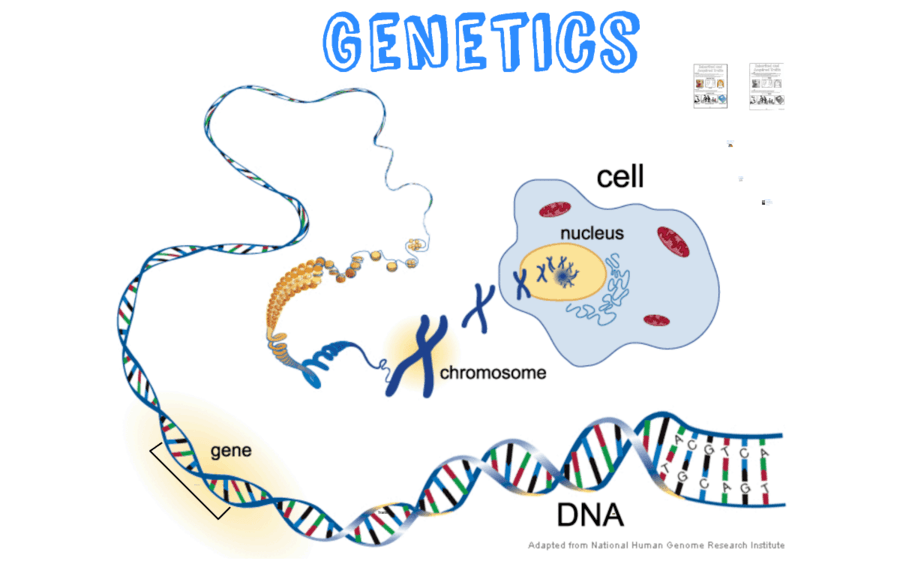
Master the fundamental concepts of genetics vocabulary with this comprehensive presentation that explains the key differences between genotype and phenotype. These structured lesson slides provide visual learning tools to help students understand how genetic makeup relates to observable traits in living organisms.

27 questions
Genotypes and Phenotypes

Presentation
•
7th Grade

7 questions
Genetics/Heredity Practice
Presentation
•
8th Grade

20 questions
Genetics Vocabulary
Presentation
•
7th Grade

21 questions
Genetics
Presentation
•
10th Grade
64 questions
Genetics
Presentation
•
6th - 8th Grade

20 questions
Genetics Practice Problems
Presentation
•
9th - 11th Grade
22 questions
Genetics Day 3: DiHybrid Crosses
Presentation
•
9th - 12th Grade
21 questions
Genetics Review
Presentation
•
7th Grade
18 questions
Genetics
Presentation
•
6th - 8th Grade
14 questions
Genetic Vocabulary
Presentation
•
9th - 12th Grade
20 questions
Genetics and Punnett Squares
Presentation
•
6th - 8th Grade
17 questions
Genetics Punnett Squares
Presentation
•
6th - 8th Grade
Browse by grade
Explore Genetics Vocabulary Genotype and Phenotype Presentations
Genetics vocabulary focusing on genotype and phenotype forms the cornerstone of heredity education, and Wayground's presentation collection delivers comprehensive concept explanation through structured instruction and visual learning approaches. These educational presentations break down complex genetic terminology into digestible segments, helping students distinguish between an organism's genetic makeup (genotype) and its observable characteristics (phenotype). The visual learning format allows educators to present real-world examples, Punnett squares, and inheritance patterns that demonstrate how genetic information translates into physical traits, building essential vocabulary comprehension alongside conceptual understanding of hereditary mechanisms. Wayground's extensive library contains millions of teacher-created presentation resources that support flexible classroom instruction through robust search and filtering capabilities aligned with state and national science standards. Teachers can customize these genetics vocabulary presentations to meet diverse learning needs, incorporating differentiation strategies for students requiring additional scaffolding or enrichment opportunities. The platform's digital-first delivery format enables seamless integration into interactive whiteboards, student devices, and hybrid learning environments, while comprehensive customization tools allow educators to modify content for specific curriculum requirements. These presentation resources serve multiple instructional purposes, from introducing new genetic terminology during initial concept exploration to reinforcing vocabulary retention during review sessions, supporting both remediation efforts for struggling learners and advanced applications for students ready to explore complex inheritance patterns.

Accessibility
Features
Wayground Super
School & District
Wayground for Business
Create a quiz
Create a presentation
Wayground AI
Subjects
Mathematics
Social Studies
Science
Physics
Chemistry
Biology
About
Our Story
Wayground Blog
Media Kit
Careers
Support
F.A.Q.
Help & Support
Privacy Policy
Terms of Service
Teacher Resources
2026 Wayground


Get our app

