


Kindergarten Geometry 2D Shapes Quizzes
Help kindergarten students master 2D shapes with our comprehensive collection of geometry quizzes designed for early learners. These interactive assessments allow young children to practice identifying circles, squares, triangles, and rectangles while receiving instant feedback to build foundational shape recognition skills.
Recommended topics for you
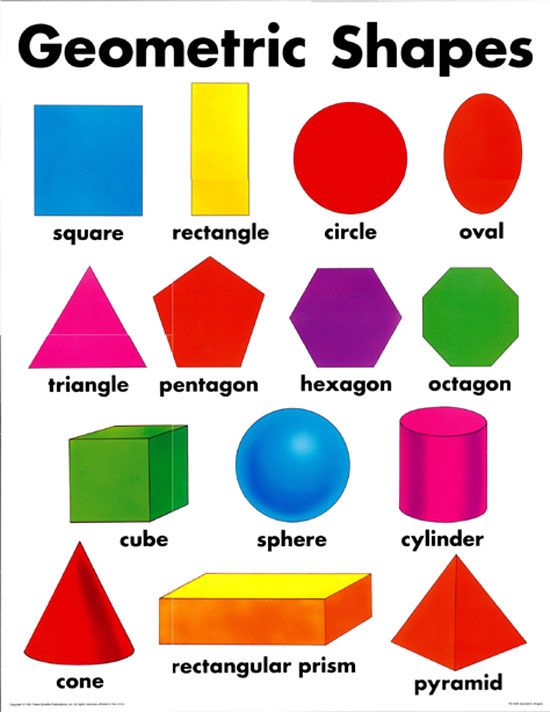
9 questions
Flat and Solid Shapes/ Patterns

Quiz
•
KG

10 questions
Math Quiz 2D and 3D Shapes
Quiz
•
KG

20 questions
2-D Shapes
Quiz
•
KG

15 questions
2D Shapes
Quiz
•
KG

10 questions
Describing and Identifying Shapes
Quiz
•
KG

13 questions
2D shapes
Quiz
•
KG
10 questions
Shapes
Quiz
•
KG
16 questions
Shapes
Quiz
•
KG
13 questions
Kindergarten Shape Assessment
Quiz
•
KG
14 questions
3D shapes
Quiz
•
KG
20 questions
3D Shapes vs 2D Shapes
Quiz
•
KG
17 questions
Flat Shapes
Quiz
•
KG - 1st Grade
Explore Kindergarten Geometry 2D Shapes Quizzes
2D shapes form the foundation of geometric understanding for kindergarten students, introducing young learners to fundamental concepts that will support their mathematical development throughout their educational journey. Wayground's comprehensive collection of 2D shapes quizzes provides kindergarten educators with carefully designed assessment tools that help students identify, name, and classify basic geometric figures including circles, squares, triangles, and rectangles. These interactive practice questions enable children to develop spatial reasoning skills while building confidence in recognizing shape attributes such as sides, corners, and curves. The quiz format offers immediate feedback that supports kindergarten learners' understanding of geometric vocabulary and visual discrimination abilities essential for early mathematical literacy. Wayground's extensive library contains millions of teacher-created 2D shapes resources specifically designed for kindergarten instruction, allowing educators to access age-appropriate content that aligns with early learning standards and developmental expectations. Teachers can efficiently search and filter materials based on specific shape concepts, difficulty levels, and instructional objectives to support differentiated learning approaches that meet diverse student needs. The platform's customization capabilities enable instructors to modify existing quizzes or create personalized assessments that target particular geometric skills requiring reinforcement or enrichment. These digital resources support flexible classroom delivery methods while providing educators with valuable data to guide instructional planning, identify learning gaps, and celebrate student progress in foundational geometry concepts that prepare kindergarteners for more advanced mathematical thinking.
FAQs
How do I teach 2D shapes in kindergarten?
Introduce one familiar shape at a time using clear visual examples, real-world objects, and precise words such as side, corner, and curve. Ask children to name, trace, build, compare, and sort circles, squares, triangles, and rectangles so they learn to rely on attributes rather than size, color, or orientation.
What activities help kindergarteners practice 2D shapes?
Useful activities include matching identical shapes, tracing outlines, coloring a named shape, sorting figures, and finding shapes in classroom objects. Quizzes can reinforce these hands-on experiences with short visual tasks that develop shape recognition, spatial vocabulary, and early reasoning.
What mistakes do kindergarteners commonly make when identifying 2D shapes?
Kindergarteners may call every four-sided figure a square, confuse triangles when their size or orientation changes, or classify shapes by color instead of structure. Repeatedly show varied examples and non-examples, then prompt students to explain whether a figure has straight sides, curves, or corners.
How can I use Wayground’s kindergarten 2D shapes quizzes?
Wayground quizzes are available as printable PDFs and digital formats, accommodating classroom centers, guided practice, homework, and different student preferences. Teachers can host a quiz as a digital quiz or print and assign it on paper; every quiz includes a complete answer key, and paper submissions can be scanned or captured for grading with the Wayground for Teachers app. Printable practice can also help schools reduce screen time.
How does kindergarten 2D geometry connect to the Common Core?
Common Core kindergarten geometry emphasizes naming shapes, describing their relative positions, comparing attributes, and using simple shapes to create larger figures. Practice should therefore move beyond memorizing names and give children repeated opportunities to discuss sides, corners, curves, size, and orientation.
How can I differentiate 2D shape quizzes for kindergarten learners?
Teachers can adjust quiz font size and spacing, apply a dyslexia-friendly font, or translate a quiz to support visual, reading, and language needs. During digital practice, Wayground can provide selected students with extended time, Read Aloud, reduced answer choices, or reading mode while other students retain the default settings.
What grade do students learn to identify 2D shapes?
Formal 2D shape instruction begins in kindergarten, when students learn to identify, name, compare, and describe familiar flat shapes. These skills establish the spatial vocabulary and attribute-based reasoning needed for later work with shape categories, measurement, and composition.

Accessibility
Features
Wayground Super
School & District
Wayground for Business
Create a quiz
Create a presentation
Wayground AI
Subjects
Mathematics
Social Studies
Science
Physics
Chemistry
Biology
About
Our Story
Wayground Blog
Media Kit
Careers
Support
F.A.Q.
Help & Support
Privacy Policy
Terms of Service
Teacher Resources
2026 Wayground


Get our app

