

1st Grade Hard C Sound Quizzes
Practice identifying and using the hard C sound with this Grade 1 phonics quiz designed to assess understanding through engaging questions. Students receive instant feedback as they work through self-paced assessment activities that reinforce proper pronunciation and recognition of hard C in words.

10 questions
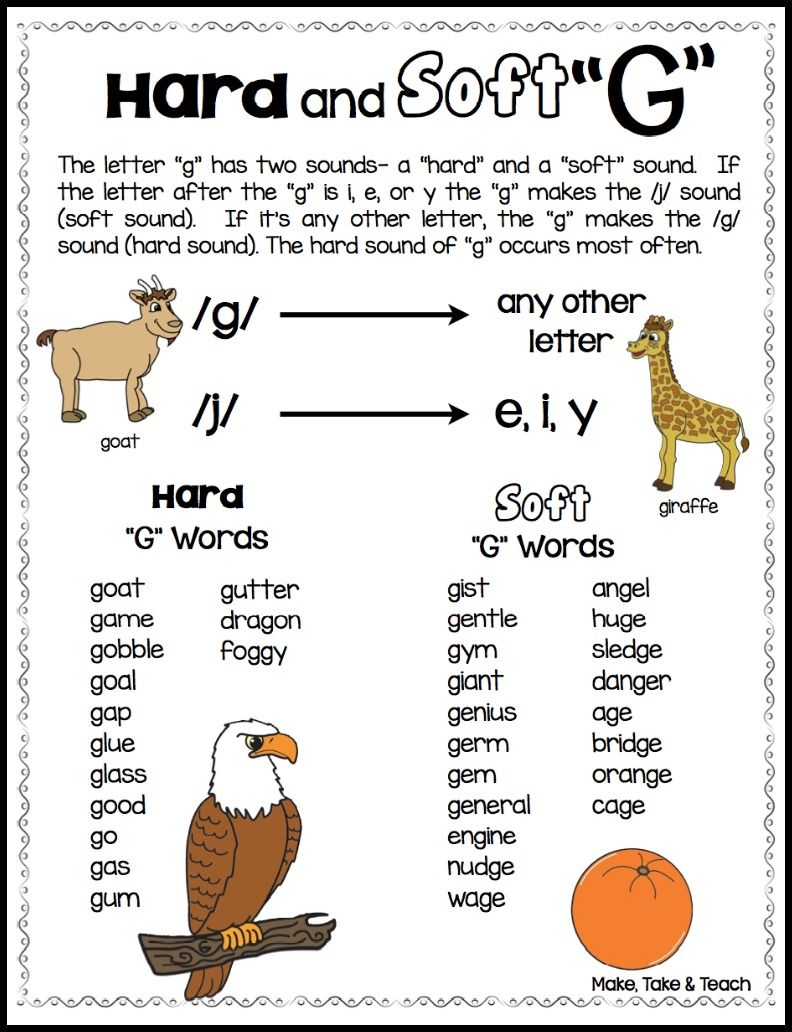
Hard and Soft G

Quiz
•
1st Grade
9 questions
Hard and soft g and c practice
Quiz
•
1st Grade

8 questions
Hard/Soft C and G
Quiz
•
1st - 2nd Grade

20 questions
Hard and Soft c and g
Quiz
•
1st - 2nd Grade

10 questions
Hard and soft G
Quiz
•
1st - 2nd Grade

10 questions
Hard g and soft g & soft c and hard c.
Quiz
•
KG - 2nd Grade
8 questions
Hard and soft sounds (G, C)
Quiz
•
KG - 2nd Grade
10 questions
Soft C and Soft G
Quiz
•
KG - 2nd Grade
15 questions
Phonics - c, k, ck sounds
Quiz
•
KG - 2nd Grade
9 questions
Hard and Soft C
Quiz
•
1st - 4th Grade
14 questions
Hard C and Soft C
Quiz
•
1st - 5th Grade
18 questions
Hard C Soft C & Vowel Teams
Quiz
•
1st - 5th Grade
Explore 1st Grade Hard C Sound Quizzes
Hard C sound quizzes for Grade 1 provide comprehensive assessment opportunities that help young learners master this fundamental phonics concept through structured practice questions and immediate feedback. These educational resources focus on developing students' ability to recognize and decode words containing the hard C sound, as found in words like "cat," "cup," and "cake." Through targeted assessment activities, first-grade students strengthen their phonetic understanding while building confidence in their reading abilities. The practice questions systematically guide learners through various aspects of hard C sound recognition, from initial sound identification to reading complete words, ensuring thorough comprehension of this essential phonics skill. Wayground's extensive collection of teacher-created phonics quizzes offers educators millions of resources specifically designed to support Grade 1 hard C sound instruction and assessment. The platform's robust search and filtering capabilities enable teachers to quickly locate standards-aligned materials that match their specific curriculum requirements and student needs. Advanced differentiation tools allow instructors to customize quiz difficulty levels, question types, and pacing to accommodate diverse learning styles and abilities within their classrooms. These digital-first resources support flexible delivery formats suitable for whole-class instruction, small group work, or individual practice sessions, making them invaluable for lesson planning, targeted remediation, skill enrichment, and ongoing reinforcement of hard C sound recognition throughout the school year.
FAQs
How do I teach the hard C sound to early readers?
The hard C sound, as in 'cat,' 'cup,' and 'clock,' is typically introduced by helping students recognize that C makes its hard sound when followed by the vowels A, O, or U, or when followed by a consonant. Effective instruction often begins with sorting activities where students categorize words by the sound C makes, followed by practice blending words that start or end with the hard C sound. Building a word wall with hard C examples and using decodable texts reinforces the pattern in context.
What exercises help students practice the hard C sound?
Practice exercises for the hard C sound include word sorting tasks that distinguish hard C from soft C, fill-in-the-blank sentences using hard C words, and picture-to-word matching activities where students identify the initial or final hard C sound. Spelling activities that require students to apply the hard C pattern in writing are especially effective for reinforcing recognition and production simultaneously. Repeated exposure across reading and writing tasks helps the pattern stick for emerging readers.
What mistakes do students commonly make when learning the hard C sound?
The most common error is confusing the hard C sound with the soft C sound, particularly in words like 'city' or 'cent,' where students may expect C to always sound like /k/. Students also frequently overgeneralize and apply the hard C sound to all words containing C, regardless of the vowel that follows. Another common mistake is conflating the hard C sound with the letter K, since both represent the /k/ phoneme, which can cause confusion during spelling tasks.
How do I help students distinguish between hard C and soft C sounds?
Teaching students the vowel-following rule is the most reliable strategy: C makes its hard sound before A, O, and U, and its soft sound before E, I, and Y. Word sorting activities that group words by the following vowel make this rule concrete and memorable. Once students internalize the pattern, applying it to both decoding unfamiliar words and spelling known words becomes more automatic, which strengthens overall phonics fluency.
How do I use hard C sound quizzes from Wayground in my classroom?
Hard C sound quizzes on Wayground are available as printable PDFs for traditional classroom use and in digital formats for technology-integrated learning environments, giving teachers flexibility for whole-group instruction, small group work, or independent practice stations. Teachers can also host quizzes as a quiz directly on Wayground, enabling interactive practice with immediate feedback. Wayground's accommodation settings allow teachers to enable read aloud support or adjust answer choices for individual students who need additional support during phonics practice.

Accessibility
Features
Wayground Super
School & District
Wayground for Business
Create a quiz
Create a presentation
Wayground AI
Subjects
Mathematics
Social Studies
Science
Physics
Chemistry
Biology
About
Our Story
Wayground Blog
Media Kit
Careers
Support
F.A.Q.
Help & Support
Privacy Policy
Terms of Service
Teacher Resources
2026 Wayground


Get our app

