


Human Life Cycle Quizzes
Test your knowledge of the human life cycle stages from birth through aging with this comprehensive science quiz. Practice identifying key developmental milestones and assess your understanding of how humans grow and change throughout their lifetime.

11 questions
Human Life Cycle

Quiz
•
1st - 2nd Grade

20 questions
Human Life Cycle
Quiz
•
4th Grade
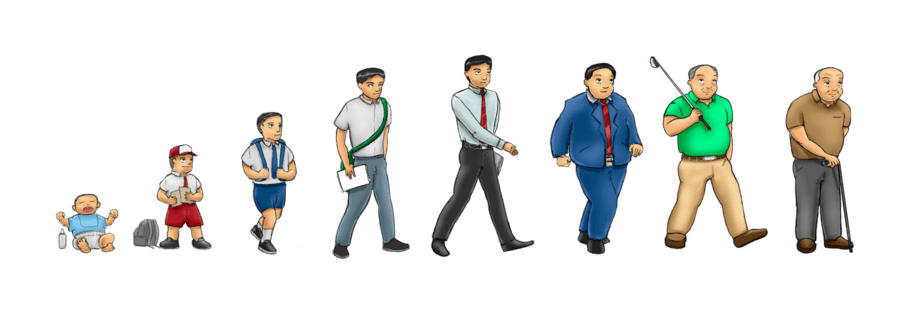
7 questions
Human Life Cycle
Quiz
•
5th Grade

7 questions
Human life cycle!
Quiz
•
4th - 6th Grade
10 questions
Human life cycle
Quiz
•
3rd Grade

11 questions
Human Life Cycle
Quiz
•
1st - 2nd Grade
10 questions
SHORT QUIZ FOR HUMAN LIFE CYCLE
Quiz
•
4th Grade
10 questions
Human Life Cycle
Quiz
•
2nd Grade
10 questions
Human Life Cycle
Quiz
•
5th Grade
10 questions
Human Life Cycle
Quiz
•
4th Grade
7 questions
Human Life Cycle
Quiz
•
5th Grade
10 questions
human life cycle
Quiz
•
4th Grade
Explore Human Life Cycle Quizzes
Human life cycle quizzes provide comprehensive assessment tools that help students understand the fundamental stages of human development from conception through old age. These practice questions cover essential biological processes including fertilization, embryonic development, birth, childhood growth, adolescence, adulthood, and aging, allowing students to demonstrate their understanding of how humans change physically, mentally, and socially throughout their lives. The interactive assessment format enables students to receive immediate feedback on their comprehension of key developmental milestones, reproductive biology, and the factors that influence human growth and maturation across different life stages. Wayground's extensive collection features millions of teacher-created human life cycle quizzes that support educators in delivering targeted instruction aligned with life science standards. The platform's robust search and filtering capabilities allow teachers to quickly locate age-appropriate assessments that match their specific curriculum requirements and student learning objectives. Flexible digital delivery formats accommodate diverse classroom environments, while customization tools enable educators to modify questions, adjust difficulty levels, and create differentiated assessments for various learning needs. These comprehensive quiz resources support effective lesson planning, provide valuable data for identifying areas requiring remediation, and offer enrichment opportunities that reinforce students' mastery of human developmental biology concepts.
FAQs
How do I teach the human life cycle to elementary students?
Teaching the human life cycle works best when instruction moves sequentially through each stage: birth, infancy, childhood, adolescence, adulthood, and old age. Use visual timelines and labeled diagrams to help students connect physical changes to each stage. Comparing the human life cycle to animal life cycles can also deepen understanding by highlighting what is universal versus species-specific.
What exercises help students practice identifying human life cycle stages?
Sequencing activities are highly effective — students arrange images or descriptions of life stages in the correct order, which reinforces both vocabulary and conceptual understanding. Labeling diagrams of developmental milestones and filling in key vocabulary within context sentences also strengthens retention. Practice problems that ask students to describe the biological and physical changes at each stage push beyond memorization into applied understanding.
What misconceptions do students commonly have about the human life cycle?
A common misconception is that the life cycle ends at adulthood, with students underestimating aging and death as defined biological stages. Students also frequently confuse puberty with the full stage of adolescence, or conflate growth with development. Addressing the distinction between physical maturation and cognitive or emotional development early helps prevent these errors from persisting.
How can I differentiate human life cycle instruction for diverse learners?
For students who need additional support, simplifying vocabulary and reducing the number of stages covered at once lowers cognitive load. Digital platforms like Wayground allow teachers to apply accommodations such as read aloud, reduced answer choices, and extended time on a per-student basis without disrupting the rest of the class. Visual scaffolds, such as illustrated stage cards, are also effective for English language learners and students with reading challenges.
How do I use Wayground's human life cycle quizzes in my classroom?
Wayground's human life cycle quizzes are available as printable PDFs for traditional classroom use and in digital formats for technology-integrated or remote learning environments. Teachers can also host quizzes as a live quiz on Wayground, enabling real-time participation and instant feedback. Each quiz includes a complete answer key, making them practical for independent practice, guided review, or formative assessment without additional preparation.
How do I assess student understanding of the human life cycle?
Effective assessment strategies include asking students to sequence life stages without prompts, describe key biological changes at each stage in their own words, and identify vocabulary in context. Common errors to watch for include skipping prenatal or aging stages and conflating physical growth with developmental milestones. Short written explanations or labeled diagrams are reliable tools for gauging whether students understand the stages conceptually rather than by rote.

Accessibility
Features
Wayground Super
School & District
Wayground for Business
Create a quiz
Create a presentation
Wayground AI
Subjects
Mathematics
Social Studies
Science
Physics
Chemistry
Biology
About
Our Story
Wayground Blog
Media Kit
Careers
Support
F.A.Q.
Help & Support
Privacy Policy
Terms of Service
Teacher Resources
2026 Wayground


Get our app

