


10th Grade Medieval Europe Quizzes
Test your knowledge of Medieval Europe with this comprehensive Grade 10 quiz designed to assess understanding of key historical concepts, events, and developments. Practice essential questions covering feudalism, the Catholic Church's influence, the Crusades, and major political changes through self-paced assessment with instant feedback.

42 questions
Unit 5 Review: Middle Ages in Europe

Quiz
•
10th Grade
23 questions
Unit 4 Medieval Europe Review
Quiz
•
10th Grade

50 questions
Medieval Europe
Quiz
•
10th Grade

60 questions
Unit 1: Medieval Europe Exam
Quiz
•
10th Grade
25 questions
Unit 4 Medieval Europe Review
Quiz
•
10th Grade

40 questions
Medieval Europe and Related Historical Events
Quiz
•
10th Grade
28 questions
Renaissance and Medieval Europe Quiz
Quiz
•
10th Grade
55 questions
Renaissance Reformation Quiz shorter
Quiz
•
10th Grade
10 questions
Medieval Europe
Quiz
•
9th - 10th Grade
33 questions
Medieval Europe Review
Quiz
•
9th - 12th Grade
31 questions
Medieval Europe Quiz
Quiz
•
9th - 12th Grade
22 questions
Medieval Europe Review!
Quiz
•
7th Grade
Explore 10th Grade Medieval Europe Quizzes
Medieval Europe quizzes for Grade 10 students provide comprehensive assessment opportunities that explore the complex political, social, and cultural transformations of the European continent from approximately 500 to 1500 CE. These carefully designed practice questions guide students through critical examination of feudalism, the rise and fall of empires, religious institutions' influence, and the technological and intellectual developments that shaped medieval society. Students develop analytical skills by evaluating primary source materials, comparing different medieval societies, and understanding the interconnected nature of political power, economic systems, and social hierarchies. The assessment format encourages deeper understanding of how medieval innovations in agriculture, trade, and governance laid the foundation for Renaissance developments, while feedback mechanisms help students identify areas requiring additional study and reinforcement. Wayground's extensive collection of teacher-created Medieval Europe quizzes offers educators access to millions of specialized resources that align with curriculum standards and support diverse instructional approaches for Grade 10 World History courses. The platform's advanced search and filtering capabilities enable teachers to locate quizzes targeting specific aspects of medieval civilization, from the Byzantine Empire to the Crusades, while customization tools allow for differentiation based on individual student needs and learning objectives. Digital delivery formats support both synchronous and asynchronous learning environments, enabling flexible implementation for classroom instruction, homework assignments, or independent study sessions. These comprehensive quiz collections serve multiple pedagogical purposes, supporting initial concept introduction, ongoing skill reinforcement, targeted remediation for struggling learners, and enrichment opportunities for advanced students seeking deeper engagement with medieval European historical themes.
FAQs
How do I teach Medieval Europe to students?
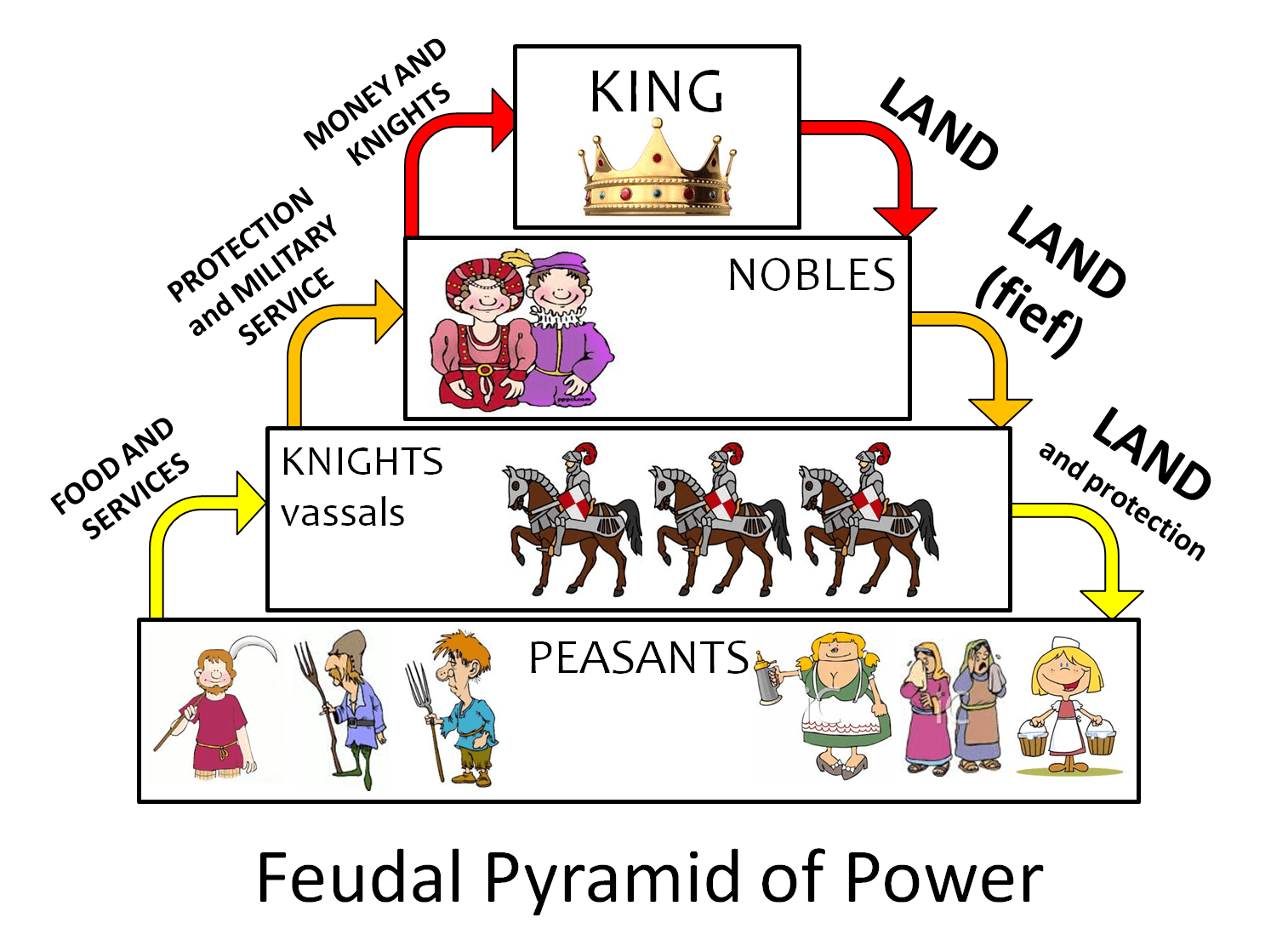
Teaching Medieval Europe effectively means grounding students in the feudal system before expanding outward to the Church, the Crusades, the Black Death, and the rise of monarchies. Start with social hierarchy — having students map the relationships between kings, nobles, knights, and peasants builds a structural framework they can apply to every subsequent topic. Primary source analysis, such as examining excerpts from the Magna Carta or illuminated manuscripts, helps students engage with the period as historians rather than passive readers.
What exercises help students practice Medieval Europe concepts?
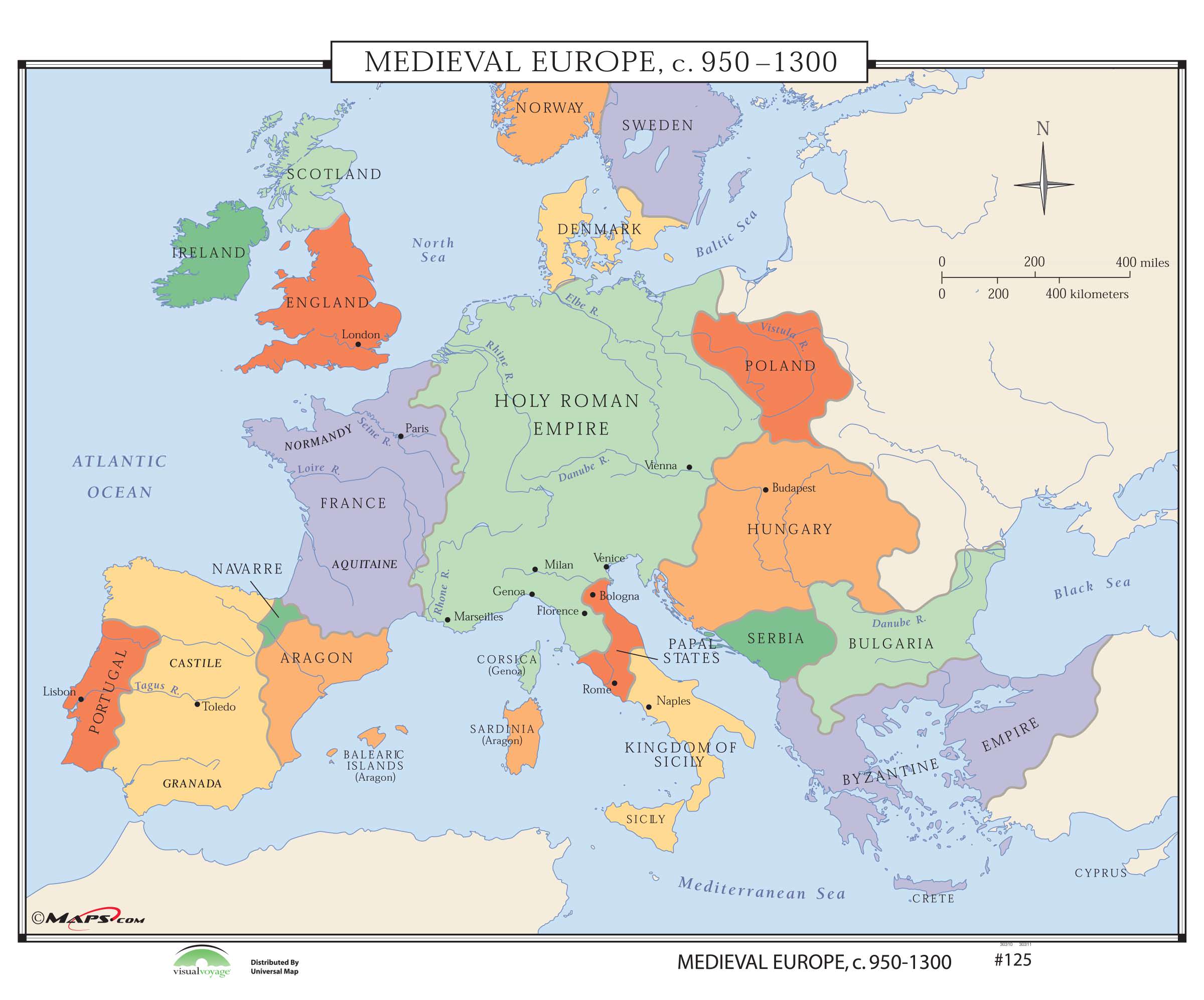
Practice exercises for Medieval Europe should push students beyond memorization into analysis and comparison. Effective tasks include interpreting medieval maps, comparing the causes and effects of events like the Crusades and the Black Death, and evaluating how the Catholic Church shaped political and daily life. Quizzes that ask students to trace the development of institutions — such as monasteries, guilds, or Gothic cathedrals — reinforce the interconnected nature of medieval society.
What misconceptions do students commonly have about the Middle Ages?
Students frequently assume the Middle Ages were a period of stagnation or uniform poverty, overlooking the complexity of urban trade, scholasticism, and architectural innovation like Gothic cathedrals. Another common error is conflating the feudal system across all regions and time periods, when in practice it varied significantly across Europe. Quizzes that ask students to compare regions or evaluate primary sources directly challenge these oversimplifications and build more accurate historical thinking.
How can I use Medieval Europe quizzes to support different skill levels in my class?
Medieval Europe is well-suited to differentiation because the content spans straightforward factual recall — identifying the layers of feudalism — all the way to nuanced cause-and-effect analysis of events like the Crusades or the Black Death. Teachers can assign document analysis tasks to advanced learners while providing structured graphic organizers or scaffolded questions to students who need additional support. On Wayground, teachers can also apply individual accommodations such as read aloud, extended time, or reduced answer choices to specific students without disrupting the rest of the class.
How do I use Wayground's Medieval Europe quizzes in my classroom?
Wayground's Medieval Europe quizzes are available as printable PDFs for traditional classroom use and in digital formats for technology-integrated environments, including the option to host them as a quiz directly on Wayground. All quizzes include comprehensive answer keys, making them practical for skill practice, unit assessments, or homework assignments. Robust search and filtering tools allow teachers to quickly locate materials covering specific topics such as medieval warfare, monastic life, or the Magna Carta.
How do I teach the feudal system in a way that students will actually remember?
The feudal system sticks best when students visualize it as a living exchange of obligations rather than a static chart. Have students role-play the relationships between lords and vassals, or assign primary source excerpts that show how land grants and military service were negotiated. Comparing feudalism to a modern institutional structure students already know — such as a franchise or a government contract — can make the reciprocal nature of the system more intuitive.

Accessibility
Features
Wayground Super
School & District
Wayground for Business
Create a quiz
Create a presentation
Wayground AI
Subjects
Mathematics
Social Studies
Science
Physics
Chemistry
Biology
About
Our Story
Wayground Blog
Media Kit
Careers
Support
F.A.Q.
Help & Support
Privacy Policy
Terms of Service
Teacher Resources
2026 Wayground


Get our app

