

7th Grade Mode Presentations
This Grade 7 presentation explains the concept of mode in statistics through structured lesson slides and visual examples. Students will learn to identify and calculate the mode as the most frequently occurring value in a data set.

13 questions
Mean, Variation, Mode Visualization

Presentation
•
7th Grade

16 questions
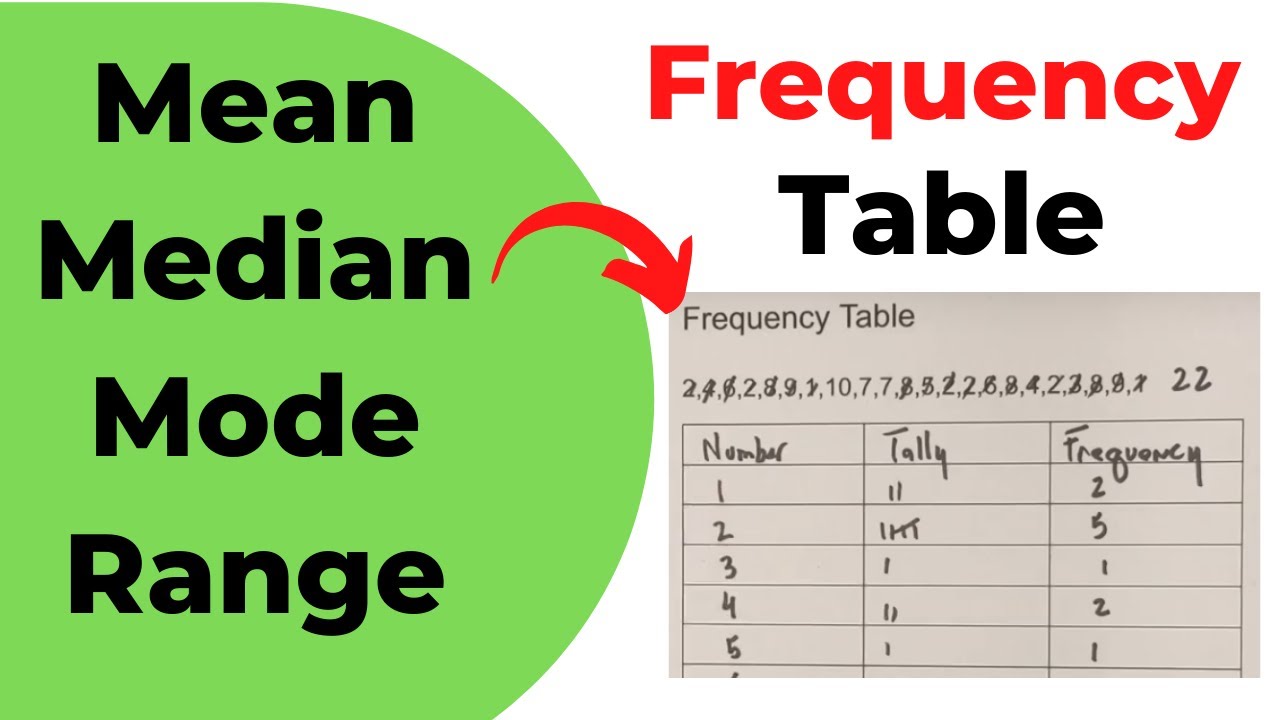
Mean, Median, Mode, Range
Presentation
•
7th Grade
15 questions
Mean, Median, Mode, and Range
Presentation
•
7th Grade

29 questions
Mean, Median, Mode & Range
Presentation
•
7th Grade

20 questions
Mean, Median, Mode, and Range
Presentation
•
7th Grade

31 questions
Mean, Median, Mode, Range
Presentation
•
7th Grade
12 questions
Introduction: Measures of Center ( Mean, Median, and Mode)
Presentation
•
7th Grade
18 questions
Population and Sample, Bias, Measure of Central Tendency and
Presentation
•
6th - 7th Grade
11 questions
Mean, Median, Mode, and Range
Presentation
•
6th - 8th Grade
20 questions
Mean, Mode, Median & Range
Presentation
•
6th - 8th Grade
21 questions
Measures of Center
Presentation
•
6th - 8th Grade
20 questions
Mean, Median, Mode
Presentation
•
4th - 7th Grade
Explore 7th Grade Mode Presentations
Mode presentations for Grade 7 students provide comprehensive visual learning experiences that break down this essential measure of central tendency through structured instruction and clear concept explanation. These educational resources available through Wayground help seventh-grade learners understand how to identify the most frequently occurring value in a data set, distinguish between unimodal, bimodal, and multimodal distributions, and apply mode calculations to real-world scenarios. The presentations develop critical statistical thinking skills by guiding students through step-by-step examples, comparing mode with mean and median, and demonstrating when mode is the most appropriate measure to use for different types of data, particularly categorical and discrete numerical datasets. Wayground's extensive collection draws from millions of teacher-created resources, offering educators powerful search and filtering capabilities to locate mode presentations that align with Grade 7 mathematics standards and specific classroom needs. Teachers can customize these digital presentations to match diverse learning styles and ability levels, incorporating differentiation strategies that support both remediation for struggling students and enrichment opportunities for advanced learners. The platform's flexible delivery formats enable seamless integration into various instructional models, whether for whole-class instruction, small group activities, or individual student review sessions. These presentation tools enhance lesson planning efficiency while providing multiple pathways for skill reinforcement, allowing educators to strengthen students' understanding of mode through repeated exposure to visual examples and guided practice opportunities that build confidence in statistical analysis.

Accessibility
Features
Wayground Super
School & District
Wayground for Business
Create a quiz
Create a presentation
Wayground AI
Subjects
Mathematics
Social Studies
Science
Physics
Chemistry
Biology
About
Our Story
Wayground Blog
Media Kit
Careers
Support
F.A.Q.
Help & Support
Privacy Policy
Terms of Service
Teacher Resources
2026 Wayground


Get our app

