


7th Grade Moon Phases Quizzes
Test your understanding of lunar cycles with this comprehensive Grade 7 Moon Phases quiz featuring instant feedback and self-paced assessment. Practice identifying different moon phases and their characteristics through targeted questions designed to reinforce your Earth & Space Science knowledge.

19 questions
Moon Phases

Quiz
•
7th Grade
16 questions
Moon Phases
Quiz
•
7th Grade

36 questions
moon phases
Quiz
•
7th Grade

11 questions
Moon Phases, Tides, Eclipses & Seasons STUDY GUIDE
Quiz
•
7th Grade

20 questions
Lunar Phases Review
Quiz
•
7th Grade

15 questions
Understanding Moon Phases and Tides
Quiz
•
7th Grade
20 questions
Moon Phases
Quiz
•
7th Grade
16 questions
Moon Phases Formative Assessment
Quiz
•
7th Grade
26 questions
Phases of the moon/Review lesson 3
Quiz
•
7th Grade
8 questions
Moon Phases Quiz
Quiz
•
7th Grade
15 questions
Moon Phases Quiz
Quiz
•
5th - 7th Grade
11 questions
Moon Phases
Quiz
•
6th - 8th Grade
Explore 7th Grade Moon Phases Quizzes
Moon phases represent one of the most fundamental concepts in Grade 7 Earth and Space Science, helping students understand the cyclical relationship between Earth, Moon, and Sun. Wayground's comprehensive collection of moon phases quizzes provides targeted assessment opportunities that allow students to demonstrate their understanding of lunar cycles, from new moon through waxing and waning phases to full moon. These practice questions systematically evaluate student comprehension of how the Moon's position relative to Earth and the Sun creates the observable phases we see from our planet. The interactive quiz format delivers immediate feedback, enabling students to identify knowledge gaps and reinforce their grasp of key astronomical concepts including orbital mechanics, illumination patterns, and the approximate 29.5-day lunar cycle. Wayground supports Grade 7 science educators with millions of teacher-created quiz resources specifically designed for moon phases instruction, featuring robust search and filtering capabilities that help teachers locate assessments aligned with state and national science standards. The platform's differentiation tools allow educators to customize quiz difficulty levels, question types, and time limits to accommodate diverse learning needs within their classrooms. Teachers can deploy these moon phases quizzes through flexible digital formats that support both synchronous classroom activities and asynchronous homework assignments, while also accessing printable versions when technology limitations require alternative delivery methods. These versatile assessment tools prove invaluable for lesson planning, identifying students requiring remediation support, providing enrichment challenges for advanced learners, and systematically reinforcing essential Earth and Space Science skills throughout the academic year.
FAQs
How do I teach moon phases to students?
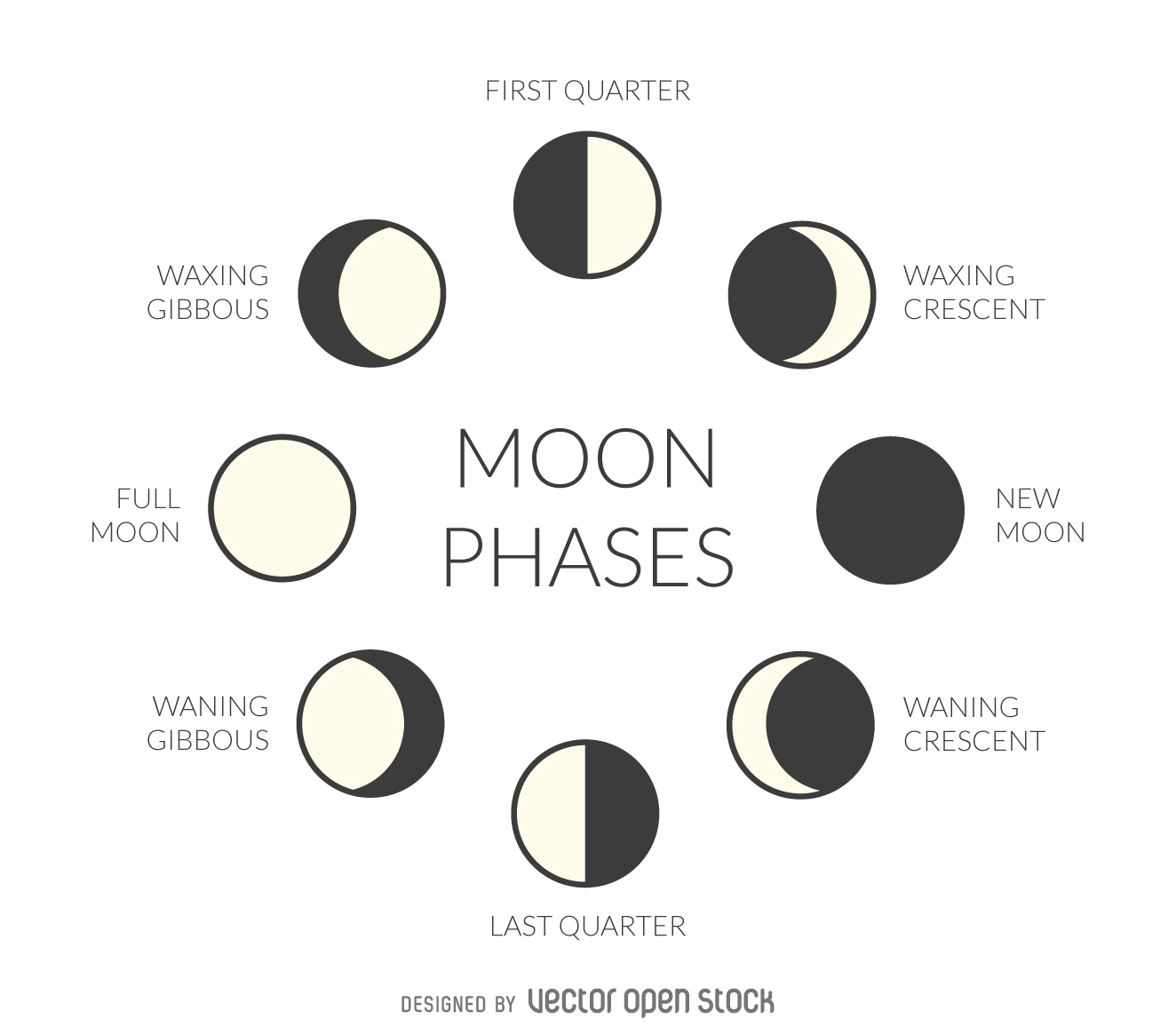
Start by grounding students in the relationship between the Earth, moon, and sun before introducing phase names. Use physical models, such as a lamp and a ball, to simulate how sunlight illuminates different portions of the moon as it orbits Earth. Once students understand the geometry, introduce the eight primary phases in sequence from new moon to waning crescent, reinforcing each with diagram labeling and sequencing activities. Connecting lessons to real nightly sky observations significantly improves retention.
What exercises help students practice identifying moon phases?
Diagram labeling exercises, phase sequencing tasks, and observation logs are the most effective practice formats for moon phases. Labeling diagrams requires students to connect visual representations of illuminated portions to phase names, while sequencing tasks reinforce the predictable 29.5-day lunar cycle. Observation logs that ask students to sketch and record the moon over several nights connect classroom learning to direct scientific experience, deepening conceptual understanding.
What mistakes do students commonly make when learning moon phases?
The most common misconception is that moon phases are caused by Earth's shadow falling on the moon, which confuses lunar phases with lunar eclipses. Students also frequently mix up waxing and waning, or confuse crescent and gibbous phases. Another persistent error is assuming the moon only rises at night, which misunderstands its orbit. Explicit instruction on the moon's position relative to both Earth and the sun, supported by diagram work, directly addresses these errors.
How do I use moon phases quizzes in my classroom?
Moon phases quizzes on Wayground are available as printable PDFs for traditional classroom use and in digital formats for technology-integrated learning environments, and can also be hosted as a quiz directly on Wayground. Printable versions work well for guided notes, homework, or stations activities, while digital formats allow for self-paced independent practice. The included answer keys let students self-check their work or allow teachers to use the materials for quick formative assessment.
How can I support struggling students when teaching moon phases?
For students who struggle with moon phases, reducing cognitive load is essential. Start with just the four primary phases before introducing all eight, and use visual anchors like consistent color-coding for waxing versus waning. On Wayground, teachers can apply accommodations such as reduced answer choices and read-aloud support to individual students, making digital moon phases activities more accessible without singling anyone out in the classroom.
How do moon phases connect to broader science standards?
Moon phases connect directly to Earth and space science standards that require students to understand patterns in the solar system, predictable astronomical phenomena, and the relationship between celestial bodies. The 29.5-day lunar cycle is a concrete, observable example of periodic patterns in nature, which also ties to broader crosscutting concepts like patterns and cause and effect. Including real-world observation components strengthens alignment with science practice standards related to data collection and analysis.

Accessibility
Features
Wayground Super
School & District
Wayground for Business
Create a quiz
Create a presentation
Wayground AI
Subjects
Mathematics
Social Studies
Science
Physics
Chemistry
Biology
About
Our Story
Wayground Blog
Media Kit
Careers
Support
F.A.Q.
Help & Support
Privacy Policy
Terms of Service
Teacher Resources
2026 Wayground


Get our app

