
Filters
Resource Type


7th Grade Random Sampling Quizzes
Test your understanding of random sampling concepts with this comprehensive Grade 7 mathematics quiz designed to assess key probability and statistics skills. Practice essential questions about sampling methods, representative samples, and data collection techniques while receiving instant feedback to strengthen your mathematical reasoning.

10 questions
updated Jan 24th 2025 random sampling coursew

Quiz
•
7th Grade
10 questions
Representative & Random Sampling
Quiz
•
7th Grade

10 questions
Random Sampling
Quiz
•
7th Grade
17 questions
Random Sampling
Quiz
•
7th Grade
20 questions
Random Sampling
Quiz
•
7th Grade

12 questions
(FOR -F/G) - Inferences and Random Sampling May 16, 24
Quiz
•
7th Grade
25 questions
7th grade Math Random Sampling and Population
Quiz
•
7th Grade
20 questions
Random Sampling Pretest
Quiz
•
7th Grade
5 questions
Random Sample
Quiz
•
7th Grade
10 questions
Random Sampling and Representative Samples
Quiz
•
7th Grade
10 questions
Random Sampling and Population
Quiz
•
7th Grade
7 questions
Random Samples and Bias
Quiz
•
7th Grade
Explore 7th Grade Random Sampling Quizzes
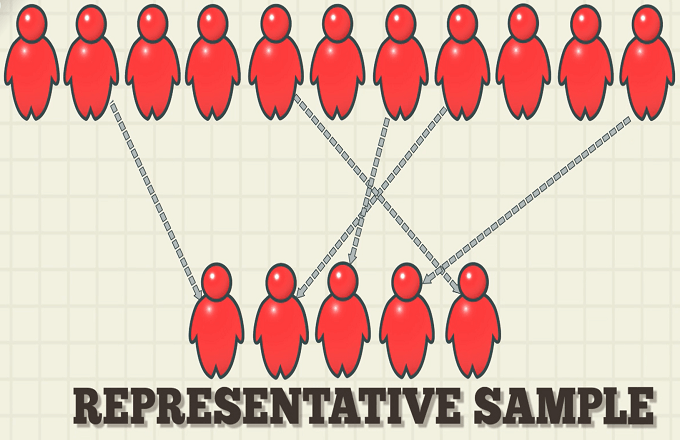
Random sampling forms a fundamental component of Grade 7 probability and statistics education, requiring students to understand how representative samples are selected from larger populations. Wayground's comprehensive quiz collection offers targeted assessment opportunities that help students master the principles of unbiased sample selection, recognize different sampling methods, and analyze the validity of statistical conclusions drawn from sample data. These practice questions develop critical thinking skills as students evaluate sampling scenarios, identify potential bias in data collection methods, and understand how sample size affects the reliability of statistical inferences. Through immediate feedback and detailed explanations, students gain deeper understanding of why random sampling is essential for making accurate predictions and drawing meaningful conclusions about populations based on sample data. Wayground's extensive library of millions of teacher-created resources provides educators with powerful tools to support random sampling instruction across diverse learning environments. Teachers can efficiently search and filter quiz content to align with specific curriculum standards and learning objectives, while customization features allow for differentiation based on individual student needs and abilities. The platform's flexible digital delivery formats enable seamless integration into classroom instruction, homework assignments, and formative assessment cycles, supporting both real-time practice sessions and independent study opportunities. These comprehensive capabilities empower educators to design targeted remediation for students struggling with sampling concepts, provide enrichment activities for advanced learners, and systematically reinforce statistical reasoning skills through varied question formats that challenge students to apply random sampling principles in authentic problem-solving contexts.
FAQs
What is the focus of random sampling in Grade 7?
In 7th grade, students move beyond just identifying bias. The focus shifts to using data from a random sample to make inferences and predictions about an entire population. This involves using proportional reasoning to estimate population characteristics.
How do I teach students to make inferences from a sample?
Start with a concrete example that involves proportional reasoning. For instance, if a random sample of 50 students shows that 10 prefer pizza for lunch, ask them to estimate how many students in the entire school of 500 would prefer pizza. This makes the process of scaling up from a sample tangible.
What types of problems are on a 7th-grade random sampling quiz?
Problems typically ask students to use a random sample to estimate a characteristic of a larger population. For example, a quiz might provide data from a sample of tagged fish in a lake and ask students to estimate the total number of that species in the entire lake.
What do 7th graders struggle with when making inferences from samples?
Students often find it difficult to grasp sampling variability—the idea that two different random samples from the same population will likely produce slightly different results. They may treat an estimate from one sample as an exact, unchanging truth about the population.
How can I use this quiz for a 7th-grade math class?
Assign the quiz as a digital quiz on Wayground for instant feedback on calculations, or use the printable PDF for in-class group work where students can discuss their reasoning. Every quiz includes a full answer key for self-assessment or quick grading.
How does this topic connect to 7th-grade math standards?
This topic directly aligns with Common Core standard 7.SP.A, which requires students to use random sampling to draw informal inferences about a population. The key skill is using sample data to make predictions, a critical step that builds on 6th-grade concepts and prepares students for more formal statistics.

Accessibility
Features
Wayground Super
School & District
Wayground for Business
Create a quiz
Create a presentation
Wayground AI
Subjects
Mathematics
Social Studies
Science
Physics
Chemistry
Biology
About
Our Story
Wayground Blog
Media Kit
Careers
Support
F.A.Q.
Help & Support
Privacy Policy
Terms of Service
Teacher Resources
2026 Wayground


Get our app

