
Filters
Resource Type


9th Grade Random Sampling Quizzes
Test your understanding of random sampling techniques and principles with this comprehensive Grade 9 mathematics quiz. Practice identifying different sampling methods, analyzing sample bias, and evaluating the effectiveness of various sampling strategies through interactive questions with instant feedback.

13 questions
Sampling and Surveys

Quiz
•
9th Grade

8 questions
QUIZ (RANDOM SAMPLING)
Quiz
•
9th - 11th Grade
20 questions
Sampling Methods Quiz
Quiz
•
9th - 12th Grade

10 questions
Random Sampling
Quiz
•
9th Grade
17 questions
Random Sampling
Quiz
•
9th Grade

20 questions
Random Sampling
Quiz
•
9th Grade
17 questions
Random Sampling
Quiz
•
7th Grade
20 questions
Random Sampling and Random Grouping
Quiz
•
7th Grade
20 questions
Identifying Random Sampling
Quiz
•
7th Grade
20 questions
Random Sampling Pretest
Quiz
•
7th Grade
14 questions
Random Sampling Vocabulary
Quiz
•
7th Grade
15 questions
Exploring Random Sampling
Quiz
•
7th Grade
Explore 9th Grade Random Sampling Quizzes
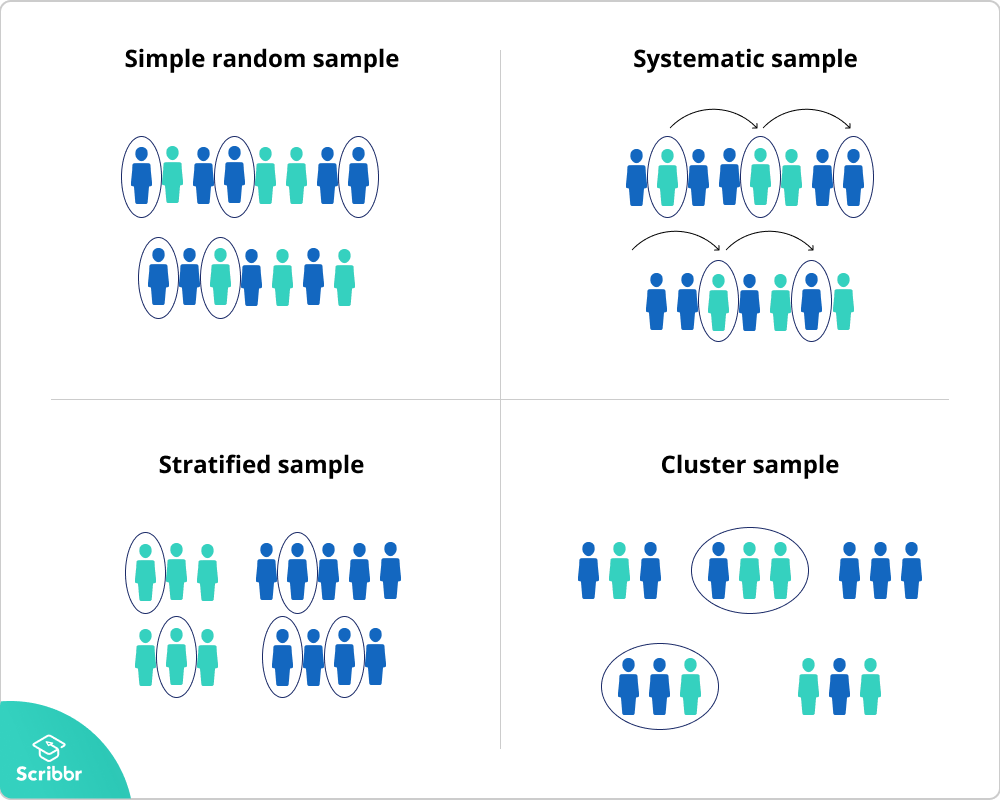
Random sampling forms a critical foundation in Grade 9 probability and statistics, requiring students to understand how representative samples are selected from larger populations. Wayground's comprehensive quiz collection provides targeted assessment tools that help students master the principles of random sampling techniques, including simple random sampling, systematic sampling, and stratified sampling methods. These practice questions challenge learners to identify appropriate sampling methods for different scenarios, calculate sample statistics, and recognize potential sources of bias that can compromise data validity. Through immediate feedback and detailed explanations, students develop essential skills in distinguishing between random and non-random sampling approaches while building confidence in their ability to design fair and representative data collection procedures. Wayground supports mathematics educators with millions of teacher-created quiz resources specifically designed to reinforce random sampling concepts through flexible digital delivery formats. The platform's robust search and filtering capabilities enable teachers to quickly locate quizzes aligned with curriculum standards and appropriate difficulty levels for Grade 9 students. Comprehensive customization tools allow educators to modify existing assessments or combine multiple quiz elements to address diverse learning needs, supporting both remediation for struggling students and enrichment opportunities for advanced learners. These interactive assessment resources integrate seamlessly into lesson planning workflows, providing valuable data on student understanding while offering differentiated pathways that help reinforce statistical reasoning skills essential for success in higher-level mathematics courses.
FAQs
What's expected for a 9th grader learning about random sampling?
At the high school level, students move to a more formal study of sampling methodology. They are expected to understand, compare, and contrast different methods like stratified and cluster sampling, and to justify their choice of method for a given research question.
How can I teach the difference between stratified and cluster sampling?
Use a clear, contrasting example. For stratified sampling, you divide the population into meaningful subgroups (e.g., by grade level) and sample from *each* group. For cluster sampling, you divide the population into clusters (e.g., by homeroom), randomly select a few *whole* clusters, and survey everyone within them.
What kind of practice helps 9th graders master sampling methods?
Practice should focus on study design. Provide students with a research goal and a description of a population, then have them write a detailed plan for collecting a representative sample. This requires them to choose an appropriate method and defend their choice against other options.
What is a common point of confusion for students at this level?
A common mistake is confusing stratified and cluster sampling because both involve dividing the population into groups. Students may also struggle with the abstract concept of a sampling distribution, which is the idea that a statistic, like the sample mean, would form its own distribution if you took many random samples.
How can I use this 9th-grade quiz with my students?
These quizzes can be assigned as a digital quiz on Wayground for individual practice or printed as a PDF for collaborative group work. After students complete the work, you can use the provided answer key for review or grade their printed submissions using the Wayground for Teachers app.
How does this topic align with high school math standards?
This topic aligns with the Common Core High School Statistics standards (HSS-IC), which focus on making inferences and justifying conclusions. A key skill developed is understanding the difference between various data collection methods, like sample surveys and experiments, and how the chosen method impacts the scope of conclusions that can be drawn.

Accessibility
Features
Wayground Super
School & District
Wayground for Business
Create a quiz
Create a presentation
Wayground AI
Subjects
Mathematics
Social Studies
Science
Physics
Chemistry
Biology
About
Our Story
Wayground Blog
Media Kit
Careers
Support
F.A.Q.
Help & Support
Privacy Policy
Terms of Service
Teacher Resources
2026 Wayground


Get our app

