
Resource Type

Subjects
4th Grade Reptiles Quizzes
Test your Grade 4 students' understanding of reptiles with this comprehensive science quiz featuring multiple-choice and true/false questions. Provide instant feedback and self-paced assessment opportunities to reinforce key concepts about reptile characteristics, habitats, and behaviors.

15 questions
Reptiles

Quiz
•
4th Grade

12 questions
Animal Classification
Quiz
•
4th Grade

12 questions
Reptiles quiz
Quiz
•
3rd - 5th Grade
15 questions
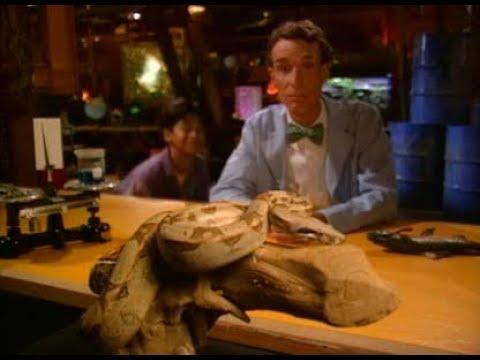
Bill Nye Reptiles
Quiz
•
4th - 6th Grade

15 questions
REPTILES
Quiz
•
3rd - 6th Grade

9 questions
Reptiles
Quiz
•
1st - 5th Grade
12 questions
Reptiles
Quiz
•
1st - 7th Grade
Explore 4th Grade Reptiles Quizzes
Reptiles represent a fascinating group of vertebrates that Grade 4 students explore through comprehensive science quizzes designed to build foundational understanding of these cold-blooded creatures. These assessment resources help students identify key characteristics that distinguish reptiles from other animal groups, including their scaly skin, egg-laying reproduction methods, and temperature regulation behaviors. Through targeted practice questions, students develop critical thinking skills as they analyze how reptiles like snakes, lizards, turtles, and crocodiles have adapted to diverse environments from deserts to wetlands. The quizzes provide immediate feedback that reinforces learning about reptile body structures, habitats, life cycles, and survival strategies, ensuring students can confidently demonstrate their knowledge of these remarkable animals and their role in various ecosystems. Wayground supports educators with access to millions of teacher-created reptile quizzes that align with Grade 4 life science standards, offering robust search and filtering capabilities to locate resources that match specific curriculum objectives and learning goals. Teachers can customize quiz content to differentiate instruction for diverse learners, adjusting difficulty levels and question formats to support both remediation for struggling students and enrichment opportunities for advanced learners. The platform's flexible digital delivery formats enable seamless integration into classroom instruction, remote learning environments, and independent practice sessions, while comprehensive analytics help educators track student progress and identify areas requiring additional skill reinforcement. These versatile assessment tools streamline lesson planning by providing ready-to-use resources that can be modified to target specific reptile concepts, supporting systematic review of animal classification principles and deeper exploration of vertebrate characteristics throughout the academic year.
FAQs
How do I teach reptile classification to students?
Start by organizing reptiles into their four major groups: squamates (snakes and lizards), chelonians (turtles and tortoises), crocodilians, and tuataras. Have students compare shared characteristics such as scaly skin, ectothermy, and amniotic egg-laying before identifying what distinguishes each group. Using visual sorting activities and labeled diagrams helps students internalize taxonomic distinctions rather than simply memorizing names.
What exercises help students practice identifying reptile adaptations?
Effective practice activities ask students to match specific adaptations, such as heat-sensing pits or camouflaged scales, to the environmental pressures that drove them. Quiz tasks that connect thermoregulation behaviors to habitat types reinforce why these traits evolved rather than treating them as isolated facts. Classification and habitat-mapping exercises are especially useful for helping students see how reptilian adaptations allow survival across environments ranging from deserts to wetlands.
What misconceptions do students commonly have about reptiles?
One of the most persistent misconceptions is that reptiles are "slimy," when in fact their scales are dry. Students also frequently confuse ectothermy with being cold to the touch, not understanding that reptiles actively regulate body temperature through behavioral strategies like basking. Another common error is assuming all reptiles lay eggs, when some snake and lizard species give birth to live young.
How can I use reptile quizzes to support different learning levels in my class?
Reptile quizzes can be differentiated by adjusting the complexity of tasks, for example, moving from basic labeling of body parts to open-ended questions about ecological roles in food webs. On Wayground, teachers can apply student-level accommodations including Read Aloud for struggling readers, reduced answer choices to lower cognitive load, and extended time for students who need it. These settings can be applied to individual students without alerting the rest of the class, keeping instruction equitable and discreet.
How do I use Wayground's reptile quizzes in my classroom?
Wayground's reptile quizzes are available as printable PDFs for traditional classroom use and in digital formats for technology-integrated instruction, making them adaptable whether students are working at desks or on devices. Teachers can also host quizzes as a quiz directly on Wayground, enabling real-time progress tracking and immediate feedback. The platform's search and filtering tools allow teachers to locate resources aligned with specific life science standards and target particular topics such as thermoregulation, reptile habitats, or evolutionary adaptations.
How do reptile quizzes fit into a broader life science unit?
Reptile quizzes connect naturally to broader vertebrate classification units, helping students compare reptiles with amphibians, birds, and mammals across traits like reproduction, skin type, and temperature regulation. They also support ecology instruction, since reptiles occupy important roles as predators and prey in food webs across desert, wetland, and forest ecosystems. Using reptile content as a case study for adaptation and natural selection gives teachers a concrete, engaging entry point into larger evolutionary concepts.

Accessibility
Features
Wayground Super
School & District
Wayground for Business
Create a quiz
Create a presentation
Wayground AI
Subjects
Mathematics
Social Studies
Science
Physics
Chemistry
Biology
About
Our Story
Wayground Blog
Media Kit
Careers
Support
F.A.Q.
Help & Support
Privacy Policy
Terms of Service
Teacher Resources
2026 Wayground


Get our app

