
Filters
Resource Type


Sampling Methods Quizzes
Test your knowledge of sampling methods with this comprehensive mathematics quiz designed to assess your understanding of key probability and statistics concepts. Practice identifying different sampling techniques through targeted questions that provide instant feedback for self-paced assessment.

10 questions
Sampling Methods

Quiz
•
7th Grade
20 questions
Sampling Methods Quiz
Quiz
•
9th - 12th Grade

8 questions
Sampling Methods
Quiz
•
9th - 12th Grade

20 questions
Population Sample Parameter Statistic Sampling Methods
Quiz
•
11th Grade

20 questions
Biased vs Unbiased & Sampling Methods
Quiz
•
8th Grade

17 questions
Statistics- Sampling Methods
Quiz
•
10th - 12th Grade
10 questions
Sampling Methods
Quiz
•
11th - 12th Grade
17 questions
Sampling Methods and Techniques
Quiz
•
12th Grade
19 questions
Best Sampling Methods
Quiz
•
12th Grade
18 questions
Random Sampling Methods
Quiz
•
12th Grade
19 questions
Sampling Methods Review
Quiz
•
9th - 12th Grade
20 questions
Sampling Methods
Quiz
•
8th Grade
Explore Sampling Methods Quizzes
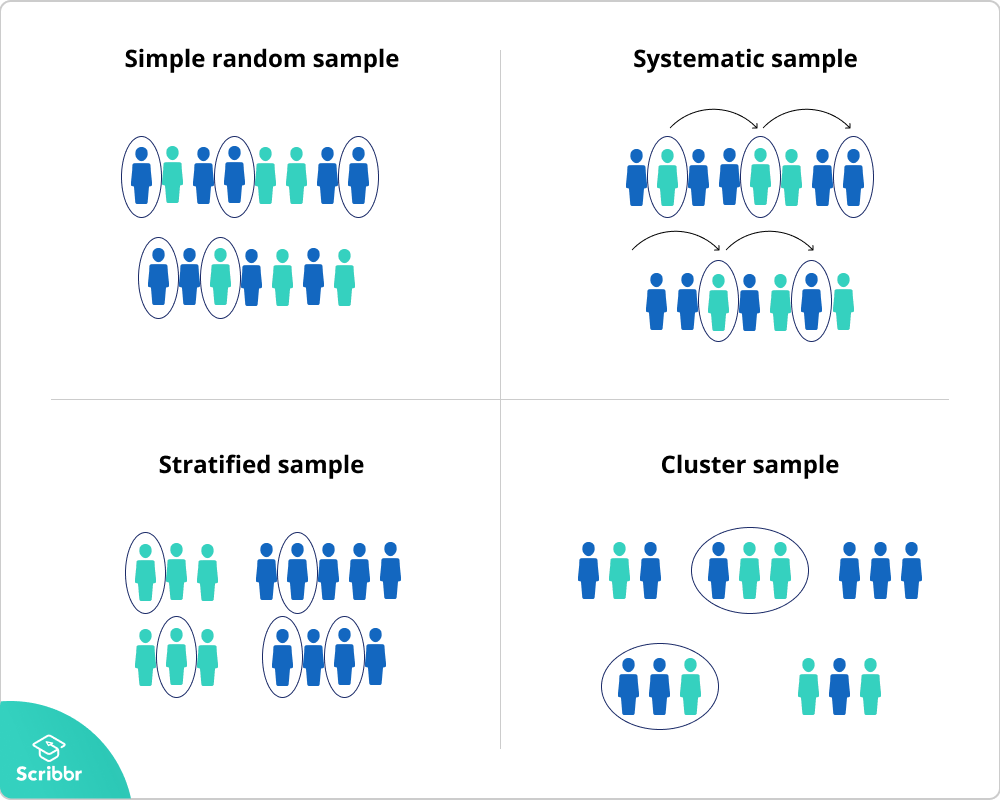
Sampling methods form a critical foundation in probability and statistics, enabling students to understand how data collection techniques directly impact the validity and reliability of statistical conclusions. These comprehensive mathematics quizzes available through Wayground provide targeted assessment opportunities that help students master essential sampling concepts including random sampling, stratified sampling, systematic sampling, and cluster sampling. Through carefully designed practice questions, students develop the analytical skills necessary to identify appropriate sampling techniques for different research scenarios, evaluate potential sources of bias, and understand how sample size and selection methods influence statistical inference. The interactive feedback mechanisms built into these quizzes allow students to immediately recognize misconceptions and strengthen their understanding of how sampling methodology connects to broader statistical analysis principles. Wayground's extensive collection of teacher-created sampling methods quizzes draws from millions of educational resources, providing mathematics educators with robust search and filtering capabilities to locate materials perfectly aligned with their curriculum standards and learning objectives. The platform's differentiation tools enable teachers to customize quiz difficulty levels, question types, and content focus areas to meet diverse student needs, whether providing foundational practice for struggling learners or advanced challenges for students ready for deeper statistical reasoning. These digital assessment tools support flexible delivery formats that accommodate various classroom environments, from individual practice sessions to collaborative learning activities, while built-in analytics help educators identify knowledge gaps and plan targeted remediation strategies. Teachers can seamlessly integrate these sampling methods quizzes into their instruction cycle for initial concept introduction, skill reinforcement during unit progression, or comprehensive review before summative assessments.
FAQs
How do I teach the different types of sampling methods?
Use real-world scenarios to make the distinctions clear. For example, compare drawing names from a hat (simple random), selecting every 10th student from a list (systematic), and surveying two homerooms from each grade level (stratified). This helps students connect abstract definitions to concrete actions.
What exercises help students practice sampling methods?
The most effective exercises present students with a research scenario and ask them to identify the sampling method used. More advanced problems can ask students to evaluate the method for potential bias or to propose a better method for the given situation.
What are the most common errors students make when learning sampling methods?
Students often confuse stratified sampling with cluster sampling, as both involve groups. They also frequently misunderstand the meaning of 'random,' sometimes believing any haphazard method qualifies. A key misconception is that a large sample size can compensate for a biased collection method.
How can I use this sampling methods quiz with my class?
This quiz is available as a printable PDF for hands-on group work or as a digital quiz you can host on Wayground for individual practice. For printed assignments, you can use the Wayground for Teachers app to quickly scan and grade student submissions using the included answer key.
How does learning sampling methods fit into the math curriculum?
This topic aligns with the Common Core's high school standards for making inferences and justifying conclusions (S-IC). Understanding how data is collected is a critical prerequisite for evaluating the validity of statistical claims, forming the foundation of statistical literacy.
How can I support students who struggle to differentiate between sampling techniques?
For digital assignments on Wayground, you can enable the 'Reduced answer choices' accommodation for specific students on multiple-choice questions. This narrows their focus when trying to distinguish between similar methods like stratified and cluster sampling. The 'Read Aloud' feature can also help with comprehension of complex word problems.

Accessibility
Features
Wayground Super
School & District
Wayground for Business
Create a quiz
Create a presentation
Wayground AI
Subjects
Mathematics
Social Studies
Science
Physics
Chemistry
Biology
About
Our Story
Wayground Blog
Media Kit
Careers
Support
F.A.Q.
Help & Support
Privacy Policy
Terms of Service
Teacher Resources
2026 Wayground


Get our app

