
Filters
Resource Type


7th Grade Sampling Methods Quizzes
Test your Grade 7 understanding of sampling methods with this comprehensive quiz designed to assess your knowledge of different data collection techniques. Practice key concepts through targeted questions and receive instant feedback to strengthen your statistical reasoning skills.

10 questions
Sampling Methods

Quiz
•
7th Grade
10 questions
Representative & Random Sampling
Quiz
•
7th Grade

20 questions
Sampling Methods Identification
Quiz
•
7th Grade
12 questions
Sampling Methods and Probability
Quiz
•
7th Grade

20 questions
Sampling of Populations
Quiz
•
7th Grade

15 questions
Populations & Samples
Quiz
•
7th Grade
11 questions
Biased and Unbiased-Understanding Sampling Methods in Statistics
Quiz
•
7th Grade
16 questions
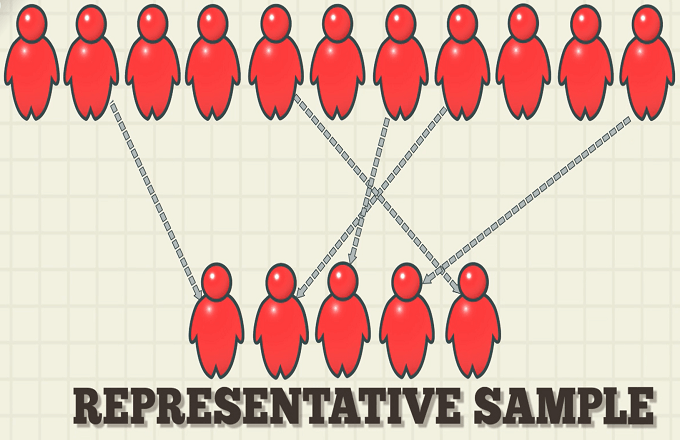
representative sample
Quiz
•
7th Grade
20 questions
Population and Samples
Quiz
•
7th Grade
7 questions
Random Samples and Bias
Quiz
•
7th Grade
20 questions
Samples and Making Predictions
Quiz
•
7th Grade
5 questions
Random Sample
Quiz
•
7th Grade
Explore 7th Grade Sampling Methods Quizzes
Sampling methods form a crucial foundation in Grade 7 mathematics, introducing students to the fundamental principles of data collection and statistical analysis. These comprehensive quiz collections available through Wayground provide targeted assessment opportunities that help students master essential sampling concepts including random sampling, systematic sampling, and convenience sampling techniques. The practice questions guide learners through identifying appropriate sampling methods for different scenarios, understanding potential biases in data collection, and recognizing how sample size affects the reliability of statistical conclusions. Through immediate feedback and varied question formats, students develop critical thinking skills necessary for evaluating the quality and representativeness of data samples in real-world contexts. Wayground's extensive library contains millions of teacher-created sampling methods quizzes specifically designed for Grade 7 mathematics instruction, offering educators powerful search and filtering capabilities to locate resources that align with curriculum standards and learning objectives. Teachers can easily customize existing assessments or combine multiple quiz elements to create differentiated learning experiences that meet diverse student needs, from remediation support for struggling learners to enrichment challenges for advanced students. The platform's flexible digital delivery system enables seamless integration into classroom instruction, homework assignments, and independent practice sessions, while detailed analytics help educators identify knowledge gaps and adjust instruction accordingly. These comprehensive tools support effective lesson planning and enable teachers to provide targeted skill reinforcement that strengthens students' understanding of statistical sampling principles and their practical applications.
FAQs
What is the focus of sampling methods in 7th grade?
In 7th grade, students move beyond basic definitions to use random sampling as a tool for drawing valid inferences about a population. The focus shifts to understanding that the quality of the sample determines the quality of the conclusions.
How can I help 7th graders understand why random sampling is important?
Conduct a class experiment. Have students draw conclusions from a biased sample (e.g., surveying only their friends about a school-wide issue) and then compare those to conclusions from a random sample. The different results will powerfully illustrate the concept of bias.
What common mistakes do 7th graders make with sampling?
A common error is failing to recognize bias in methods like convenience or voluntary response samples. Students may also struggle to articulate *why* a sample is or is not representative of the larger population, even if they can sense something is unfair.
How does this topic fit into the 7th-grade Common Core standards?
This topic directly addresses the Common Core standard 7.SP.A.1, where students learn to use data from a random sample to draw inferences about a population with an unknown characteristic. It is the primary grade level where the validity of random sampling is formally taught.
How can I assign this 7th-grade sampling methods quiz?
You can host the quiz as a digital quiz on Wayground or print it as a PDF for paper-based work. For printed copies, the Wayground for Teachers app allows you to scan and grade student assignments directly from your phone.

Accessibility
Features
Wayground Super
School & District
Wayground for Business
Create a quiz
Create a presentation
Wayground AI
Subjects
Mathematics
Social Studies
Science
Physics
Chemistry
Biology
About
Our Story
Wayground Blog
Media Kit
Careers
Support
F.A.Q.
Help & Support
Privacy Policy
Terms of Service
Teacher Resources
2026 Wayground


Get our app

