
Filters
Resource Type

Grades
10th Grade Swimming Quizzes
Test your Grade 10 swimming knowledge with this comprehensive quiz designed to assess your understanding of techniques, safety, and competitive swimming concepts. Practice questions cover stroke mechanics, pool safety protocols, and swimming fundamentals with instant feedback to enhance your aquatic sports expertise.

20 questions
Swimming

Quiz
•
7th - 10th Grade

10 questions
Swimming
Quiz
•
9th - 12th Grade

5 questions
Olympic Swimming
Quiz
•
9th - 12th Grade
20 questions
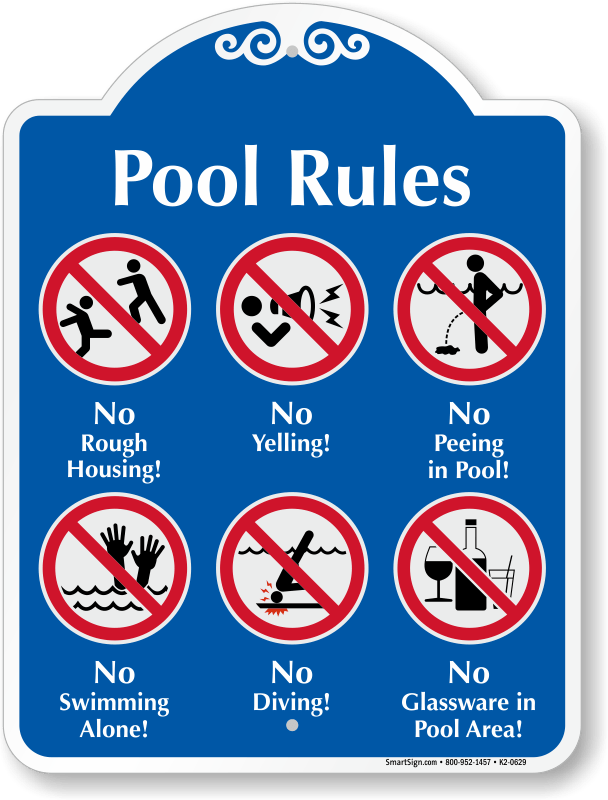
Swimming Pool Rules
Quiz
•
7th - 10th Grade

20 questions
Swimming
Quiz
•
7th - 11th Grade

10 questions
Swimming - What do you know?
Quiz
•
6th - 12th Grade
17 questions
Swimming.
Quiz
•
2nd - 10th Grade
5 questions
swimming
Quiz
•
3rd Grade - Professional Development
Explore 10th Grade Swimming Quizzes
Swimming quizzes for Grade 10 students provide comprehensive assessment tools that evaluate understanding of competitive swimming techniques, stroke mechanics, training principles, and aquatic safety protocols. These practice questions challenge students to demonstrate their knowledge of freestyle, backstroke, breaststroke, and butterfly techniques while assessing their comprehension of diving fundamentals, pool safety regulations, and competitive swimming rules. Through targeted assessment activities, learners receive immediate feedback on their grasp of stroke timing, breathing patterns, turn techniques, and race strategies, enabling them to identify areas requiring additional study and reinforcing their understanding of both recreational and competitive swimming concepts essential for advanced physical education coursework. Wayground's extensive collection of teacher-created swimming quizzes offers educators access to millions of carefully curated resources specifically designed to support Grade 10 sports and recreation instruction. The platform's robust search and filtering capabilities enable teachers to quickly locate materials aligned with curriculum standards while utilizing differentiation tools to customize assessments for varying student ability levels. Digital delivery formats facilitate seamless classroom integration, whether for whole-class instruction, small group activities, or individual practice sessions, while comprehensive customization options allow educators to modify existing quizzes or create targeted assessments that address specific learning objectives. These versatile resources support strategic lesson planning, provide effective remediation opportunities for struggling learners, offer enrichment challenges for advanced students, and deliver consistent skill reinforcement that strengthens student mastery of swimming techniques and aquatic knowledge throughout the academic year.
FAQs
How do I teach water safety and swimming fundamentals in a PE class?
Effective aquatic education combines direct instruction on safety protocols with structured skill practice on stroke mechanics and breathing technique. Start with water safety rules and emergency procedures before moving into stroke-specific instruction, using diagrams and labeled quizzes to reinforce terminology and body positioning. Connecting theory-based classroom work to poolside practice helps students internalize concepts like buoyancy, drag, and proper form before applying them in the water.
What exercises help students practice swimming strokes and water safety concepts?
Quiz-based practice is especially useful for reinforcing stroke mechanics, breathing patterns, and safety rules that students must understand before or after time in the pool. Exercises that ask students to label stroke phases, sequence safety steps, or identify correct body alignment help build the cognitive foundation for physical skill development. Structured review of swimming terminology and aquatic fitness principles also supports students preparing for written assessments in physical education.
What are common mistakes students make when learning swimming concepts?
Students frequently confuse the mechanics of different strokes, particularly the arm and kick patterns for freestyle versus breaststroke, leading to errors on technique-based assessments. Breathing coordination is another common trouble spot, as many students struggle to understand the timing of inhale and exhale cycles relative to stroke phases. Misconceptions about water safety, such as underestimating currents or overestimating personal endurance, are also frequent and worth addressing explicitly through direct instruction and targeted practice.
How can I differentiate swimming quizzes for students with different learning needs?
On Wayground, teachers can apply student-level accommodations including Read Aloud for students who need questions and content read to them, reduced answer choices to lower cognitive load for struggling learners, and extended time for students who need additional processing time. These settings can be assigned to individual students while the rest of the class works with default settings, and they carry over across future sessions without requiring repeated setup. This makes it straightforward to support diverse learners during both theory-based swimming lessons and formal assessments.
How do I use Wayground's swimming quizzes in my PE class?
Wayground's swimming quizzes are available as printable PDFs, making them practical for classroom theory sessions, and in digital formats that work well for technology-integrated learning or remote instruction. Teachers can also host quizzes as a quiz directly on Wayground, allowing for instant feedback and easy tracking of student performance. Each quiz includes a complete answer key, which supports both self-paced independent study and efficient teacher-led review.
Can swimming quizzes be used for both theory instruction and poolside learning?
Yes, swimming quizzes are well-suited to both settings because they address the conceptual knowledge that underpins physical skill development. Printable PDF versions are portable and practical for poolside reference or warm-up activities, while digital versions work for classroom pre-teaching of stroke technique, safety protocols, and aquatic fitness principles. Using quizzes in both contexts helps reinforce the connection between theoretical understanding and in-water performance.

Accessibility
Features
Wayground Super
School & District
Wayground for Business
Create a quiz
Create a presentation
Wayground AI
Subjects
Mathematics
Social Studies
Science
Physics
Chemistry
Biology
About
Our Story
Wayground Blog
Media Kit
Careers
Support
F.A.Q.
Help & Support
Privacy Policy
Terms of Service
Teacher Resources
2026 Wayground


Get our app

