


3rd Grade Vowel Diphthongs Quizzes
Test your Grade 3 students' understanding of vowel diphthongs with this interactive phonics quiz featuring self-paced assessment questions. Students will practice identifying and working with vowel diphthongs while receiving instant feedback to reinforce their learning.
25 questions
Vowel Diphthongs

Quiz
•
3rd Grade

8 questions
VOWEL. DIPHTHONG
Quiz
•
3rd Grade

15 questions
Vowel digraphs and diphthongs
Quiz
•
3rd Grade

25 questions
2. Diphthongs Spelling : au, aw, ew, ow, ou
Quiz
•
3rd Grade
15 questions
Digraphs and Diphthongs
Quiz
•
3rd Grade

10 questions
Vowel Digraphs and Diphthongs
Quiz
•
3rd Grade
10 questions
Digraphs and Diphthongs
Quiz
•
3rd Grade
17 questions
diphthongs
Quiz
•
3rd Grade
30 questions
3. Diphthong au aw vowel team ew spelling practice
Quiz
•
3rd Grade
10 questions
Vowel Diphthongs
Quiz
•
2nd - 4th Grade
10 questions
Vowel diphthongs
Quiz
•
KG - 3rd Grade
10 questions
Vowel Diphthongs Homework - Third
Quiz
•
1st - 5th Grade
Explore 3rd Grade Vowel Diphthongs Quizzes
Vowel diphthongs represent a crucial phonetic concept for Grade 3 students, involving the smooth blending of two vowel sounds within a single syllable to create distinctive pronunciation patterns. Through Wayground's comprehensive collection of vowel diphthong quizzes, students engage with interactive assessment activities that target essential sound combinations like "oi" in "coin," "ou" in "house," and "ew" in "flew." These carefully designed practice questions provide immediate feedback to help young learners distinguish between different diphthong patterns, strengthen their decoding abilities, and build confidence in reading unfamiliar words. The systematic approach to vowel diphthong assessment supports students in developing stronger phonemic awareness while reinforcing their understanding of how vowel sounds work together to form the building blocks of fluent reading. Wayground empowers educators with access to millions of teacher-created vowel diphthong quiz resources, featuring robust search and filtering capabilities that allow precise alignment with Grade 3 phonics standards and curriculum requirements. The platform's differentiation tools enable teachers to customize quiz difficulty levels, question types, and content focus areas to meet diverse learning needs within their classrooms. Digital delivery formats support both whole-class instruction and individualized practice sessions, while comprehensive analytics help educators identify specific diphthong patterns that require additional reinforcement or remediation. These flexible quiz collections serve as valuable tools for lesson planning, formative assessment, and targeted skill development, allowing teachers to create engaging learning experiences that systematically build students' phonetic knowledge and reading proficiency through focused practice with vowel diphthong patterns.
FAQs
How do I teach vowel diphthongs to early readers?
Start by building on students' existing knowledge of individual vowel sounds before introducing the concept that two vowel sounds can blend within a single syllable. Use auditory discrimination activities where students listen for the "gliding" quality of diphthong sounds like "oi" in "coin" or "ou" in "house" before connecting those sounds to their spellings. Gradually progress from isolated sound recognition to reading and spelling diphthongs in single-syllable words, then in multisyllabic words, so students develop both decoding and encoding skills systematically.
What are the most common vowel diphthongs students need to learn?
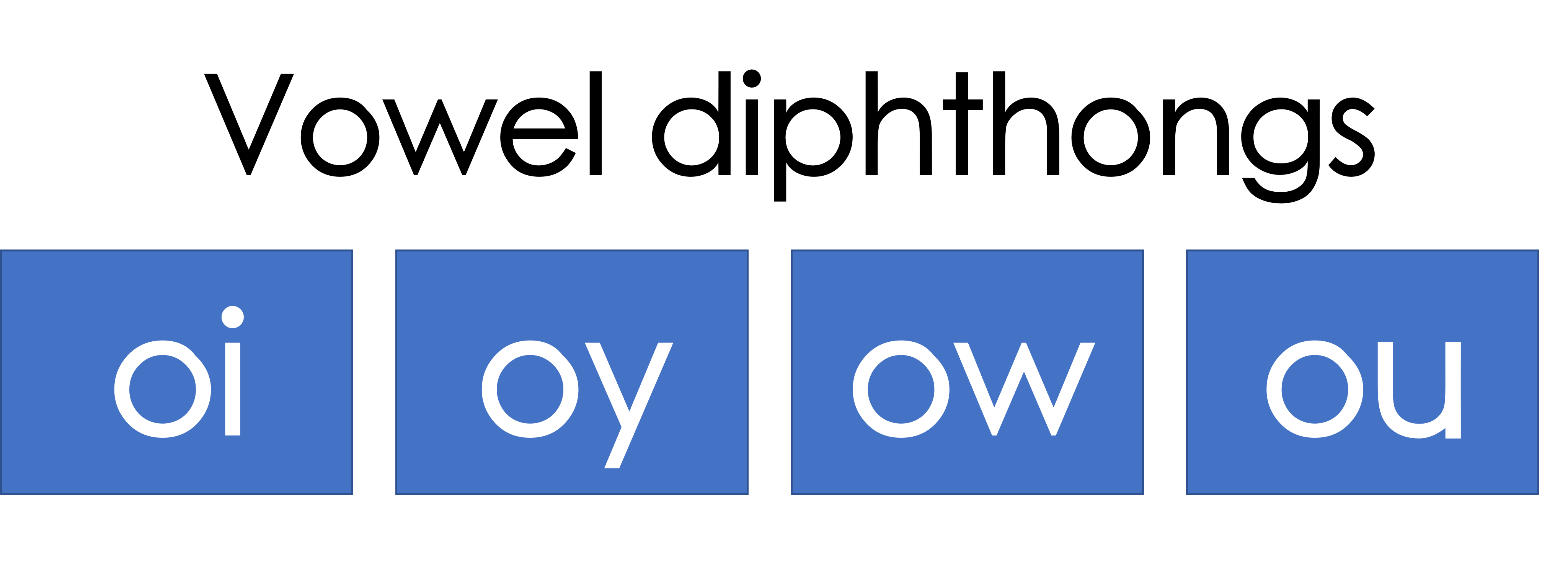
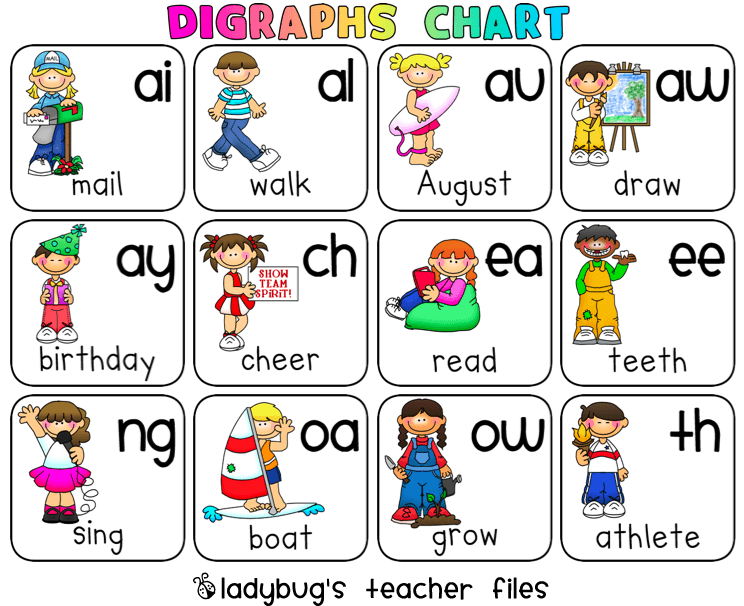
The most frequently taught vowel diphthongs in phonics instruction include "oi" and "oy" (as in "coin" and "boy"), "ou" and "ow" (as in "house" and "cow"), "au" and "aw" (as in "haul" and "saw"), and "ew" (as in "grew"). Students also encounter "ay" in words like "play" as part of broader vowel team instruction. Mastery of these patterns significantly strengthens decoding ability and spelling accuracy across a wide range of high-frequency and content words.
What exercises help students practice vowel diphthongs?
Effective practice exercises include word sorting activities where students group words by their diphthong spelling pattern, fill-in-the-blank sentences that require selecting the correct diphthong, and picture-word matching tasks that reinforce sound-symbol correspondence. Moving from recognition to application, students benefit from activities that require them to write original sentences or identify diphthongs within connected text, which builds both spelling accuracy and reading fluency.
What mistakes do students commonly make with vowel diphthongs?
One of the most frequent errors is confusing diphthongs that share similar sounds but use different spellings, such as mixing up "oi" and "oy" or "ou" and "ow," without understanding that spelling choice is often position-based (e.g., "oy" typically appears at the end of a word). Students also commonly omit one of the vowels when spelling diphthong words, writing "hose" instead of "house" or "con" instead of "coin." Targeted practice with minimal pairs and explicit spelling rule instruction helps address these persistent error patterns.
How can I use vowel diphthong quizzes in my classroom?
Vowel diphthong quizzes on Wayground are available as printable PDFs for traditional classroom use and in digital formats for technology-integrated learning environments, including the option to host them as a quiz directly on Wayground. Printable versions work well for independent seatwork, small group instruction, or homework reinforcement, while digital formats support remote learning, centers rotations, or one-to-one device settings. Both formats include comprehensive answer keys, making it straightforward to check student work or provide immediate feedback.
How do I differentiate vowel diphthong instruction for struggling readers?
For struggling readers, begin with just one or two diphthong patterns at a time rather than introducing the full set simultaneously, and provide ample repetition before moving on. Wayground's platform supports individual student accommodations including Read Aloud, which allows questions and content to be read to students who need audio support, and Reduced Answer Choices, which lowers cognitive load for students who are still building confidence with these patterns. Extended time settings can also be applied per student so that pacing expectations are appropriate without affecting the rest of the class.

Accessibility
Features
Wayground Super
School & District
Wayground for Business
Create a quiz
Create a presentation
Wayground AI
Subjects
Mathematics
Social Studies
Science
Physics
Chemistry
Biology
About
Our Story
Wayground Blog
Media Kit
Careers
Support
F.A.Q.
Help & Support
Privacy Policy
Terms of Service
Teacher Resources
2026 Wayground


Get our app

